
Home > Species Guide > Dorado (Mahi-Mahi)Coryphaena Hippurus
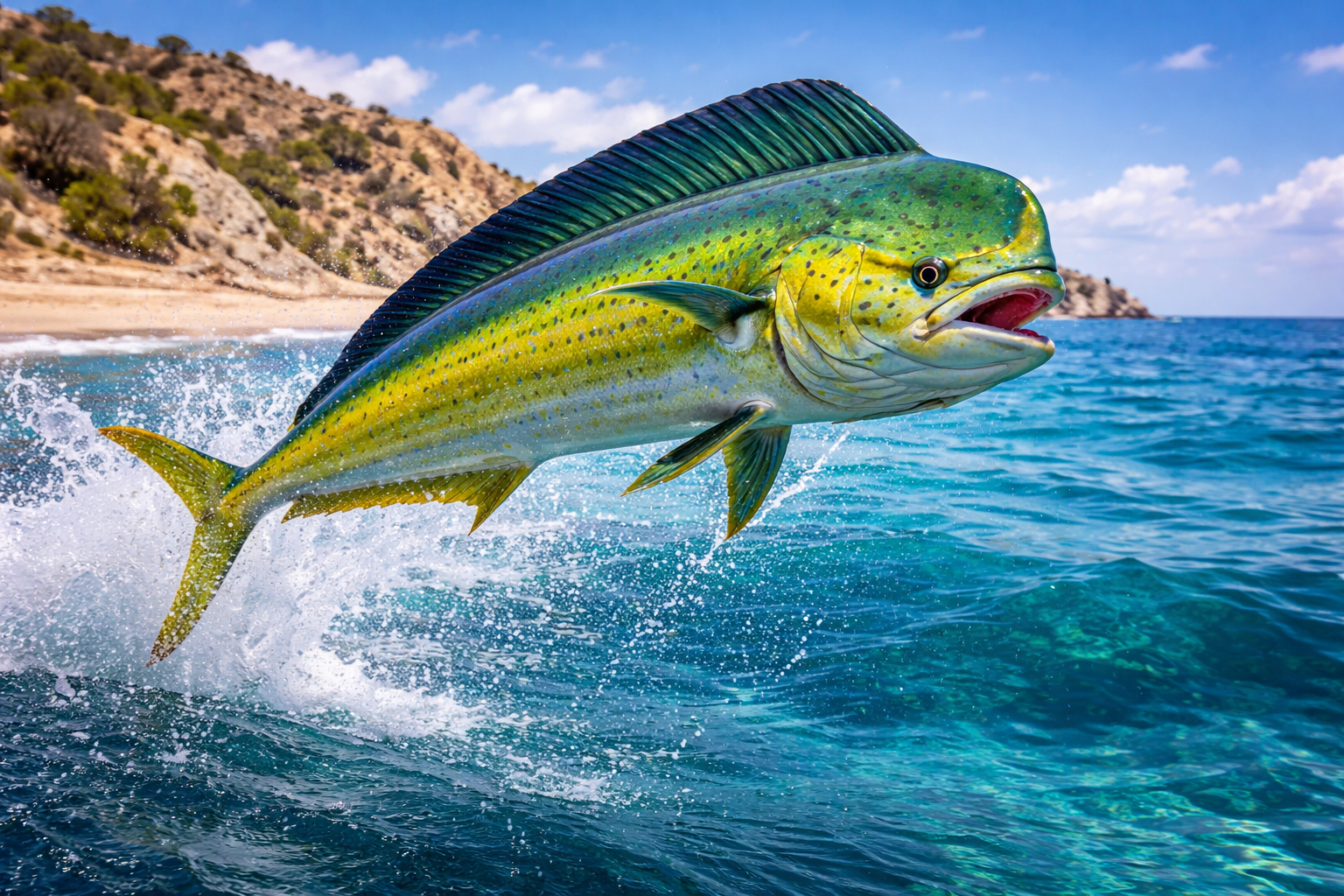
Dorado (Mahi-Mahi)
The most visually stunning fish in the ocean. Dorado change color constantly — flashing gold, green, blue, and silver — and their colors fade rapidly after death, making the moment of the catch one of the most photographed events in sport fishing. Aggressive, acrobatic, and widely considered one of the finest eating fish in the sea.
87 lbs
IGFA WORLD RECORD
~7 ft (2.1 m)
MAX LENGTH
~50 mph
TOP SPEED
Jun-Oct
PEAK SEASON
SCIENTIFIC CLASSIFICATION
Taxonomy & Biology
-
Carangiformes
-
Coryphaenidae
-
Coryphaena
-
C. hippurus (Linnaeus, 1758)
-
Dorado, mahi-mahi, dolphinfish, dorade coryphène (French)
-
Approximately 4–5 years (fast-growing, short-lived)
-
Flying fish, squid, crabs, mackerel, other small pelagic fish
-
Tropical and subtropical waters worldwide. Highly pelagic, often found near floating debris, weed lines, and current edges.
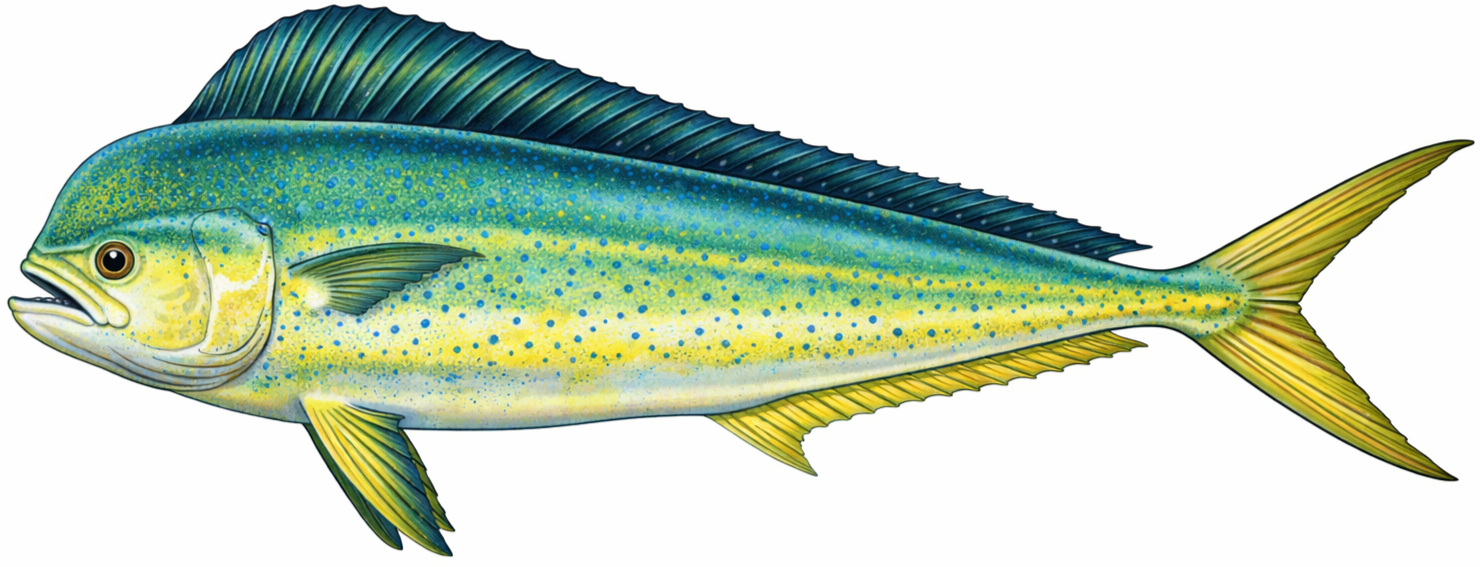
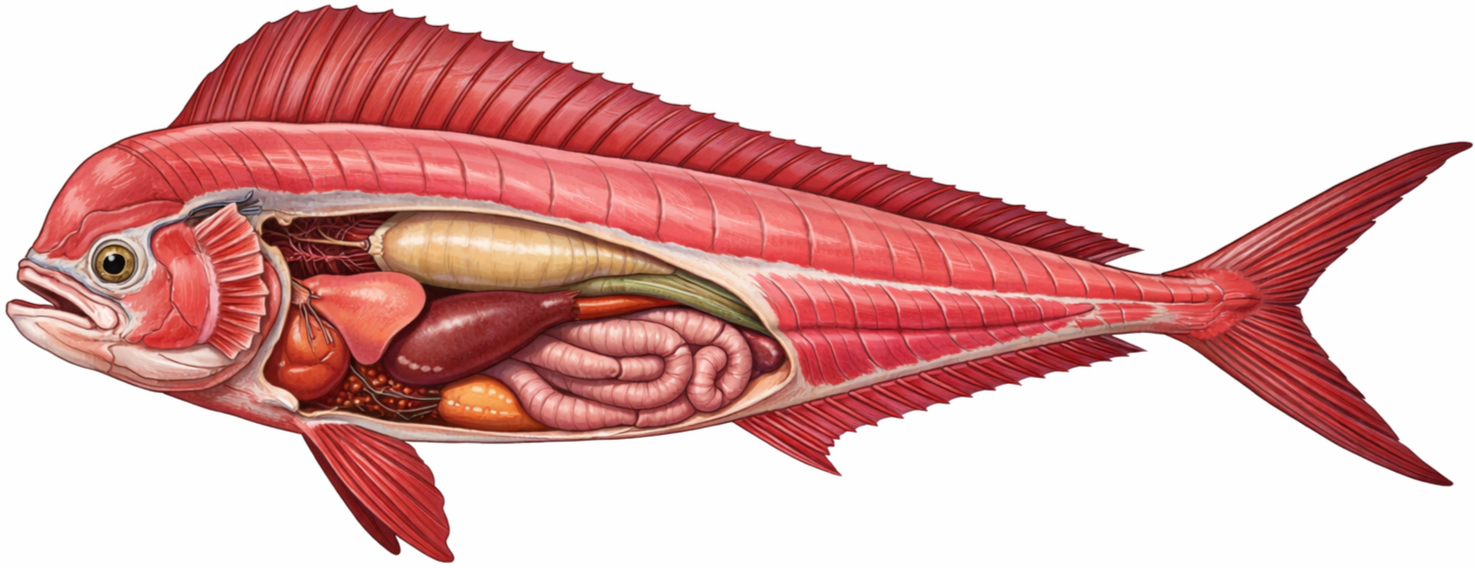
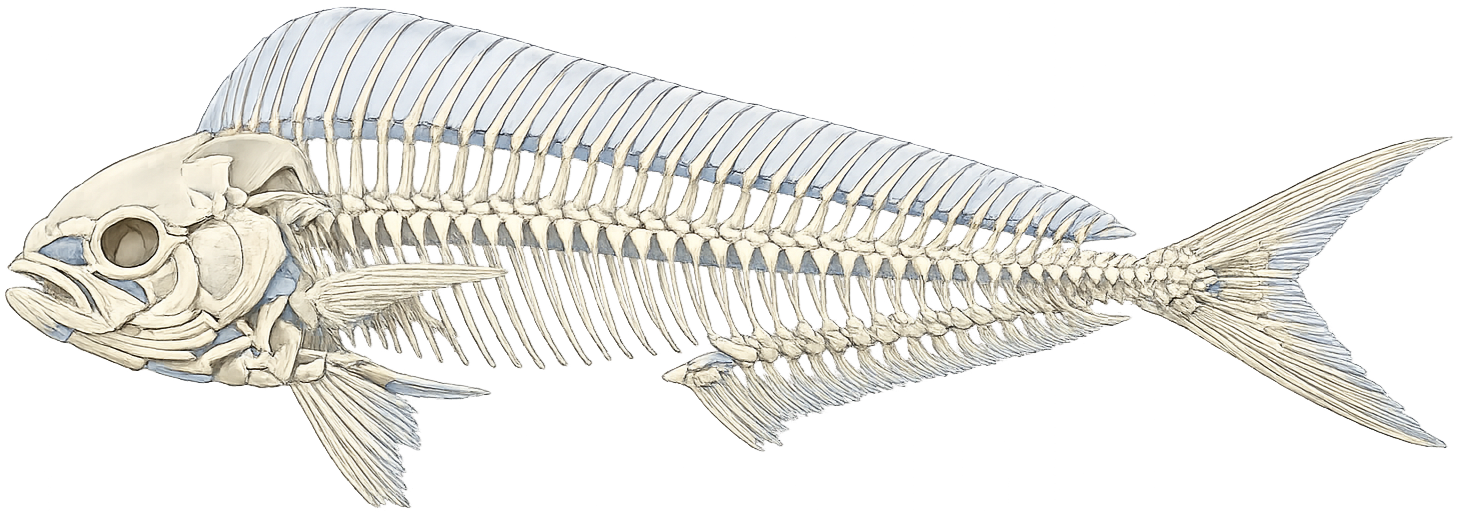
Dorado are among the fastest-growing fish in the ocean. They can reach 4 feet and 40 pounds in less than a year. This rapid growth rate makes them one of the most sustainable gamefish species — populations recover quickly from fishing pressure.
Males (bulls) develop a distinctive blunt, square forehead as they mature, while females (cows) have a more rounded head profile. Both sexes display the species' characteristic rapid color changes, which are controlled by chromatophores in the skin.
In Cabo, dorado are strongly associated with floating debris — anything from logs and pallets to sargassum weed lines. Experienced captains know to scan for floating objects and birds diving on bait schools, which often indicate dorado concentrations below.
WHEN TO FISH
Seasonal Patterns in Cabo San Lucas
JAN
--
FEB
--
MAR
--
APR
★
MAY
★★
JUN
★★★
JUL
★★★
AGO
★★★
SEP
★★★
OCT
★★★
NOV
★★
DEC
--
HOW TO CATCH THEM
Fishing Techniques & Tackle
MOST PRODUCTIVE
TROLLING NEAR DEBRIS
Trolling medium lures or rigged ballyhoo near floating debris, weed lines, and current edges. Dorado are attracted to structure and shade. Once a school is located, the boat often stops to cast or pitch live bait. Tackle: 20–30 lb class.
RELIABLE
LIVE BAIT
Live sardines or small caballito on light tackle near floating objects or weed lines. Dorado are bold feeders and rarely refuse a well-presented live bait. Tackle: 15–30 lb class spinning or conventional.
MOST FUN
CASTING / JIGGING
Casting poppers, stick baits, or jigs to visible feeding schools. Dorado are aggressive surface feeders and will attack topwater lures aggressively. This is some of the most exciting light-tackle fishing available. Tackle: Medium spinning.
WORLD RECORDS
IGFA Records & Notable Catches
IGFA ALL-TACKLE WORLD RECORD
87 lb
Caught by Manuel Salazar on September 25, 1976 off Papagallo Gulf, Costa Rica.
TYPICAL GOOD CATCH
15-40 lb
Dorado in Cabo commonly run 15 to 40 pounds, with bulls (large males) occasionally exceeding 50 pounds. They are one of the most consistently available gamefish during summer months.
TOP SPEED
~50 mph
Estimated maximum burst speed. Dorado are among the fastest fish in the ocean.
MAXIMUM RECORDED LENGTH
~7 ft (2.1 m)
Approximate maximum total length. Cabo dorado typically measure smaller.
QUESTIONS & ANSWERS
Conservation & Regulations
Responsible Fishing in Cabo
Dorado populations are considered healthy globally due to their extremely fast growth and high reproductive rate. They are one of the most sustainable gamefish species. The Mexican bag limit for dorado is 2.5 per license per day — lower than the standard 5 for most species. In practice, a solo angler can keep 2, but two licenses combine to allow 5.
QUESTIONS & ANSWERS
Dorado FAQ
-
Dorado in Cabo commonly weigh 10–30 pounds, with fish over 40 pounds caught regularly during peak season. Bull dorado (large males with distinctive square foreheads) can exceed 50 pounds. The IGFA all-tackle world record is 87 pounds. The bag limit is 2.5 per license per day — a solo angler keeps 2, but two anglers together can keep 5.
-
Peak dorado season in Cabo runs from June through October, when warm water and abundant bait bring large schools close to shore. Dorado are among the most reliably available species during summer and are an excellent target for families and first-time anglers.
-
Dorado (mahi-mahi) is widely considered one of the finest eating fish in the ocean. The flesh is firm, white, and mild-flavored. Fish cleaning is available at the dock for an additional fee. Many Cabo restaurants will prepare it for you the same day — grilled, pan-seared, or as ceviche.
EXPLORE MORE
Other Species in Cabo
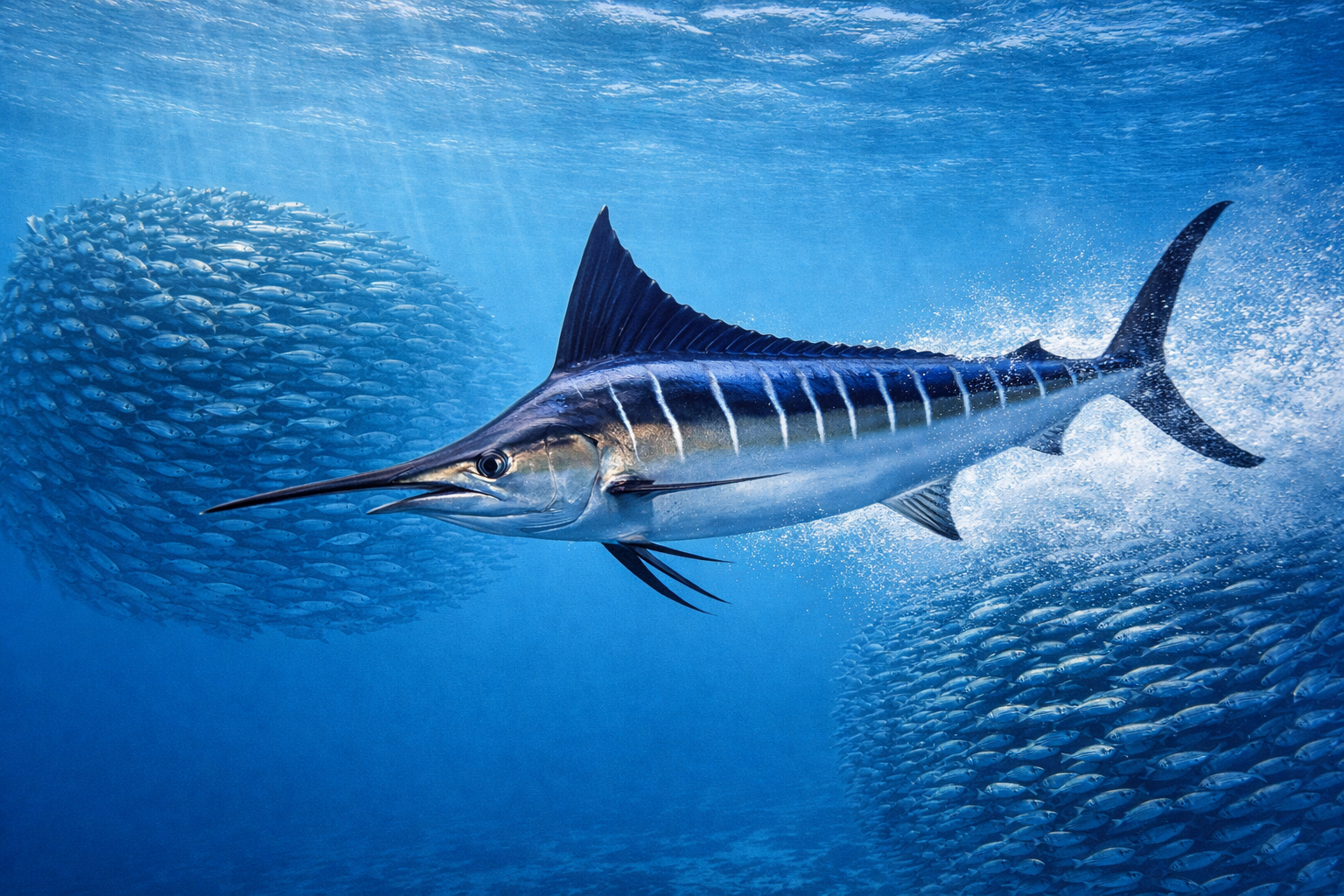
Kajikia Audax
Striped Marlin
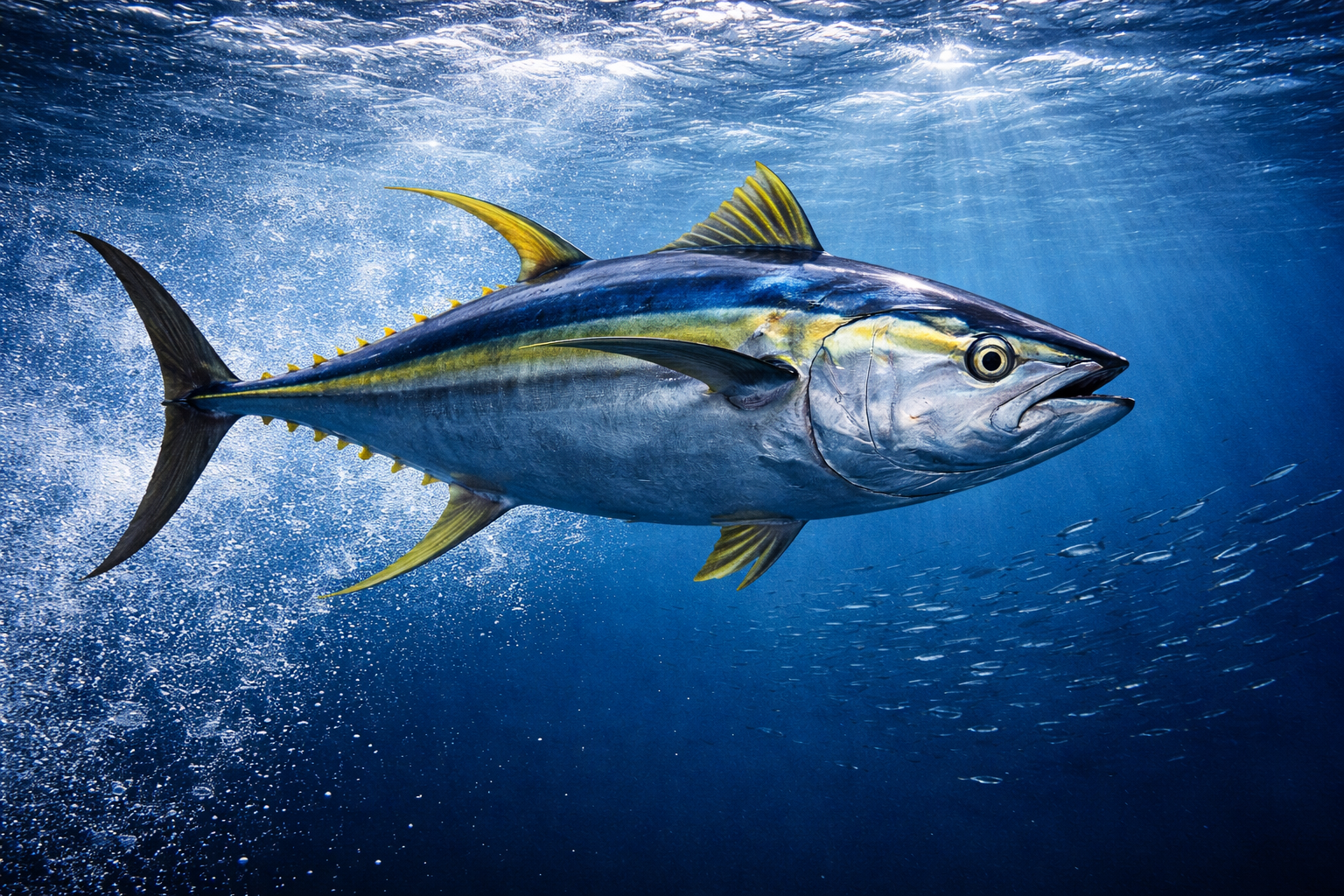
Thunnus Albacares
Yellowfin tuna
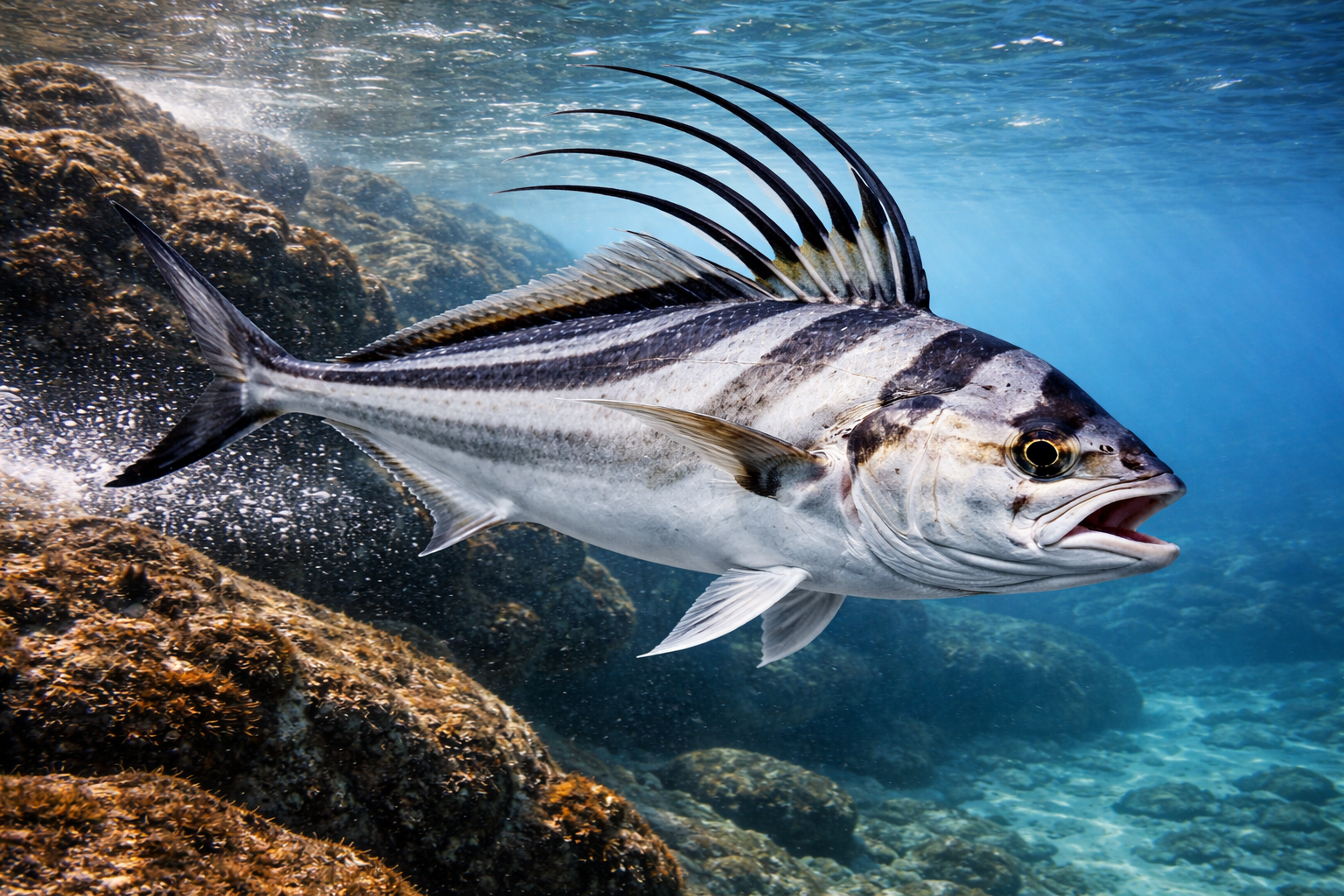
Nematistius Pectoralis
Roosterfish
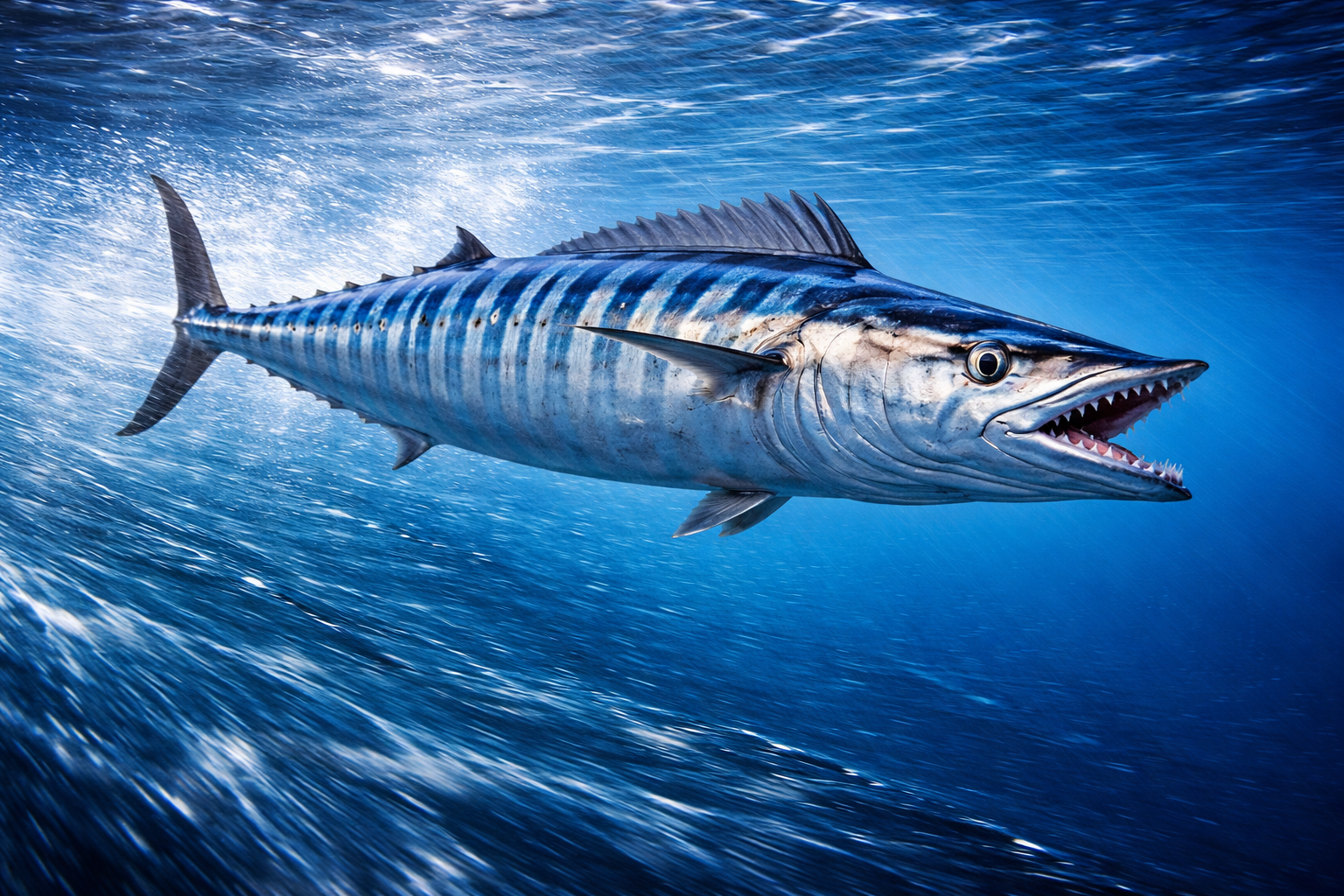
Acanthocybium Solandri
Wahoo
Which Boat Should You Book for Dorado?
Dorado are found relatively close to shore. A 26' Shamrock ($714 half-day) or 30' California ($854) is ideal. For families on a budget, the 23' Panga ($453) can reach dorado grounds during peak summer months. View all boats →
Target Dorado in Cabo
Our captains know exactly where and when to find dorado. Call or email directly — no booking fees, no middlemen.
NO BOOKING FEES · NO COMMISSIONS · DIRECT WITH OUR CABO TEAM