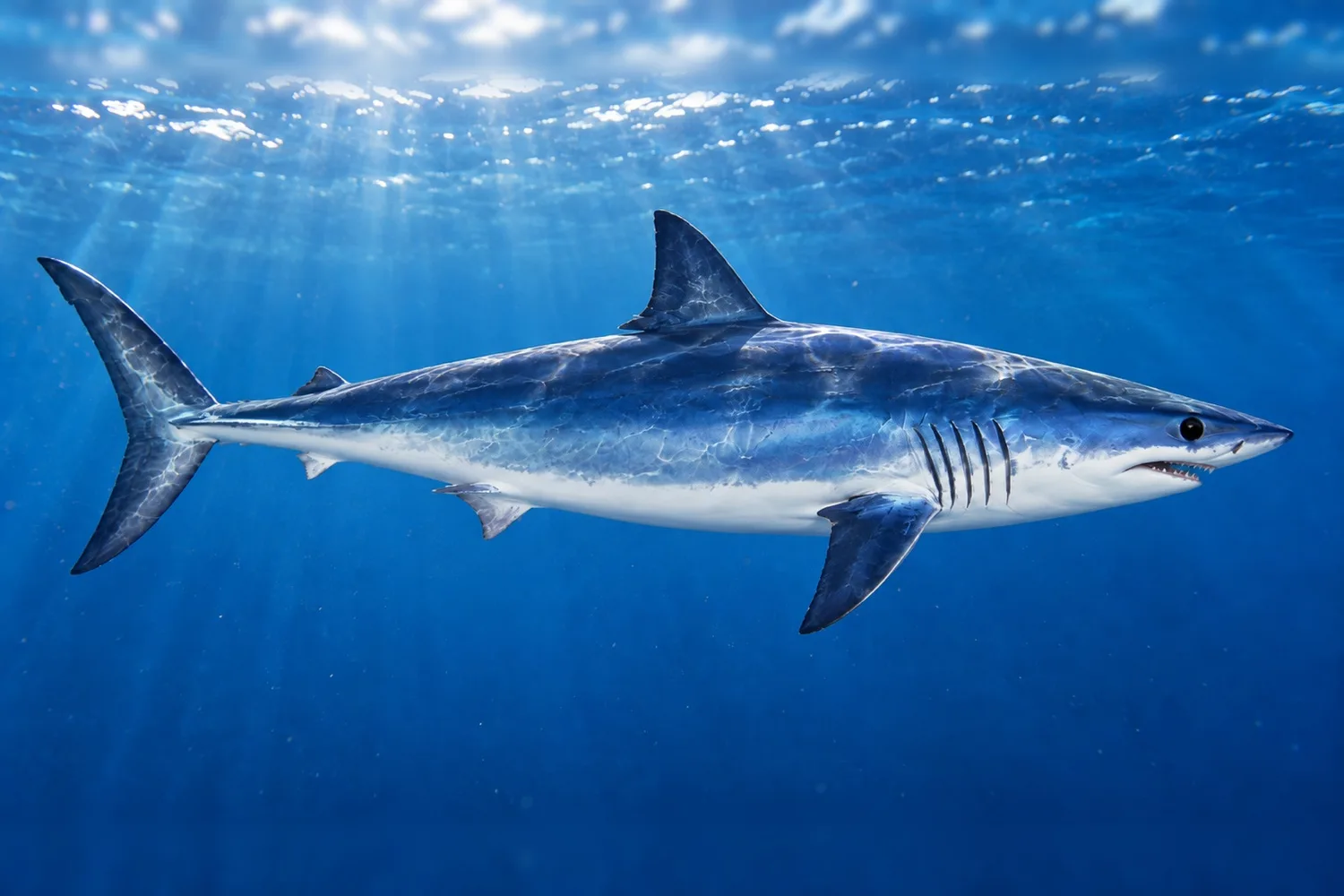
Shortfin mako (Isurus oxyrinchus), illustration
Regulated · catch and release Isurus oxyrinchus

Shortfin mako in Los Cabos

The jumping shark of the open ocean, and one of the most impressive fish an angler can see. Off Baja's Pacific coast it's also a species in trouble, which is why we release every one.

Up to 4.45 mMax length
1,221 lbIGFA world record
~20 yearsAge females start breeding
EndangeredIUCN Red List

Season in Los Cabos

●● best months · ● regular · · occasional. Based on local fishing reports; conditions change year to year.

Tap a month to see everything biting in Cabo that month ›

How to recognize it

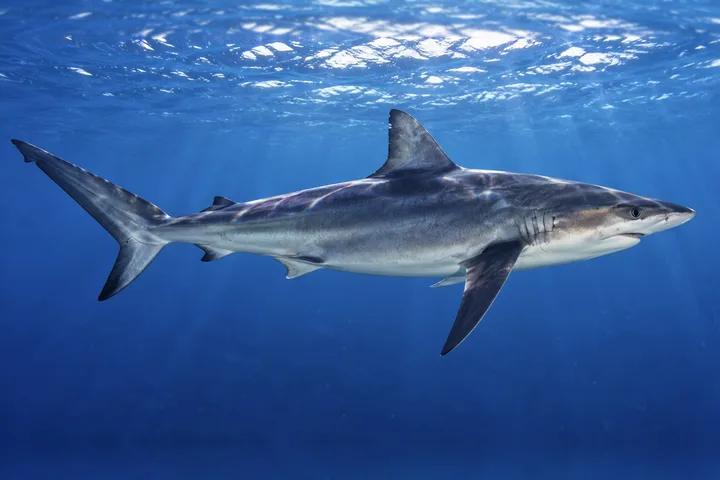
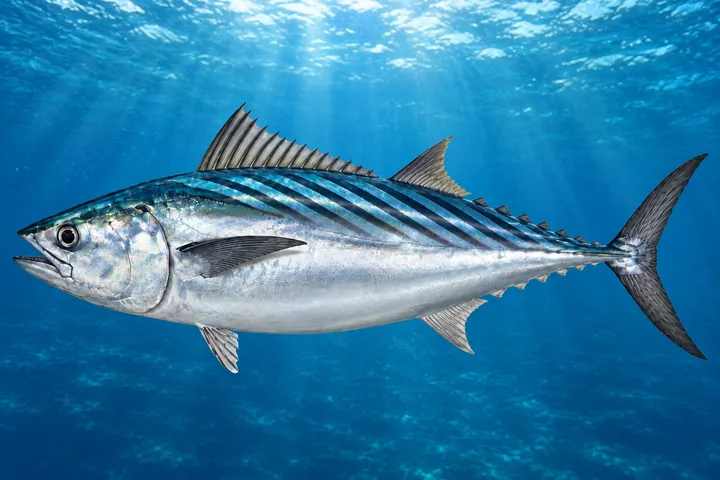
Torpedo-shaped, with a metallic blue back, a white belly, a pointed conical snout, large black eyes and slender, smooth-edged, hooked teeth. The tail is crescent-shaped, with a strong keel at its base.

Biology

Makos live in open ocean in temperate and tropical seas worldwide, usually in water of 17–22 °C, and tagged sharks have dived to nearly 1,000 m. Bahía Sebastián Vizcaíno, on Baja's Pacific coast, is one of the two known mako nurseries in the eastern North Pacific, and the coast from Bahía Magdalena to Laguna San Ignacio may be another.

They hunt squid, tuna, swordfish and other sharks; young makos off Baja California Sur eat mostly Humboldt squid, searobins and chub mackerel. Females give birth to 4 to 25 live pups after a pregnancy of 15 to 18 months, only every three years. Males mature at about 8 years and females at about 20, and they live at least 28 to 32 years. That slow pace is why they can't take heavy fishing.

Things you probably didn't know

01

Pups that eat eggs

Before birth, mako pups use up their yolk and then feed on unfertilized eggs their mother keeps producing.

Source ↗
02

How fast, really?

The "70 km/h" figure you'll read everywhere has never been measured. The fastest speed recorded on a tagged wild mako is about 18 km/h in a burst, and the height of their leaps suggests escape speeds above 35 km/h.

Source ↗
03

A warm-bodied shark

Like tuna, makos keep their swimming muscles warmer than the water around them, which helps them hunt in cold, deep water.

Source ↗
04

Aged with atomic bombs

Scientists confirmed how long makos live using radiocarbon left in the ocean by nuclear bomb tests in the 1950s and 60s, which shows up in the growth bands of their vertebrae.

Source ↗
05

12,000 miles a year

Makos tagged off the U.S. West Coast ranged from Washington to Baja California and out to Hawaii, some covering nearly 12,000 miles in a year and returning to the same areas year after year.

Source ↗
06

Born off Baja

Bahía Sebastián Vizcaíno is a mako nursery: the young sharks studied there were newborns to two-year-olds.

Source ↗

Photos

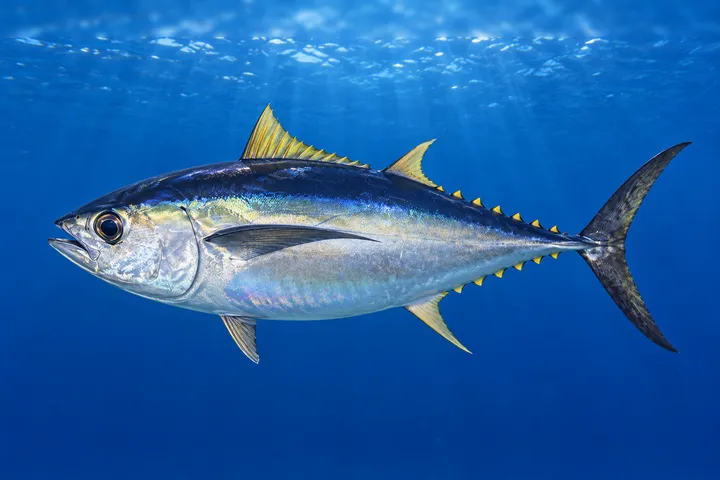
Fábio Olmos · iNaturalist · CC BY 4.0
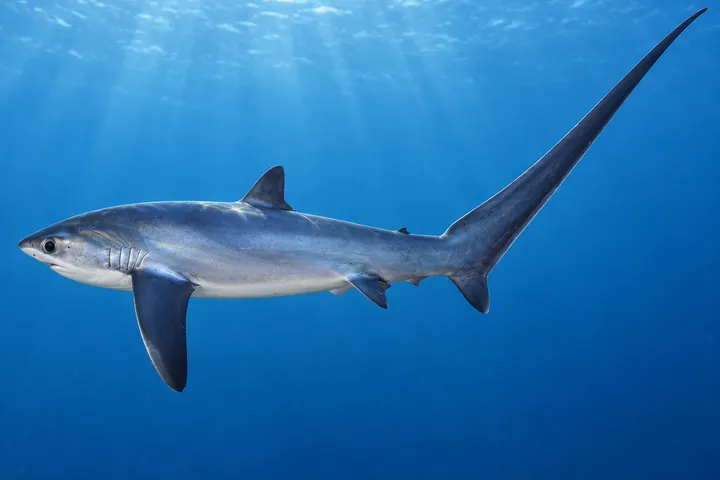
iNaturalist contributor · iNaturalist · CC0
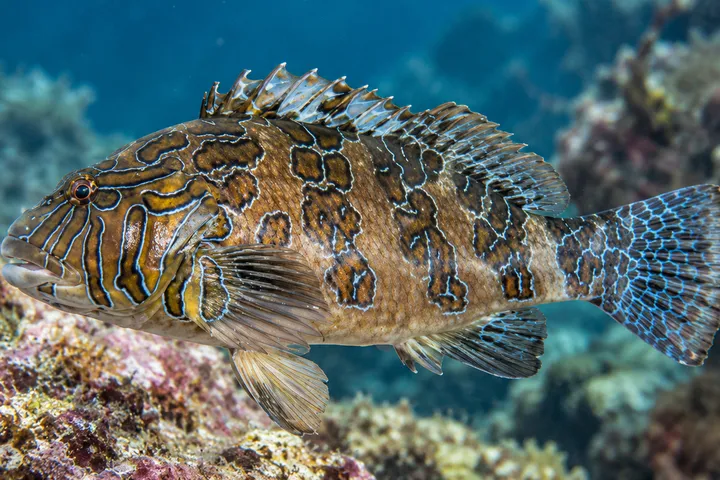
Elias Freyhof · iNaturalist · CC BY 4.0
iNaturalist contributor · iNaturalist · CC0
Michel Frisch · iNaturalist · CC BY 4.0

How it's caught in Los Cabos

Off Los Cabos, makos are most often reported offshore from winter into spring, with March and April the strongest months. They're usually found with a chum slick and baits such as mackerel, tuna or squid, and when hooked they're famous for leaping clear of the water.

We release every mako. Best practice: circle hooks that aren't stainless steel, keep the shark in the water, unhook it quickly or cut the leader close to the hook, and hold it facing forward while the boat moves slowly so water runs over its gills. In one study of tagged makos released this way, 90% survived.

On the table

We don't keep makos. The species is endangered, and a released mako can be caught, and seen, again.

Rules, records & conservation

Daily limit (NOM-017-PESC-1994)Sharks: 1 per angler per day, and it counts as 5 of the 10 fish
Closed season (Pacific)All shark species, May 1 – July 31; no shark fishing during the closure
IUCN Red ListEndangered (2019): about 47% global decline over three generations
CITESAppendix II since 2019: international trade needs permits
IGFA all-tackle record1,221 lb (553.8 kg), Chatham, Massachusetts, 2001

Top Anglers practices catch-and-release for all sharks.

Don't confuse it with

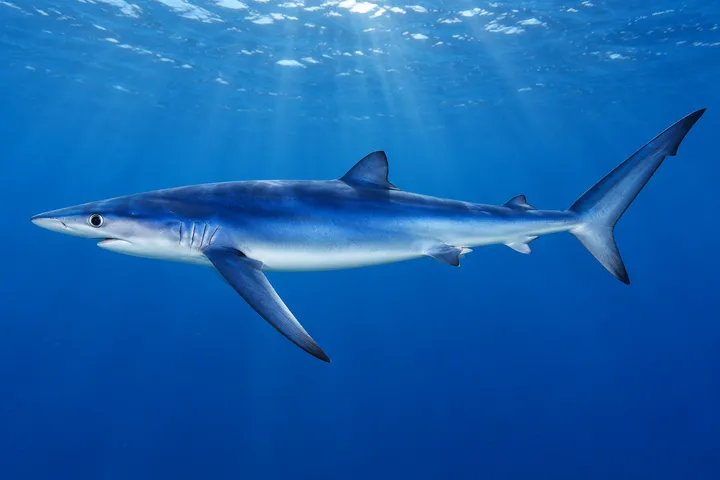
The longfin mako has much longer pectoral fins, bigger eyes and a dusky mouth. The white shark has large triangular, serrated teeth and a black spot behind the pectoral fin. The blue shark is slender and bright blue, with very long pectoral fins and a long, rounded snout.

Questions

Can you keep a mako shark in Mexico?

By law a sport angler may keep one shark per day outside the Pacific closed season (May 1 – July 31). The mako is endangered, and we release every one.

How fast is a mako shark?

The popular 70 km/h figure has never been measured. Tagged makos have been clocked at about 18 km/h in bursts, and their leaps suggest more than 35 km/h.

When can you see makos off Cabo?

Mostly offshore from December to May, peaking in March and April, according to local fishing reports.

By Max VargasTop Anglers, Cabo San Lucas · international judge at big game fishing world championships · reviewed October 2026

Sources

Top illustration: Top Anglers. Photos: iNaturalist contributors, credited on each photo.

Boats for shortfin mako

Sportfishers with the range to reach the offshore banks. From $799 with license included.

More species

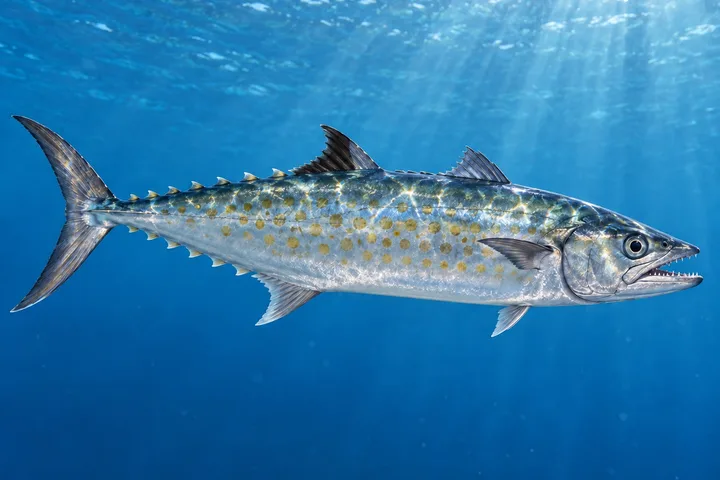
Pacific sierra
Pacific sierra
Scomberomorus sierra
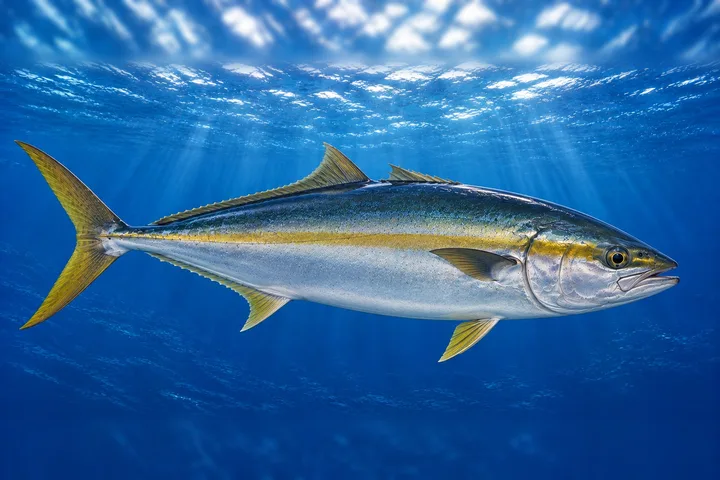
California yellowtail
Seriola dorsalis
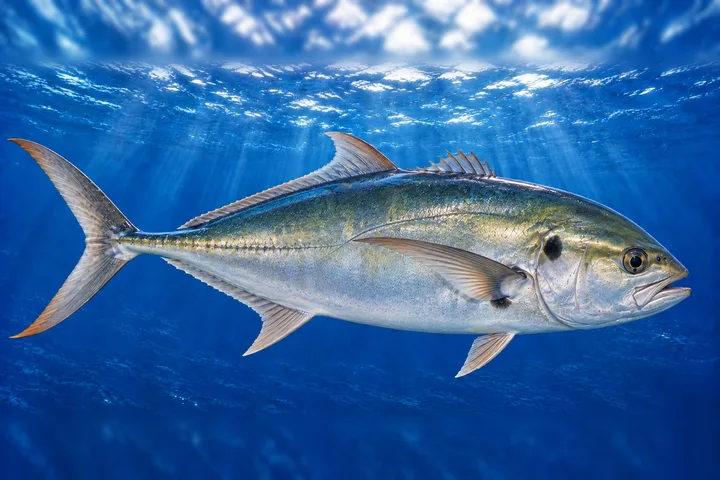
Pacific crevalle jack
Caranx caninus
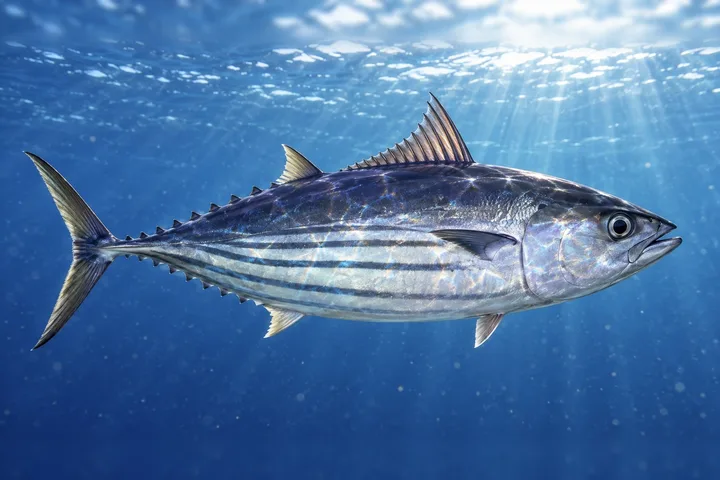
Skipjack tuna
Skipjack tuna
Katsuwonus pelamis
Leopard grouper
Leopard grouper
Mycteroperca rosacea
Colorado snapper
Colorado snapper
Lutjanus colorado
Striped bonito
Striped bonito
Sarda orientalis
Black skipjack
Black skipjack
Euthynnus lineatus
Finescale triggerfish
Balistes polylepis
Scalloped hammerhead
Sphyrna lewini
Humpback whale
Humpback whale
Megaptera novaeangliae
Gray whale
Gray whale
Eschrichtius robustus
California sea lion
California sea lion
Zalophus californianus
Whale shark
Whale shark
Rhincodon typus
Olive ridley sea turtle
Lepidochelys olivacea
Bottlenose dolphin
Bottlenose dolphin
Tursiops truncatus
Munk's devil ray (mobula)
Mobula munkiana
Swordfish
Swordfish
Xiphias gladius
Almaco jack
Almaco jack
Seriola rivoliana
Bigeye trevally
Bigeye trevally
Caranx sexfasciatus
Spotted cabrilla
Spotted cabrilla
Epinephelus analogus
Pacific dog snapper
Pacific dog snapper
Lutjanus novemfasciatus
Barred pargo
Barred pargo
Hoplopagrus guentherii
Blue whale
Blue whale
Balaenoptera musculus
Green sea turtle (black turtle)
Chelonia mydas
Leatherback sea turtle
Dermochelys coriacea
Rainbow runner
Rainbow runner
Elagatis bipinnulata
Gulf grouper
Gulf grouper
Mycteroperca jordani
Yellow snapper
Yellow snapper
Lutjanus argentiventris
Pacific white snook
Pacific white snook
Centropomus viridis
Mexican barracuda
Mexican barracuda
Sphyraena ensis
Silky shark
Silky shark
Carcharhinus falciformis
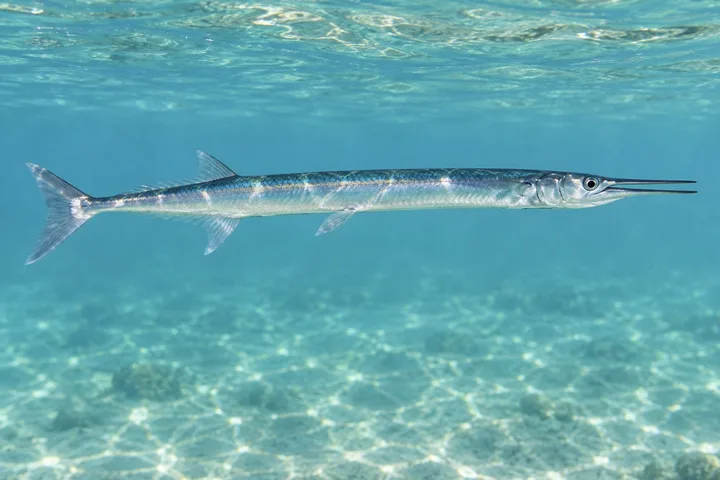
Mexican needlefish
Mexican needlefish
Tylosurus fodiator
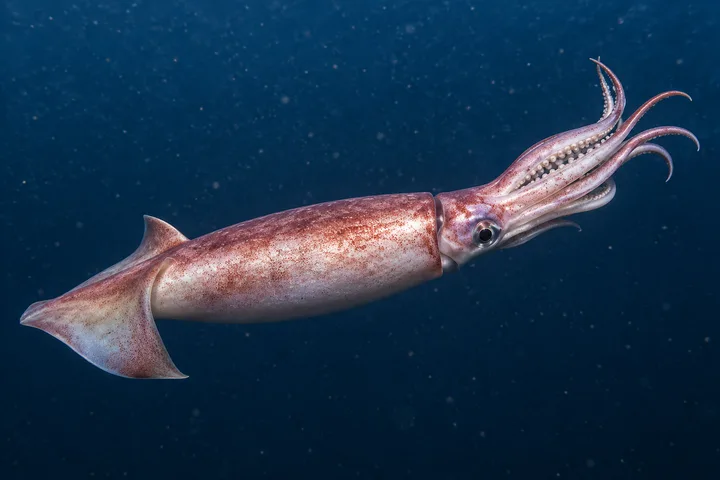
Humboldt squid
Humboldt squid
Dosidicus gigas
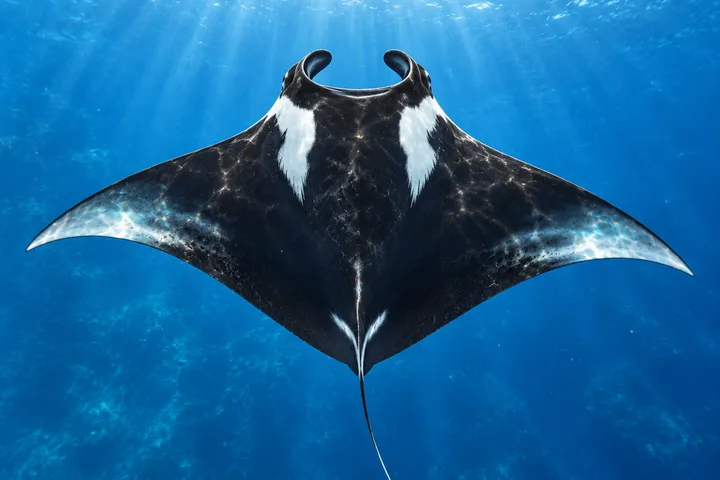
Giant manta ray
Giant manta ray
Mobula birostris
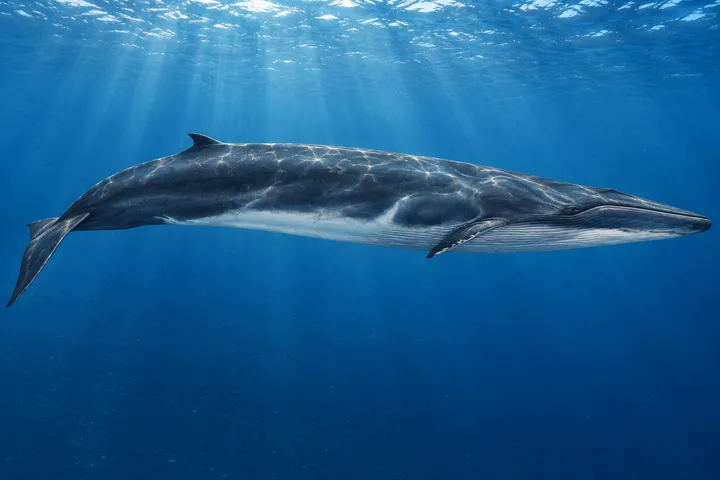
Fin whale
Fin whale
Balaenoptera physalus
Orca (killer whale)
Orca (killer whale)
Orcinus orca
Hawksbill sea turtle (carey)
Eretmochelys imbricata
Brown pelican
Brown pelican
Pelecanus occidentalis
Magnificent frigatebird
Fregata magnificens
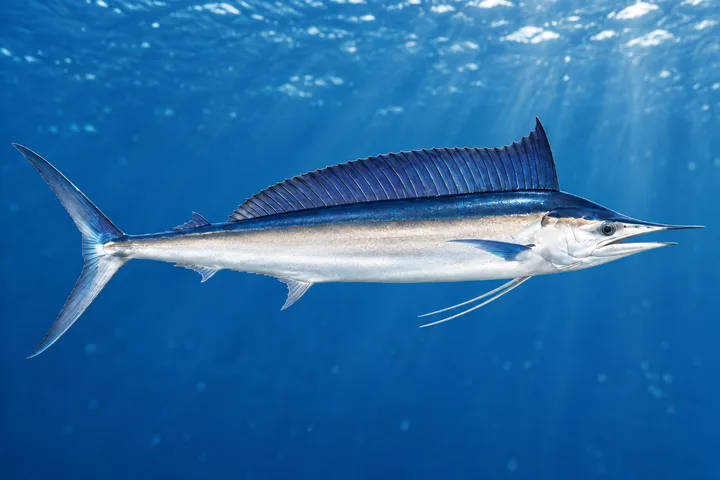
Shortbill spearfish
Shortbill spearfish
Tetrapturus angustirostris
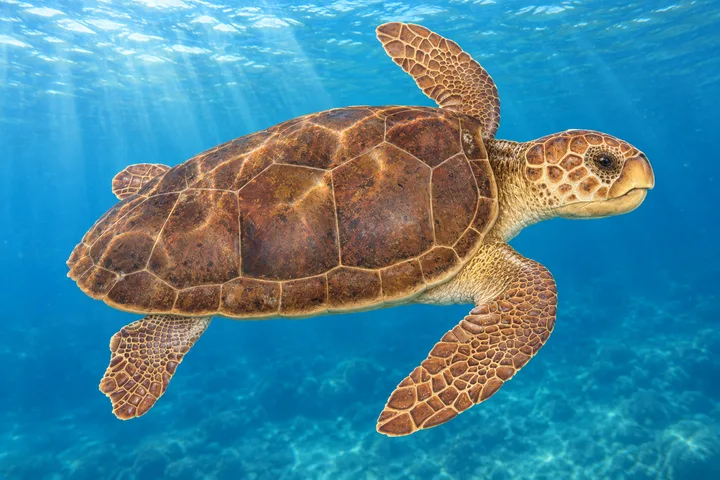
Loggerhead sea turtle (caguama)
Caretta caretta
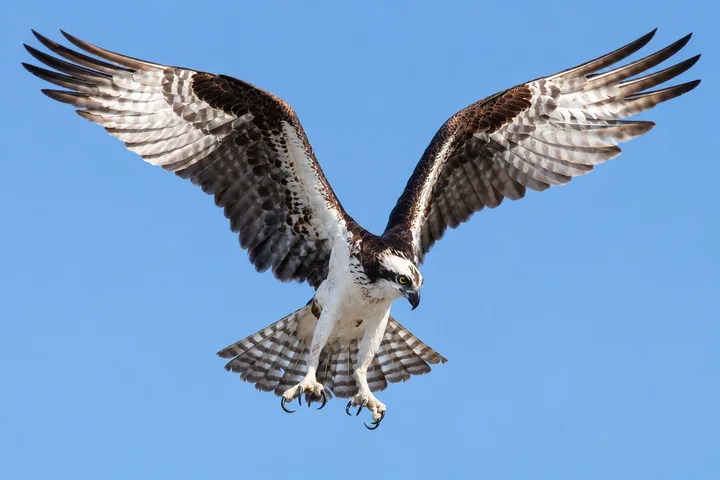
Osprey
Osprey
Pandion haliaetus
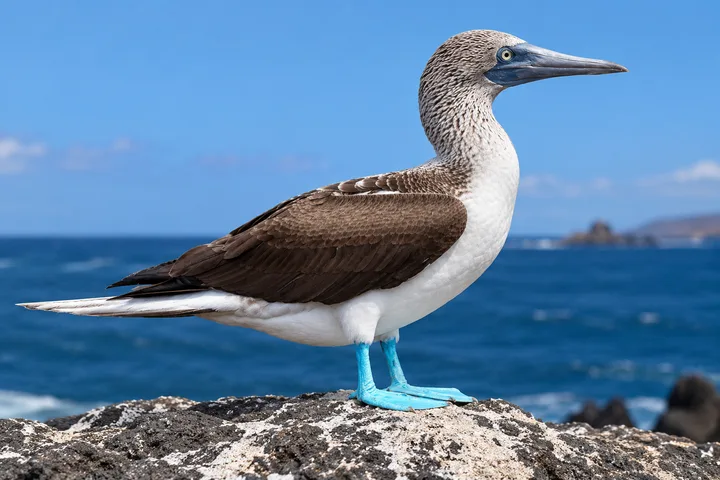
Blue-footed booby
Blue-footed booby
Sula nebouxii
Common dolphin
Common dolphin
Delphinus delphis
Oarfish
Oarfish
Regalecus russelii
Heermann’s gull
Heermann’s gull
Larus heermanni
Yellow-footed gull
Yellow-footed gull
Larus livens
Ocean sunfish
Ocean sunfish
Mola mola
Sperm whale
Sperm whale
Physeter macrocephalus
Sally Lightfoot crab
Grapsus grapsus
Blue spiny lobster
Blue spiny lobster
Panulirus inflatus
Chocolate clam
Chocolate clam
Megapitaria squalida
Pelagic red crab
Pelagic red crab
Grimothea planipes
Hubbs’ octopus
Hubbs’ octopus
Octopus hubbsorum
Jewel moray
Jewel moray
Muraena lentiginosa
Panamic green moray
Panamic green moray
Gymnothorax castaneus
Spinner dolphin
Spinner dolphin
Stenella longirostris
Risso’s dolphin
Risso’s dolphin
Grampus griseus
Short-finned pilot whale
Globicephala macrorhynchus
Bigeye tuna
Bigeye tuna
Thunnus obesus
Pelagic thresher
Pelagic thresher
Alopias pelagicus
Blue shark
Blue shark
Prionace glauca
Giant hawkfish
Giant hawkfish
Cirrhitus rivulatus
Pacific bonito
Pacific bonito
Sarda lineolata
Cortez angelfish
Cortez angelfish
Pomacanthus zonipectus
Talk to the family

Questions? Message the family

The Vargas family answers personally. 7 days a week, 5 AM – 6 PM Cabo time.