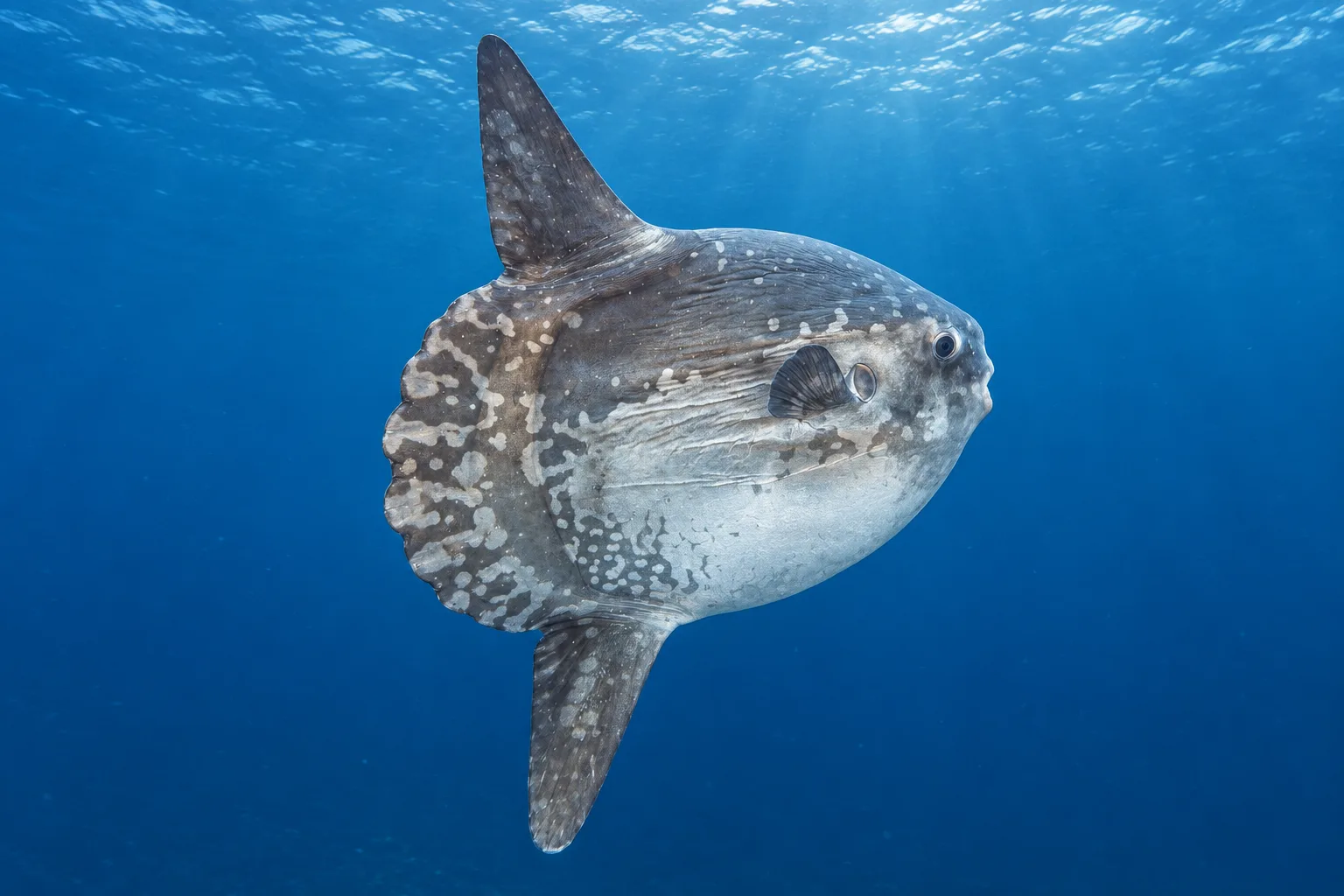
Ocean sunfish (Mola mola), illustration
Wildlife Mola mola

Ocean sunfish in Los Cabos

The ocean sunfish looks like a giant swimming head and is often seen lying flat at the surface. That lazy look is misleading: it is a deep diver that comes up to warm itself between hunts.

Up to 3.3 mLength
Over 500 mDives recorded off California
26 to 400 kgGrowth in 14 months at an aquarium
VulnerableIUCN Red List

When to see them

●● best months · ● regular · · occasional. Based on scientific studies and local reports; it changes year to year.

Tap a month to see everything biting in Cabo that month ›

How to recognize it

A tall, flat, oval body about as deep as it is long, with no real tail: the very tall dorsal and anal fins sit at the back and join a short rudder called the clavus, whose edge is wavy and carries 8 or 9 small, widely spaced bony plates. Tiny beak-like mouth, small rounded pectoral fins, thick sandpaper skin. Gray-brown to dark blue above, often with pale blotches, silvery below.

Biology

The ocean sunfish lives in tropical and warm-temperate seas around the world, and the Smithsonian’s guide to eastern Pacific fishes records it off Baja and in the Gulf of California. In the first long-term tagging study in the eastern Pacific, 15 sunfish tagged off southern California spent the fall and winter moving down to northern and central Baja; the largest, about 2 m long, travelled more than 800 km to Punta Abreojos, Baja California Sur. By day they spent most of their time below 50 m, by night almost all of it in the top 50 m, with occasional dives past 500 m into water as cold as 6.6 °C.

Sunfish carry an unusual load of hitchhikers: some 40 genera of parasites have been recorded on this species, from copepods on the eyes to larval shark tapeworms. Small fish and birds pick them clean, from gulls in California kelp beds to the open ocean, where albatrosses in the North Pacific and giant petrels in the South Atlantic have been photographed cleaning them. Sea lions and orcas prey on them, and off California they make up the largest share of the bycatch in the drift gillnet fishery.

Things you probably didn't know

01

Not quite the record holder

The 2,300 kg fish caught off Japan in 1996, long quoted as the heaviest ocean sunfish, was actually a giant sunfish, Mola alexandrini. Of 15 molids reported at over 2,000 kg, researchers identified 14 as M. alexandrini and only one as M. mola; just five had really been weighed.

Source ↗
02

The 300-million-egg story

The famous figure comes from a single sentence in Nature in 1921: about 300 million unripe eggs in the ovary of one female around 1.4–1.5 m long. No method, ovary weight or sample count was given, the fish’s species is uncertain, and in over a century no one has repeated the count.

Source ↗
03

Sunbathing is part of the hunt

Camera and accelerometer tags on sunfish off Japan showed them diving to 100–200 m by day to eat siphonophores in water below 12 °C. Their body cooled at depth, and at the surface they took up heat 3 to 7 times faster than they lost it, so basking lets them stay longer in cold hunting grounds.

Source ↗
04

More than a jellyfish eater

DNA from the stomachs of 57 sunfish in the northeast Atlantic revealed 41 prey types, and jellies and their relatives made up only 16% of what they ate. Smaller sunfish fed mostly on small crustaceans and fish; bigger ones ate more jellies.

Source ↗
05

Orca school in the Gulf

Between 2013 and 2024, researchers documented 21 orca attacks on sunfish in the southwestern Gulf of California, involving three sunfish species. The sharptail mola made up 66% of confirmed records, and calves were present in 8 attacks, suggesting mothers use sunfish to train their young.

Source ↗
06

Released by helicopter

A sunfish that arrived at the Monterey Bay Aquarium in 1997 weighing 57 lb (26 kg) reached 880 lb (about 400 kg) in 14 months, roughly 1.1 kg a day. It had to be lifted out by helicopter and released at sea before it grew too big to move.

Source ↗

Seeing them from the boat

Ocean sunfish are an occasional surprise off Los Cabos rather than something you can plan a trip around. Local reports include a sunfish of about 450 lb that a Cabo crew fought for two hours on 50 lb tackle in June 2008, a video of divers swimming with one off Cabo San Lucas that went viral in 2025, and a December 2025 sighting in Bahía Magdalena that the diver who filmed it described as rare for Baja California Sur. Sunfish photos are seldom checked by specialists, and around the southern Gulf the sharptail mola and the giant sunfish also turn up.

If you spot one basking on a trip offshore, slow down, keep some distance and let it be; it may be warming up after a deep dive. Sunfish aren’t a sport fish, so if one takes a bait, cut the line as close as you safely can and release it in the water rather than lifting or gaffing it.

Rules & conservation

Mexico (NOM-059)Not listed
Sport fishingNot a sport species; not among the species reserved for sport fishing in Mexico
IUCN Red ListVulnerable (2015)
CITESNot listed

Many sunfish sightings are never identified to species. In a recent study of orca attacks in the southern Gulf of California, the sharptail mola made up most of the confirmed records.

Don't confuse it with

The sharptail mola (Masturus lanceolatus) has a rudder with a pointed central extension and is the sunfish most often confirmed in the southern Gulf. The giant sunfish (Mola alexandrini), first reported there in 2022, has bumps on the forehead and chin and a rounded rudder edge without the wavy outline. The hoodwinker sunfish (Mola tecta) has never been reported in the Gulf of California.

Questions

Can you see an ocean sunfish in Cabo San Lucas?

Occasionally. Local reports describe scattered sightings by divers and fishing crews, mostly in the cooler months, but it’s rare and never guaranteed.

Is the ocean sunfish the heaviest bony fish?

Not quite. The heaviest bony fish ever weighed was a giant sunfish, Mola alexandrini: 2,744 kg, found in the Azores in 2021. Ocean sunfish over 2,000 kg are very rarely confirmed.

Does a sunfish really lay 300 million eggs?

That number comes from a single 1921 count of unripe eggs in one female, with no method described. It may be right in order of magnitude, but it has never been verified.

By Max VargasTop Anglers, Cabo San Lucas · international judge at big game fishing world championships · reviewed October 2026

Sources

Top illustration: Top Anglers. Photos: iNaturalist contributors, credited on each photo.

See Cabo from the water

Our charters leave the Cabo San Lucas marina every morning. From $799 with license included.
More species

Pacific sierra
Pacific sierra
Scomberomorus sierra
California yellowtail
Seriola dorsalis
Pacific crevalle jack
Caranx caninus
Skipjack tuna
Skipjack tuna
Katsuwonus pelamis
Shortfin mako
Shortfin mako
Isurus oxyrinchus
Leopard grouper
Leopard grouper
Mycteroperca rosacea
Colorado snapper
Colorado snapper
Lutjanus colorado
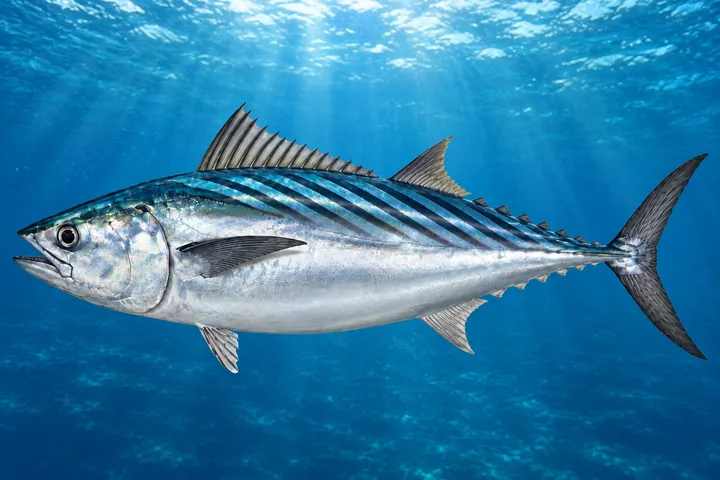
Striped bonito
Striped bonito
Sarda orientalis
Black skipjack
Black skipjack
Euthynnus lineatus
Finescale triggerfish
Balistes polylepis
Scalloped hammerhead
Sphyrna lewini
Humpback whale
Humpback whale
Megaptera novaeangliae
Gray whale
Gray whale
Eschrichtius robustus
California sea lion
California sea lion
Zalophus californianus
Whale shark
Whale shark
Rhincodon typus
Olive ridley sea turtle
Lepidochelys olivacea
Bottlenose dolphin
Bottlenose dolphin
Tursiops truncatus
Munk's devil ray (mobula)
Mobula munkiana
Swordfish
Swordfish
Xiphias gladius
Almaco jack
Almaco jack
Seriola rivoliana
Bigeye trevally
Bigeye trevally
Caranx sexfasciatus
Spotted cabrilla
Spotted cabrilla
Epinephelus analogus
Pacific dog snapper
Pacific dog snapper
Lutjanus novemfasciatus
Barred pargo
Barred pargo
Hoplopagrus guentherii
Blue whale
Blue whale
Balaenoptera musculus
Green sea turtle (black turtle)
Chelonia mydas
Leatherback sea turtle
Dermochelys coriacea
Rainbow runner
Rainbow runner
Elagatis bipinnulata
Gulf grouper
Gulf grouper
Mycteroperca jordani
Yellow snapper
Yellow snapper
Lutjanus argentiventris
Pacific white snook
Pacific white snook
Centropomus viridis
Mexican barracuda
Mexican barracuda
Sphyraena ensis
Silky shark
Silky shark
Carcharhinus falciformis
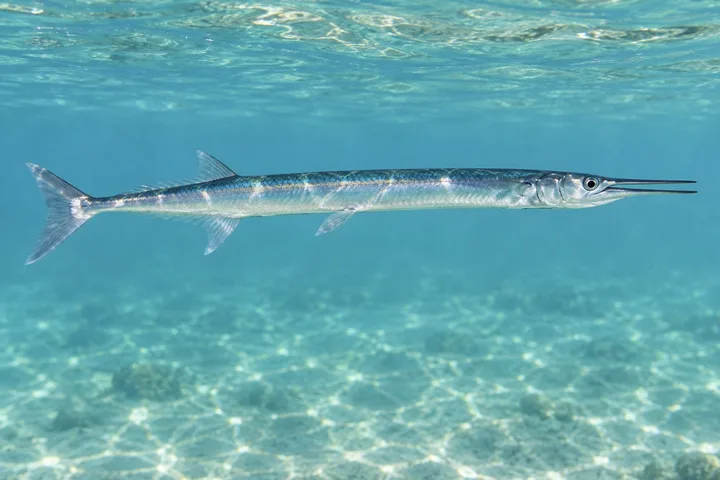
Mexican needlefish
Mexican needlefish
Tylosurus fodiator
Humboldt squid
Humboldt squid
Dosidicus gigas
Giant manta ray
Giant manta ray
Mobula birostris
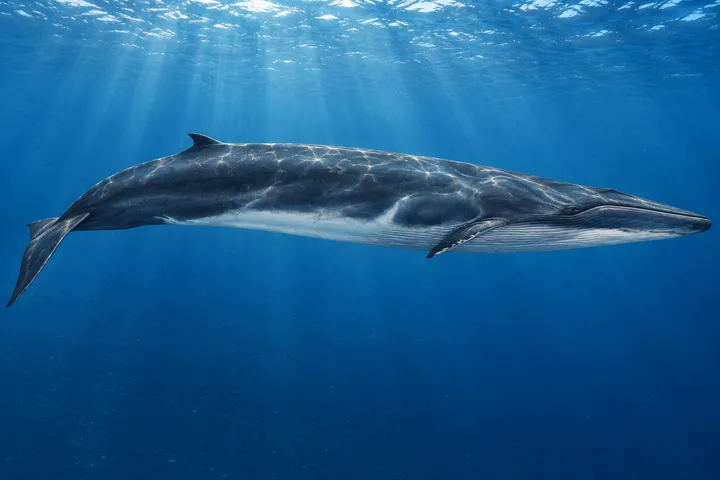
Fin whale
Fin whale
Balaenoptera physalus
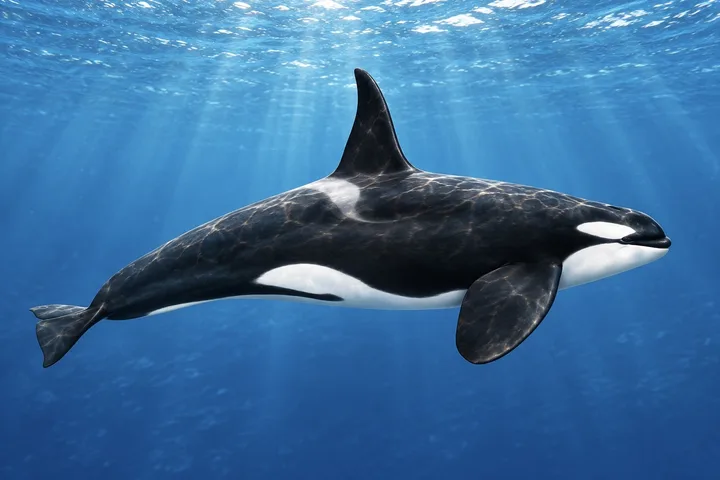
Orca (killer whale)
Orca (killer whale)
Orcinus orca
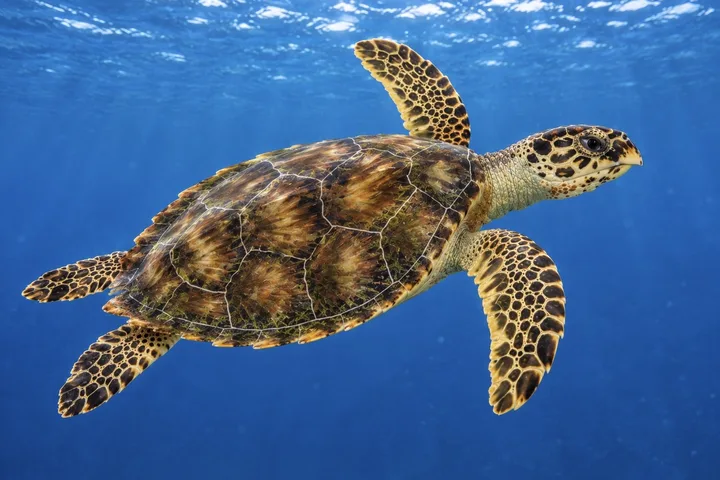
Hawksbill sea turtle (carey)
Eretmochelys imbricata
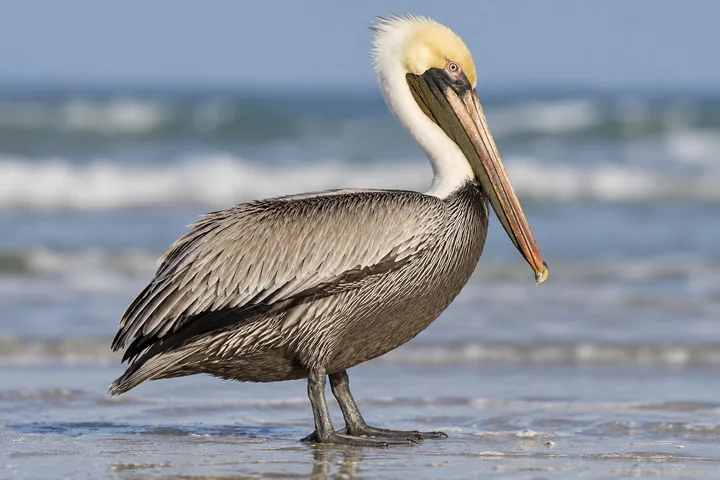
Brown pelican
Brown pelican
Pelecanus occidentalis
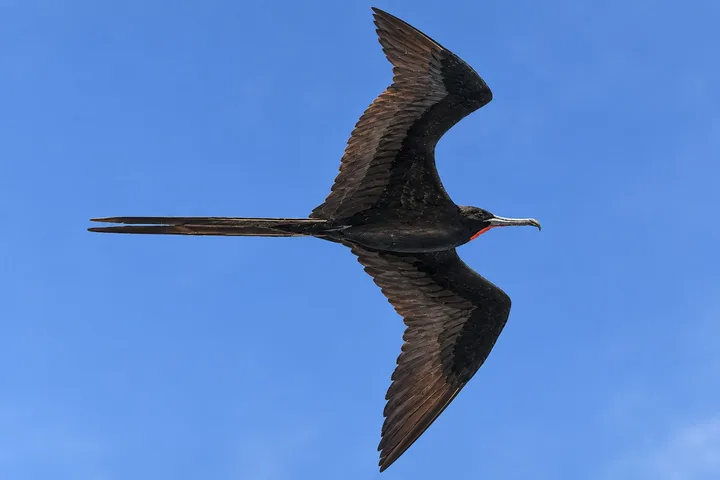
Magnificent frigatebird
Fregata magnificens
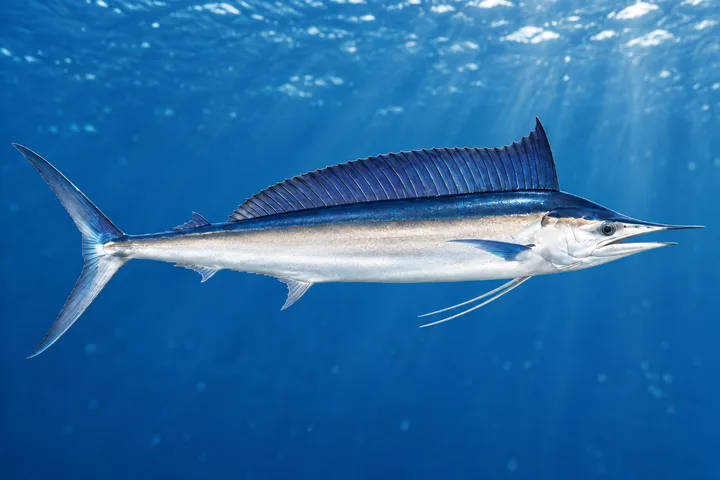
Shortbill spearfish
Shortbill spearfish
Tetrapturus angustirostris
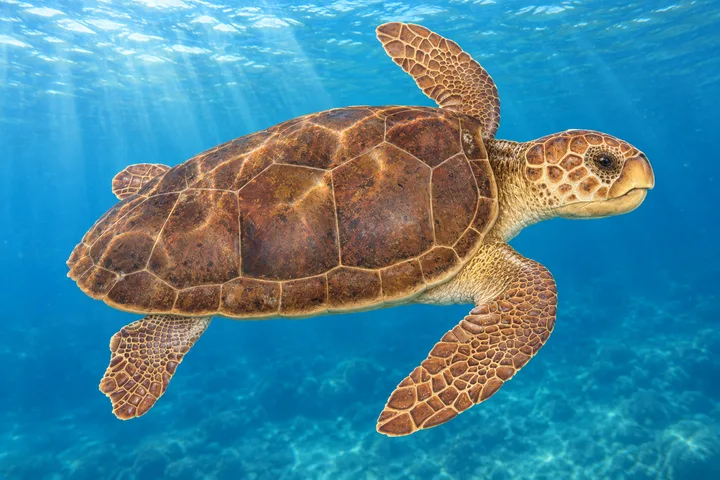
Loggerhead sea turtle (caguama)
Caretta caretta
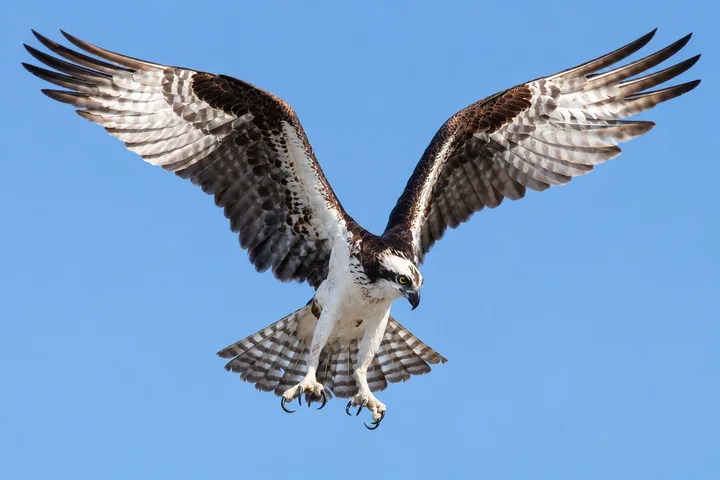
Osprey
Osprey
Pandion haliaetus
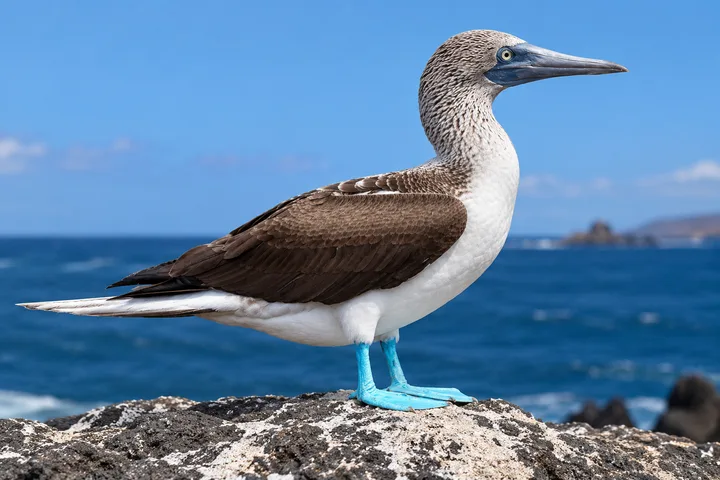
Blue-footed booby
Blue-footed booby
Sula nebouxii
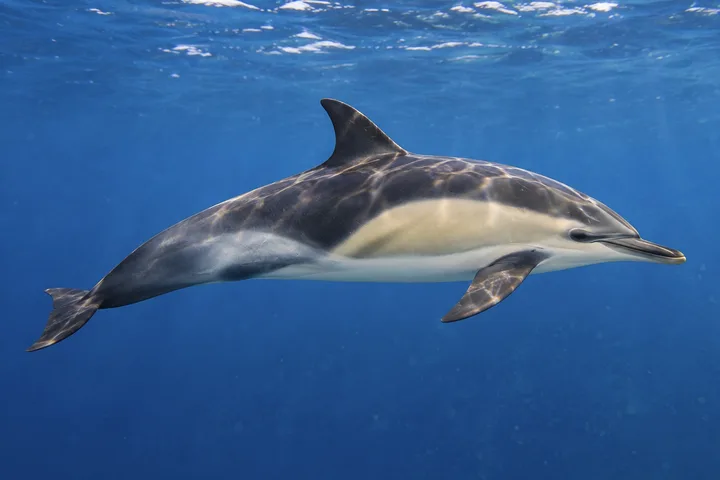
Common dolphin
Common dolphin
Delphinus delphis
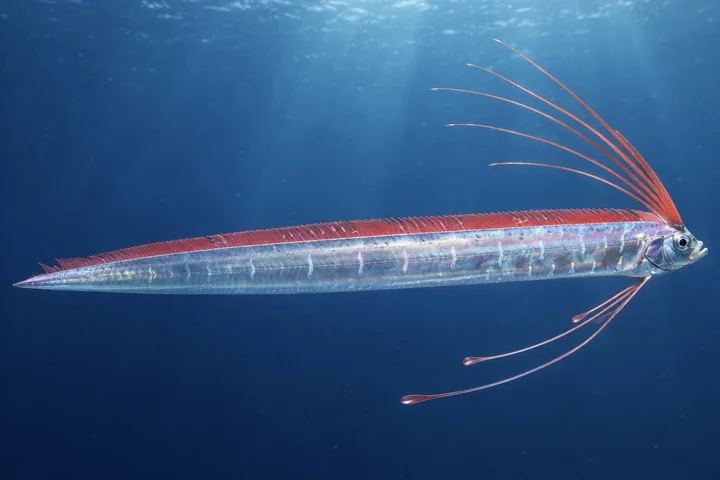
Oarfish
Oarfish
Regalecus russelii
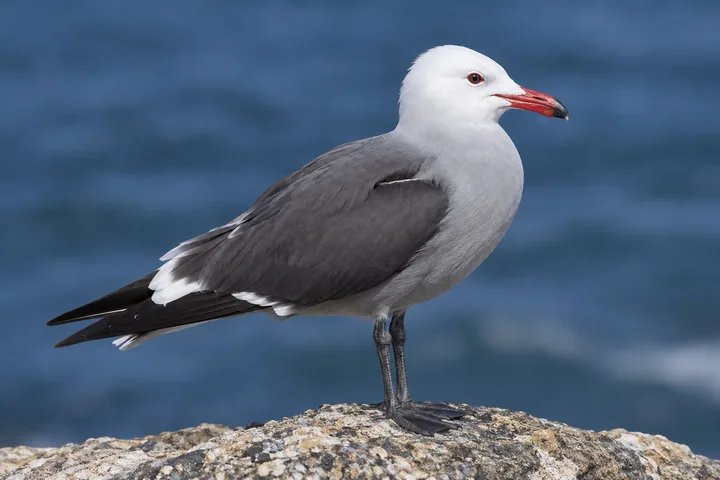
Heermann’s gull
Heermann’s gull
Larus heermanni
Yellow-footed gull
Yellow-footed gull
Larus livens
Sperm whale
Sperm whale
Physeter macrocephalus
Sally Lightfoot crab
Grapsus grapsus
Blue spiny lobster
Blue spiny lobster
Panulirus inflatus
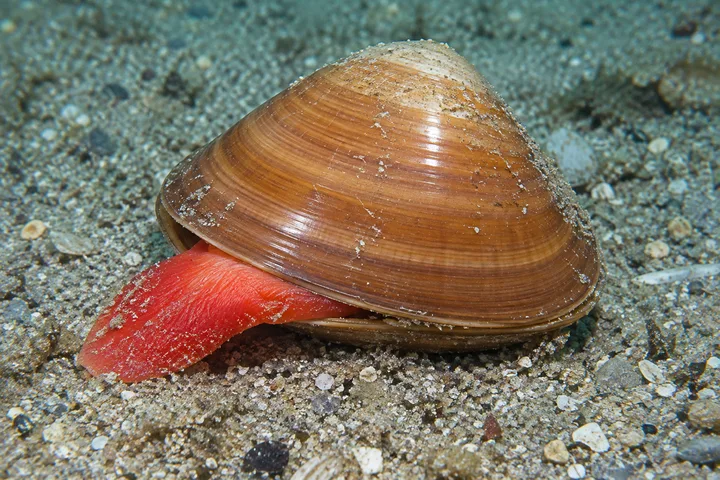
Chocolate clam
Chocolate clam
Megapitaria squalida
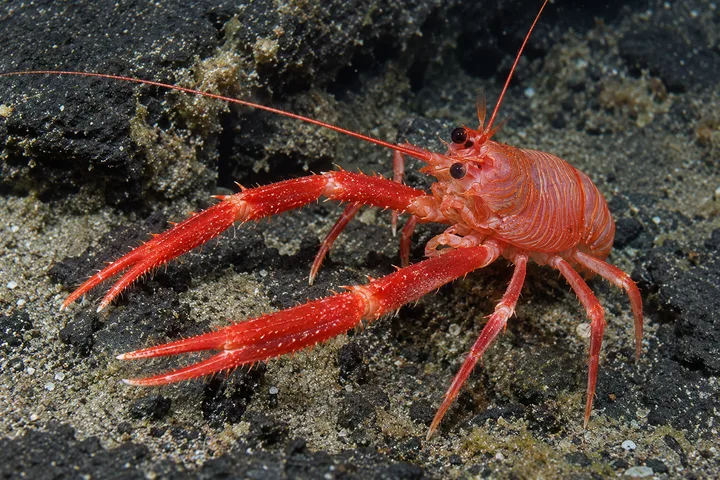
Pelagic red crab
Pelagic red crab
Grimothea planipes
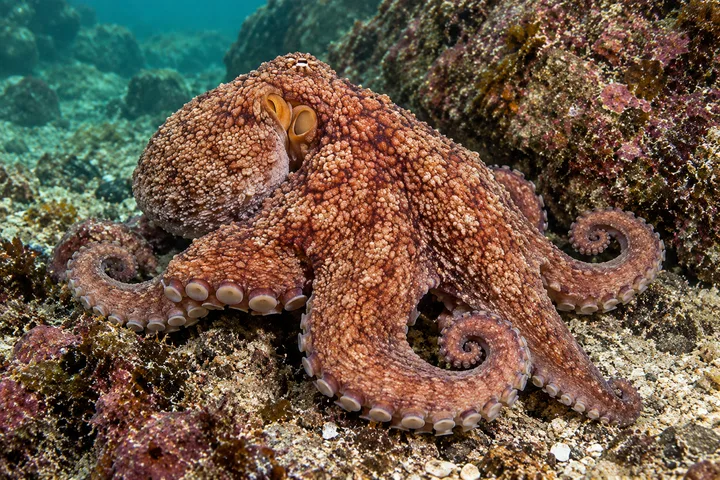
Hubbs’ octopus
Hubbs’ octopus
Octopus hubbsorum
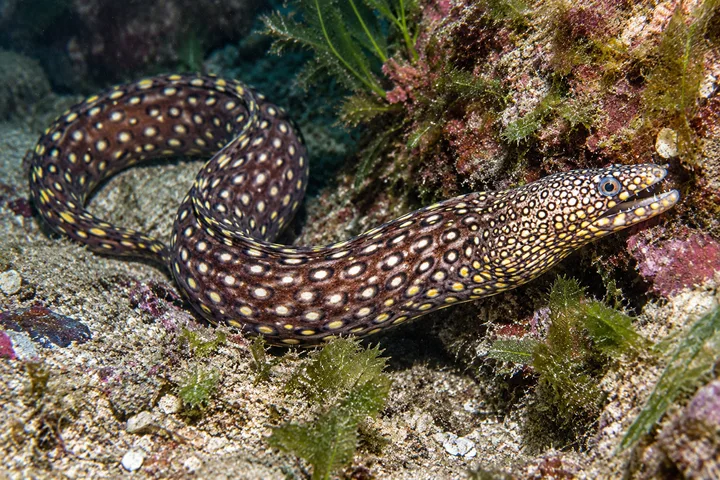
Jewel moray
Jewel moray
Muraena lentiginosa
Panamic green moray
Panamic green moray
Gymnothorax castaneus
Spinner dolphin
Spinner dolphin
Stenella longirostris
Risso’s dolphin
Risso’s dolphin
Grampus griseus
Short-finned pilot whale
Globicephala macrorhynchus
Bigeye tuna
Bigeye tuna
Thunnus obesus
Pelagic thresher
Pelagic thresher
Alopias pelagicus
Blue shark
Blue shark
Prionace glauca
Giant hawkfish
Giant hawkfish
Cirrhitus rivulatus
Pacific bonito
Pacific bonito
Sarda lineolata
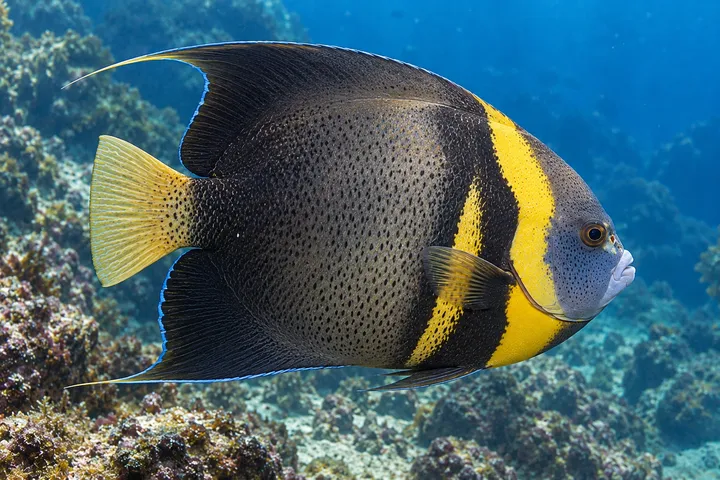
Cortez angelfish
Cortez angelfish
Pomacanthus zonipectus
Talk to the family

Questions? Message the family

The Vargas family answers personally. 7 days a week, 5 AM – 6 PM Cabo time.