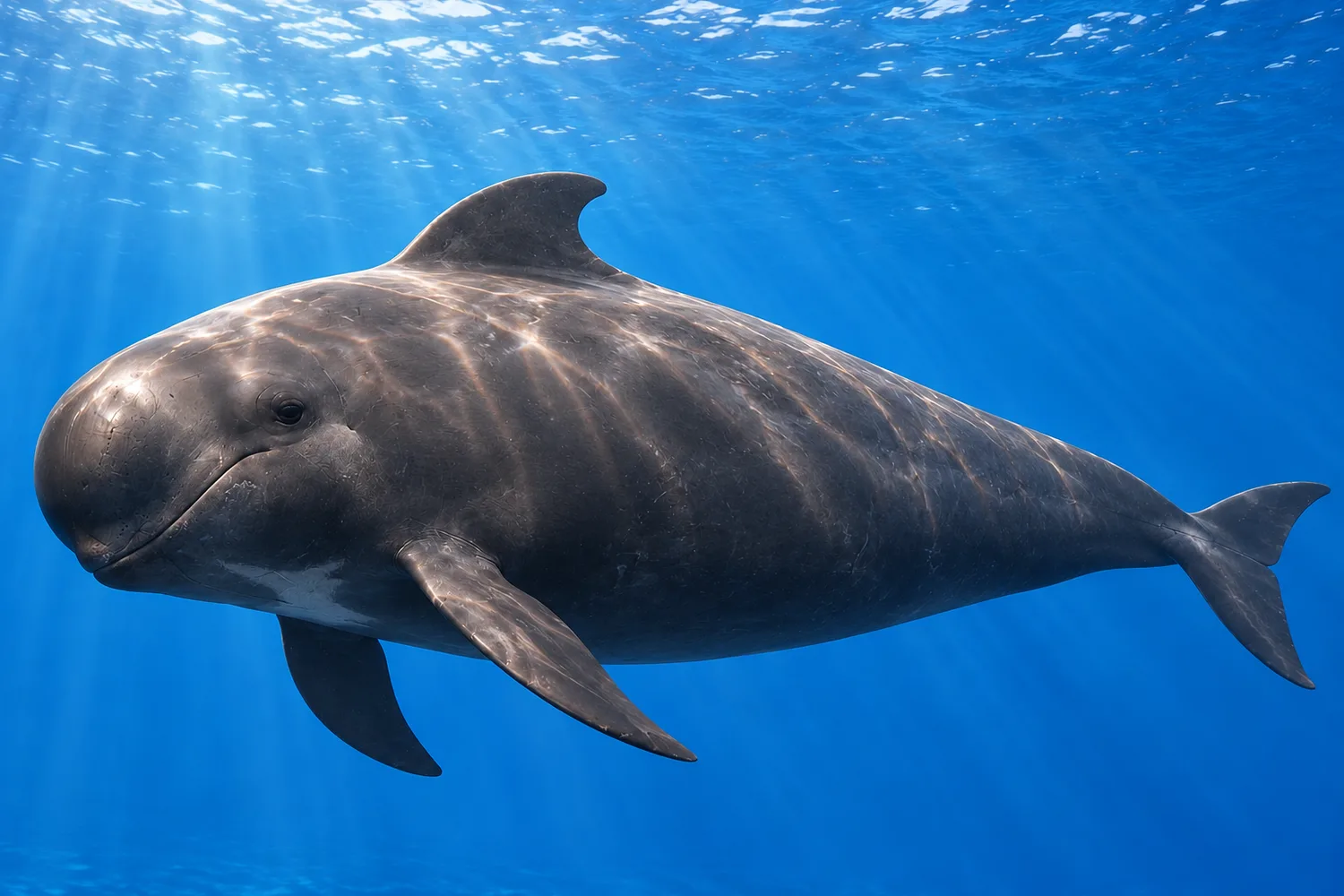
Short-finned pilot whale (Globicephala macrorhynchus), illustration
Protected Globicephala macrorhynchus

Short-finned pilot whale in Los Cabos

Despite the name, the pilot whale is a big dolphin: black, with a round, bulging head and a low, wide dorsal fin. It lives in close family groups and hunts squid hundreds of meters down, and in the Gulf of California its favorite prey is the Humboldt squid.

Up to 7.3 mLength of big males (24 ft)
Up to 3,000 kgWeight (6,600 lb)
9 m/sDeep-sea sprint speed (20 mph)
5–120Group size in a Gulf of California study

When to see them

●● best months · ● regular · · occasional. Based on scientific studies and local reports; it changes year to year.

Tap a month to see everything biting in Cabo that month ›

How to recognize it

A large, black to dark brownish-gray dolphin with a big, bulbous melon and no visible beak. The dorsal fin sits about a third of the way back from the head and is low, broad-based and curved; on adult males it is very large and hooked. Look for a gray saddle behind the fin and a pale, anchor-shaped patch on the chest. Males are much bigger than females, with larger heads.

Biology

Short-finned pilot whales live in tropical and warm temperate oceans worldwide. Two forms are known in the Pacific, and only the larger “Shiho” form, with a rounder melon and a brighter saddle, is found in the Gulf of California and off the Pacific coast of the Baja peninsula; a genetic study has proposed treating the two forms as separate subspecies. They usually travel in groups of 25 to 50, built around related females who stay with their mothers for life, with about one adult male for every eight adult females. Their tight bonds are probably why pilot whales are often involved in mass strandings.

They feed mainly on squid, plus some octopus and fish, hunting at depths of 300 m (1,000 ft) or more. In the Gulf of California, Humboldt (jumbo) squid is a key prey, and the whales seem to follow its seasonal movements. Females can live to about 60 and males to about 45; a female has a calf every 5 to 8 years after a pregnancy of about 15 months.

Things you probably didn't know

01

Cheetahs of the deep sea

Tags on 23 pilot whales off Tenerife, in the Canary Islands, showed them diving to around 1,000 m and sprinting at up to 9 m/s (about 20 mph) to catch large prey, all-or-nothing chases that earned them this nickname.

Source ↗
02

Grandmothers, too

Short-finned pilot whales go through menopause, something known in only a handful of animals, including humans, killer whales and belugas.

Source ↗
03

Nursing for years

Calves nurse for at least 2 years, and a female’s last calf may keep nursing for up to 15 years.

Source ↗
04

Hunting small Humboldt squid

In the Gulf of California, chemical signatures in skin samples from pilot whales showed that some groups were feeding on young Humboldt squid only 1 to 10 cm long (mantle length).

Source ↗
05

Following the squid

A study of 2009–2018 sightings in the Gulf’s Midriff Islands found groups averaging 39 whales (5 to 120) and more encounters in the cold season, probably because the Humboldt squid they eat moves with the seasons.

Source ↗
06

Only the Shiho form here

Off Baja and inside the Gulf of California, only the “Shiho” type of short-finned pilot whale is found, with a rounder head and brighter saddle than the “Naisa” type of the central and western Pacific.

Source ↗

Seeing them from the boat

Pilot whales hunt in deep water, so off Los Cabos they are an occasional offshore sighting rather than an everyday one. Naturalists aboard an expedition ship recorded a group offshore of the East Cape, northeast of San José del Cabo (23°16′N, 109°23′W), traveling in a line, with two big males that came over to look at the ship.

Enjoy them from a distance: slow down, keep a steady course, never cut through or split a group, and don’t approach head-on. Never feed them or get in the water with them, and keep lines and lures clear while they’re around.

Rules & conservation

Mexico (NOM-059)Subject to special protection (Pr)
Ley General de Vida Silvestre, art. 60 BisNo extractive use or possession of any marine mammal, except authorized research and conservation
Whale-watching rules (NOM-131)Do not apply: despite the name “pilot whale”, NOM-131 covers only baleen whales and the sperm whale
CITESAppendix II
IUCN Red ListLeast Concern (2018)

Don't confuse it with

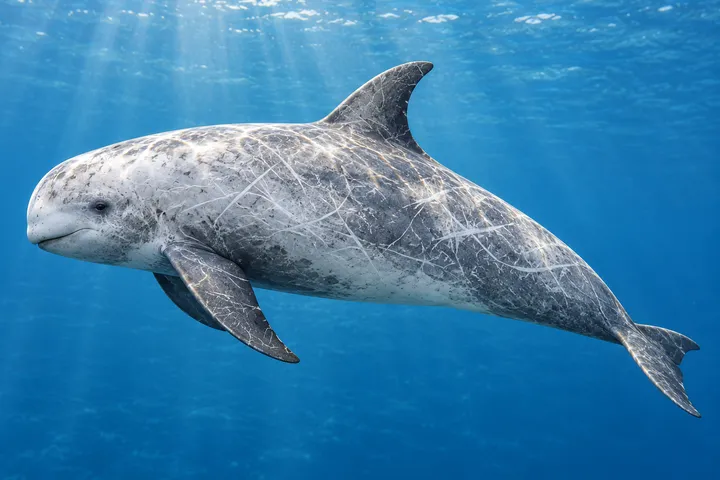
The false killer whale is also dark and beakless, but it is slimmer, with a small, tapered head, a dorsal fin in the middle of the back and a clear bump on the front edge of each flipper. Risso’s dolphin has a blunt head too, but it is pale and covered in scars, with a tall, sickle-shaped fin in the middle of the back.

Questions

Can you see pilot whales in Cabo San Lucas?

Sometimes. They live over deep water, and naturalists have recorded them offshore northeast of San José del Cabo.

Is a pilot whale a whale or a dolphin?

It’s a dolphin: it belongs to the dolphin family, Delphinidae, like the orca. “Whale” is just part of its common name.

Are pilot whales endangered?

Globally they are Least Concern on the IUCN Red List, but in Mexico they are subject to special protection (Pr) under NOM-059, and no marine mammal may be captured or kept.

By Max VargasTop Anglers, Cabo San Lucas · international judge at big game fishing world championships · reviewed October 2026

Sources

Top illustration: Top Anglers. Photos: iNaturalist contributors, credited on each photo.

See Cabo from the water

Our charters leave the Cabo San Lucas marina every morning. From $799 with license included.
More species

Pacific sierra
Pacific sierra
Scomberomorus sierra
California yellowtail
Seriola dorsalis
Pacific crevalle jack
Caranx caninus
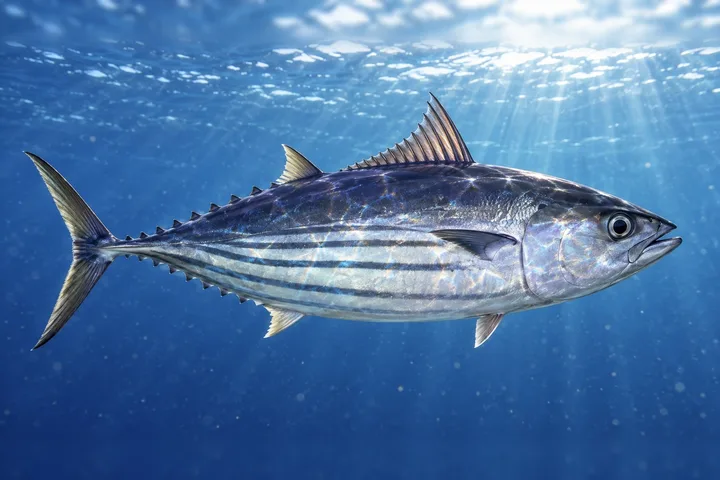
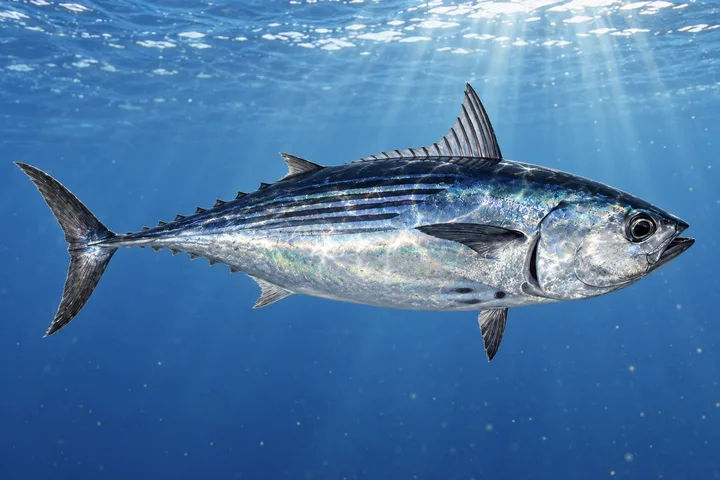
Skipjack tuna
Skipjack tuna
Katsuwonus pelamis
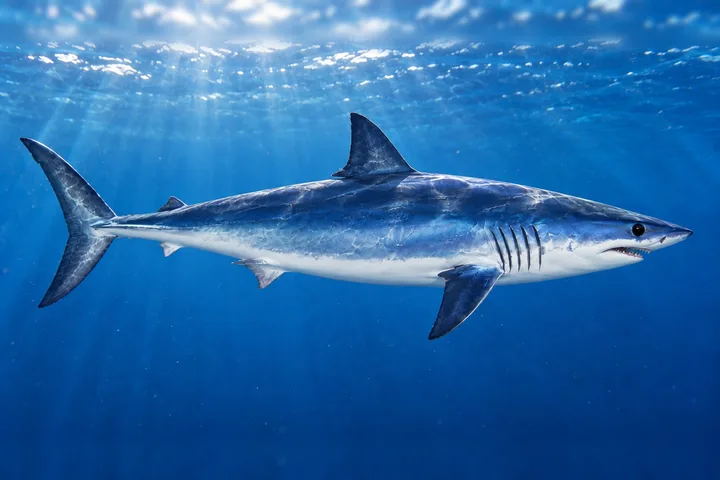
Shortfin mako
Shortfin mako
Isurus oxyrinchus
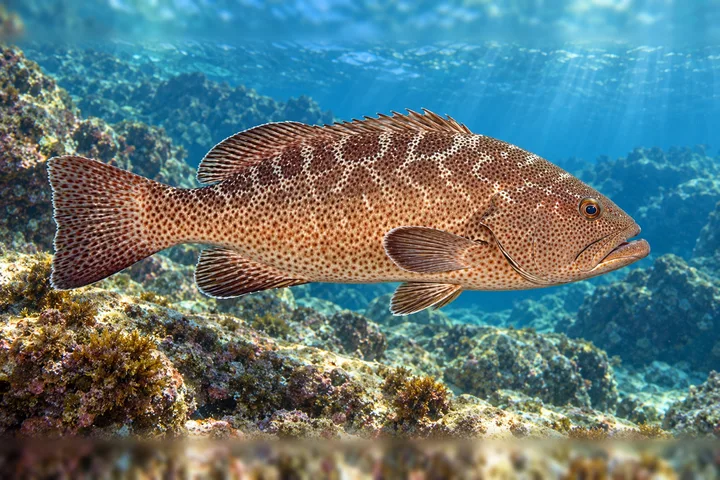
Leopard grouper
Leopard grouper
Mycteroperca rosacea
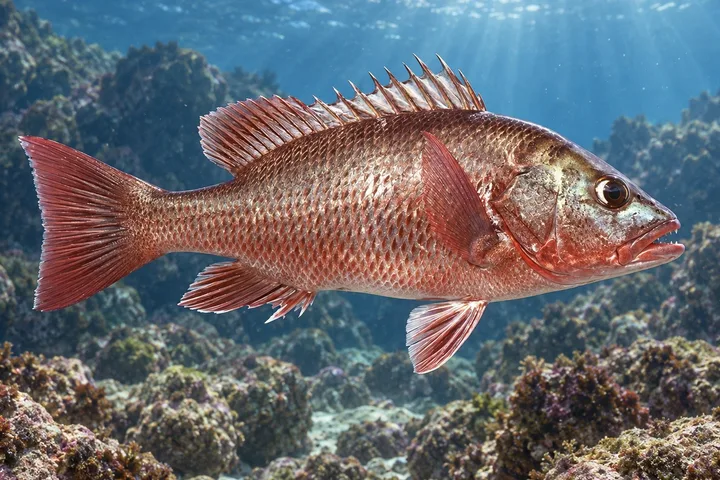
Colorado snapper
Colorado snapper
Lutjanus colorado
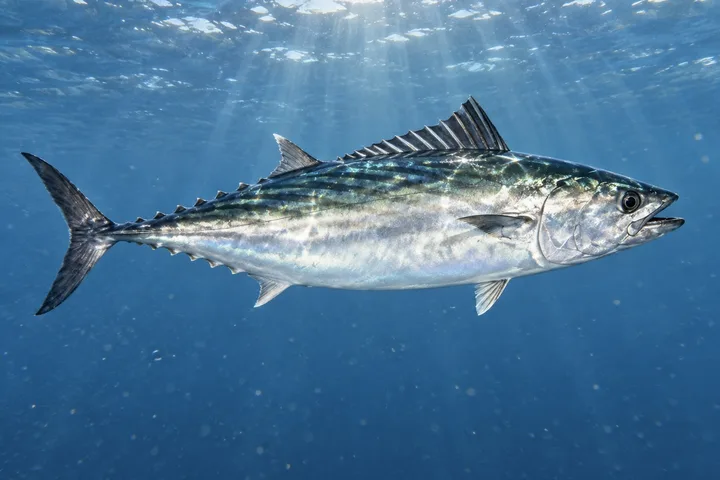
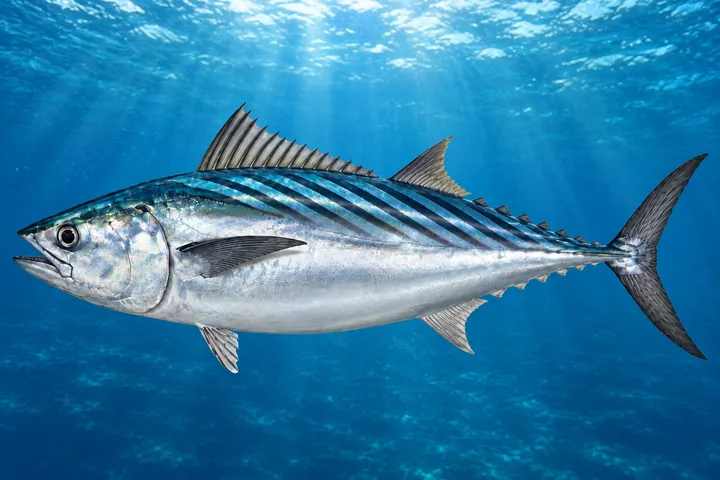
Striped bonito
Striped bonito
Sarda orientalis
Black skipjack
Black skipjack
Euthynnus lineatus
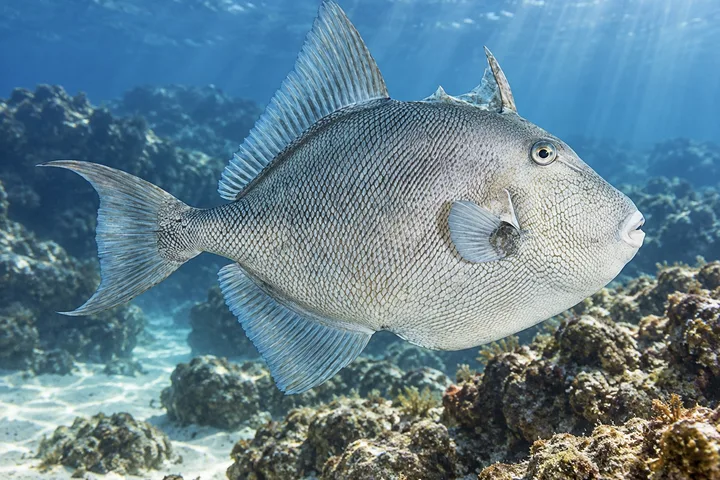
Finescale triggerfish
Balistes polylepis
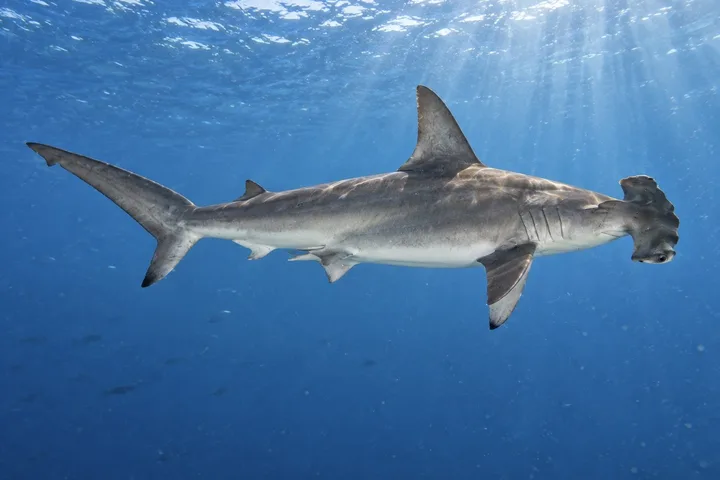
Scalloped hammerhead
Sphyrna lewini
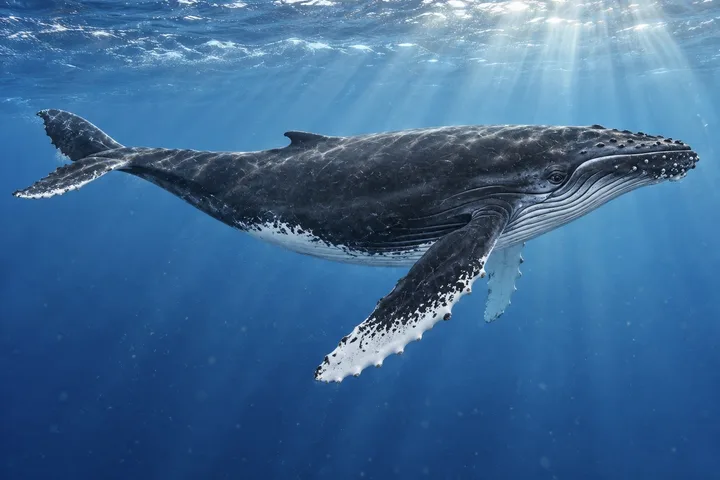
Humpback whale
Humpback whale
Megaptera novaeangliae
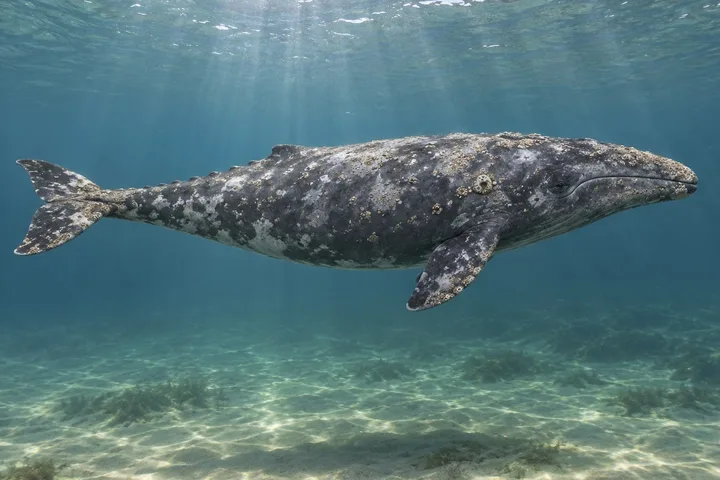
Gray whale
Gray whale
Eschrichtius robustus
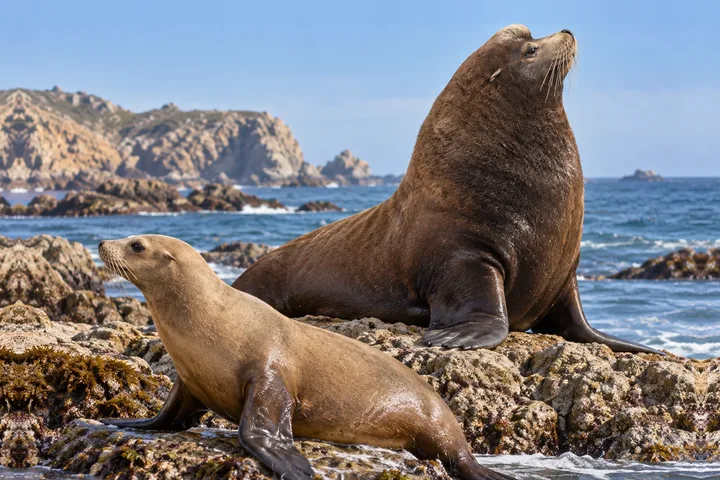
California sea lion
California sea lion
Zalophus californianus
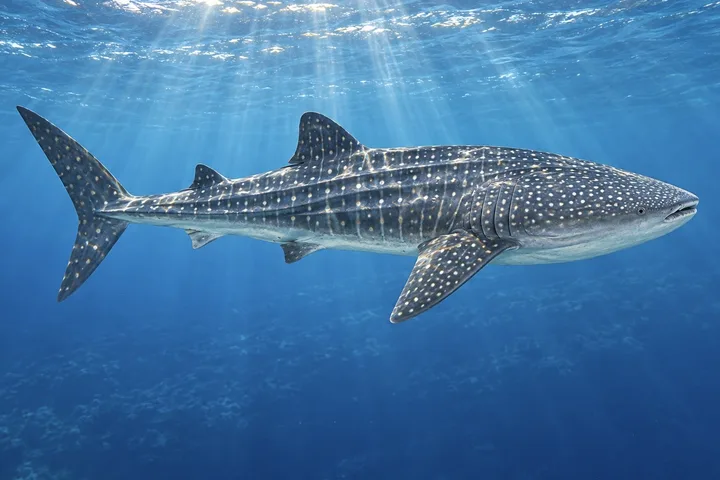
Whale shark
Whale shark
Rhincodon typus
Olive ridley sea turtle
Lepidochelys olivacea
Bottlenose dolphin
Bottlenose dolphin
Tursiops truncatus
Munk's devil ray (mobula)
Mobula munkiana
Swordfish
Swordfish
Xiphias gladius
Almaco jack
Almaco jack
Seriola rivoliana
Bigeye trevally
Bigeye trevally
Caranx sexfasciatus
Spotted cabrilla
Spotted cabrilla
Epinephelus analogus
Pacific dog snapper
Pacific dog snapper
Lutjanus novemfasciatus
Barred pargo
Barred pargo
Hoplopagrus guentherii
Blue whale
Blue whale
Balaenoptera musculus
Green sea turtle (black turtle)
Chelonia mydas
Leatherback sea turtle
Dermochelys coriacea
Rainbow runner
Rainbow runner
Elagatis bipinnulata
Gulf grouper
Gulf grouper
Mycteroperca jordani
Yellow snapper
Yellow snapper
Lutjanus argentiventris
Pacific white snook
Pacific white snook
Centropomus viridis
Mexican barracuda
Mexican barracuda
Sphyraena ensis
Silky shark
Silky shark
Carcharhinus falciformis
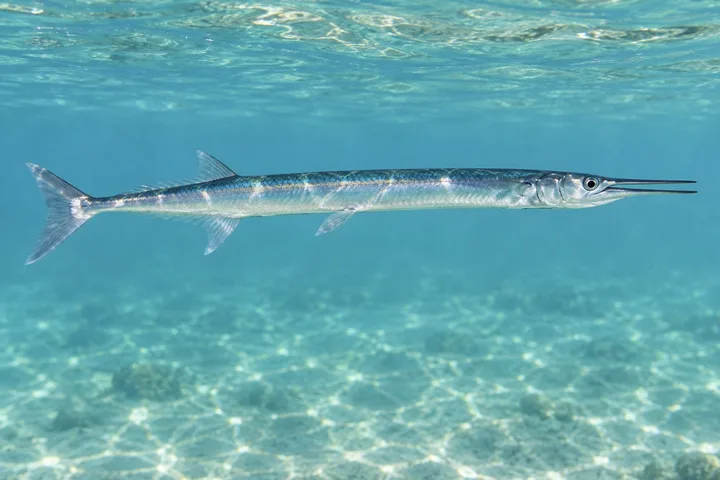
Mexican needlefish
Mexican needlefish
Tylosurus fodiator
Humboldt squid
Humboldt squid
Dosidicus gigas
Giant manta ray
Giant manta ray
Mobula birostris
Fin whale
Fin whale
Balaenoptera physalus
Orca (killer whale)
Orca (killer whale)
Orcinus orca
Hawksbill sea turtle (carey)
Eretmochelys imbricata
Brown pelican
Brown pelican
Pelecanus occidentalis
Magnificent frigatebird
Fregata magnificens
Shortbill spearfish
Shortbill spearfish
Tetrapturus angustirostris
Loggerhead sea turtle (caguama)
Caretta caretta
Osprey
Osprey
Pandion haliaetus
Blue-footed booby
Blue-footed booby
Sula nebouxii
Common dolphin
Common dolphin
Delphinus delphis
Oarfish
Oarfish
Regalecus russelii
Heermann’s gull
Heermann’s gull
Larus heermanni
Yellow-footed gull
Yellow-footed gull
Larus livens
Ocean sunfish
Ocean sunfish
Mola mola
Sperm whale
Sperm whale
Physeter macrocephalus
Sally Lightfoot crab
Grapsus grapsus
Blue spiny lobster
Blue spiny lobster
Panulirus inflatus
Chocolate clam
Chocolate clam
Megapitaria squalida
Pelagic red crab
Pelagic red crab
Grimothea planipes
Hubbs’ octopus
Hubbs’ octopus
Octopus hubbsorum
Jewel moray
Jewel moray
Muraena lentiginosa
Panamic green moray
Panamic green moray
Gymnothorax castaneus
Spinner dolphin
Spinner dolphin
Stenella longirostris
Risso’s dolphin
Risso’s dolphin
Grampus griseus
Bigeye tuna
Bigeye tuna
Thunnus obesus
Pelagic thresher
Pelagic thresher
Alopias pelagicus
Blue shark
Blue shark
Prionace glauca
Giant hawkfish
Giant hawkfish
Cirrhitus rivulatus
Pacific bonito
Pacific bonito
Sarda lineolata
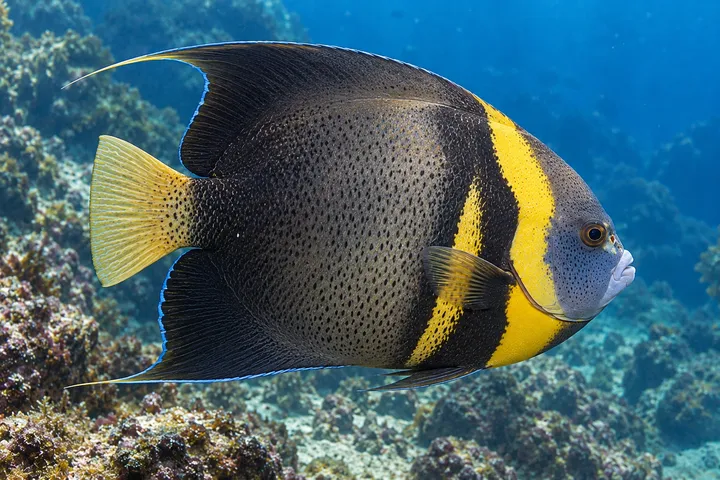
Cortez angelfish
Cortez angelfish
Pomacanthus zonipectus
Talk to the family

Questions? Message the family

The Vargas family answers personally. 7 days a week, 5 AM – 6 PM Cabo time.