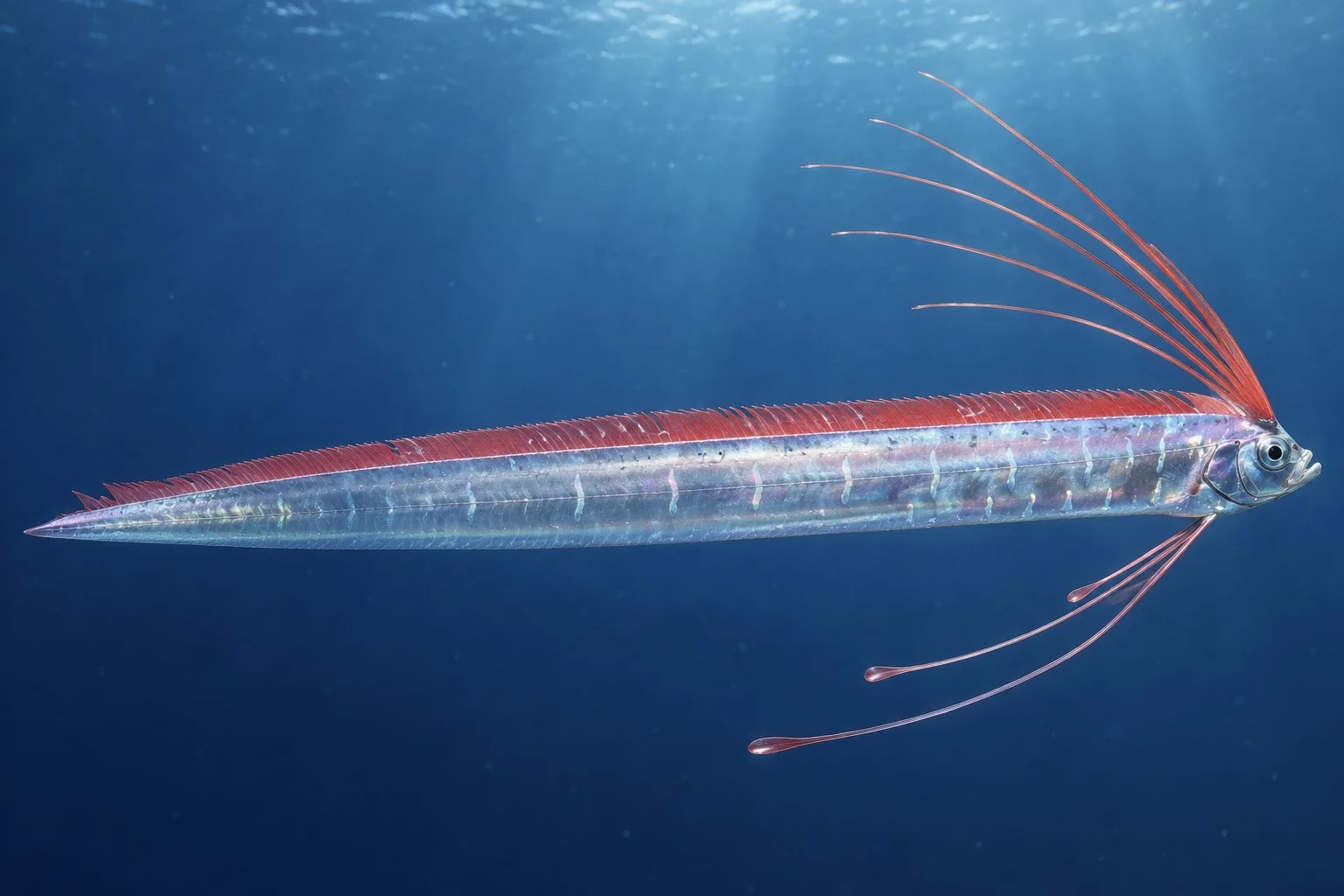
Oarfish (Regalecus russelii), illustration
Wildlife Regalecus russelii(syn. R. kinoi)

Oarfish in Los Cabos

A silver ribbon several meters long with a red crest on its head, the oarfish lives in the open ocean, far below the surface, and is almost only seen when a sick or dying one drifts to shore. Baja California Sur has a surprising number of records, starting with a 4.7 m fish that showed up at a La Paz hotel beach in 1988.

up to ~8 mLongest documented specimens
4.7 m, 70–80 kgLa Paz Bay specimen, 1988
18 daysEgg to hatching (lab study, Japan)
20Strandings recorded in California, 1901–2024

When to see them

●● best months · ● regular · · occasional. Based on scientific studies and local reports; it changes year to year.

Tap a month to see everything biting in Cabo that month ›

How to recognize it

Unmistakable: a long, flat, scaleless, ribbon-like silver body with dark streaks and spots, and a bright red dorsal fin running the full length of the back. On the head the dorsal fin rises into a crest of long red rays; each pelvic fin is a single, very long ray ending in a paddle-like tip, the “oar” of its name. The mouth is small, toothless and can shoot forward. Large adults have no tail fin: the body ends in a healed stump.

Biology

Oarfish are open-ocean fishes that live well below the surface and come near shore only rarely. The taxonomy is still unsettled: a 2012 revision recognized two species, Regalecus glesne and R. russelii, and FishBase lists R. russelii for the Pacific, including Baja California, while Mexican researchers have reported the 2021 La Paz specimen as R. glesne. The first oarfish recorded in Mexican waters came from the Gulf of California in 1985, and several more have been found on the beaches of La Paz Bay since.

They are often seen hanging vertically, head up, with the crest rays raised and the pelvic rays spread out; researchers think this posture helps them spot the silhouettes of prey against the light from above. They eat krill, small fish and squid, sucking in water with their toothless, protrusible jaws and straining it through long gill rakers. They spawn in open water with no parental care, and larvae have been found near the surface. Oarfish carry parasites whose adult stages live in large sharks and sperm whales, a sign that these predators eat them.

Things you probably didn't know

01

“Messenger from the Sea God’s Palace”

Japanese folklore says oarfish come ashore before earthquakes. Seismologists from Tokai University compared 336 deep-sea fish appearances with 221 earthquakes of magnitude 6 or more in Japan between 1928 and 2011 and found only one event that could plausibly be linked.

Source ↗
02

A “new species” from a La Paz hotel beach

On the night of May 28, 1988, sportfishing crews at a hotel in La Paz Bay lassoed a dying 4.7 m, 70–80 kg oarfish as it reached the beach. Scientists at CIBNOR described it as a new species, Regalecus kinoi; it is now considered the same species as R. russelii.

Source ↗
03

It drops its own tail

Oarfish amputate the rear of their body, sometimes several times in their life, without damaging any vital organs. The lost part never grows back, so every oarfish longer than about 1.5 m ends in a healed stump.

Source ↗
04

Eaten from the inside

On Isla Santa Catalana, in the Gulf of California, researchers recorded a Panamic green moray feeding on an oarfish by entering through its mouth and eating it from within, the first predation of this oarfish by a moray ever documented.

Source ↗
05

Eighteen days to hatch

In 2020, Japanese researchers fertilized eggs from a pair of recently dead mature oarfish. The eggs needed 18 days at 20.5–22.5 °C to hatch; the larvae swam head-down using their pectoral fins and lived four days.

Source ↗
06

Rare even where people look

An oarfish found at La Jolla Cove, California, in August 2024 was only the 20th documented washing ashore in California since 1901. It was a 3.7 m adult male weighing 33.7 kg.

Source ↗

Seeing them from the boat

Oarfish are not a sport fish, and charter crews almost never see one offshore. Most local encounters are strandings or weak fish swimming at the edge of the beach. News reports from 2025 described a small live oarfish at Playa El Quemado, Baja California Sur, in February, another at Balandra near La Paz in May, and two injured specimens of about 3.7 m in August that died soon after being found. Scientists note that oarfish seen at the surface are usually sick, dying or disoriented.

If you find one, take photos with something for scale, note the place, date and length, and contact local researchers in La Paz, who have studied several of these specimens. Oarfish are harmless and toothless, but don’t drag a live one by its fins, which are fragile. Don’t eat it: the flesh is considered tasteless, and one stranded in La Paz Bay carried dozens of tapeworm larvae.

Rules & conservation

Mexico (NOM-059)Not listed (2019 update)
Sport fishingNot a sport species; no specific bag limit, size limit or closed season
Commercial fisheriesOf no interest
StrandingsNo specific protocol; specimens from BCS have gone to researchers at CIBNOR, CICIMAR-IPN and UABCS
IUCN Red ListLeast Concern (assessed 2014)

Oarfish strandings in Baja often go viral with earthquake warnings. A 2019 study of 82 years of Japanese records found no reliable link.

Don't confuse it with

Ribbonfishes (Trachipterus) are also silver, flat and red-finned, but much shorter, with a fan-shaped tail fin that points upward. Cutlassfish are silver ribbons too, but they have big fangs and no red crest. The two oarfish species differ in the crest: R. russelii has a single long, ornamented ray behind the first group, R. glesne has 5 to 11.

Questions

Do oarfish predict earthquakes?

No. A 2019 study of 336 deep-sea fish appearances and 221 strong earthquakes in Japan from 1928 to 2011 found only one event that could plausibly be linked.

Are there oarfish in Los Cabos?

They live in the open Pacific and the Gulf of California, and Baja California Sur has documented strandings, mostly around La Paz. Sightings anywhere in the region are rare.

Can you eat oarfish?

It isn’t fished in Mexico, its flesh is considered tasteless, and one stranded in La Paz carried dozens of tapeworm larvae. Leave it for the scientists.

By Max VargasTop Anglers, Cabo San Lucas · international judge at big game fishing world championships · reviewed October 2026

Sources

Top illustration: Top Anglers. Photos: iNaturalist contributors, credited on each photo.

See Cabo from the water

Our charters leave the Cabo San Lucas marina every morning. From $799 with license included.
More species

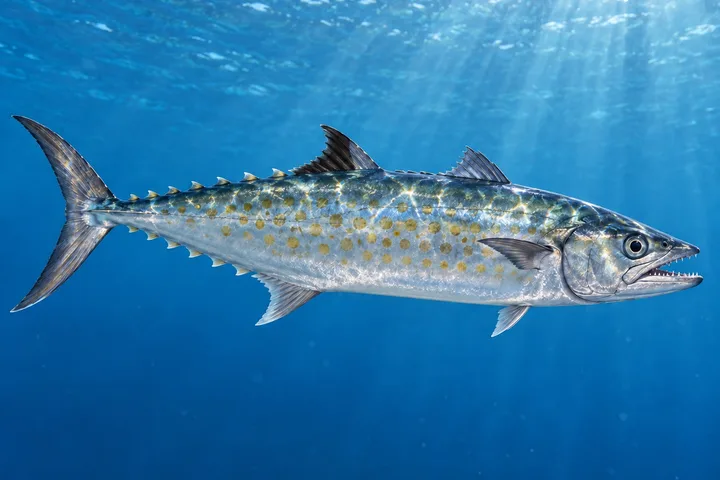
Pacific sierra
Pacific sierra
Scomberomorus sierra
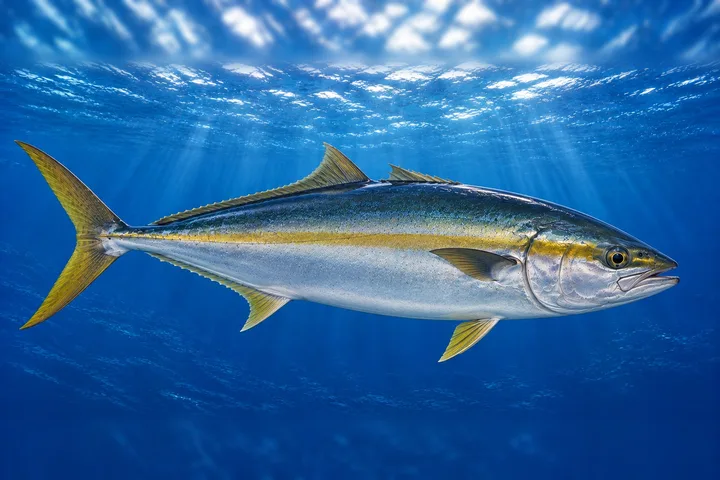
California yellowtail
Seriola dorsalis
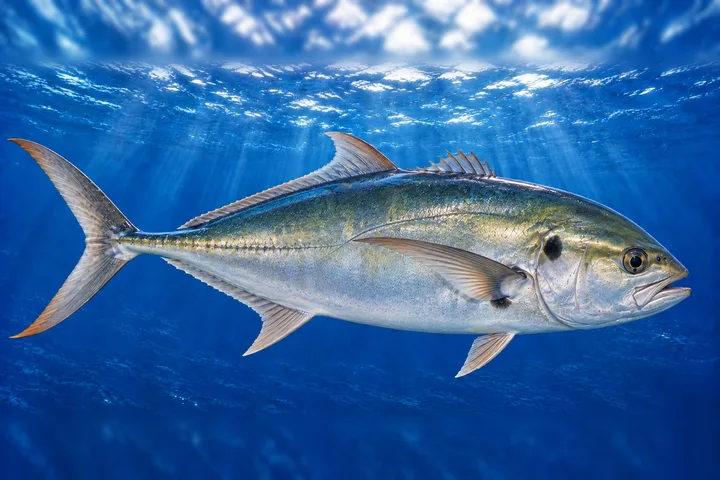
Pacific crevalle jack
Caranx caninus
Skipjack tuna
Skipjack tuna
Katsuwonus pelamis
Shortfin mako
Shortfin mako
Isurus oxyrinchus
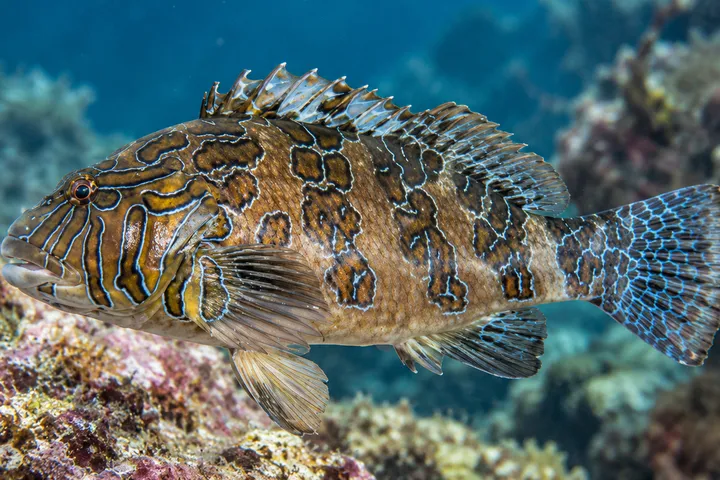
Leopard grouper
Leopard grouper
Mycteroperca rosacea
Colorado snapper
Colorado snapper
Lutjanus colorado
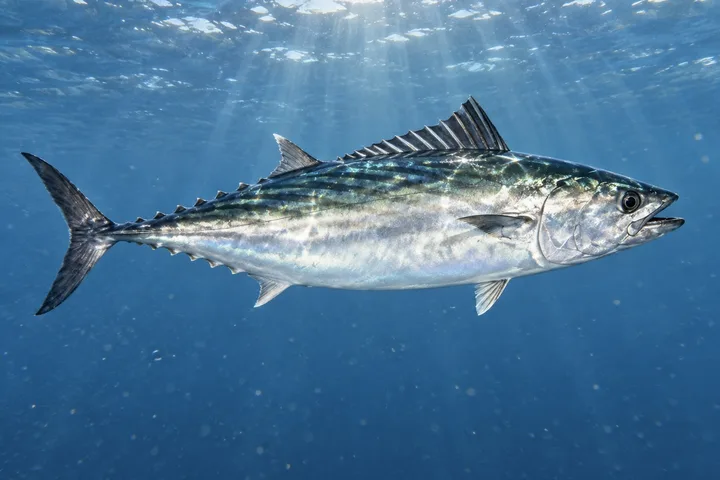
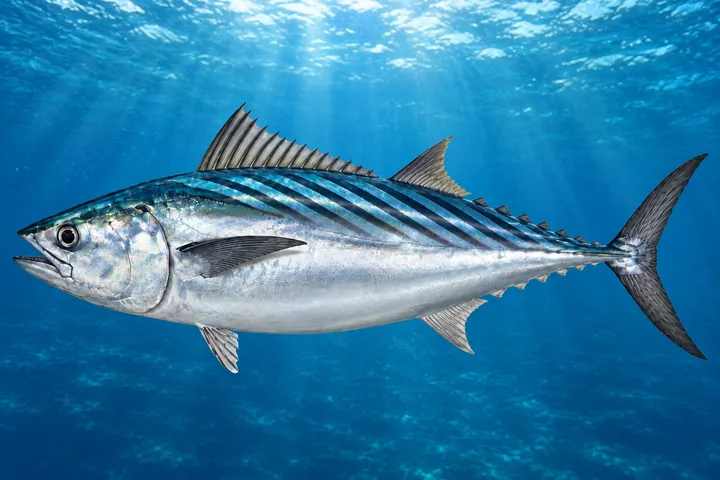
Striped bonito
Striped bonito
Sarda orientalis
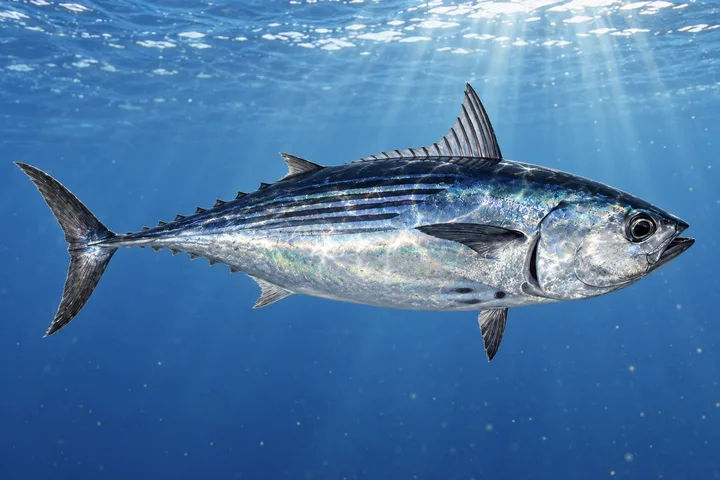
Black skipjack
Black skipjack
Euthynnus lineatus
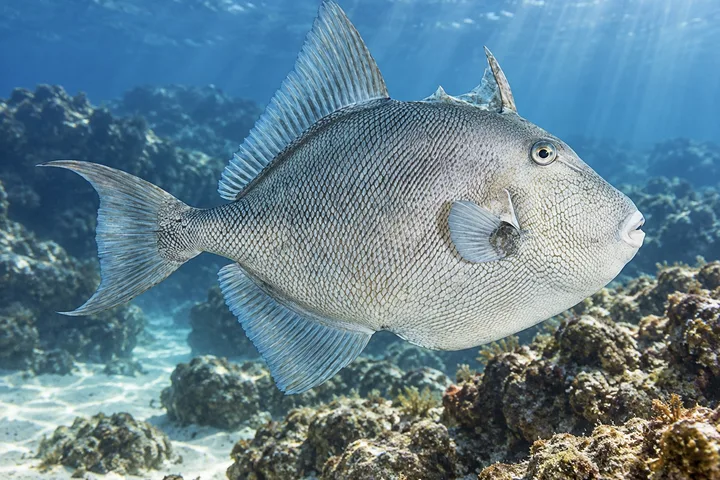
Finescale triggerfish
Balistes polylepis
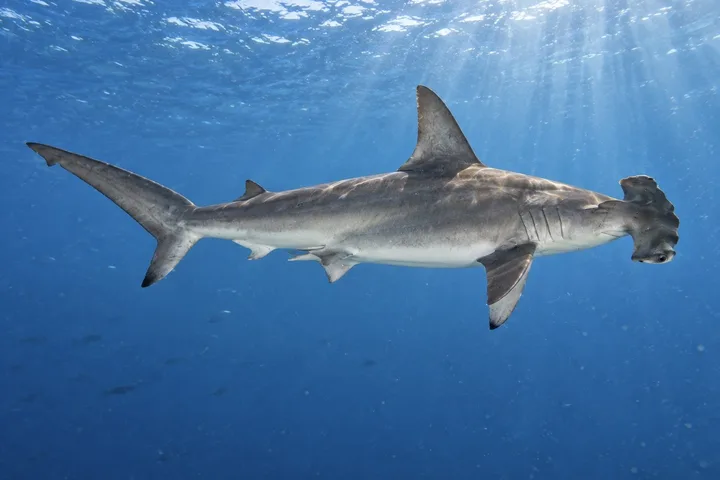
Scalloped hammerhead
Sphyrna lewini
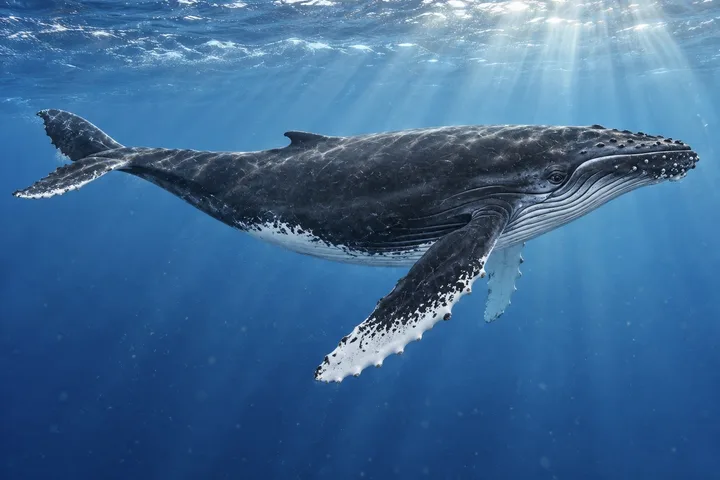
Humpback whale
Humpback whale
Megaptera novaeangliae
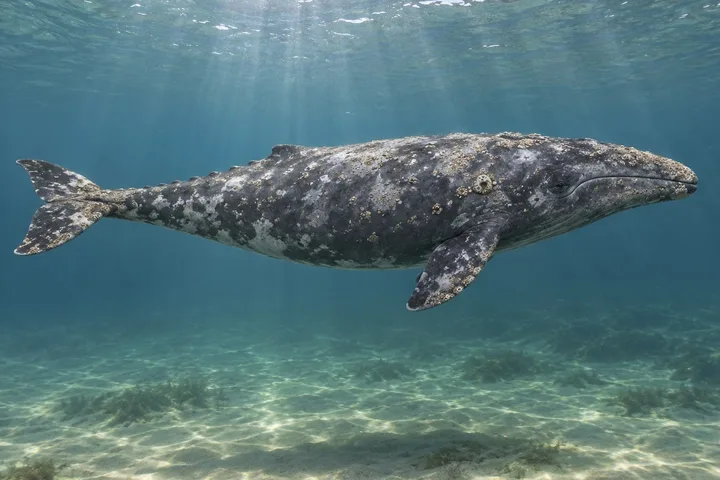
Gray whale
Gray whale
Eschrichtius robustus
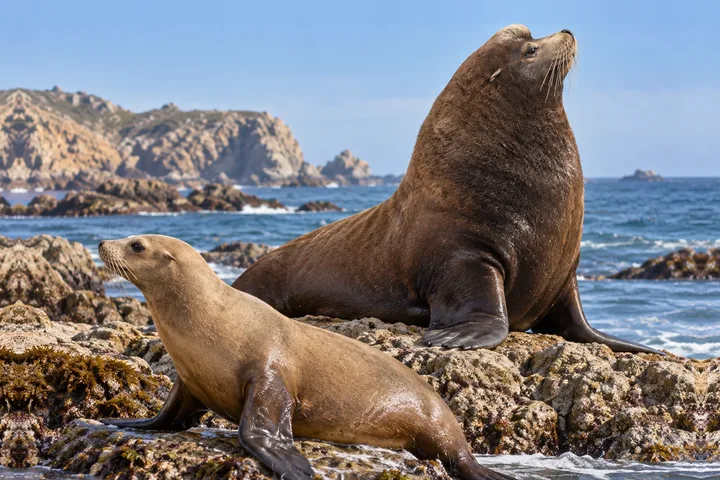
California sea lion
California sea lion
Zalophus californianus
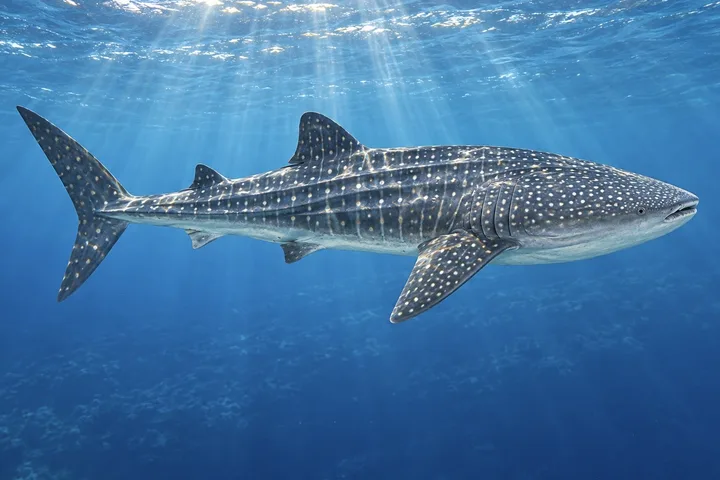
Whale shark
Whale shark
Rhincodon typus
Olive ridley sea turtle
Lepidochelys olivacea
Bottlenose dolphin
Bottlenose dolphin
Tursiops truncatus
Munk's devil ray (mobula)
Mobula munkiana
Swordfish
Swordfish
Xiphias gladius
Almaco jack
Almaco jack
Seriola rivoliana
Bigeye trevally
Bigeye trevally
Caranx sexfasciatus
Spotted cabrilla
Spotted cabrilla
Epinephelus analogus
Pacific dog snapper
Pacific dog snapper
Lutjanus novemfasciatus
Barred pargo
Barred pargo
Hoplopagrus guentherii
Blue whale
Blue whale
Balaenoptera musculus
Green sea turtle (black turtle)
Chelonia mydas
Leatherback sea turtle
Dermochelys coriacea
Rainbow runner
Rainbow runner
Elagatis bipinnulata
Gulf grouper
Gulf grouper
Mycteroperca jordani
Yellow snapper
Yellow snapper
Lutjanus argentiventris
Pacific white snook
Pacific white snook
Centropomus viridis
Mexican barracuda
Mexican barracuda
Sphyraena ensis
Silky shark
Silky shark
Carcharhinus falciformis
Mexican needlefish
Mexican needlefish
Tylosurus fodiator
Humboldt squid
Humboldt squid
Dosidicus gigas
Giant manta ray
Giant manta ray
Mobula birostris
Fin whale
Fin whale
Balaenoptera physalus
Orca (killer whale)
Orca (killer whale)
Orcinus orca
Hawksbill sea turtle (carey)
Eretmochelys imbricata
Brown pelican
Brown pelican
Pelecanus occidentalis
Magnificent frigatebird
Fregata magnificens
Shortbill spearfish
Shortbill spearfish
Tetrapturus angustirostris
Loggerhead sea turtle (caguama)
Caretta caretta
Osprey
Osprey
Pandion haliaetus
Blue-footed booby
Blue-footed booby
Sula nebouxii
Common dolphin
Common dolphin
Delphinus delphis
Heermann’s gull
Heermann’s gull
Larus heermanni
Yellow-footed gull
Yellow-footed gull
Larus livens
Ocean sunfish
Ocean sunfish
Mola mola
Sperm whale
Sperm whale
Physeter macrocephalus
Sally Lightfoot crab
Grapsus grapsus
Blue spiny lobster
Blue spiny lobster
Panulirus inflatus
Chocolate clam
Chocolate clam
Megapitaria squalida
Pelagic red crab
Pelagic red crab
Grimothea planipes
Hubbs’ octopus
Hubbs’ octopus
Octopus hubbsorum
Jewel moray
Jewel moray
Muraena lentiginosa
Panamic green moray
Panamic green moray
Gymnothorax castaneus
Spinner dolphin
Spinner dolphin
Stenella longirostris
Risso’s dolphin
Risso’s dolphin
Grampus griseus
Short-finned pilot whale
Globicephala macrorhynchus
Bigeye tuna
Bigeye tuna
Thunnus obesus
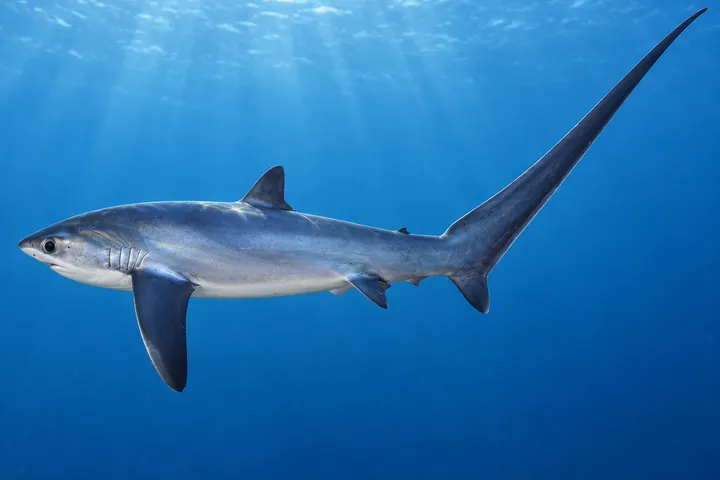
Pelagic thresher
Pelagic thresher
Alopias pelagicus
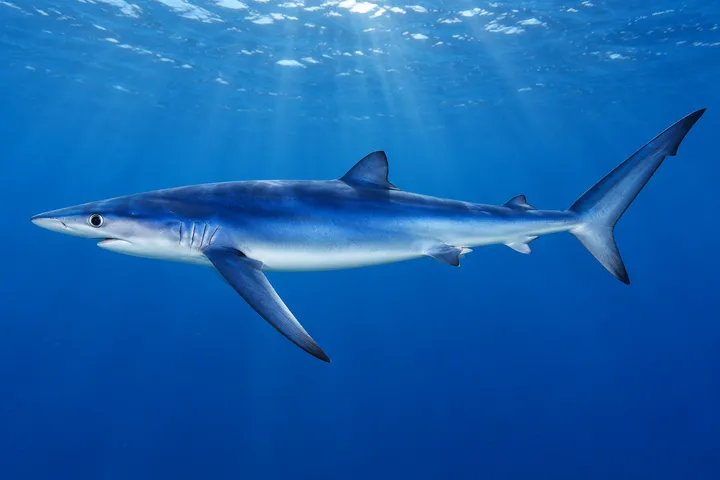
Blue shark
Blue shark
Prionace glauca
Giant hawkfish
Giant hawkfish
Cirrhitus rivulatus
Pacific bonito
Pacific bonito
Sarda lineolata
Cortez angelfish
Cortez angelfish
Pomacanthus zonipectus
Talk to the family

Questions? Message the family

The Vargas family answers personally. 7 days a week, 5 AM – 6 PM Cabo time.