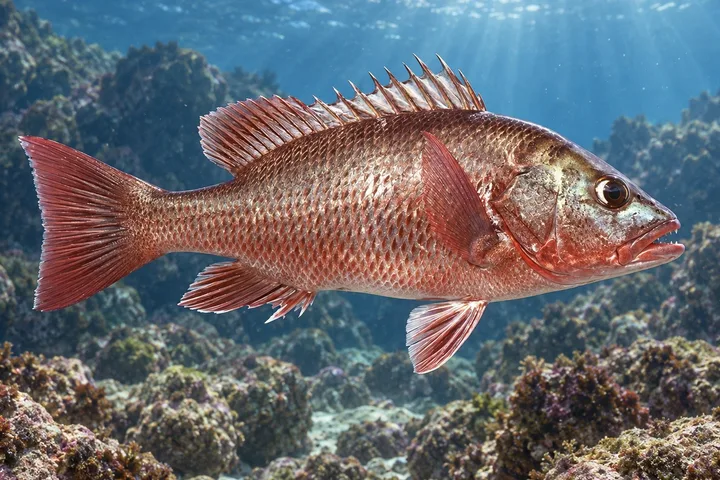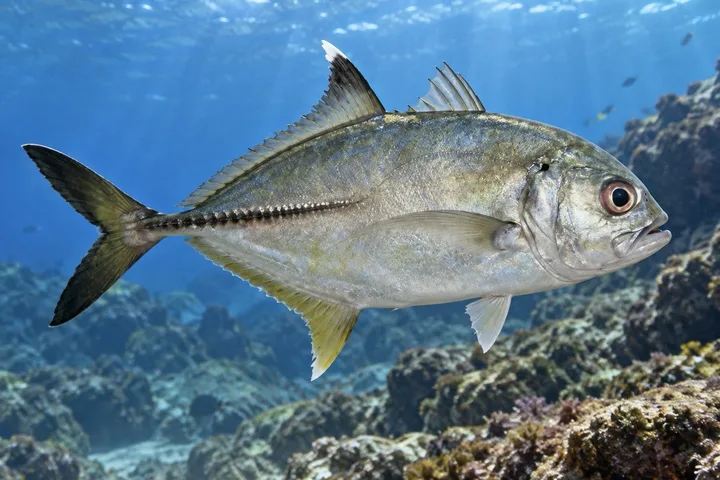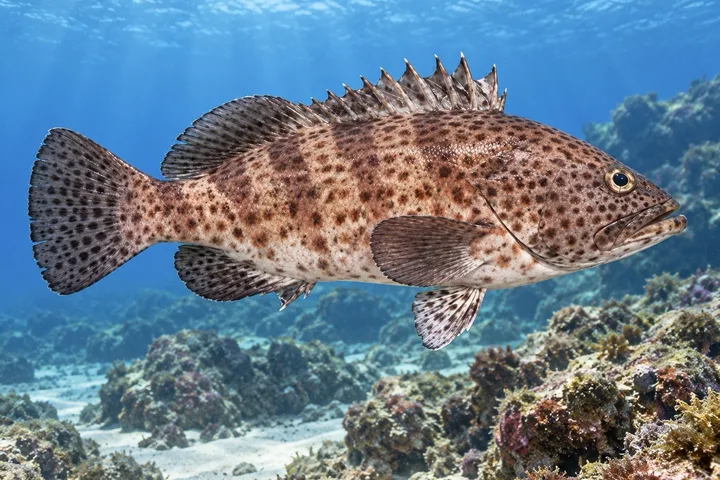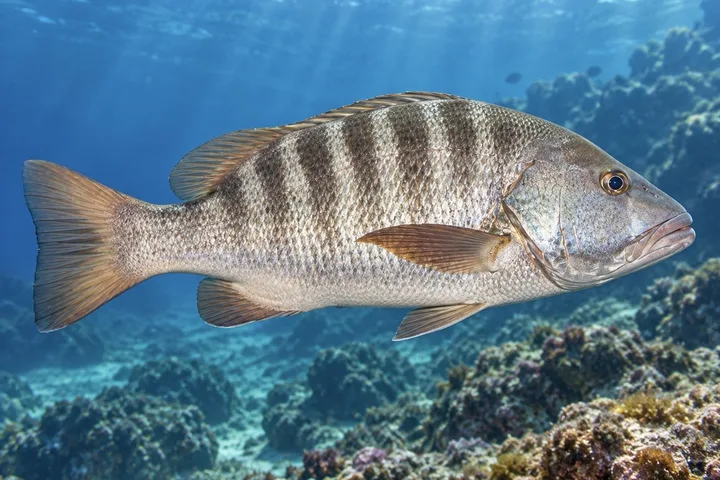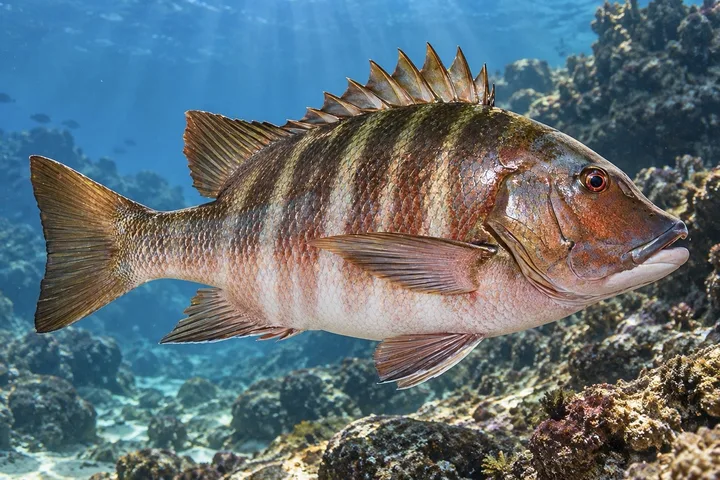
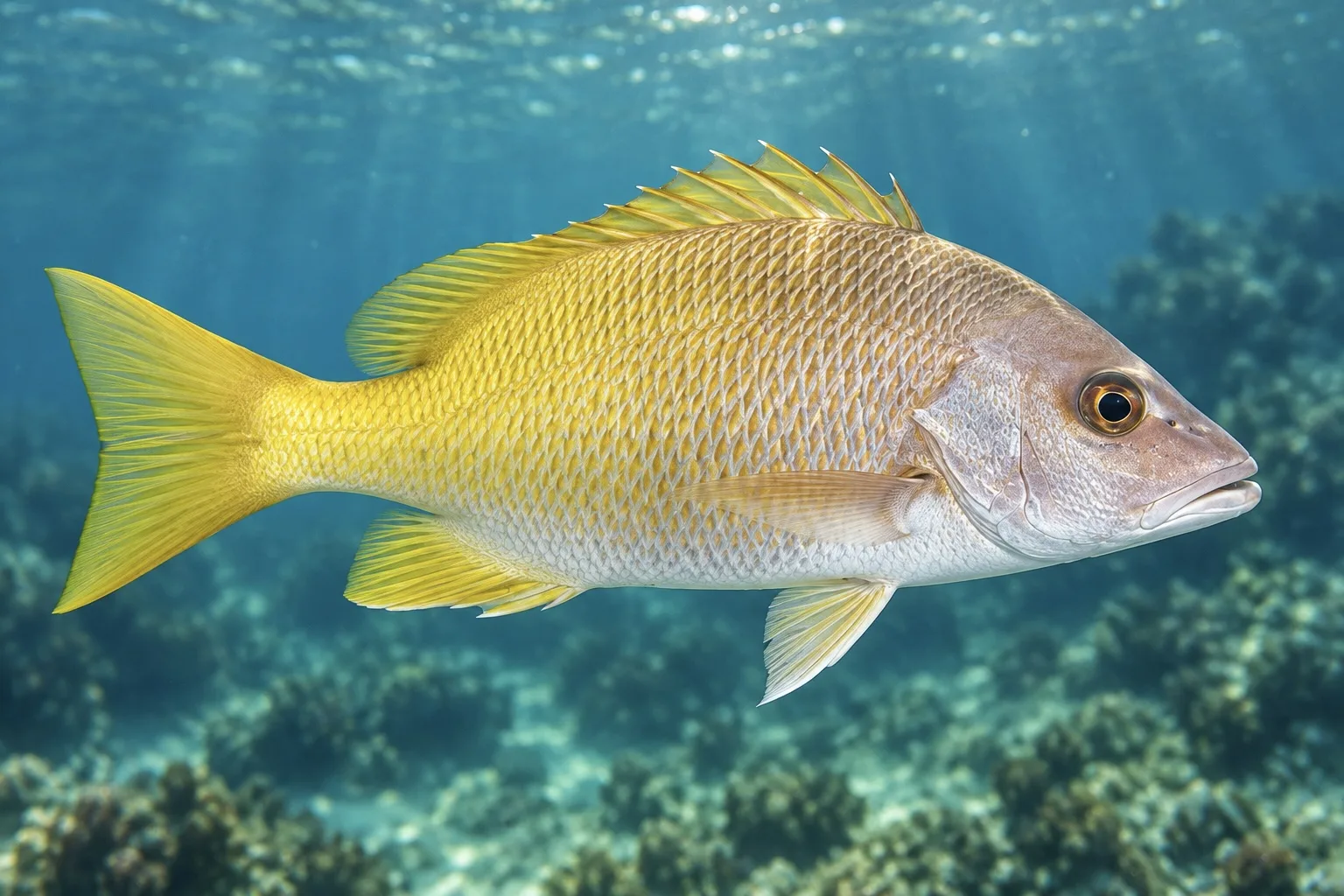
Yellow snapper (Lutjanus argentiventris), illustration
Sport fishing Lutjanus argentiventris

Yellow snapper in Los Cabos

Rosy in front and bright yellow behind, the yellow snapper is one of the most important commercial fish in the southern Gulf of California. Many of them spend their first year among mangrove roots before moving out to the reef.

Up to 71 cmMax length
13 kgMax published weight
~32 cmSize at maturity
5 per dayLimit per angler

Season in Los Cabos

●● best months · ● regular · · occasional. Based on local fishing reports; conditions change year to year.

Tap a month to see everything biting in Cabo that month ›

How to recognize it

Rosy red at the front, turning bright yellow to orange over most of the body, with mainly yellow or orange fins. Look for a blue horizontal streak below the eye. The belly is silvery, the inside of the mouth is white, and the tail edge is almost straight.

Biology

The yellow snapper lives in the eastern Pacific from southern California to Peru, though it’s rare north of Baja California. It also reaches the oceanic islands, including Cocos and the Galápagos. It stays close to shelter over rocky bottoms from 3 to 94 m deep. Juveniles are common in estuaries, and the species tolerates fresh water. By day it often schools; at night it hunts fish, shrimp, crabs and mollusks.

Larvae drift for about 23 days before settling near shore. Young fish stay in mangroves until they’re about 10 cm long, then move along rocky shores to reefs; adults of 25 to 60 cm are most abundant on shallow and deep rocky reefs. Near La Paz, fish mature at about 32.6 cm. Off Jalisco, the most mature fish were found from July to October.

Things you probably didn't know

01

Named for its silver belly

Argentiventris comes from the Latin for silver and belly, a nod to its silvery underside, which is slightly washed with red.

Source ↗
02

Raised in mangroves

In the Gulf of California, young yellow snappers first settle on pebble beds at the mouths of bays at about 2 cm long. They then move into the roots of red mangroves and stay there for about 10 more months.

Source ↗
03

Arrival by moonlight

At Balandra, near La Paz, most young snappers settled in September and October, peaking within about 8 days of the full moon, after 19 to 26 days drifting as larvae.

Source ↗
04

Mangroves feed the reef

Reefs within 10 km of a mangrove held about ten times more young yellow snappers than reefs farther away. The farthest one was found 65 km from a mangrove.

Source ↗
05

Two spawning seasons

In the southwestern Gulf of California, females with ripe ovaries showed up in both summer and winter. The authors recommended a 33 cm minimum size, since fish mature at about 32.6 cm.

Source ↗
06

One population, many reefs

Ocean eddies carry yellow snapper larvae between the Baja and mainland coasts of the southern Gulf. A genetic study found a single linked population, with some sites supplying young fish to others.

Source ↗

Photos

Bill Levine · iNaturalist · CC BY 4.0
tunicatedreamz · iNaturalist · CC BY 4.0
Cricket Raspet · iNaturalist · CC BY 4.0
iNaturalist contributor · iNaturalist · CC0

How it's caught in Los Cabos

Yellow snapper live on rocky reefs, points and banks around Los Cabos year-round. Local reports from San José del Cabo mention good numbers of yellow snapper near shore on rock structure (June 2024), and yellow snapper caught on yo-yo jigs at the Iman and San Luis banks (March 2023).

Drop yo-yo jigs on the banks, or fish live or dead sardines near the bottom close to the rocks. It never strays far from shelter, so when it’s hooked, keep it out of the rocks quickly. Sport fishing is not allowed inside Cabo Pulmo National Park.

On the table

A valued food fish and one of the most important commercial species in the southern Gulf of California, with mild white meat.

Rules, records & conservation

Daily limit (NOM-017-PESC-1994)Up to 5 per angler per day, within the 10-fish total
Fish over the limitYou may keep fishing, but must release extras alive and in good condition
IGFA all-tackle record12 lb 0 oz (5.44 kg), Golfito, Costa Rica, 1998
IUCN Red ListLeast Concern (assessed 2007)
Cabo Pulmo National ParkSport fishing not allowed

Don't confuse it with

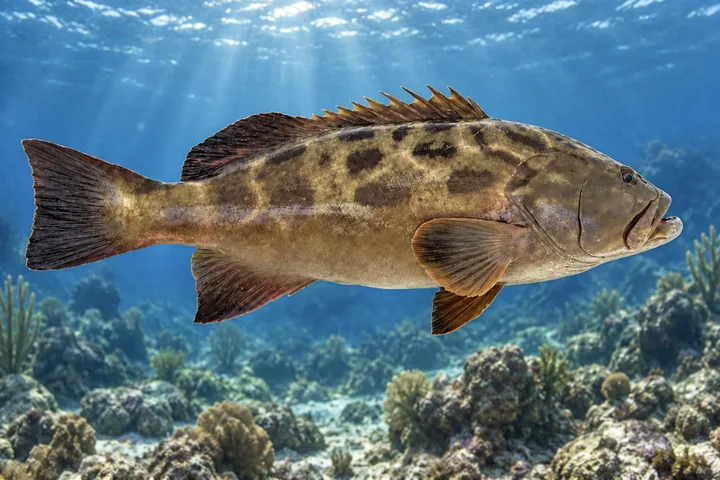
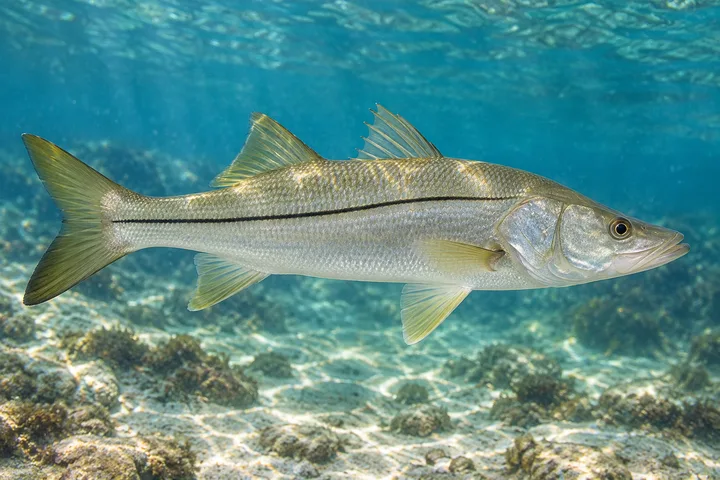
The pargo prieto (Lutjanus novemfasciatus) is dark olive-brown to copper red with silvery lower sides and 8 to 9 dusky bars, and it grows far bigger. The Colorado snapper (L. colorado) is mostly dark red with a pink or whitish belly and no yellow. The barred pargo (Hoplopagrus guentherii) has about 6 double brown bars, dark spots on the head and a long tube-shaped front nostril. The mullet snapper or pargo lisa (L. aratus) is grey to greenish, with alternating dark and light stripes along its sides.

How to tell Cabo’s groupers and snappers apart ›

Questions

Is pargo amarillo the same as yellow snapper?

Yes. Pargo amarillo and pargo alazán are Spanish names for Lutjanus argentiventris.

Where do young yellow snappers grow up?

Many spend their first year in mangroves, first on pebble beds and then among red mangrove roots, before moving to rocky reefs.

Can I fish in Cabo Pulmo?

No. Sport fishing is not allowed in Cabo Pulmo National Park.

By Max VargasTop Anglers, Cabo San Lucas · international judge at big game fishing world championships · reviewed October 2026

Sources

Top illustration: Top Anglers. Photos: iNaturalist contributors, credited on each photo.

Boats for yellow snapper

Pangas and small boats that work the beaches, points and rocky reefs. From $453 with license included.

More species

Pacific sierra
Pacific sierra
Scomberomorus sierra
California yellowtail
Seriola dorsalis
Pacific crevalle jack
Caranx caninus
Skipjack tuna
Skipjack tuna
Katsuwonus pelamis
Shortfin mako
Shortfin mako
Isurus oxyrinchus
Leopard grouper
Leopard grouper
Mycteroperca rosacea
Colorado snapper
Colorado snapper
Lutjanus colorado
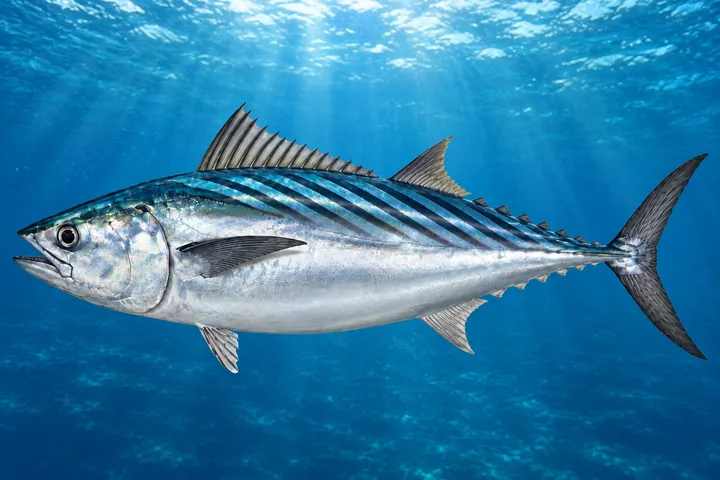
Striped bonito
Striped bonito
Sarda orientalis
Black skipjack
Black skipjack
Euthynnus lineatus
Finescale triggerfish
Balistes polylepis
Scalloped hammerhead
Sphyrna lewini
Humpback whale
Humpback whale
Megaptera novaeangliae
Gray whale
Gray whale
Eschrichtius robustus
California sea lion
California sea lion
Zalophus californianus
Whale shark
Whale shark
Rhincodon typus
Olive ridley sea turtle
Lepidochelys olivacea
Bottlenose dolphin
Bottlenose dolphin
Tursiops truncatus
Munk's devil ray (mobula)
Mobula munkiana
Swordfish
Swordfish
Xiphias gladius
Almaco jack
Almaco jack
Seriola rivoliana
Bigeye trevally
Bigeye trevally
Caranx sexfasciatus
Spotted cabrilla
Spotted cabrilla
Epinephelus analogus
Pacific dog snapper
Pacific dog snapper
Lutjanus novemfasciatus
Barred pargo
Barred pargo
Hoplopagrus guentherii
Blue whale
Blue whale
Balaenoptera musculus
Green sea turtle (black turtle)
Chelonia mydas
Leatherback sea turtle
Dermochelys coriacea
Rainbow runner
Rainbow runner
Elagatis bipinnulata
Gulf grouper
Gulf grouper
Mycteroperca jordani
Pacific white snook
Pacific white snook
Centropomus viridis
Mexican barracuda
Mexican barracuda
Sphyraena ensis
Silky shark
Silky shark
Carcharhinus falciformis
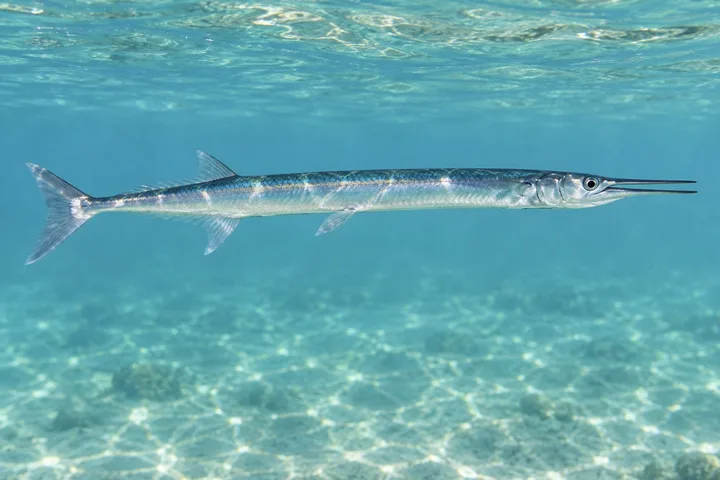
Mexican needlefish
Mexican needlefish
Tylosurus fodiator
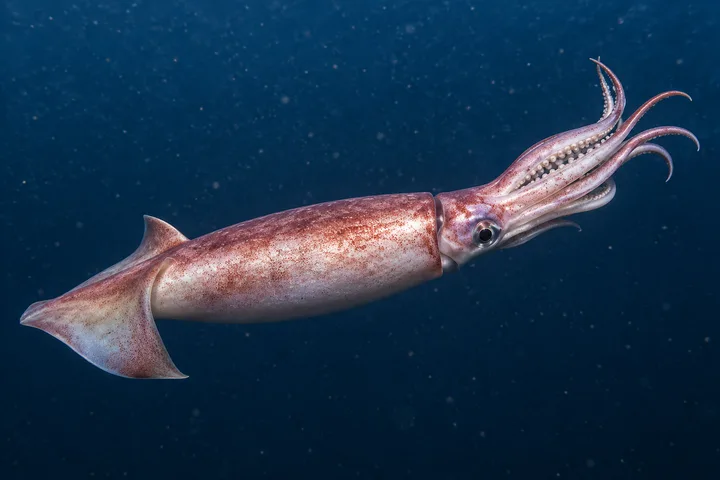
Humboldt squid
Humboldt squid
Dosidicus gigas
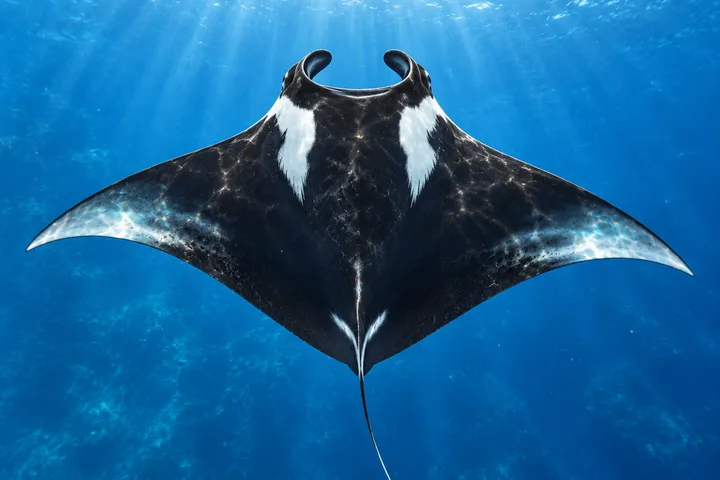
Giant manta ray
Giant manta ray
Mobula birostris
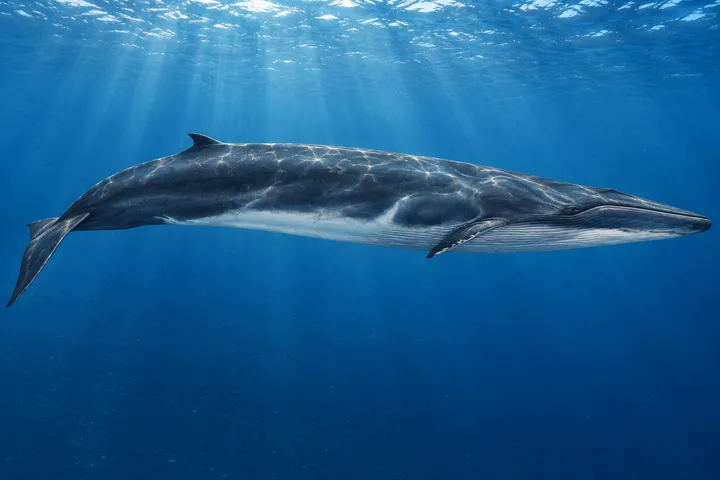
Fin whale
Fin whale
Balaenoptera physalus
Orca (killer whale)
Orca (killer whale)
Orcinus orca
Hawksbill sea turtle (carey)
Eretmochelys imbricata
Brown pelican
Brown pelican
Pelecanus occidentalis
Magnificent frigatebird
Fregata magnificens
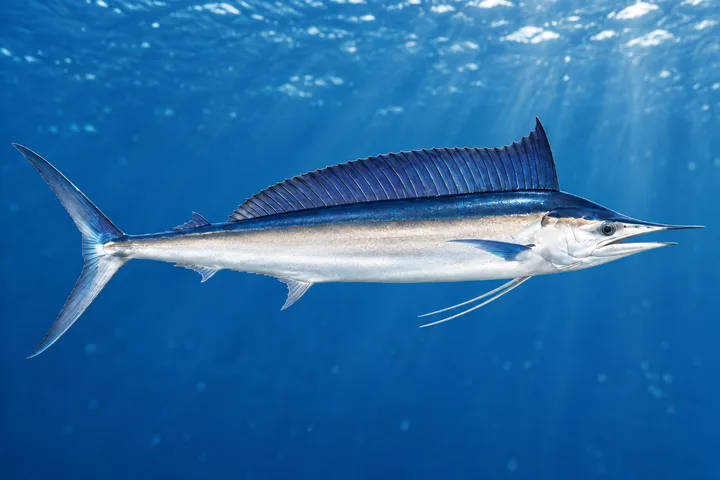
Shortbill spearfish
Shortbill spearfish
Tetrapturus angustirostris
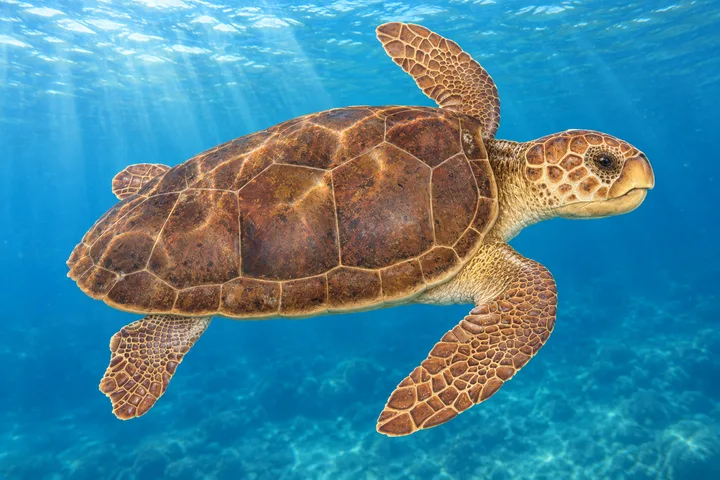
Loggerhead sea turtle (caguama)
Caretta caretta
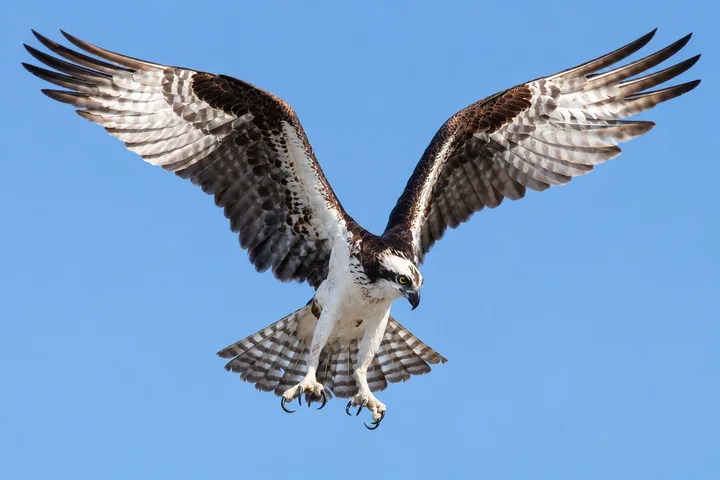
Osprey
Osprey
Pandion haliaetus
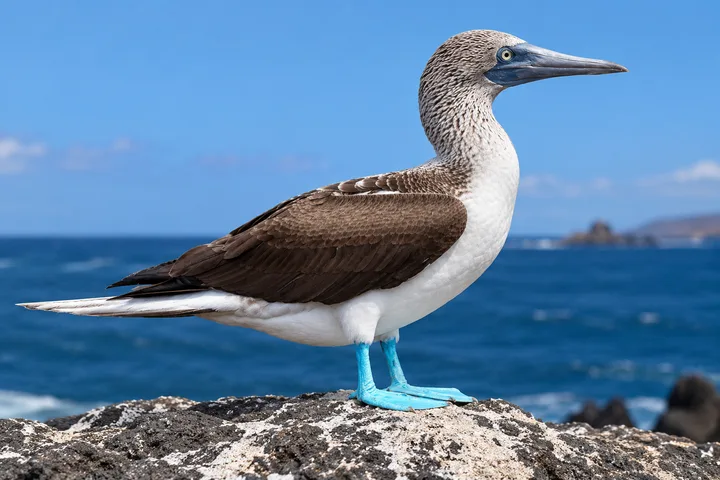
Blue-footed booby
Blue-footed booby
Sula nebouxii
Common dolphin
Common dolphin
Delphinus delphis
Oarfish
Oarfish
Regalecus russelii
Heermann’s gull
Heermann’s gull
Larus heermanni
Yellow-footed gull
Yellow-footed gull
Larus livens
Ocean sunfish
Ocean sunfish
Mola mola
Sperm whale
Sperm whale
Physeter macrocephalus
Sally Lightfoot crab
Grapsus grapsus
Blue spiny lobster
Blue spiny lobster
Panulirus inflatus
Chocolate clam
Chocolate clam
Megapitaria squalida
Pelagic red crab
Pelagic red crab
Grimothea planipes
Hubbs’ octopus
Hubbs’ octopus
Octopus hubbsorum
Jewel moray
Jewel moray
Muraena lentiginosa
Panamic green moray
Panamic green moray
Gymnothorax castaneus
Spinner dolphin
Spinner dolphin
Stenella longirostris
Risso’s dolphin
Risso’s dolphin
Grampus griseus
Short-finned pilot whale
Globicephala macrorhynchus
Bigeye tuna
Bigeye tuna
Thunnus obesus
Pelagic thresher
Pelagic thresher
Alopias pelagicus
Blue shark
Blue shark
Prionace glauca
Giant hawkfish
Giant hawkfish
Cirrhitus rivulatus
Pacific bonito
Pacific bonito
Sarda lineolata
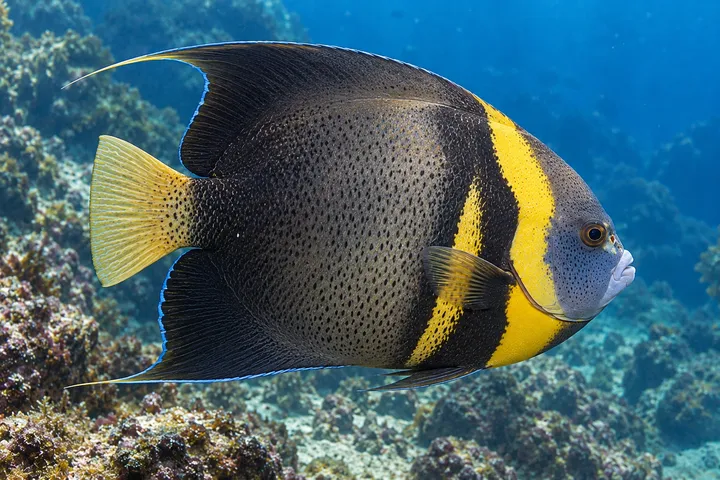
Cortez angelfish
Cortez angelfish
Pomacanthus zonipectus
Talk to the family

Questions? Message the family

The Vargas family answers personally. 7 days a week, 5 AM – 6 PM Cabo time.