Marlin food in Cabo
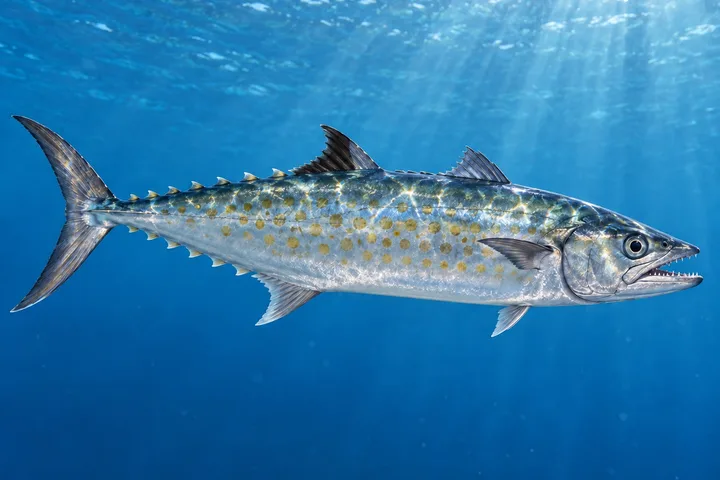
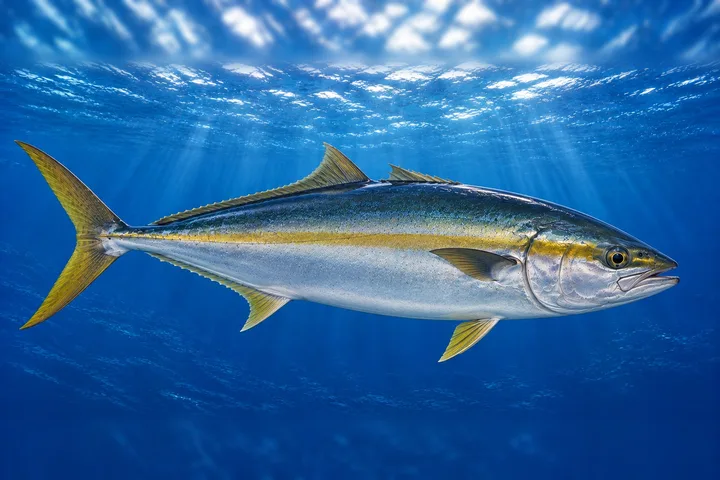
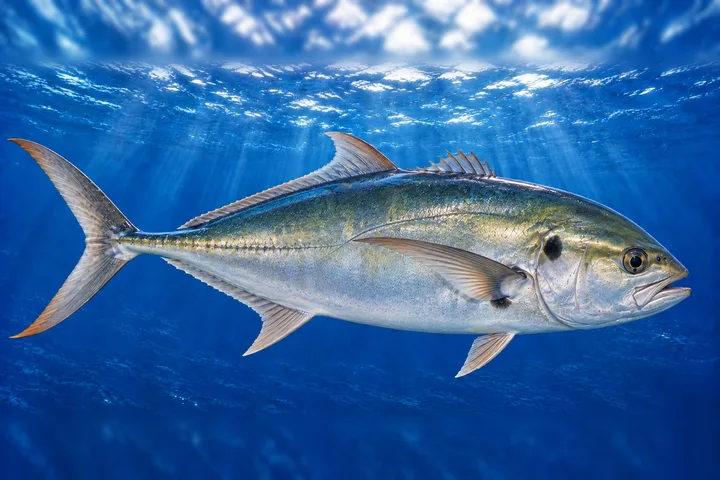
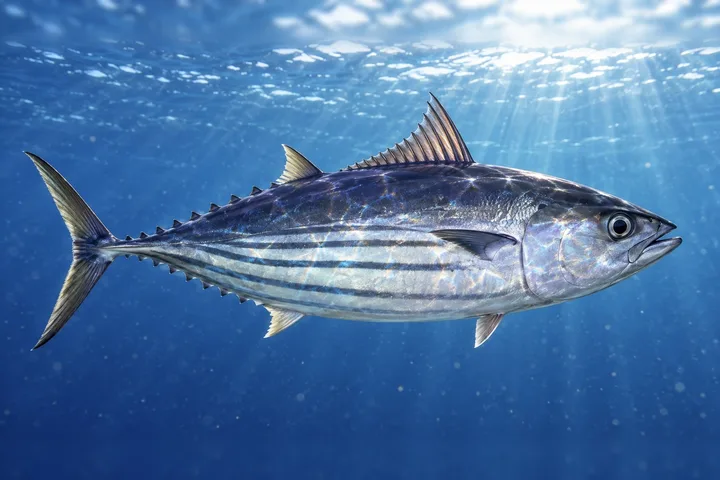
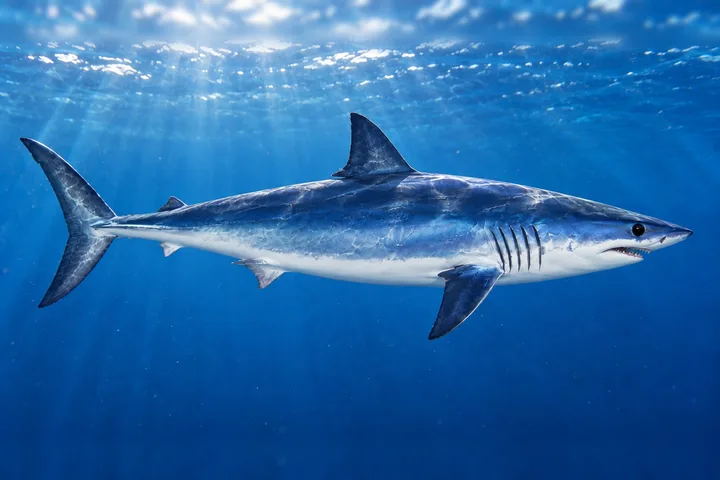
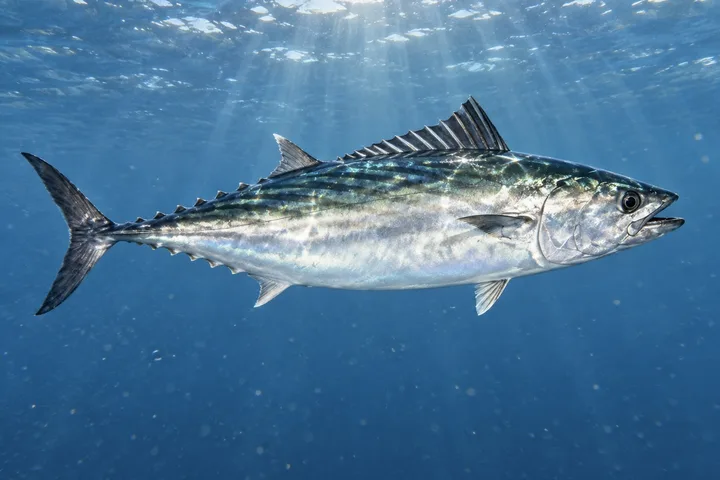
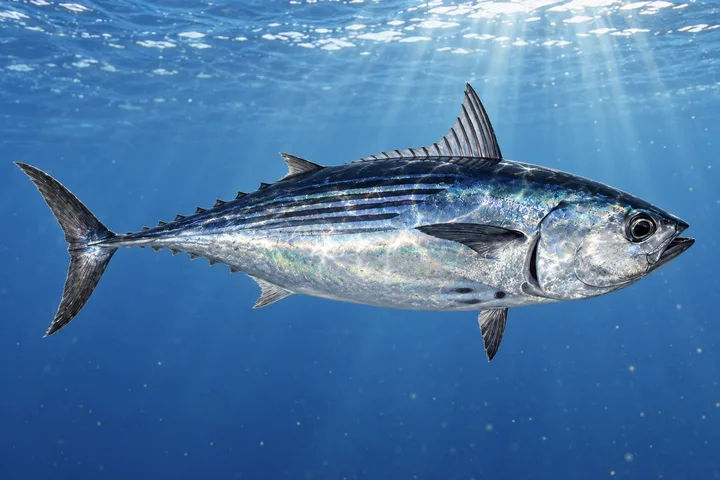
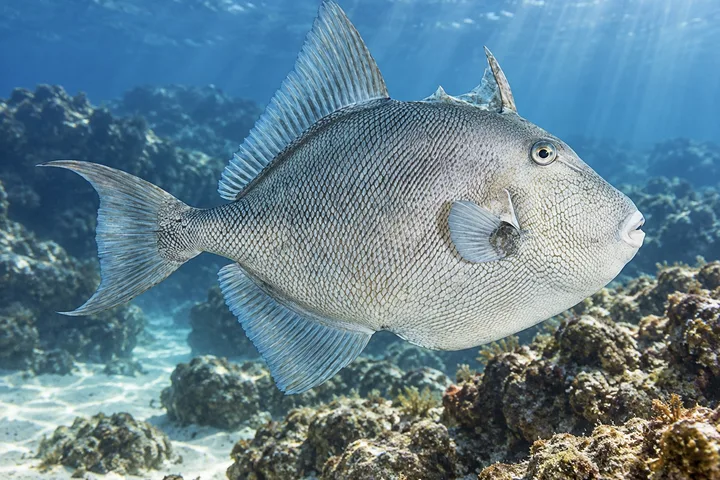
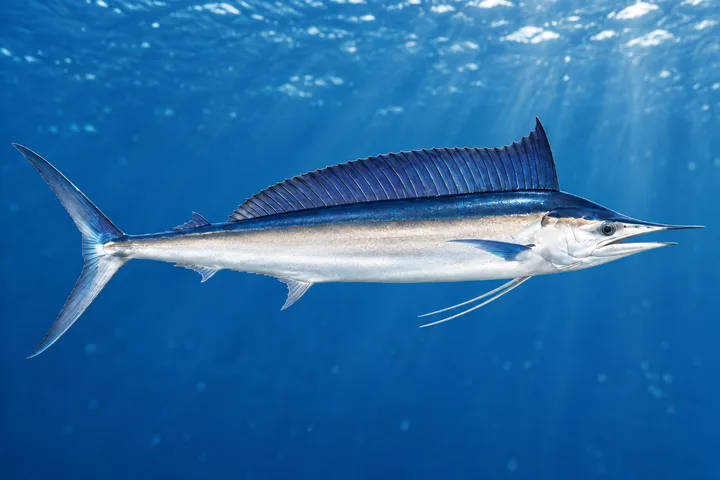
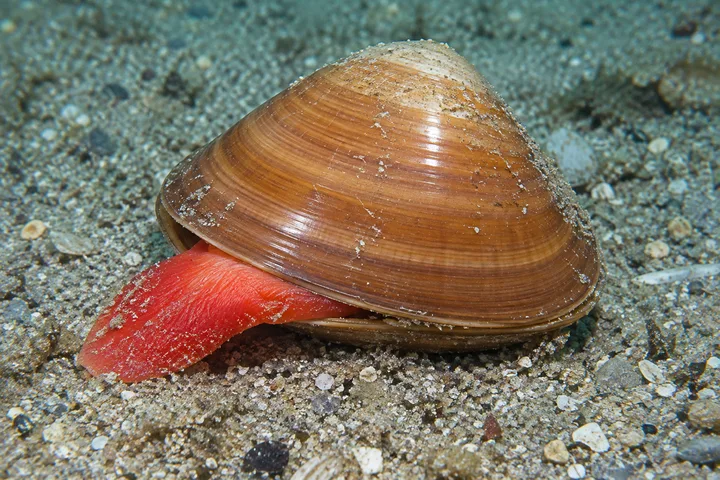
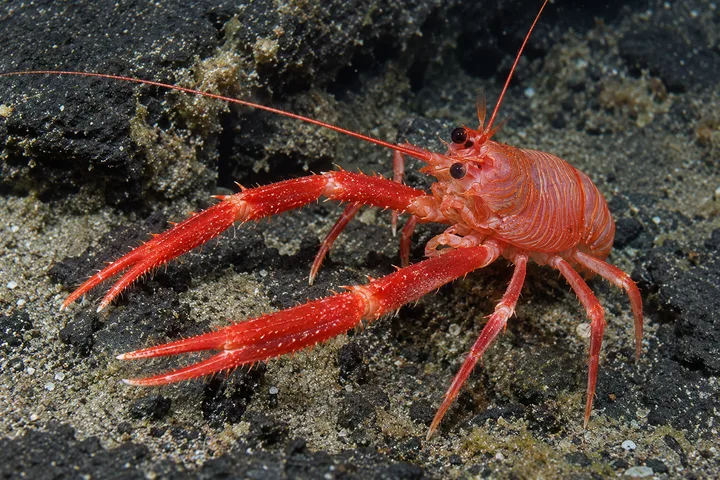
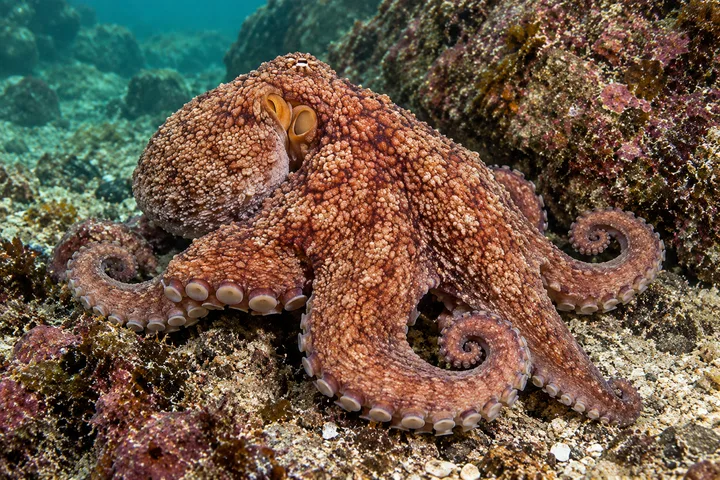
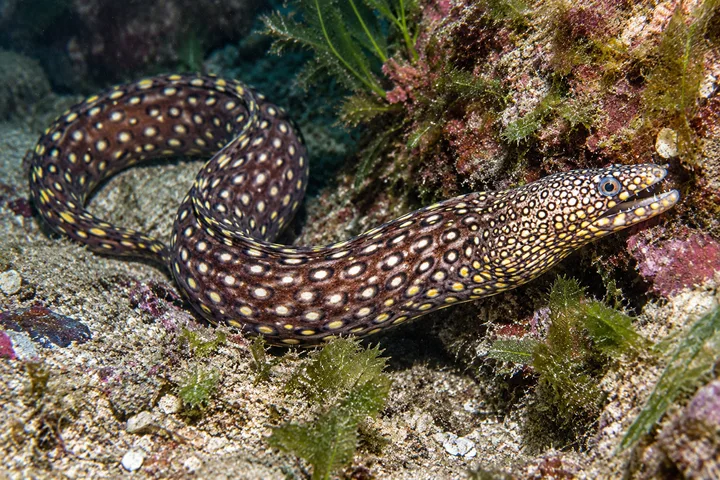
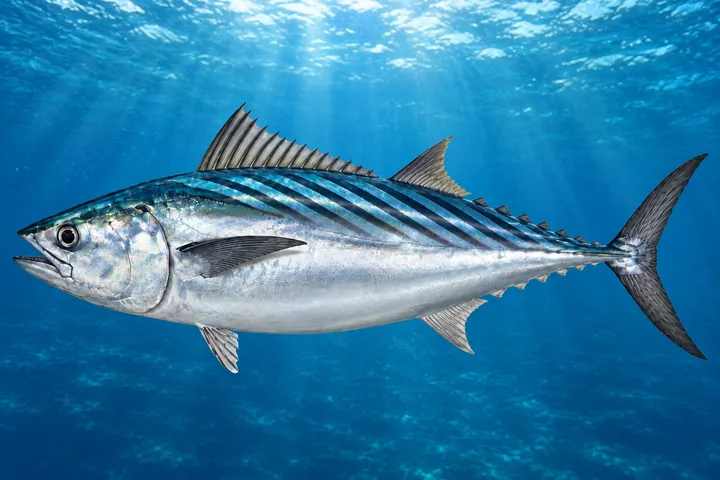
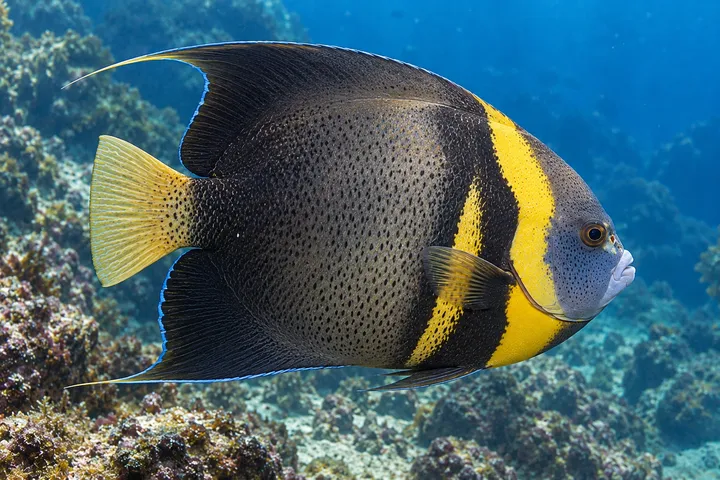
In 251 striped marlin stomachs collected at Cabo San Lucas between 2019 and 2022, jumbo squid ranked among the most important prey, alongside paper nautilus, Pacific mackerel and finescale triggerfish.
Source ↗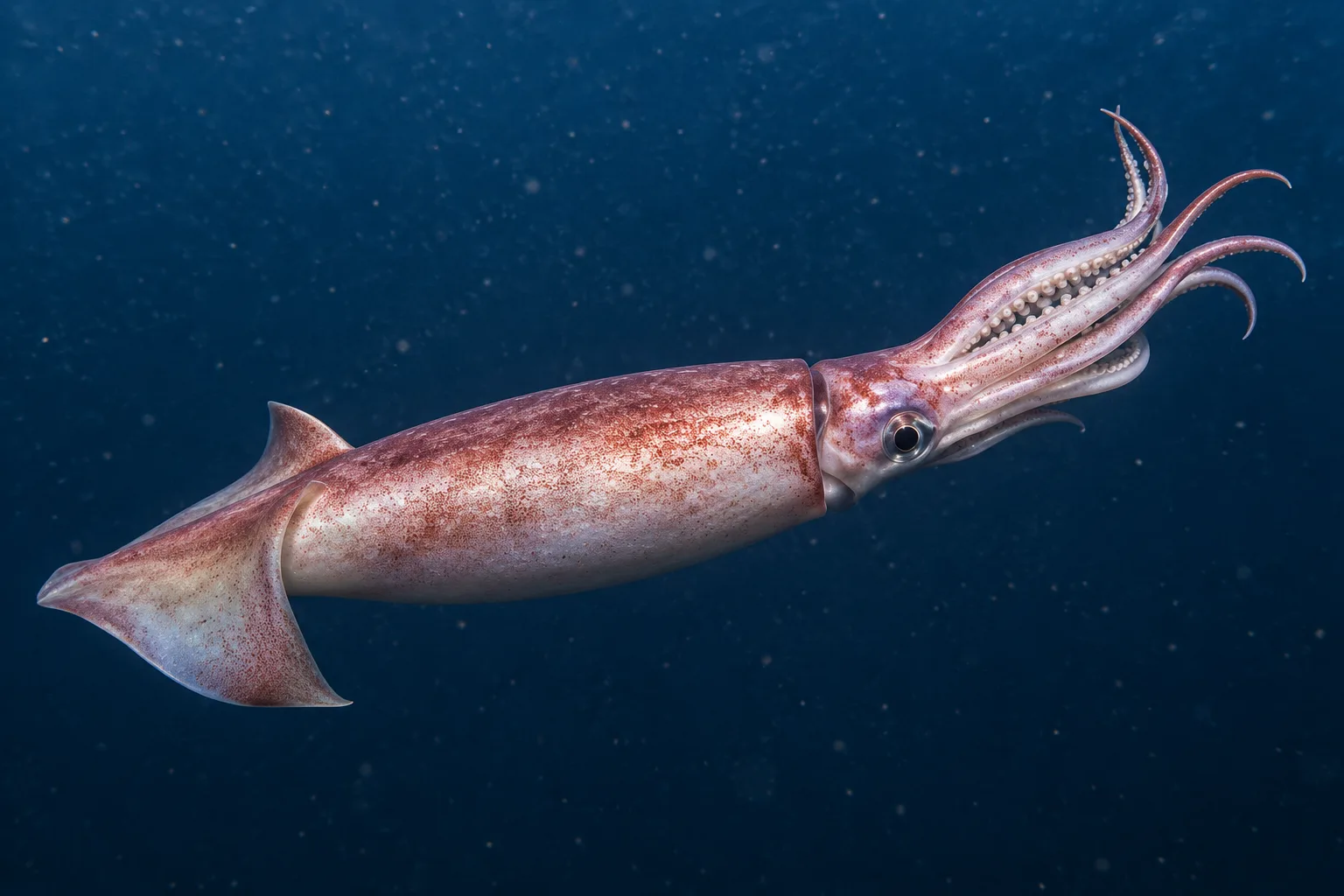
The jumbo squid lives about a year in the Gulf of California, spends its days in water with almost no oxygen and rises at night to hunt. Marlin, swordfish, sharks and sperm whales all feed on it.
A robust, thick-walled squid with rhomboid fins about 56% as wide as the mantle is long. The arm tips stretch into long, thin filaments packed with 100 to 200 pairs of tiny suckers, and the mantle locks to the head with an inverted-T cartilage typical of its family. Its skin is full of chromatophores that change its color in an instant; in Mexico it’s also called diablo rojo.
Jumbo squid live in the eastern Pacific from California to southern Chile, and in Mexico they’re found along the whole Pacific coast and inside the Gulf of California, where the main concentrations are off Santa Rosalía and Guaymas. By day they stay deep, below about 250 m in the oxygen minimum zone; at night they rise toward the surface to feed on lanternfish, sardines, mackerels and crabs, mostly at night and in the first hours of daylight.
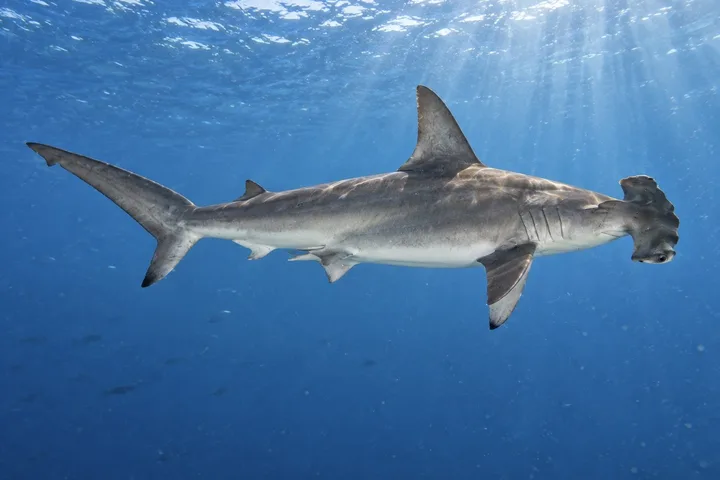
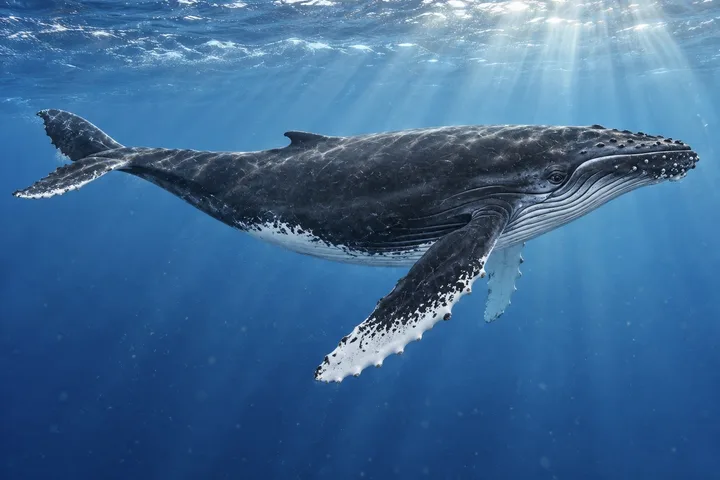
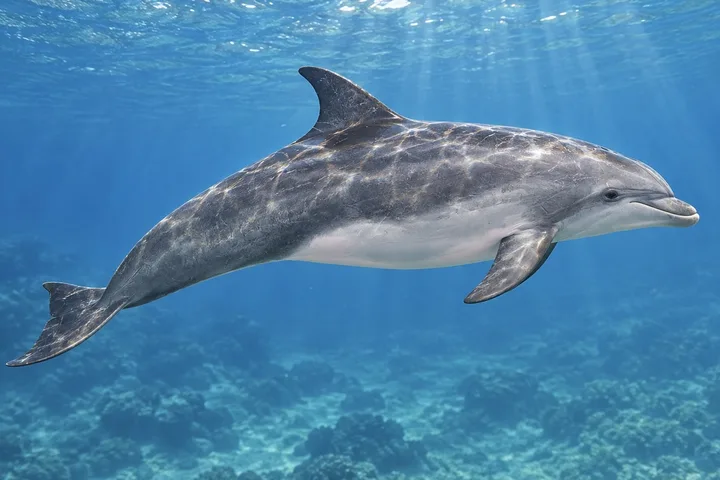
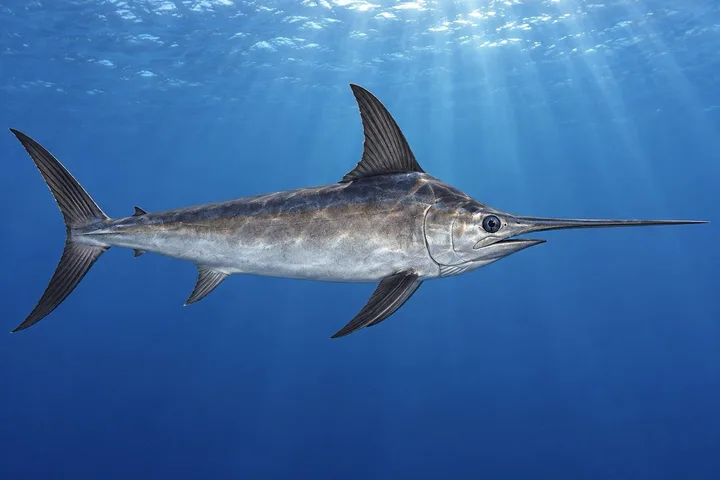
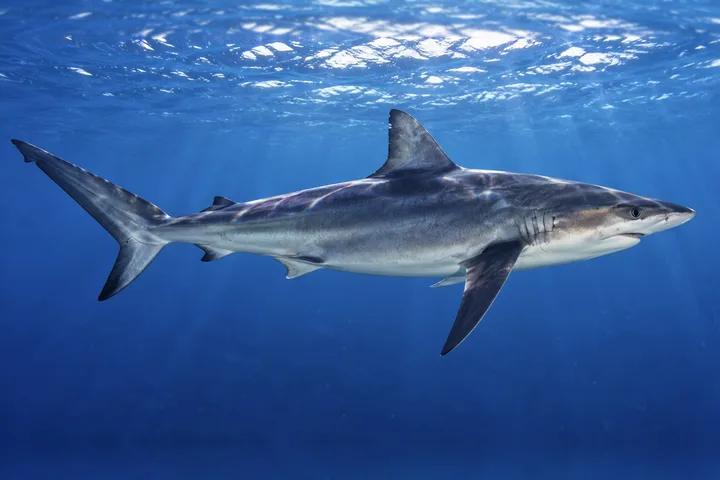
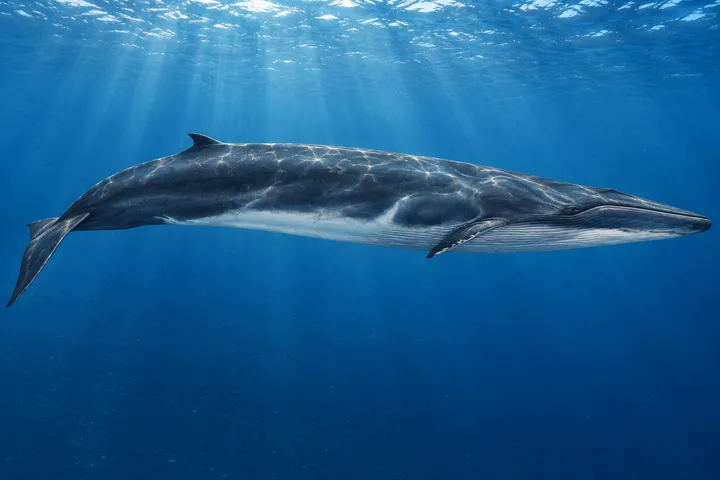
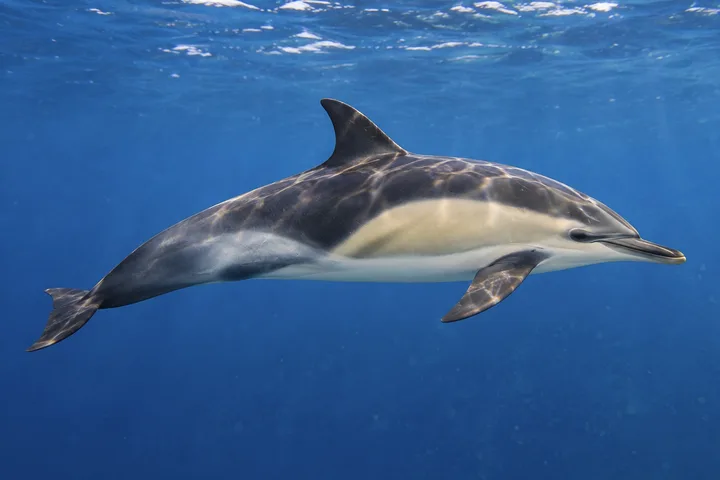
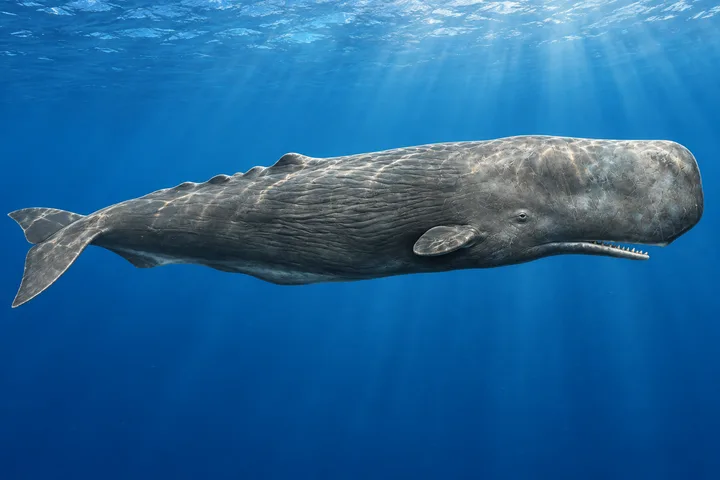
They grow fast and die young: in the Gulf the oldest squid aged were about 385 days for males and 450 for females, though the species can pass 1.2 m in mantle length and 50 kg. In turn they feed big fish, sharks, sea lions, dolphins and sperm whales. Off California, jumbo squid were among the two most important prey of swordfish, and in one Mexican study they made up 37.5% of the diet of silky sharks.
In 251 striped marlin stomachs collected at Cabo San Lucas between 2019 and 2022, jumbo squid ranked among the most important prey, alongside paper nautilus, Pacific mackerel and finescale triggerfish.
Source ↗In water with just 1% oxygen, jumbo squid cut their total energy demand by 35% as adults and 52% as juveniles, and their oxygen use drops to 20% of normal. That lets them stay in the oxygen minimum zone, out of reach of competitors that need warm, oxygen-rich surface water.
Source ↗Light organs under the skin glow yellow-green and backlight the dark patterns made by chromatophores, so the squid can signal to each other in total darkness. MBARI filmed it 266 to 838 m deep, and some patterns come in sequences, a possible hint of syntax.
Source ↗In the Gulf of California, 42% of 236 stomachs held other jumbo squid. Squid made up 39.5% of stomach contents in fishing areas but only 3.8% elsewhere, and the researchers concluded that fishing strongly drives the cannibalism.
Source ↗MBARI surveys saw no jumbo squid in Monterey Bay from 1989 to 1997. They arrived with the 1997–98 El Niño, have stayed since 2002 and have been sighted as far north as Canada and the Gulf of Alaska. Pacific hake numbers fell while they were present.
Source ↗Gulf of California landings peaked at 115,604 t in 2002. After the 2009–10 El Niño and a warm shift in 2012–13, squid there began maturing at 20–40 cm mantle length in 5–9 months instead of over 55 cm, and the fishery collapsed in 2015.
Source ↗In Baja California Sur jumbo squid are fished at night with jigs called poteras, under bright lights, mainly by fleets from Santa Rosalía, Mulegé and Loreto. The jigs glow, so they need no bait, although some fishermen add a piece of squid head or tentacle. Mexican rules let sport anglers keep squid, the only mollusk they may take, up to five a day. Since the Gulf turned warmer, its squid have stayed small, and big-squid nights are no longer a sure thing.
Around Los Cabos the squid matters most as food and bait. Local reports from the Gordo Banks panga fleet call squid a favorite food of pelagic gamefish, especially swordfish, and in April 2011 East Cape charters reported striped marlin plugged with medium-sized squid. Mexico’s squid management plan lists it as bait for sport, artisanal and industrial fishing. Encounters off Cabo itself are irregular; during El Niño years the squid shift toward Baja’s Pacific coast.
Jumbo squid is eaten fresh and processed. In Mexico the thick mantle sells mostly as frozen fillet or canned, and fins and tentacles are now sold too; when the management plan was published, 89% of Mexico’s catch was exported to Japan, Korea, China, the Philippines and Spain.
| Sport fishing (NOM-017-PESC-1994, 2013 update) | Squid is the only mollusk anglers may take |
|---|---|
| Daily limit | 5 squid per angler per day |
| Permit | Required when fishing from a boat; not required from shore |
| Commercial fishery | Permits and catch quotas under the 2014 management plan; jigs (poteras) only |
| Mexico (NOM-059) | Not listed |
| IUCN Red List | Data Deficient (2014) |
Other oceanic flying squids share the inverted-T locking cartilage, but the jumbo squid’s arm tips stretch into long, thin filaments packed with 100 to 200 pairs of tiny suckers.
It’s legal: Mexican rules allow up to five squid per angler per day, with a sport fishing permit on a boat. But off Cabo they’re irregular; the main squid grounds are in the central Gulf, off Santa Rosalía and Guaymas.
They can pass 1.2 m in mantle length, over 2 m overall, and weigh up to 50 kg, although Gulf of California squid have stayed much smaller in recent warm years.
A study of 251 striped marlin stomachs from Cabo San Lucas found jumbo squid among their most important prey, and squid is a classic bait for sport fishing.

Top illustration: Top Anglers. Photos: iNaturalist contributors, credited on each photo.
Sportfishers with the range to reach the offshore banks. From $799 with license included.