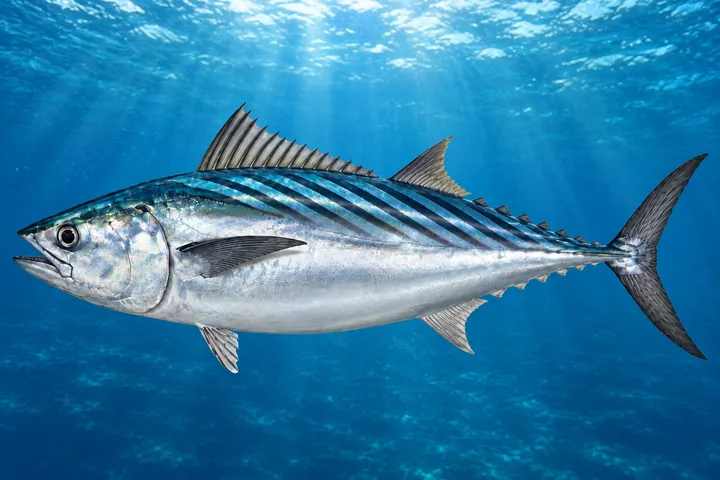
California sea lion (Zalophus californianus), illustration
Protected Zalophus californianus

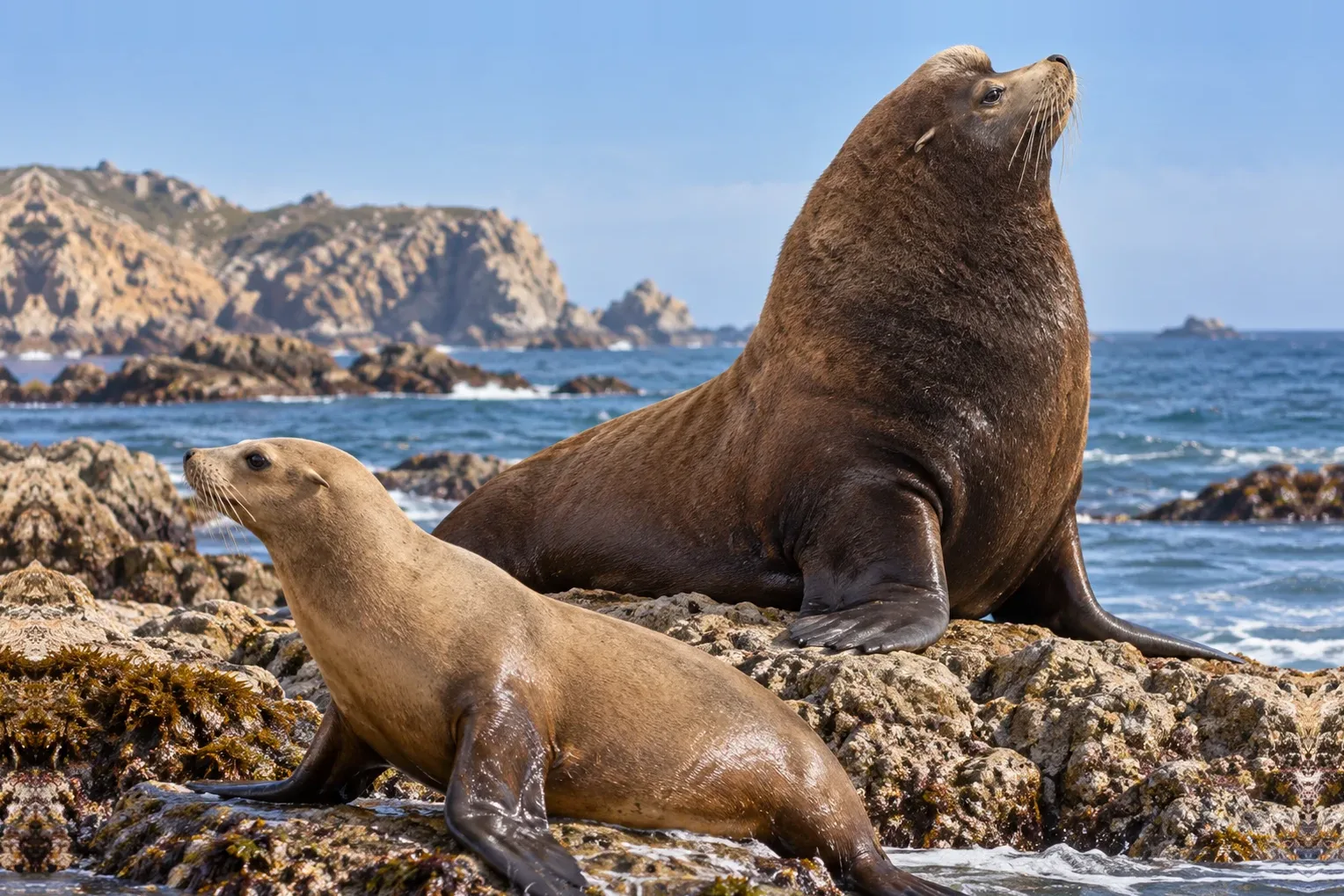
California sea lion in Los Cabos

The sea lions on the rocks at Land's End greet every boat leaving the marina. They're smart, fast and protected, and they'll happily steal a fish off your line.

~320 kgAdult male
~110 kgAdult female
20–30 yearsLifespan
13Breeding colonies in the Gulf

When to see them

●● best months · ● regular · · occasional. Based on scientific studies and local reports; it changes year to year.

Tap a month to see everything biting in Cabo that month ›

How to recognize it

Sleek and brown, with small external ear flaps and long front flippers. Adult males are much bigger and darker, with a bump on the forehead (the sagittal crest) often topped with lighter fur; females and young are smaller and tan.

Biology

California sea lions eat squid, anchovies, mackerel, sardines and rockfish, and can dive deeper than 270 m. In the Gulf of California there are 13 breeding colonies; the southernmost is Los Islotes, near La Paz, where pups are born from late May to July, with a peak in mid-June.

The rocks south of the Arch, known locally as La Lobera, are a resting place (a haul-out), not a breeding colony. Females in the Gulf tend to stay close to the colony where they were born, and the Gulf holds three genetically distinct groups.

Things you probably didn't know

01

Flippers up isn't a wave

Sea lions floating with a flipper in the air are warming up or cooling down, not waving or in trouble.

Source ↗
02

They walk, seals crawl

Sea lions can turn their back flippers forward and walk on all fours; true seals have to wriggle on their bellies.

Source ↗
03

Three species, not one

Sea lions from California, the Galápagos and Japan were once considered one species. Genetics split them; the California and Galápagos lineages separated about 2.3 million years ago.

Source ↗
04

Poisoned by an algal bloom

In 1998 more than 400 sea lions died in central California from domoic acid, a toxin from algae that reached them through the anchovies they ate.

Source ↗
05

Early births in the Gulf

Sea lions in the Gulf of California give birth earlier and over a longer season than those in California.

Source ↗
06

A stable but uneven population

Gulf of California sea lions have been stable over the long term, with ups and downs tied to sea temperature, while some colonies have declined and Los Islotes has grown.

Source ↗

Photos

iNaturalist contributor · iNaturalist · CC0
Ewout Knoester · iNaturalist · CC BY-SA 4.0
Martín Sánchez Vilchis · iNaturalist · CC BY-SA 4.0
iNaturalist contributor · iNaturalist · CC0

Seeing them from the boat

You'll see them on the rocks at Land's End on the way out of the marina, any time of year. At sea, sea lions sometimes follow boats and take fish off the line.

If one shows interest: never feed it or throw scraps overboard, move to another spot, don't cast when it's close, and release fish quietly away from it. Feeding teaches sea lions to approach boats, which leads to injuries for them and for people.

Rules & conservation

Mexico (NOM-059)Subject to special protection (Pr)
General Wildlife Law, art. 60 bisNo marine mammal may be captured or taken
FeedingHarmful to the animals; never feed sea lions

Don't confuse it with

Seals have no ear flaps, short front flippers and crawl on their bellies; they're quiet, while sea lions bark loudly.

Questions

Where can you see sea lions in Cabo?

On the rocks at Land's End, near the Arch, which you pass on any boat trip out of the marina.

Is it OK to feed the sea lions?

No. Feeding makes them approach boats and steal fish, and leads to injuries for them and for people.

Do sea lions breed at the Arch?

No. The rocks at Land's End are a resting place. The nearest breeding colony is Los Islotes, near La Paz.

By Max VargasTop Anglers, Cabo San Lucas · international judge at big game fishing world championships · reviewed October 2026

Sources

Top illustration: Top Anglers. Photos: iNaturalist contributors, credited on each photo.

See Cabo from the water

Our charters leave the Cabo San Lucas marina every morning. From $799 with license included.

More species

Pacific sierra
Pacific sierra
Scomberomorus sierra
California yellowtail
Seriola dorsalis
Pacific crevalle jack
Caranx caninus
Skipjack tuna
Skipjack tuna
Katsuwonus pelamis
Shortfin mako
Shortfin mako
Isurus oxyrinchus
Leopard grouper
Leopard grouper
Mycteroperca rosacea
Colorado snapper
Colorado snapper
Lutjanus colorado
Striped bonito
Striped bonito
Sarda orientalis
Black skipjack
Black skipjack
Euthynnus lineatus
Finescale triggerfish
Balistes polylepis
Scalloped hammerhead
Sphyrna lewini
Humpback whale
Humpback whale
Megaptera novaeangliae
Gray whale
Gray whale
Eschrichtius robustus
Whale shark
Whale shark
Rhincodon typus
Olive ridley sea turtle
Lepidochelys olivacea
Bottlenose dolphin
Bottlenose dolphin
Tursiops truncatus
Munk's devil ray (mobula)
Mobula munkiana
Swordfish
Swordfish
Xiphias gladius
Almaco jack
Almaco jack
Seriola rivoliana
Bigeye trevally
Bigeye trevally
Caranx sexfasciatus
Spotted cabrilla
Spotted cabrilla
Epinephelus analogus
Pacific dog snapper
Pacific dog snapper
Lutjanus novemfasciatus
Barred pargo
Barred pargo
Hoplopagrus guentherii
Blue whale
Blue whale
Balaenoptera musculus
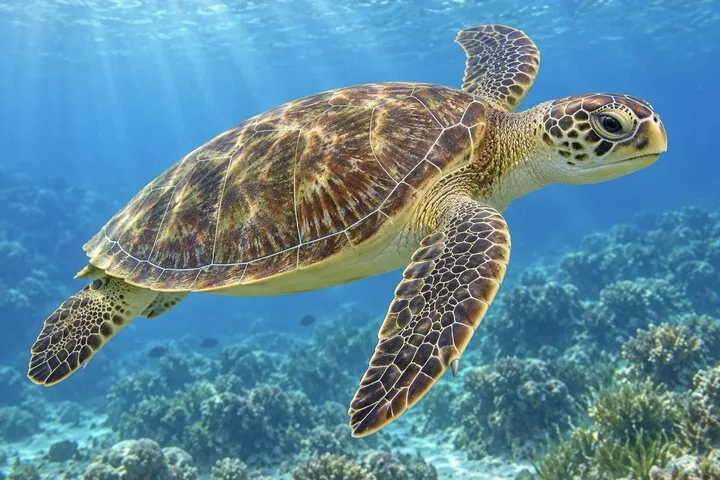
Green sea turtle (black turtle)
Chelonia mydas
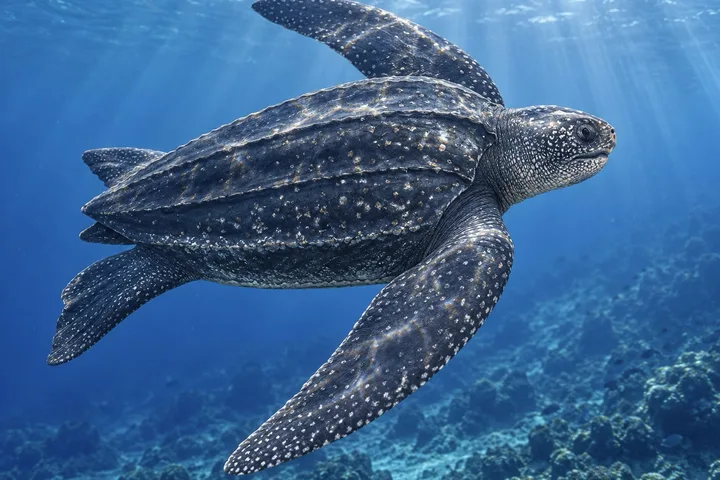
Leatherback sea turtle
Dermochelys coriacea
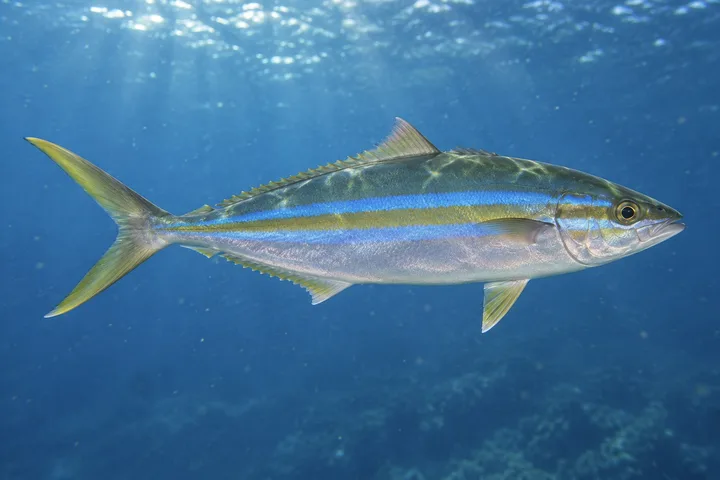
Rainbow runner
Rainbow runner
Elagatis bipinnulata
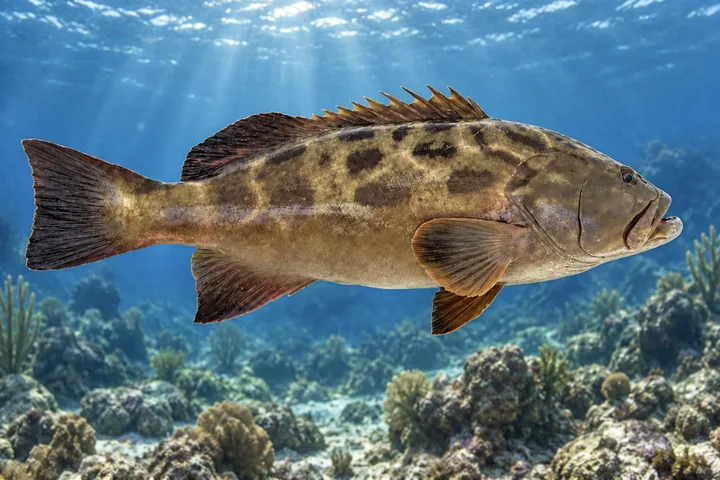
Gulf grouper
Gulf grouper
Mycteroperca jordani
Yellow snapper
Yellow snapper
Lutjanus argentiventris
Pacific white snook
Pacific white snook
Centropomus viridis
Mexican barracuda
Mexican barracuda
Sphyraena ensis
Silky shark
Silky shark
Carcharhinus falciformis
Mexican needlefish
Mexican needlefish
Tylosurus fodiator
Humboldt squid
Humboldt squid
Dosidicus gigas
Giant manta ray
Giant manta ray
Mobula birostris
Fin whale
Fin whale
Balaenoptera physalus
Orca (killer whale)
Orca (killer whale)
Orcinus orca
Hawksbill sea turtle (carey)
Eretmochelys imbricata
Brown pelican
Brown pelican
Pelecanus occidentalis
Magnificent frigatebird
Fregata magnificens
Shortbill spearfish
Shortbill spearfish
Tetrapturus angustirostris
Loggerhead sea turtle (caguama)
Caretta caretta
Osprey
Osprey
Pandion haliaetus
Blue-footed booby
Blue-footed booby
Sula nebouxii
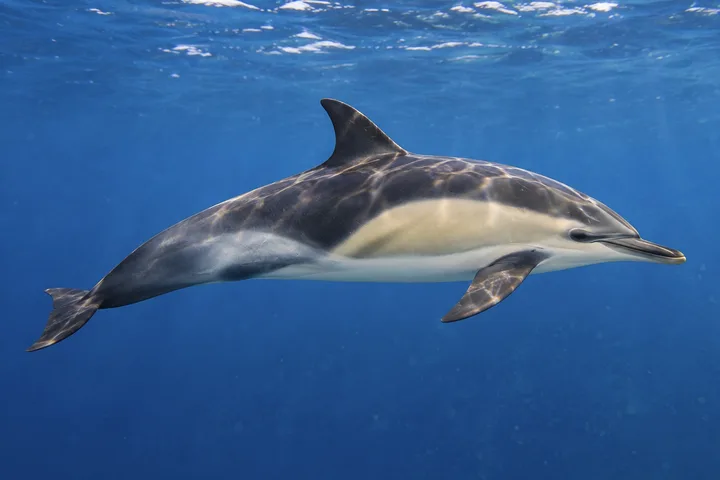
Common dolphin
Common dolphin
Delphinus delphis
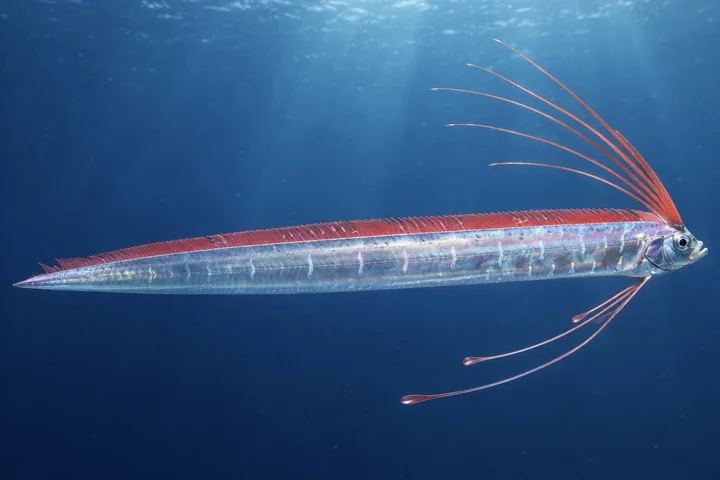
Oarfish
Oarfish
Regalecus russelii
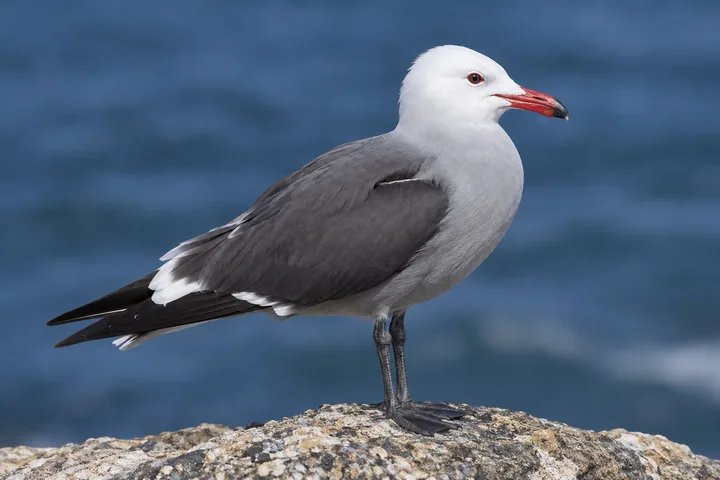
Heermann’s gull
Heermann’s gull
Larus heermanni
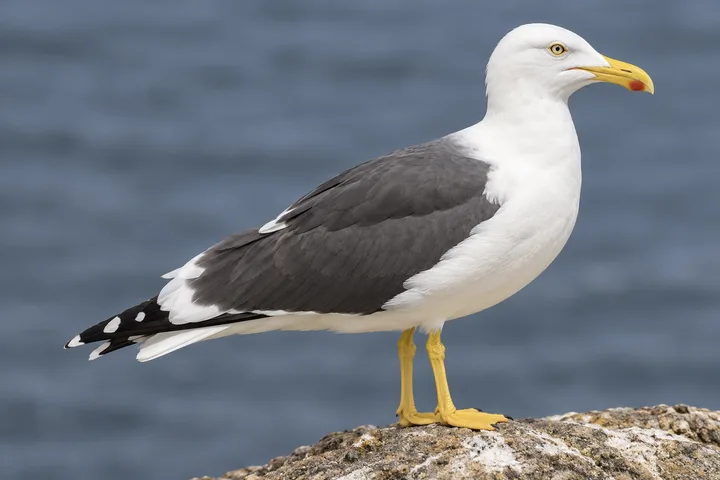
Yellow-footed gull
Yellow-footed gull
Larus livens
Ocean sunfish
Ocean sunfish
Mola mola
Sperm whale
Sperm whale
Physeter macrocephalus
Sally Lightfoot crab
Grapsus grapsus
Blue spiny lobster
Blue spiny lobster
Panulirus inflatus
Chocolate clam
Chocolate clam
Megapitaria squalida
Pelagic red crab
Pelagic red crab
Grimothea planipes
Hubbs’ octopus
Hubbs’ octopus
Octopus hubbsorum
Jewel moray
Jewel moray
Muraena lentiginosa
Panamic green moray
Panamic green moray
Gymnothorax castaneus
Spinner dolphin
Spinner dolphin
Stenella longirostris
Risso’s dolphin
Risso’s dolphin
Grampus griseus
Short-finned pilot whale
Globicephala macrorhynchus
Bigeye tuna
Bigeye tuna
Thunnus obesus
Pelagic thresher
Pelagic thresher
Alopias pelagicus
Blue shark
Blue shark
Prionace glauca
Giant hawkfish
Giant hawkfish
Cirrhitus rivulatus
Pacific bonito
Pacific bonito
Sarda lineolata
Cortez angelfish
Cortez angelfish
Pomacanthus zonipectus
Talk to the family

Questions? Message the family

The Vargas family answers personally. 7 days a week, 5 AM – 6 PM Cabo time.