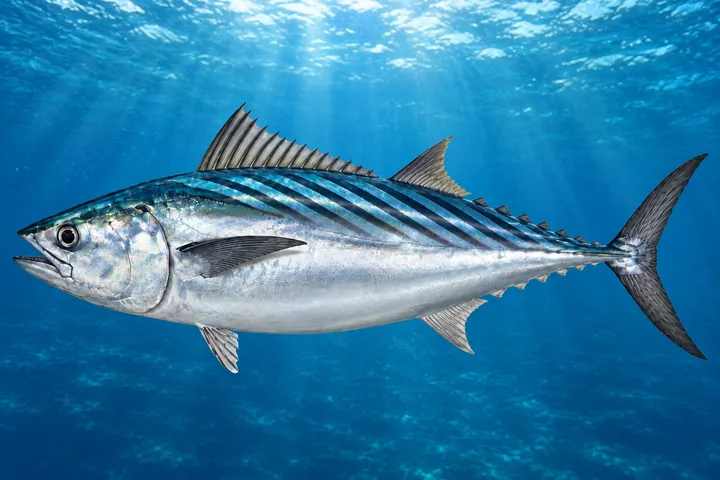
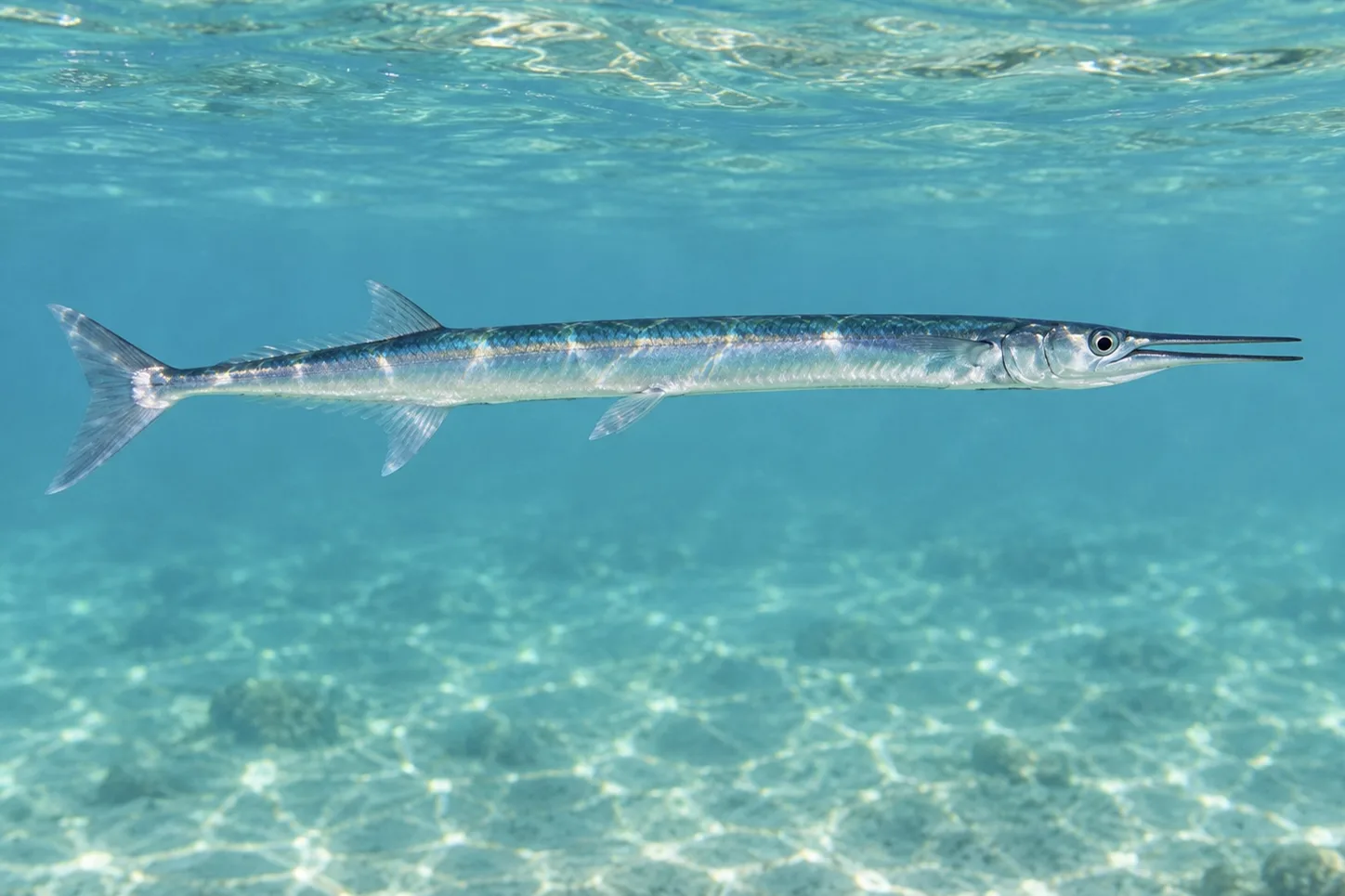
Mexican needlefish (Tylosurus fodiator), illustration
Sport fishing Tylosurus fodiator(IGFA: T. crocodilus fodiator)

Mexican needlefish in Los Cabos

A long, silver missile with a beak full of teeth that hunts at the surface along the coast. The all-tackle world record for the species was caught at Cabo San Lucas in 1993.

Up to 163 cmMax length
21 lb 12 ozIGFA world record
0–10 mDepth range
5 per dayLimit per angler

Season in Los Cabos

●● best months · ● regular · · occasional. Based on local fishing reports; conditions change year to year.

Tap a month to see everything biting in Cabo that month ›

How to recognize it

Long, rounded and fairly heavy-bodied for a needlefish, with a relatively short, stout, straight beak. Dark bluish green above and silvery on the sides, with a black keel on each side of the tail base. The tail is concave to slightly forked, with the lower lobe longer than the upper.

Biology

The Mexican needlefish lives only in the tropical eastern Pacific, from Baja California and the Gulf of California south to Ecuador, including Cocos and Malpelo islands. It’s a surface fish of coastal waters, usually in the top 10 m, though it also wanders offshore.

It’s a top predator that feeds mainly on small fishes. Its eggs carry tendrils on the surface that let them stick to objects in the water. It commonly reaches about 80 cm in standard length and grows to at least 134 cm in total length and close to 10 kg; the Smithsonian lists a maximum of 163 cm.

Things you probably didn't know

01

Green bones

Needlefish bones and fin rays are green, colored by biliverdin, a bile pigment. The flesh tastes excellent, but the green bones put some people off eating them.

Source ↗
02

A fish that can injure people

Needlefish leap and skitter at the surface at high speed, especially toward artificial lights at night. Doctors have reported beak wounds to the eye and the spinal cord, and a fisherman whose leg was pierced by a needlefish that leapt out of the water.

Source ↗
03

Born a halfbeak

Most young needlefish go through a halfbeak stage: the lower jaw grows long first, and the upper jaw catches up later.

Source ↗
04

A Cabo world record

The IGFA all-tackle record is 21 lb 12 oz (9.86 kg), caught by John Kovacevich at Cabo San Lucas on August 10, 1993. IGFA lists it as the Mexican houndfish.

Source ↗
05

Eggs that hold on

Its eggs are covered in tendrils that let them stick to objects in the water.

Source ↗
06

Rare in the Galápagos

Only two records exist from the Galápagos, one a one-meter fish taken at Marchena in 1984, so scientists now list it there as a vagrant. They note it’s big, conspicuous and easy to catch on hook and line, so it’s unlikely to go unnoticed.

Source ↗

Photos

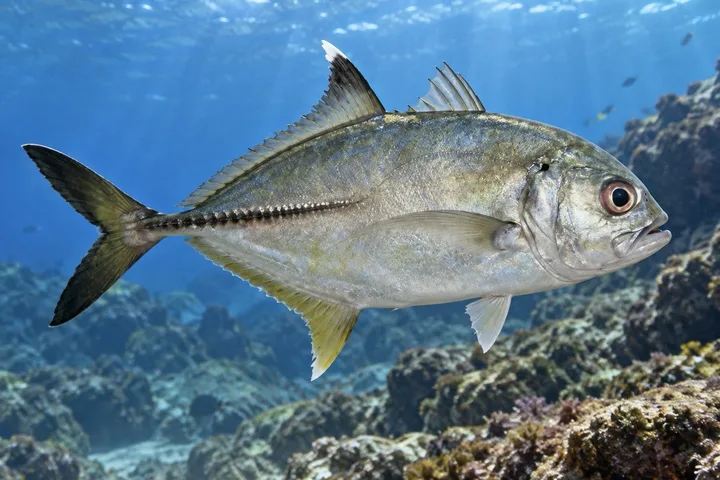
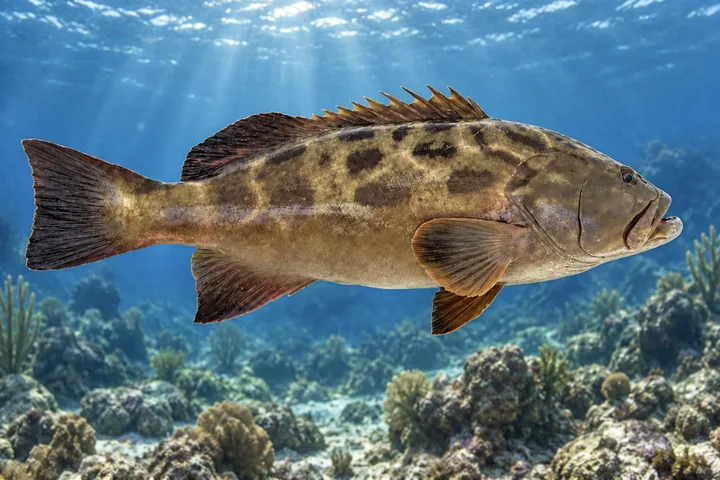
Alberto Alcalá · iNaturalist · CC BY 4.0
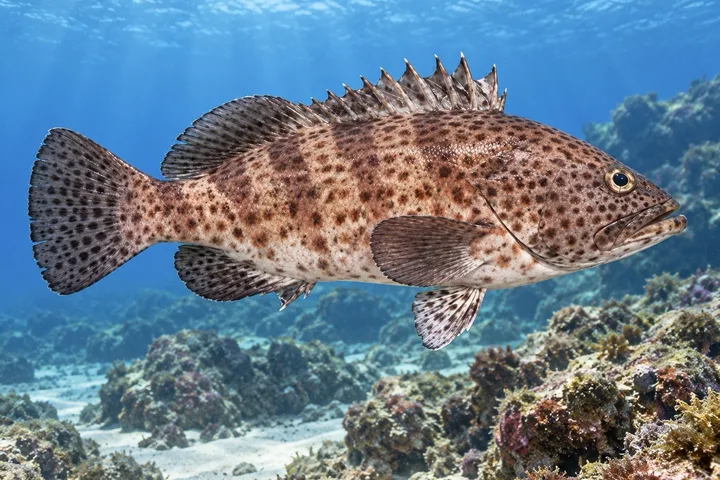
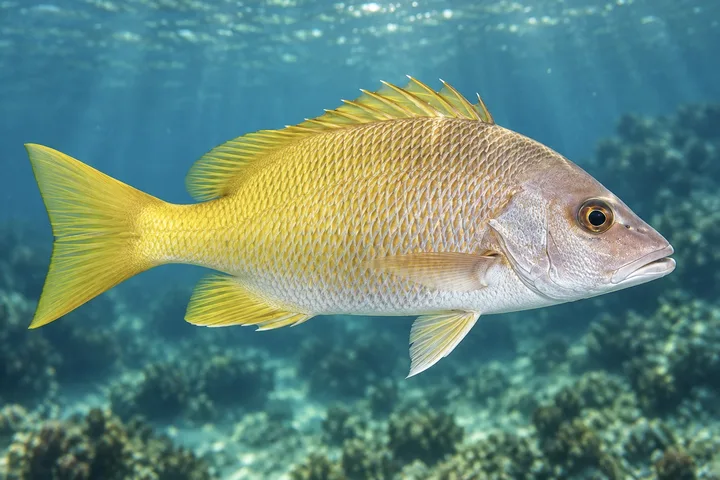
Dan Riley · iNaturalist · CC BY 4.0
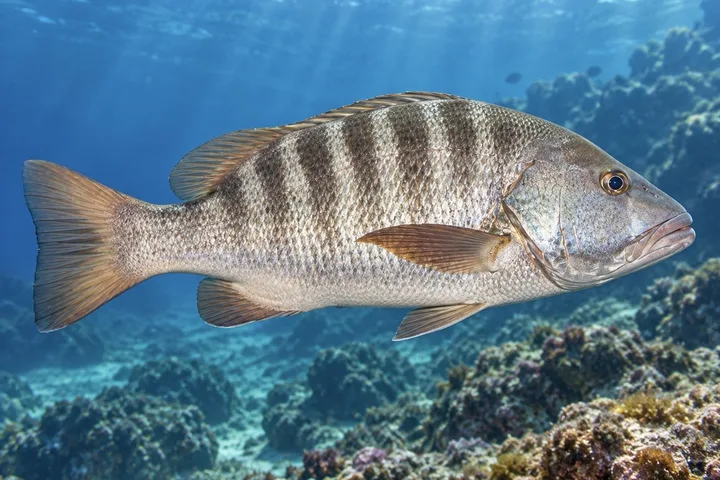
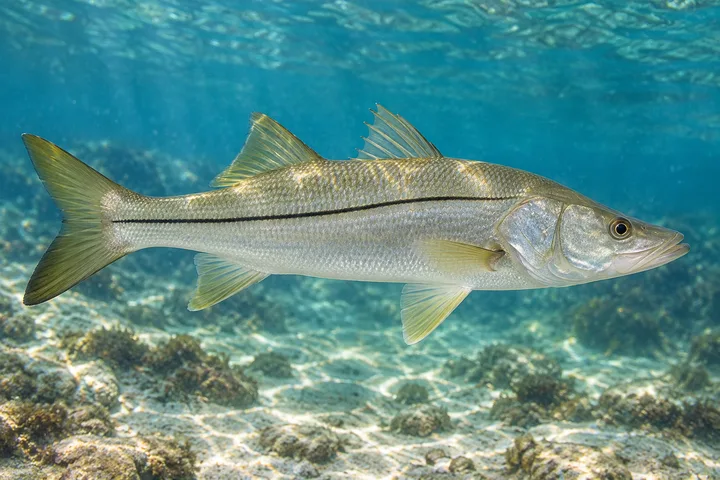
nasua · iNaturalist · CC BY 4.0
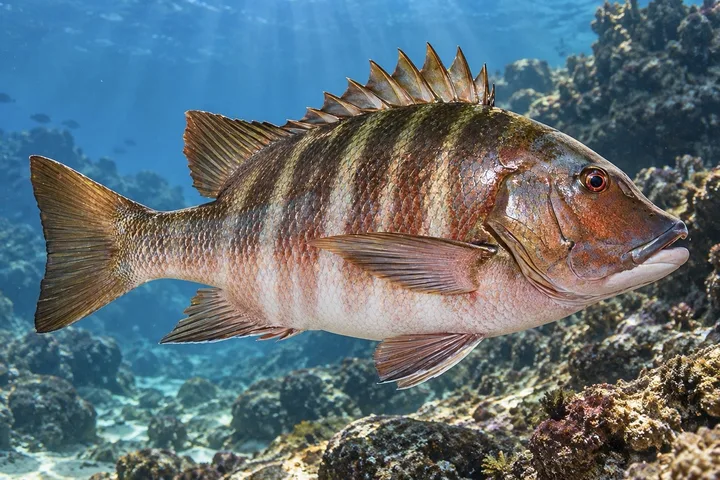
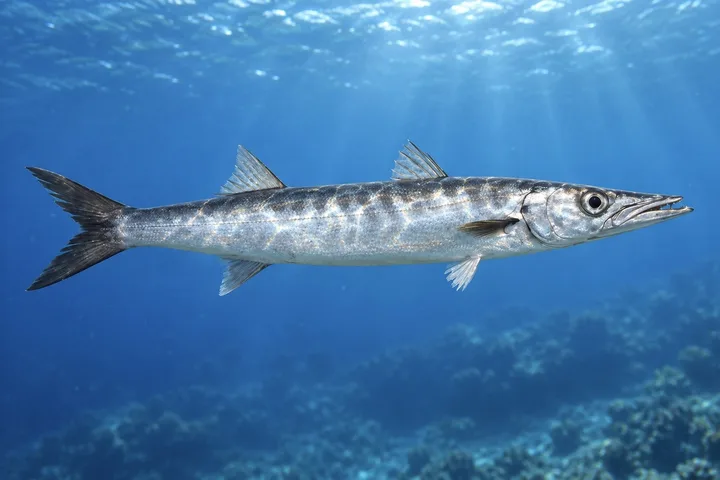
Kristof Zyskowski · iNaturalist · CC BY 4.0

How it's caught in Los Cabos

Mexican needlefish hunt at the surface close to shore, around the bay, the beaches and the rocky points. Local reports mention them in both winter and summer: in early June 2026 our pangas caught 5 to 10 lb fish on small surface lures inside the bay, some right outside the marina entrance, while the San José del Cabo panga fleet has described the larger ones as typically present in January and, in summer 2024, as a nuisance stealing sardine baits meant for tuna.

On light spinning tackle they hit small, fast-moving surface lures and live bait, then run and jump. The beak is hard and full of teeth, so a wire or heavy fluorocarbon leader helps, and unhooking takes care: control the beak and keep it pointed away from people. Needlefish are attracted to lights at night and can leap toward a boat, so take care on the water after dark. Sport fishing is not allowed inside Cabo Pulmo National Park.

On the table

Eaten in the region and sold fresh or salted. The flesh is well regarded, but the bones are green, which surprises many people.

Rules, records & conservation

Daily limit (NOM-017-PESC-1994)Up to 5 per angler per day, within the 10-fish total
IGFA listingListed by IGFA as “Mexican houndfish”
IGFA all-tackle record21 lb 12 oz (9.86 kg), Cabo San Lucas, B.C.S., 1993
Cabo Pulmo National ParkSport fishing not allowed

Needlefish can leap at boats and lights. Keep the beak pointed away from people when unhooking.

Don't confuse it with

The Pacific agujon (Tylosurus pacificus) has a longer, slender, upcurved beak and a deeply forked tail. Strongylura needlefish such as the California needlefish have no keel on the tail base. Halfbeaks and ballyhoo have only the lower jaw extended; a needlefish has both jaws drawn out into a long, toothed beak.

Questions

Are needlefish dangerous?

They aren’t aggressive, but they leap at high speed, especially toward lights at night, and their beaks have injured fishermen and divers. Handle them with care.

Why are needlefish bones green?

From biliverdin, a bile pigment. It’s natural and the meat is edible, though the color puts some people off.

What is the biggest Mexican needlefish ever caught?

The IGFA all-tackle record is 21 lb 12 oz (9.86 kg), caught at Cabo San Lucas in 1993.

By Max VargasTop Anglers, Cabo San Lucas · international judge at big game fishing world championships · reviewed October 2026

Sources

Top illustration: Top Anglers. Photos: iNaturalist contributors, credited on each photo.

Boats for mexican needlefish

Pangas and small boats that work the beaches, points and rocky reefs. From $453 with license included.

More species

Pacific sierra
Pacific sierra
Scomberomorus sierra
California yellowtail
Seriola dorsalis
Pacific crevalle jack
Caranx caninus
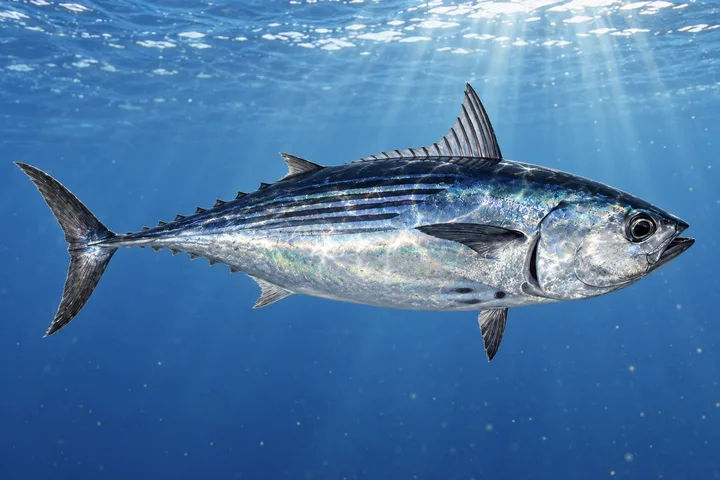
Skipjack tuna
Skipjack tuna
Katsuwonus pelamis
Shortfin mako
Shortfin mako
Isurus oxyrinchus
Leopard grouper
Leopard grouper
Mycteroperca rosacea
Colorado snapper
Colorado snapper
Lutjanus colorado
Striped bonito
Striped bonito
Sarda orientalis
Black skipjack
Black skipjack
Euthynnus lineatus
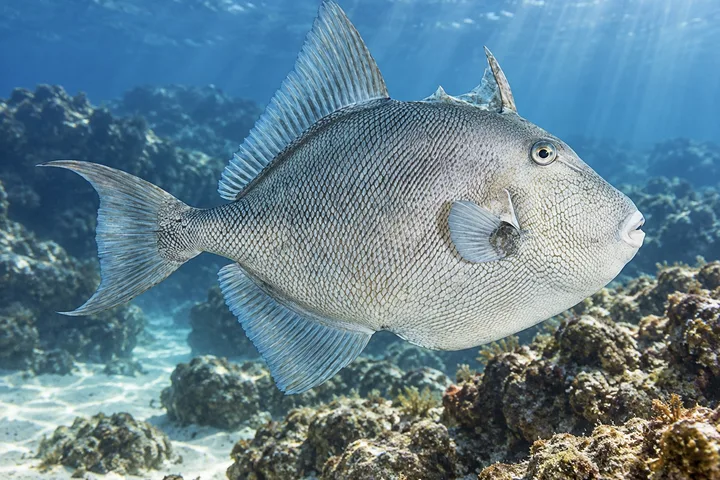
Finescale triggerfish
Balistes polylepis
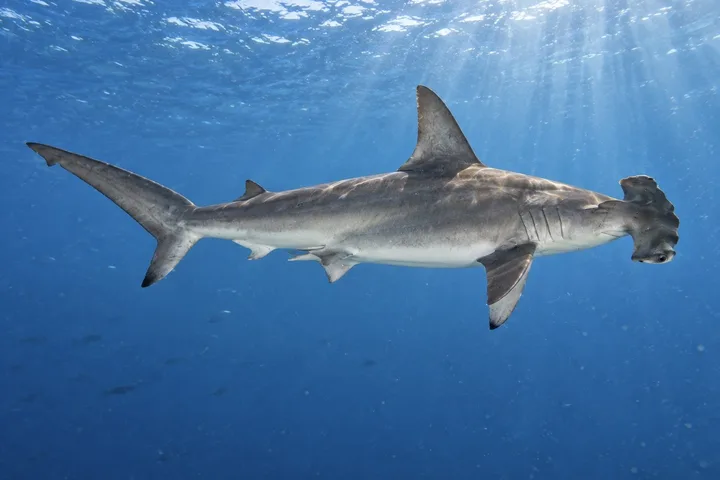
Scalloped hammerhead
Sphyrna lewini
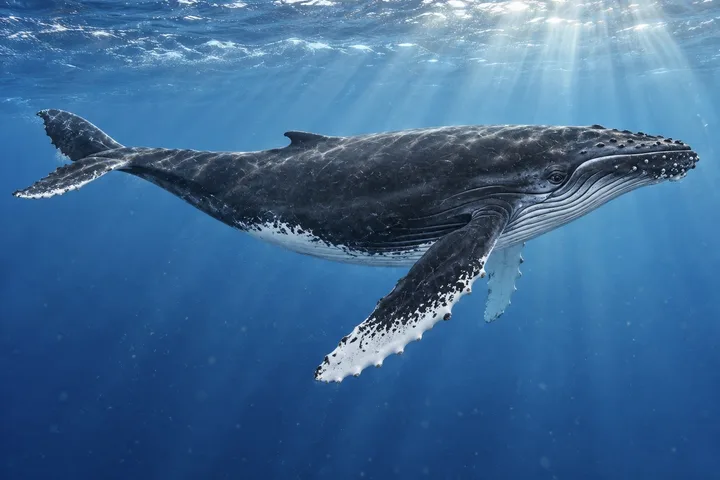
Humpback whale
Humpback whale
Megaptera novaeangliae
Gray whale
Gray whale
Eschrichtius robustus
California sea lion
California sea lion
Zalophus californianus
Whale shark
Whale shark
Rhincodon typus
Olive ridley sea turtle
Lepidochelys olivacea
Bottlenose dolphin
Bottlenose dolphin
Tursiops truncatus
Munk's devil ray (mobula)
Mobula munkiana
Swordfish
Swordfish
Xiphias gladius
Almaco jack
Almaco jack
Seriola rivoliana
Bigeye trevally
Bigeye trevally
Caranx sexfasciatus
Spotted cabrilla
Spotted cabrilla
Epinephelus analogus
Pacific dog snapper
Pacific dog snapper
Lutjanus novemfasciatus
Barred pargo
Barred pargo
Hoplopagrus guentherii
Blue whale
Blue whale
Balaenoptera musculus
Green sea turtle (black turtle)
Chelonia mydas
Leatherback sea turtle
Dermochelys coriacea
Rainbow runner
Rainbow runner
Elagatis bipinnulata
Gulf grouper
Gulf grouper
Mycteroperca jordani
Yellow snapper
Yellow snapper
Lutjanus argentiventris
Pacific white snook
Pacific white snook
Centropomus viridis
Mexican barracuda
Mexican barracuda
Sphyraena ensis
Silky shark
Silky shark
Carcharhinus falciformis
Humboldt squid
Humboldt squid
Dosidicus gigas
Giant manta ray
Giant manta ray
Mobula birostris
Fin whale
Fin whale
Balaenoptera physalus
Orca (killer whale)
Orca (killer whale)
Orcinus orca
Hawksbill sea turtle (carey)
Eretmochelys imbricata
Brown pelican
Brown pelican
Pelecanus occidentalis
Magnificent frigatebird
Fregata magnificens
Shortbill spearfish
Shortbill spearfish
Tetrapturus angustirostris
Loggerhead sea turtle (caguama)
Caretta caretta
Osprey
Osprey
Pandion haliaetus
Blue-footed booby
Blue-footed booby
Sula nebouxii
Common dolphin
Common dolphin
Delphinus delphis
Oarfish
Oarfish
Regalecus russelii
Heermann’s gull
Heermann’s gull
Larus heermanni
Yellow-footed gull
Yellow-footed gull
Larus livens
Ocean sunfish
Ocean sunfish
Mola mola
Sperm whale
Sperm whale
Physeter macrocephalus
Sally Lightfoot crab
Grapsus grapsus
Blue spiny lobster
Blue spiny lobster
Panulirus inflatus
Chocolate clam
Chocolate clam
Megapitaria squalida
Pelagic red crab
Pelagic red crab
Grimothea planipes
Hubbs’ octopus
Hubbs’ octopus
Octopus hubbsorum
Jewel moray
Jewel moray
Muraena lentiginosa
Panamic green moray
Panamic green moray
Gymnothorax castaneus
Spinner dolphin
Spinner dolphin
Stenella longirostris
Risso’s dolphin
Risso’s dolphin
Grampus griseus
Short-finned pilot whale
Globicephala macrorhynchus
Bigeye tuna
Bigeye tuna
Thunnus obesus
Pelagic thresher
Pelagic thresher
Alopias pelagicus
Blue shark
Blue shark
Prionace glauca
Giant hawkfish
Giant hawkfish
Cirrhitus rivulatus
Pacific bonito
Pacific bonito
Sarda lineolata
Cortez angelfish
Cortez angelfish
Pomacanthus zonipectus
Talk to the family

Questions? Message the family

The Vargas family answers personally. 7 days a week, 5 AM – 6 PM Cabo time.