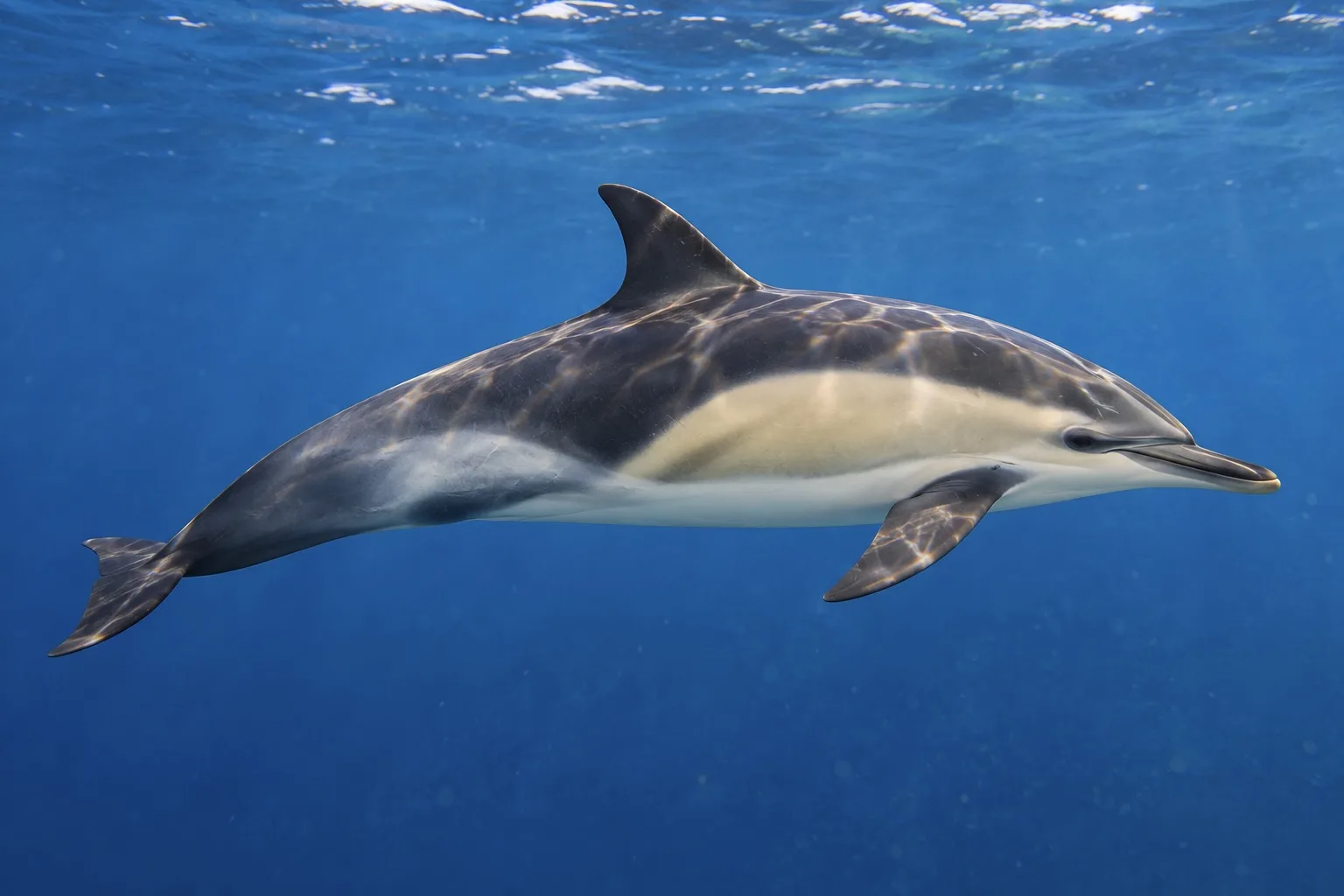
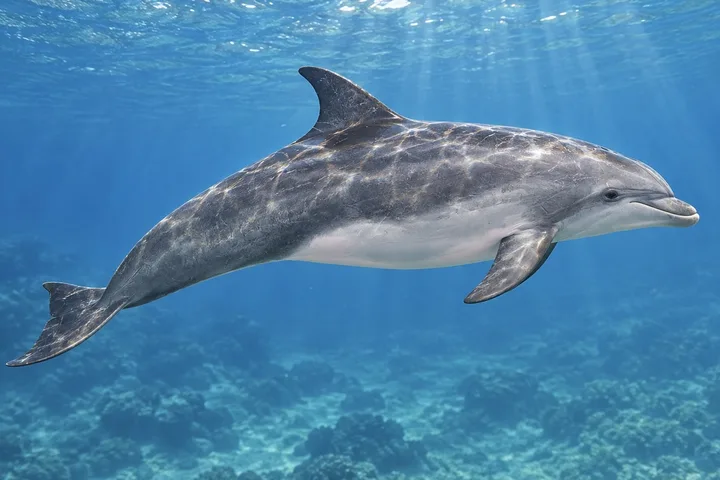
Common dolphin (Delphinus delphis), illustration
Protected Delphinus delphis(D. delphis bairdii, formerly D. capensis)

Common dolphin in Los Cabos

Common dolphins travel in groups of hundreds, sometimes thousands, and love to race in and ride a boat’s bow wave. The Gulf of California holds the largest common dolphins known anywhere.

Up to 2.65 mLength (Gulf of California record)
80–300Group size seen in La Paz Bay
Up to 10,000Largest mega-pods
~300 mMaximum dive depth

When to see them

●● best months · ● regular · · occasional. Based on scientific studies and local reports; it changes year to year.

Tap a month to see everything biting in Cabo that month ›

How to recognize it

A slim dolphin with a sharp beak and a crisscross “hourglass” on each side: dark gray cape on the back, a yellowish-tan patch in front of the dorsal fin and pale gray behind it, with a white belly. The tall dorsal fin often has a lighter center. The long-beaked form has a longer beak and a dark stripe from the mouth toward the flipper that makes its face look darker.

Biology

Two forms live in Mexican waters. The long-beaked common dolphin of the eastern Pacific stays within about 185 km of the coast, from central California to just south of the tip of Baja and throughout the whole Gulf of California. It was long called Delphinus capensis, but the Society for Marine Mammalogy no longer recognizes that species and lists it as the subspecies D. delphis bairdii; a 2024 study argues it should be its own species, D. bairdii. The short-beaked form is more oceanic and is widespread in the eastern tropical Pacific. Around Los Cabos both are possible, but the dolphins near the coast and inside the Gulf are mostly long-beaked.

They hunt schooling fish such as sardines and anchovies, plus squid, often diving at night. They’re fast, acrobatic and social: they leap clear of the water at speed, somersault and ride boat bow waves for long stretches. In the eastern tropical Pacific, short-beaked common dolphins travel with tuna schools and seabird flocks, the association that once made them a bycatch of the tuna fleet.

Things you probably didn't know

01

Long beaks evolved more than once

The “long-beaked common dolphin” used to be a separate species worldwide. Scientists found that long beaks evolved independently in different oceans, so the Society for Marine Mammalogy dropped Delphinus capensis and keeps Baja’s form as a subspecies.

Source ↗
02

The biggest common dolphins on Earth

Gulf of California long-beaked dolphins are the largest Delphinus ever measured: up to 2.52 m for females and 2.65 m for males.

Source ↗
03

From 24,307 to 62

In 1986, tuna purse seiners in the eastern Pacific killed an estimated 24,307 common dolphins. In 2023, under the dolphin program run by the IATTC, the estimate was 62.

Source ↗
04

A common dolphin–bottlenose hybrid

In 2016 a hybrid calf was born in the Bay of Algeciras, Spain, to a female bottlenose dolphin that had spent about 10 years living with common dolphins. It has a bottlenose’s body and a common dolphin’s crisscross pattern.

Source ↗
05

The Gulf’s whistles, described only in 2023

The first description of long-beaked common dolphin whistles from the Gulf of California, recorded in La Paz Bay in 2020–21, analyzed 270 whistles ranging from 2.6 to 26 kHz.

Source ↗
06

Night divers

Common dolphins usually feed at night around 30 m deep, but they can dive to about 300 m.

Source ↗

Photos

Reizo Knapp · iNaturalist · CC BY 4.0
iNaturalist contributor · iNaturalist · CC0
Sula Vanderplank · iNaturalist · CC BY 4.0
Jay Pruett · iNaturalist · CC BY 4.0
iNaturalist contributor · iNaturalist · CC0

Seeing them from the boat

Common dolphins are seen year-round off Los Cabos, both on the Pacific side and toward the Sea of Cortez, and local reports describe superpods of hundreds to thousands of dolphins off Cabo, leaping and churning the water for hundreds of meters; according to the same reports, birds and feeding dolphins can also mean bait and predators nearby.

Enjoy them from the boat: keep a steady course and speed, let them choose to ride the bow, don’t drive through or split up a pod, and never feed them or try to swim with them. Keep lines and lures clear when a pod is around.

Rules & conservation

Mexico (NOM-059)Subject to special protection (Pr), both the long-beaked and short-beaked forms
Ley General de Vida Silvestre, art. 60 BisNo extractive use or possession of any marine mammal, except authorized research and conservation
Whale-watching rules (NOM-131)Do not apply: NOM-131 covers only baleen whales and the sperm whale
Tuna fisheryDolphin mortality in eastern Pacific purse seining is monitored under the IATTC’s International Dolphin Conservation Program
IUCN Red ListLeast Concern (2021)

Don't confuse it with

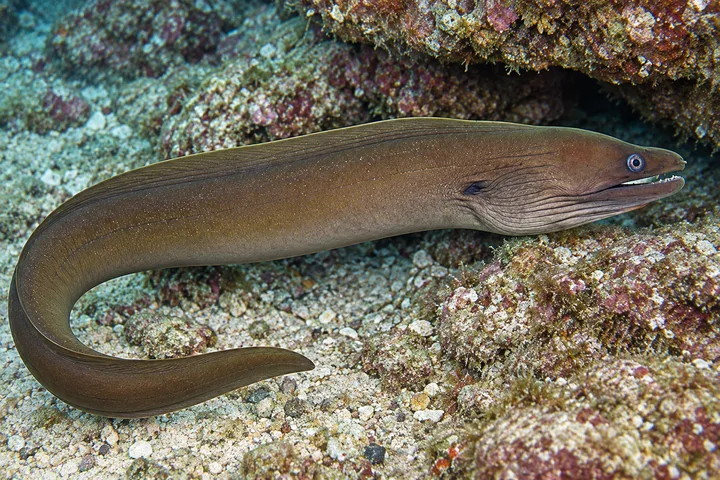
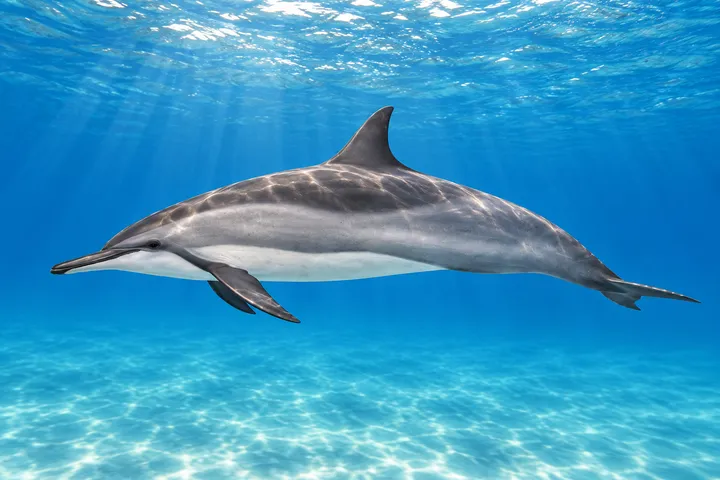
The bottlenose dolphin is bigger and plain gray, with a short, thick beak and no hourglass pattern. The spinner dolphin has a very long, thin beak and a three-tone pattern and spins in the air, while the pantropical spotted dolphin has spots and a white-tipped beak.

Questions

Can you see common dolphins in Cabo San Lucas?

Yes, year-round. Local reports describe pods of hundreds or even thousands.

What’s the difference between long-beaked and short-beaked common dolphins?

The long-beaked form is bigger, has a longer beak and a darker face, and stays near the coast; it’s the one that lives throughout the Gulf of California. The short-beaked form is more oceanic.

Are common dolphins endangered?

Globally they are Least Concern on the IUCN Red List, but in Mexico both forms are subject to special protection (Pr) under NOM-059, and no marine mammal may be captured or kept.

By Max VargasTop Anglers, Cabo San Lucas · international judge at big game fishing world championships · reviewed October 2026

Sources

Top illustration: Top Anglers. Photos: iNaturalist contributors, credited on each photo.

See Cabo from the water

Our charters leave the Cabo San Lucas marina every morning. From $799 with license included.
More species

Pacific sierra
Pacific sierra
Scomberomorus sierra
California yellowtail
Seriola dorsalis
Pacific crevalle jack
Caranx caninus
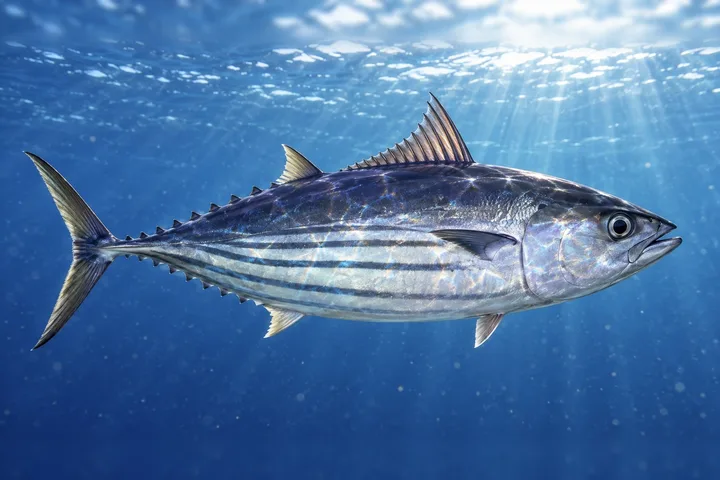
Skipjack tuna
Skipjack tuna
Katsuwonus pelamis
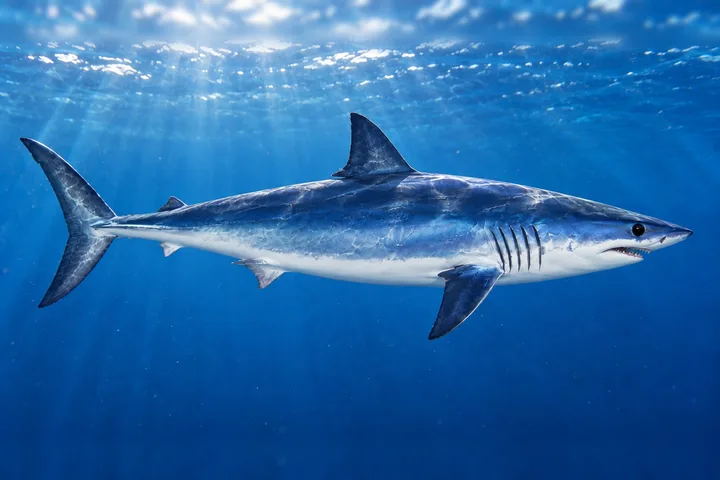
Shortfin mako
Shortfin mako
Isurus oxyrinchus
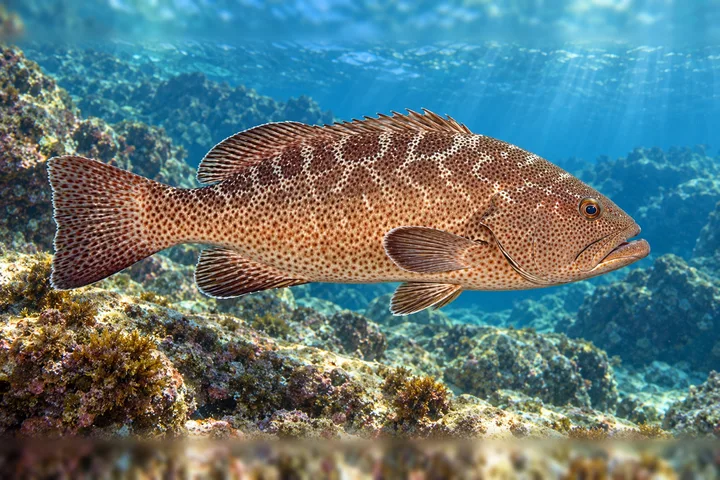
Leopard grouper
Leopard grouper
Mycteroperca rosacea
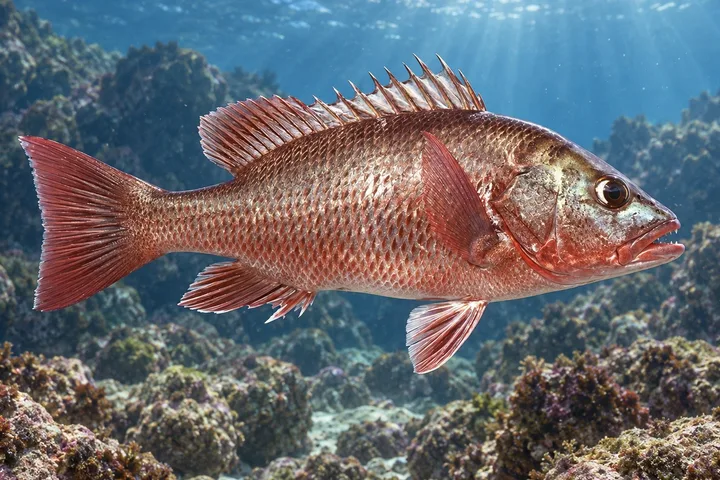
Colorado snapper
Colorado snapper
Lutjanus colorado
Striped bonito
Striped bonito
Sarda orientalis
Black skipjack
Black skipjack
Euthynnus lineatus
Finescale triggerfish
Balistes polylepis
Scalloped hammerhead
Sphyrna lewini
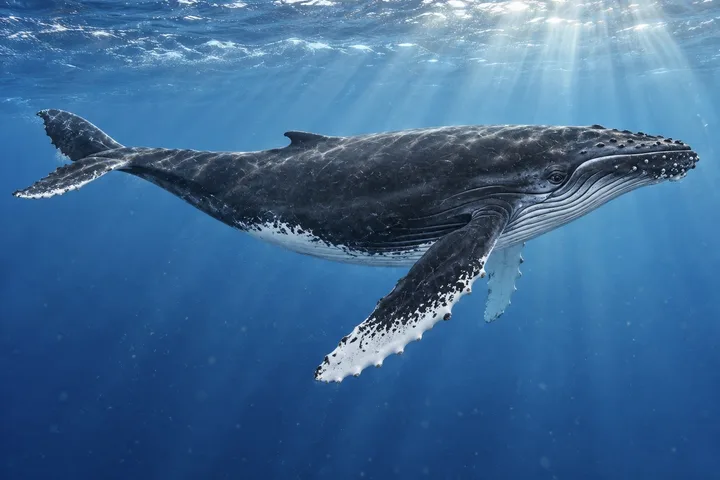
Humpback whale
Humpback whale
Megaptera novaeangliae
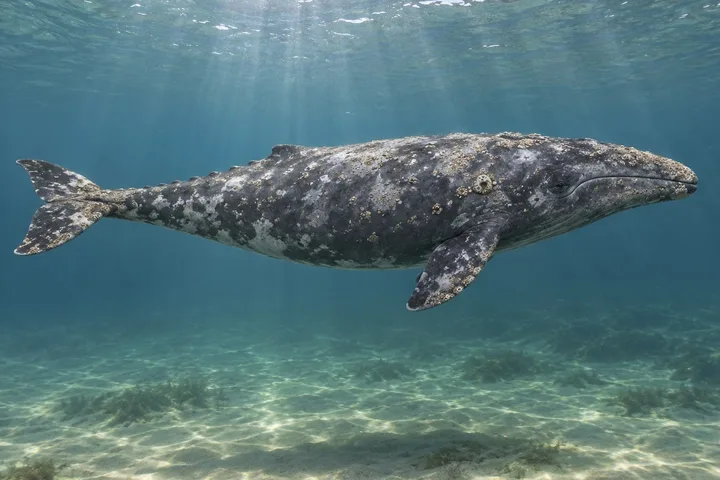
Gray whale
Gray whale
Eschrichtius robustus
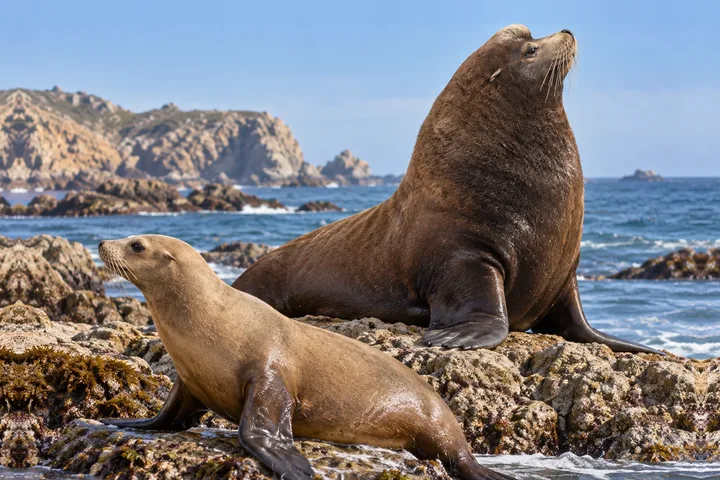
California sea lion
California sea lion
Zalophus californianus
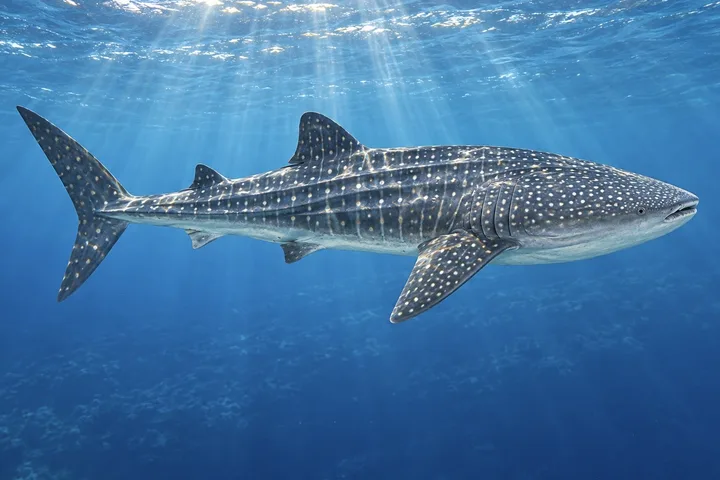
Whale shark
Whale shark
Rhincodon typus
Olive ridley sea turtle
Lepidochelys olivacea
Bottlenose dolphin
Bottlenose dolphin
Tursiops truncatus
Munk's devil ray (mobula)
Mobula munkiana
Swordfish
Swordfish
Xiphias gladius
Almaco jack
Almaco jack
Seriola rivoliana
Bigeye trevally
Bigeye trevally
Caranx sexfasciatus
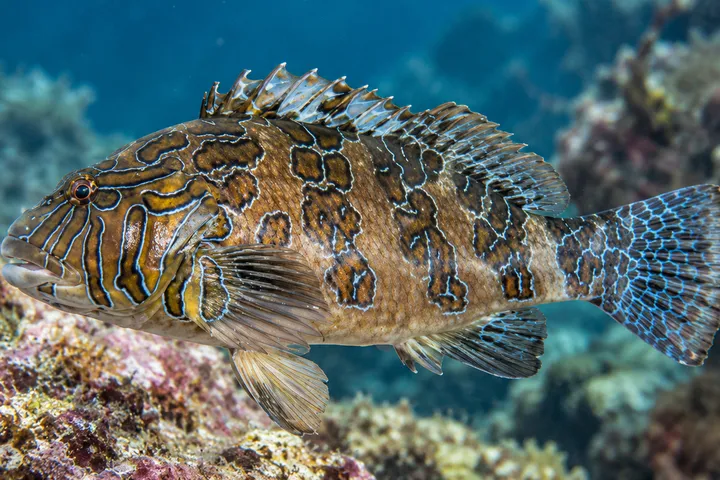
Spotted cabrilla
Spotted cabrilla
Epinephelus analogus
Pacific dog snapper
Pacific dog snapper
Lutjanus novemfasciatus
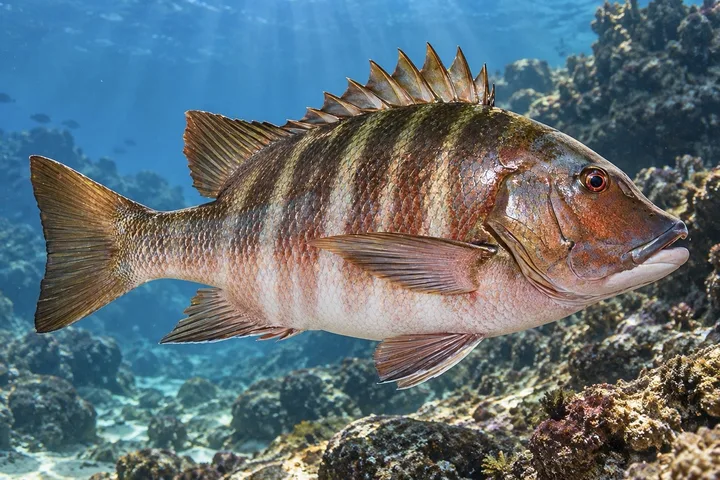
Barred pargo
Barred pargo
Hoplopagrus guentherii
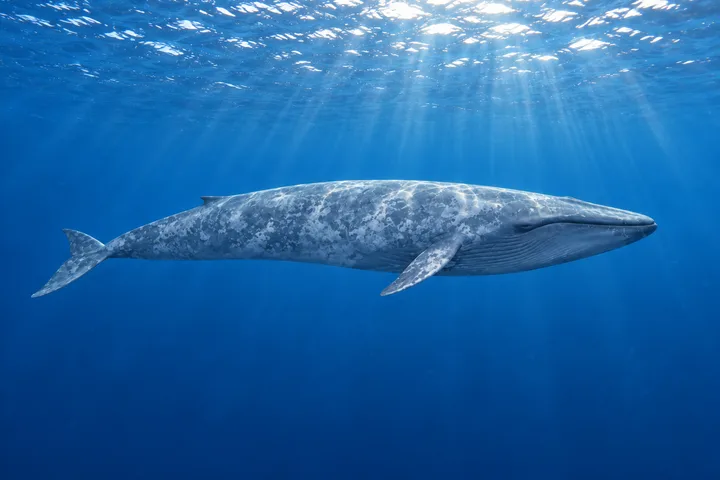
Blue whale
Blue whale
Balaenoptera musculus
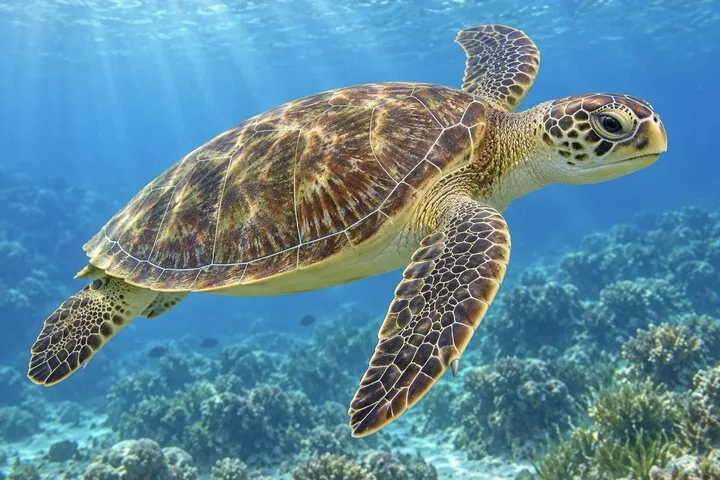
Green sea turtle (black turtle)
Chelonia mydas
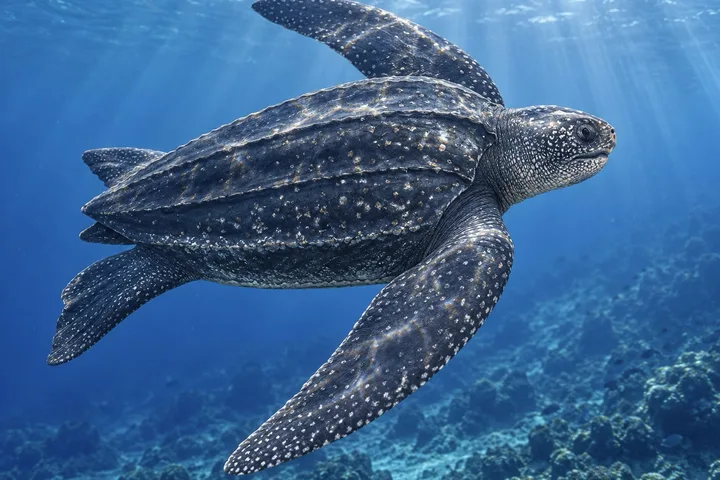
Leatherback sea turtle
Dermochelys coriacea
Rainbow runner
Rainbow runner
Elagatis bipinnulata
Gulf grouper
Gulf grouper
Mycteroperca jordani
Yellow snapper
Yellow snapper
Lutjanus argentiventris
Pacific white snook
Pacific white snook
Centropomus viridis
Mexican barracuda
Mexican barracuda
Sphyraena ensis
Silky shark
Silky shark
Carcharhinus falciformis
Mexican needlefish
Mexican needlefish
Tylosurus fodiator
Humboldt squid
Humboldt squid
Dosidicus gigas
Giant manta ray
Giant manta ray
Mobula birostris
Fin whale
Fin whale
Balaenoptera physalus
Orca (killer whale)
Orca (killer whale)
Orcinus orca
Hawksbill sea turtle (carey)
Eretmochelys imbricata
Brown pelican
Brown pelican
Pelecanus occidentalis
Magnificent frigatebird
Fregata magnificens
Shortbill spearfish
Shortbill spearfish
Tetrapturus angustirostris
Loggerhead sea turtle (caguama)
Caretta caretta
Osprey
Osprey
Pandion haliaetus
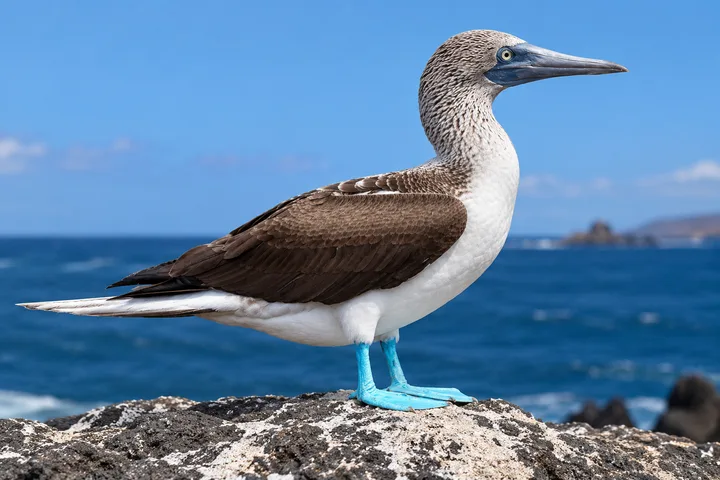
Blue-footed booby
Blue-footed booby
Sula nebouxii
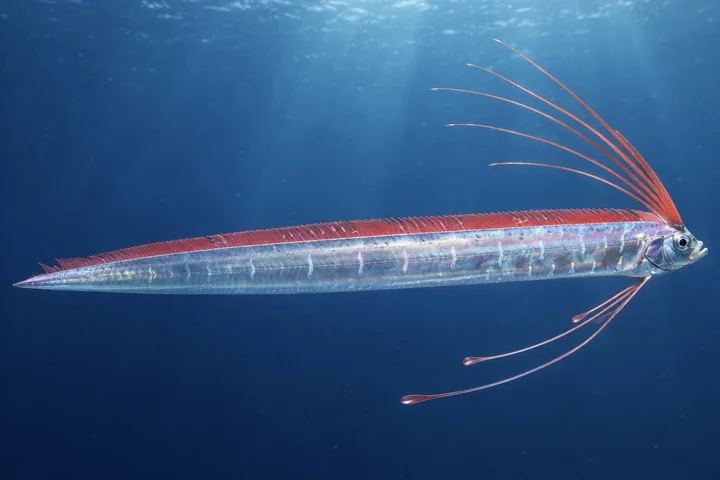
Oarfish
Oarfish
Regalecus russelii
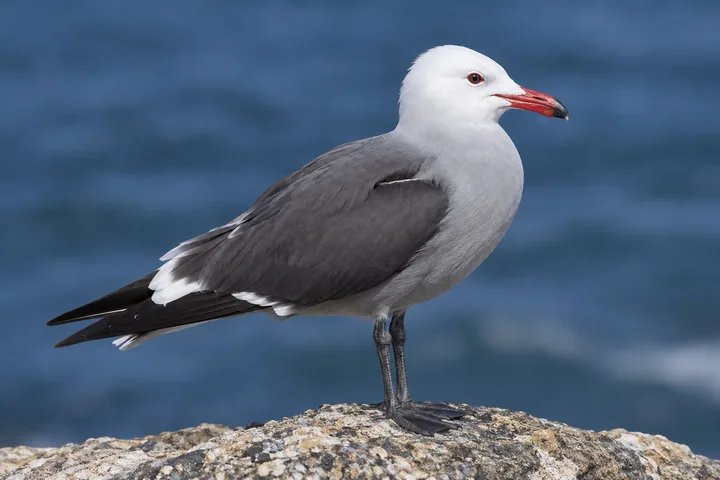
Heermann’s gull
Heermann’s gull
Larus heermanni
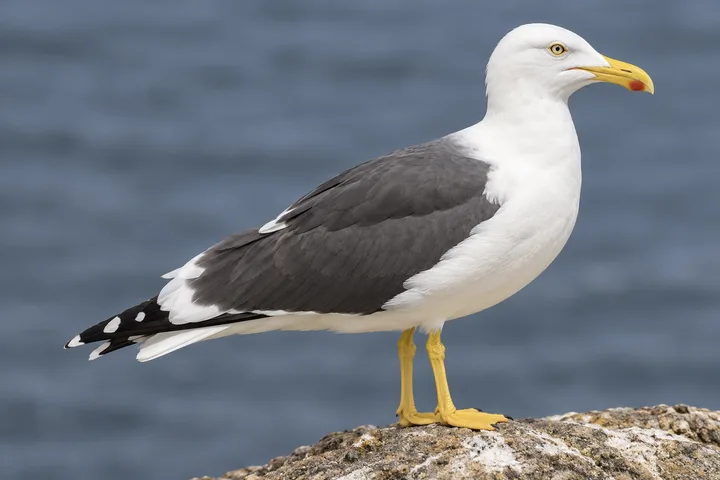
Yellow-footed gull
Yellow-footed gull
Larus livens
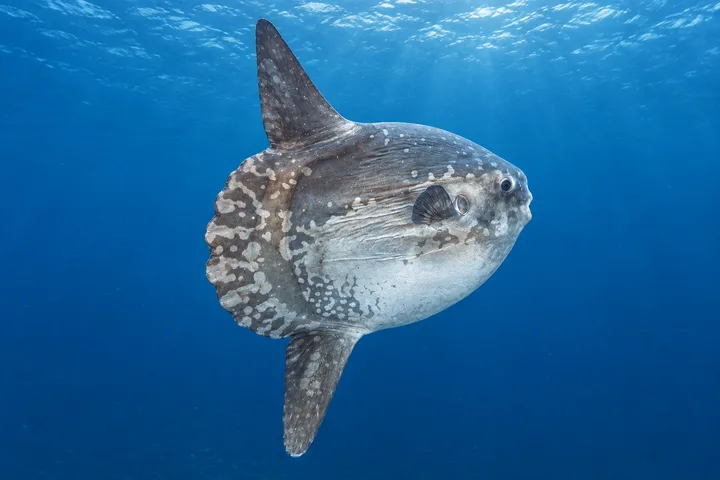
Ocean sunfish
Ocean sunfish
Mola mola
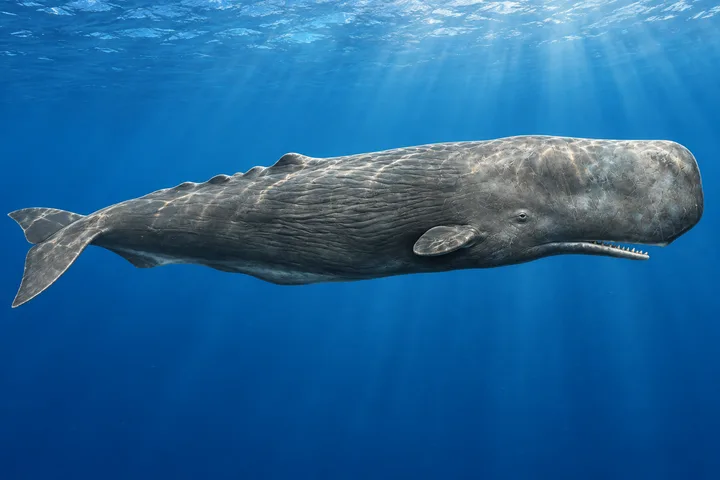
Sperm whale
Sperm whale
Physeter macrocephalus
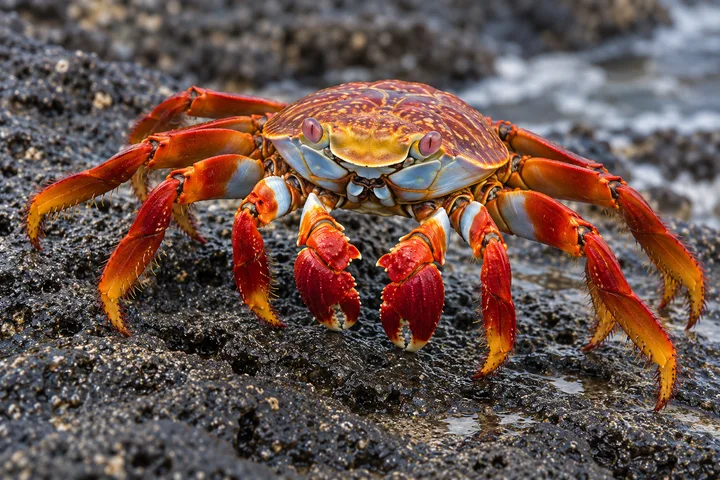
Sally Lightfoot crab
Grapsus grapsus
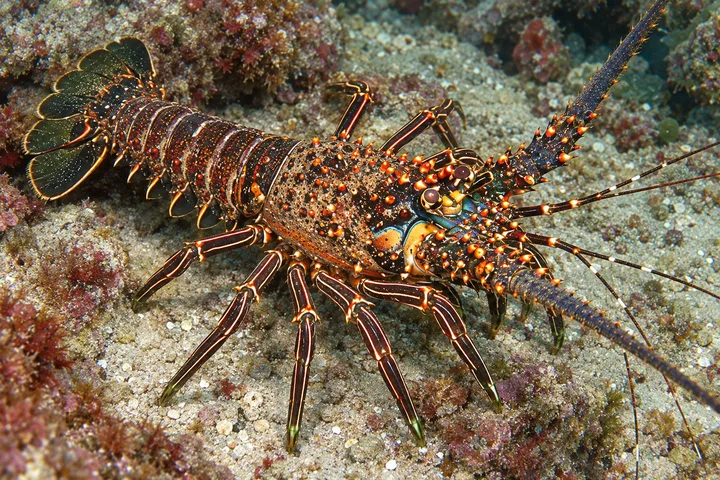
Blue spiny lobster
Blue spiny lobster
Panulirus inflatus
Chocolate clam
Chocolate clam
Megapitaria squalida
Pelagic red crab
Pelagic red crab
Grimothea planipes
Hubbs’ octopus
Hubbs’ octopus
Octopus hubbsorum
Jewel moray
Jewel moray
Muraena lentiginosa
Panamic green moray
Panamic green moray
Gymnothorax castaneus
Spinner dolphin
Spinner dolphin
Stenella longirostris
Risso’s dolphin
Risso’s dolphin
Grampus griseus
Short-finned pilot whale
Globicephala macrorhynchus
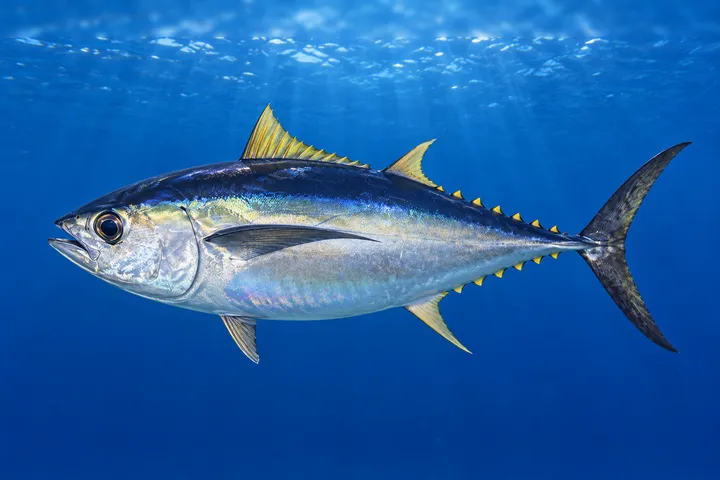
Bigeye tuna
Bigeye tuna
Thunnus obesus
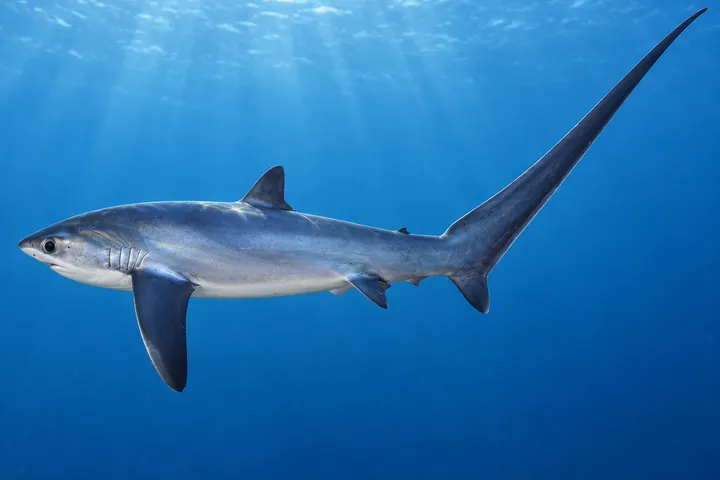
Pelagic thresher
Pelagic thresher
Alopias pelagicus
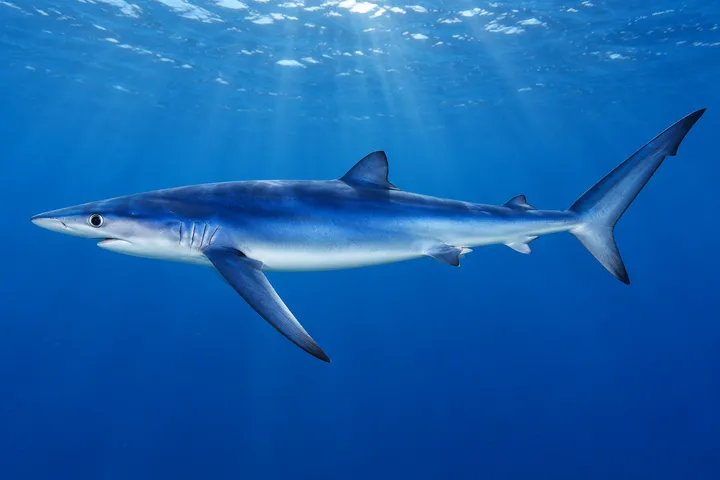
Blue shark
Blue shark
Prionace glauca
Giant hawkfish
Giant hawkfish
Cirrhitus rivulatus
Pacific bonito
Pacific bonito
Sarda lineolata
Cortez angelfish
Cortez angelfish
Pomacanthus zonipectus
Talk to the family

Questions? Message the family

The Vargas family answers personally. 7 days a week, 5 AM – 6 PM Cabo time.