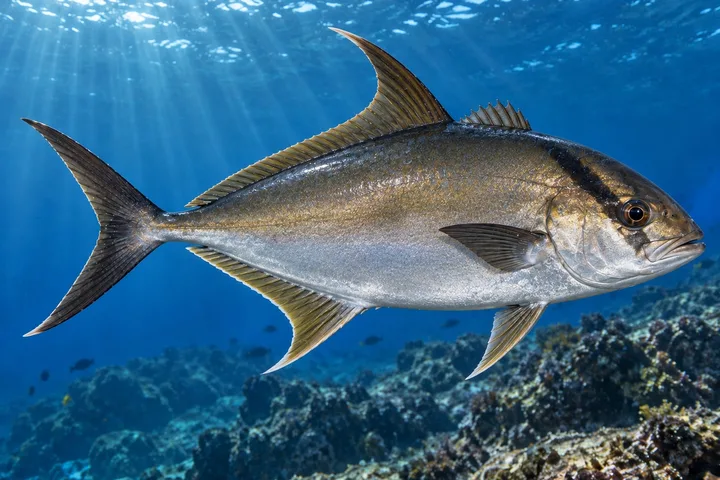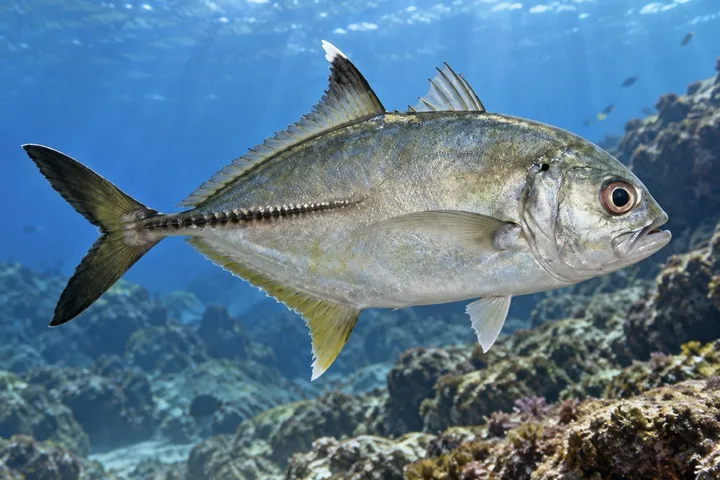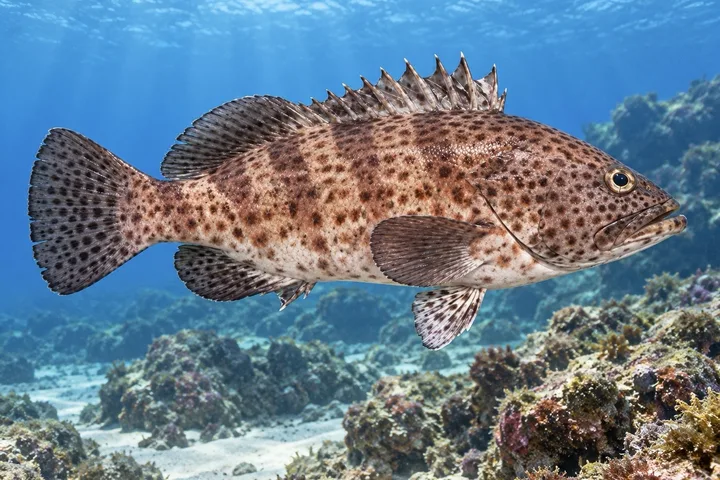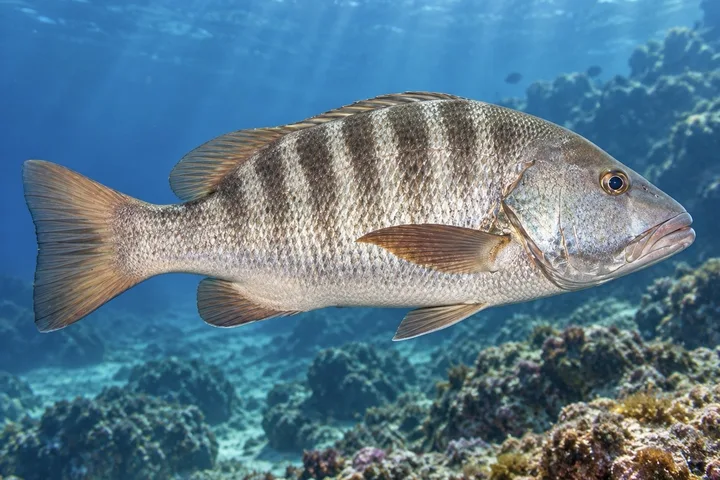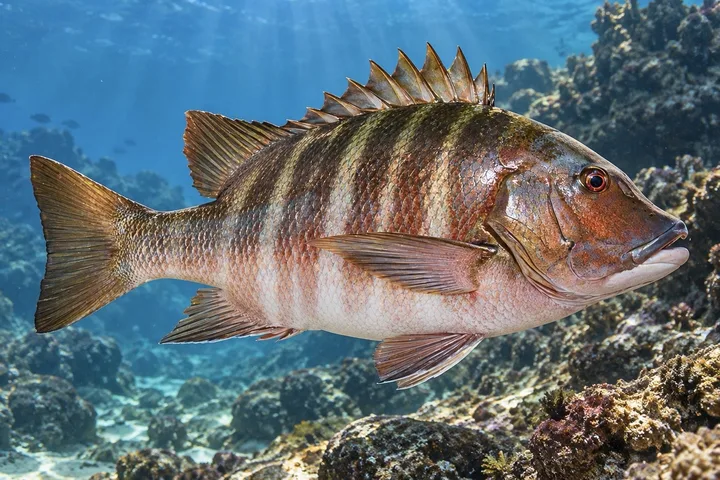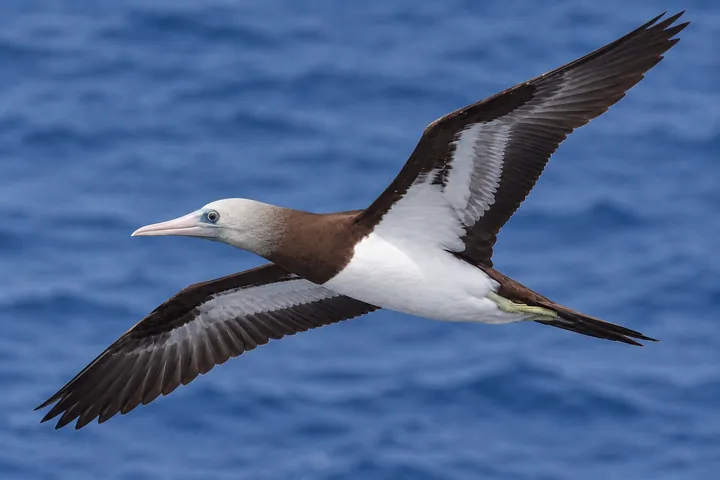
African pompano (Alectis ciliaris), illustration
Sport fishing Alectis ciliaris

African pompano in Los Cabos

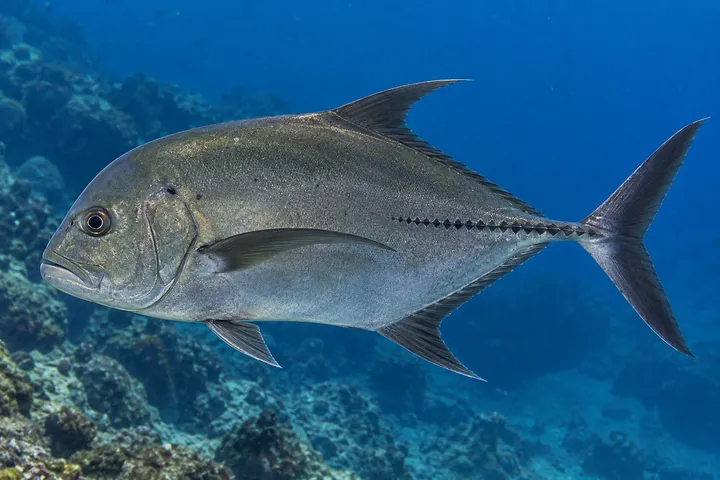
A tall, flat, mirror-silver jack with a steep, rounded forehead. The young drift in open water trailing fin threads several times longer than their bodies; adults lose most of that length and live near the bottom. It occurs at the tip of Baja, but it is an uncommon catch.

Up to 150 cmMax length
50 lb 8 ozIGFA world record
0–100 mDepth range
5 per dayLimit per angler

Season in Los Cabos

●● best months · ● regular · · occasional. Based on local fishing reports; conditions change year to year.

Tap a month to see everything biting in Cabo that month ›

How to recognize it

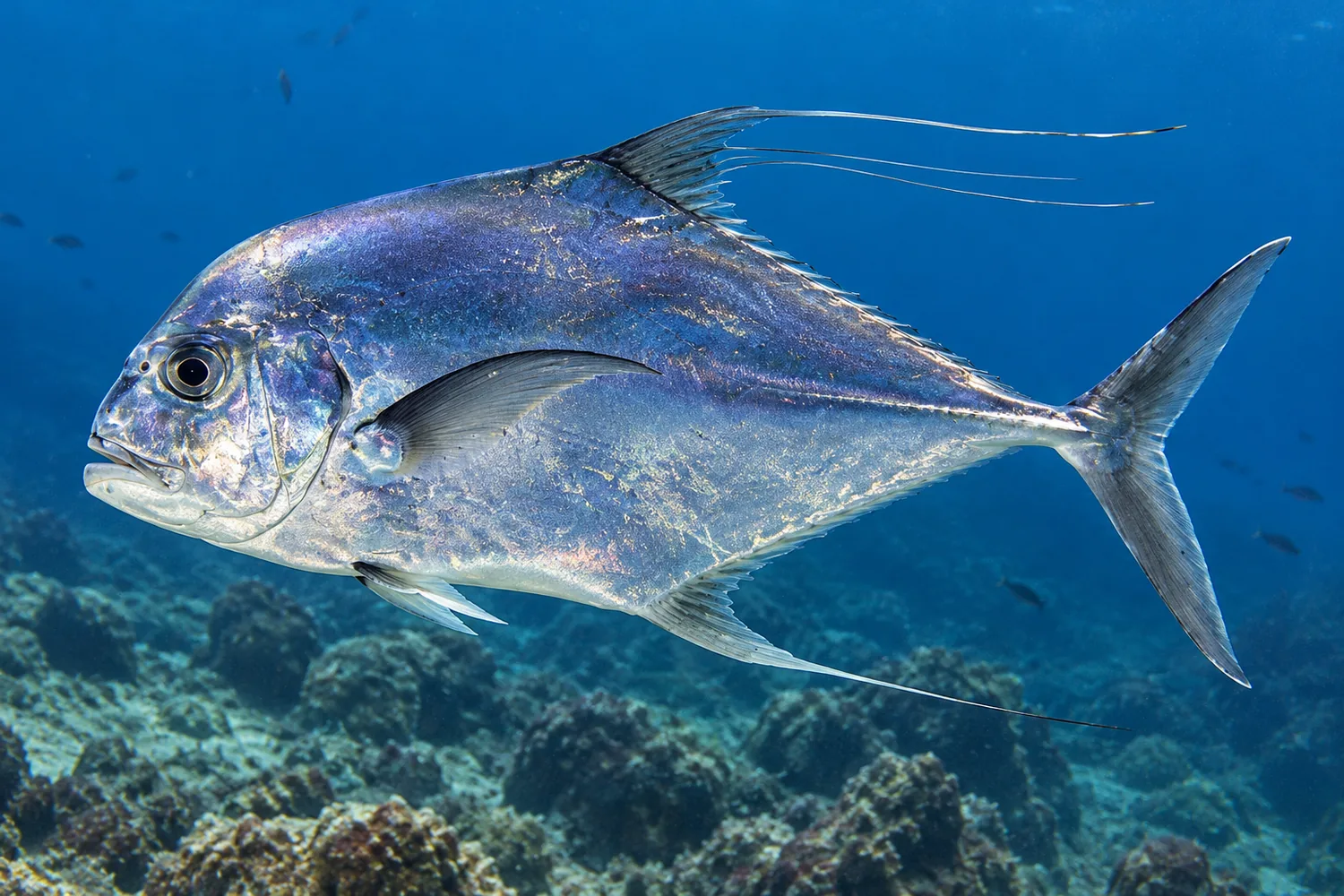
Deep, strongly compressed body that becomes longer with age, with a steep, rounded head profile. The scales are tiny and buried in the skin, so the fish looks scaleless. Silvery with a light metallic blue tinge on the back and a small, diffuse dark spot at the upper end of the gill opening. The front lobes of the second dorsal and anal fins are long; in juveniles they become extremely long threads, and juveniles also show 5 chevron-shaped bars on the body. The pectoral fins are long and curved, and the straight rear part of the lateral line has 18 to 22 scutes near the tail.

Biology

The African pompano lives in tropical seas worldwide. In the eastern Pacific it ranges from the tip of Baja and the southwestern and southeastern Gulf of California to Chile, including the Revillagigedo, Galápagos, Cocos and Malpelo islands. It has been recorded at several localities in Baja California Sur. Reef Life Survey divers rarely see it: it turns up at less than 1% of the reef sites they survey within its range.

Young fish are pelagic and drift in open water, while adults are solitary in coastal seas and usually stay near the bottom, from the surface down to about 100 m. They feed on slow-moving crustaceans and occasionally on small crabs and fish. It reaches 150 cm and the heaviest on record is the 22.9 kg IGFA world record fish.

Things you probably didn't know

01

The fish with long lashes

Ciliaris means with long lashes, for the thread-like dorsal and anal fin rays of the young, which get shorter with age.

Source ↗
02

Threads longer than the fish

In juveniles the fin filaments can be several times the length of the body.

Source ↗
03

Once filed with the John Dory

Alectis means cock (the bird). The species was first placed in the John Dory genus Zeus, whose members were then called sea-cocks and fish-cocks.

Source ↗
04

Hidden spines

In adults, all but one spine of the first dorsal fin are buried under the skin.

Source ↗
05

Looks scaleless

Its scales are so small and so deeply embedded that the body appears to have none.

Source ↗
06

A record over 22 kg

The IGFA all-tackle record is 22.9 kg (50 lb 8 oz), caught off Daytona Beach, Florida, in 1990.

Source ↗

How it's caught in Los Cabos

African pompano occur around the tip of Baja but are uncommon, so one is a bonus catch rather than a target you can plan a trip around. Adults are solitary and stay near the bottom in coastal waters.

They are usually hooked on jigs or live bait worked close to the bottom. A big one is a long, heavy fight, so keep steady pressure. Sport fishing is not allowed inside Cabo Pulmo National Park.

On the table

FishBase rates it an excellent food fish, marketed fresh, dried or salted, but also lists reports of ciguatera poisoning for this species.

Rules, records & conservation

Daily limit (NOM-017-PESC-1994)Up to 5 per angler per day, within the 10-fish total
Mexico (NOM-059-SEMARNAT-2010)Not listed
IUCN Red ListLeast Concern (2009)
IGFA all-tackle record50 lb 8 oz (22.9 kg), Daytona Beach, Florida, USA, 1990
IGFA all-tackle length record100 cm, Key West, Florida, USA, 2011
Cabo Pulmo National ParkSport fishing not allowed

Uncommon around Los Cabos; a bonus fish, not a target.

Don't confuse it with

The Pacific lookdown (Selene brevoortii) and the hairfin lookdown or Mexican moonfish (Paraselene orstedii) are also flat, silver and thread-finned when young, but they have a very steep, concave forehead and stay small (42 cm and 31 cm). The threadfin jack (Euprepocaranx dorsalis) has filaments on the second dorsal and anal fins too, but it has an elongate black spot on the gill cover, 43 to 56 small scutes and reaches only 60 cm. The African pompano has a rounded, not concave, forehead and grows far larger.

Questions

Why does the young fish have such long threads?

The front rays of the dorsal and anal fins grow into filaments that can be several times longer than the body. They get shorter as the fish grows.

Is African pompano good to eat?

FishBase rates it an excellent food fish, but it also lists reports of ciguatera for this species.

How big do African pompano get?

Up to 150 cm. The IGFA world record is 22.9 kg (50 lb 8 oz), from Florida.

By Max VargasTop Anglers, Cabo San Lucas · international judge at big game fishing world championships · reviewed October 2026

Sources

Top illustration: Top Anglers. Photos: iNaturalist contributors, credited on each photo.

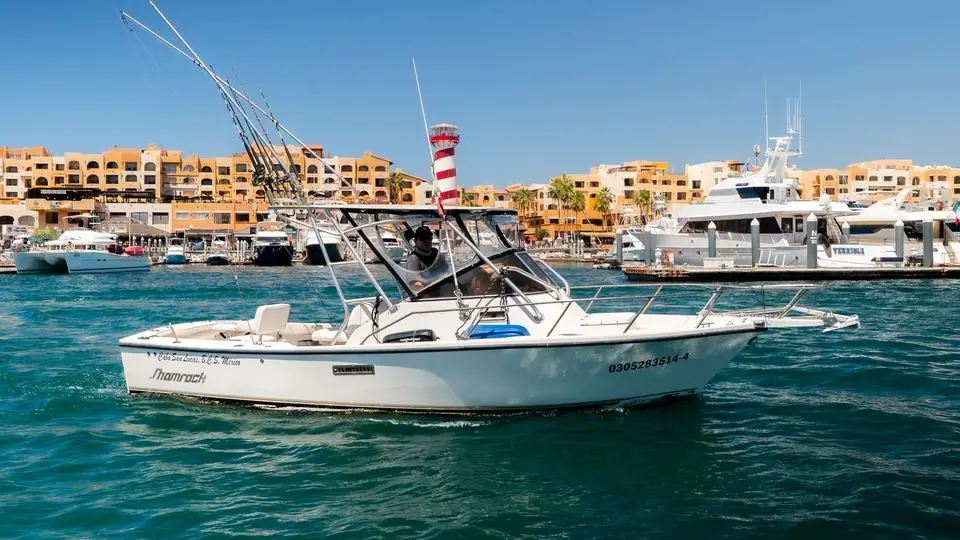
Boats for african pompano

Pangas and small boats that work the beaches, points and rocky reefs. From $698 with license included.
More species

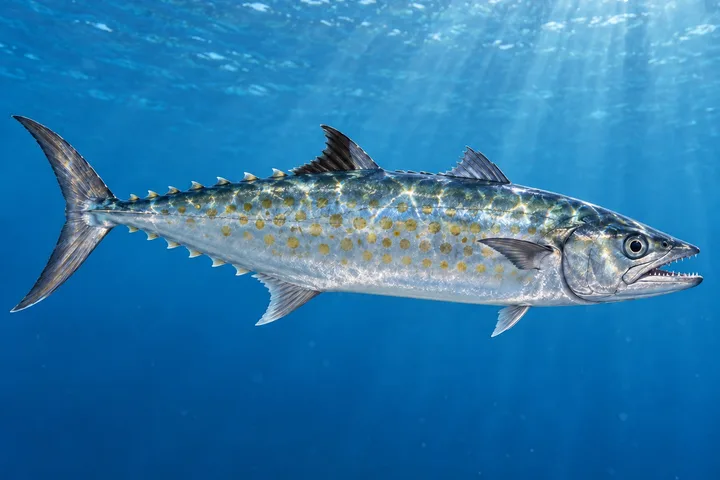
Pacific sierra
Pacific sierra
Scomberomorus sierra
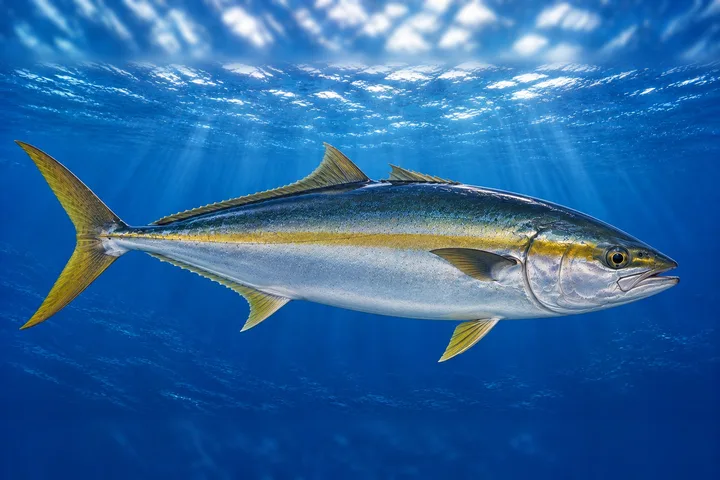
California yellowtail
Seriola dorsalis
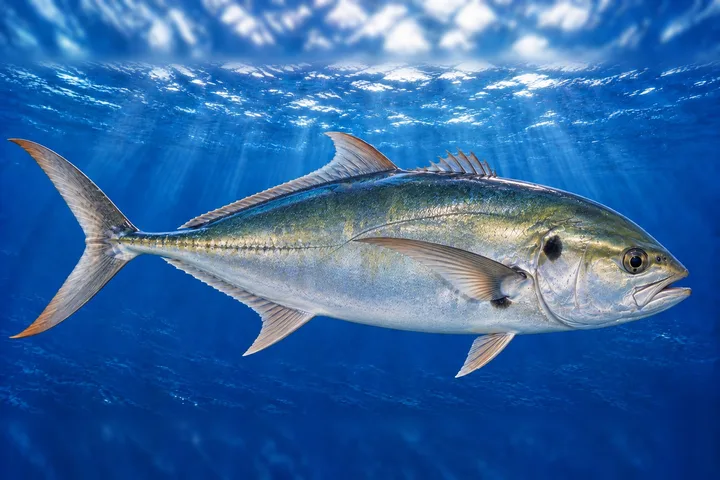
Pacific crevalle jack
Caranx caninus
Skipjack tuna
Skipjack tuna
Katsuwonus pelamis
Shortfin mako
Shortfin mako
Isurus oxyrinchus
Leopard grouper
Leopard grouper
Mycteroperca rosacea
Colorado snapper
Colorado snapper
Lutjanus colorado
Striped bonito
Striped bonito
Sarda orientalis
Black skipjack
Black skipjack
Euthynnus lineatus
Finescale triggerfish
Balistes polylepis
Scalloped hammerhead
Sphyrna lewini
Humpback whale
Humpback whale
Megaptera novaeangliae
Gray whale
Gray whale
Eschrichtius robustus
California sea lion
California sea lion
Zalophus californianus
Whale shark
Whale shark
Rhincodon typus
Olive ridley sea turtle
Lepidochelys olivacea
Bottlenose dolphin
Bottlenose dolphin
Tursiops truncatus
Munk's devil ray (mobula)
Mobula munkiana
Swordfish
Swordfish
Xiphias gladius
Almaco jack
Almaco jack
Seriola rivoliana
Bigeye trevally
Bigeye trevally
Caranx sexfasciatus
Spotted cabrilla
Spotted cabrilla
Epinephelus analogus
Pacific dog snapper
Pacific dog snapper
Lutjanus novemfasciatus
Barred pargo
Barred pargo
Hoplopagrus guentherii
Blue whale
Blue whale
Balaenoptera musculus
Green sea turtle (black turtle)
Chelonia mydas
Leatherback sea turtle
Dermochelys coriacea
Rainbow runner
Rainbow runner
Elagatis bipinnulata
Gulf grouper
Gulf grouper
Mycteroperca jordani
Yellow snapper
Yellow snapper
Lutjanus argentiventris
Pacific white snook
Pacific white snook
Centropomus viridis
Mexican barracuda
Mexican barracuda
Sphyraena ensis
Silky shark
Silky shark
Carcharhinus falciformis
Mexican needlefish
Mexican needlefish
Tylosurus fodiator
Humboldt squid
Humboldt squid
Dosidicus gigas
Giant manta ray
Giant manta ray
Mobula birostris
Fin whale
Fin whale
Balaenoptera physalus
Orca (killer whale)
Orca (killer whale)
Orcinus orca
Hawksbill sea turtle (carey)
Eretmochelys imbricata
Brown pelican
Brown pelican
Pelecanus occidentalis
Magnificent frigatebird
Fregata magnificens
Shortbill spearfish
Shortbill spearfish
Tetrapturus angustirostris
Loggerhead sea turtle (caguama)
Caretta caretta
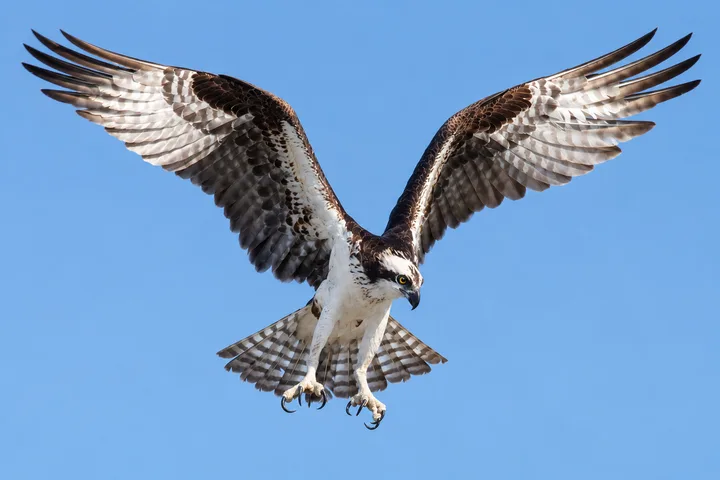
Osprey
Osprey
Pandion haliaetus
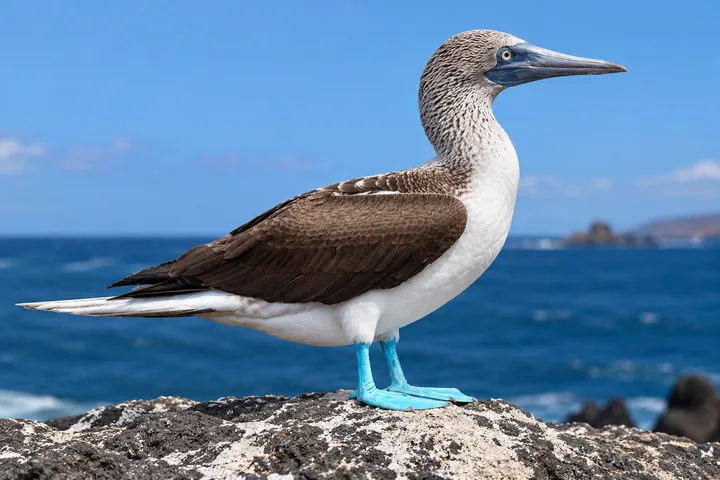
Blue-footed booby
Blue-footed booby
Sula nebouxii
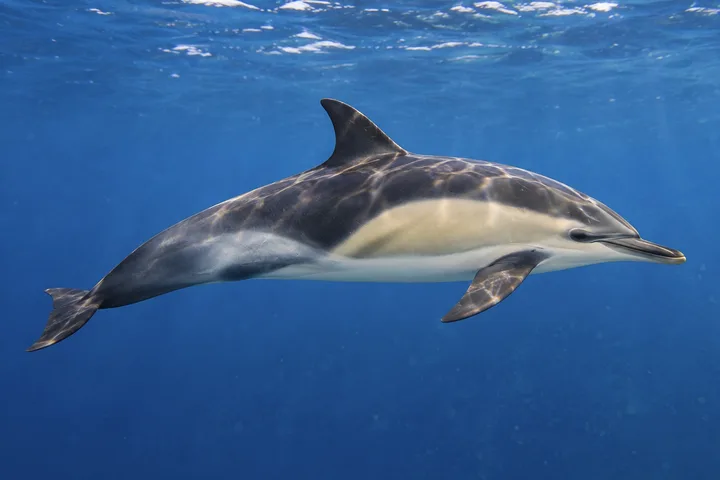
Common dolphin
Common dolphin
Delphinus delphis
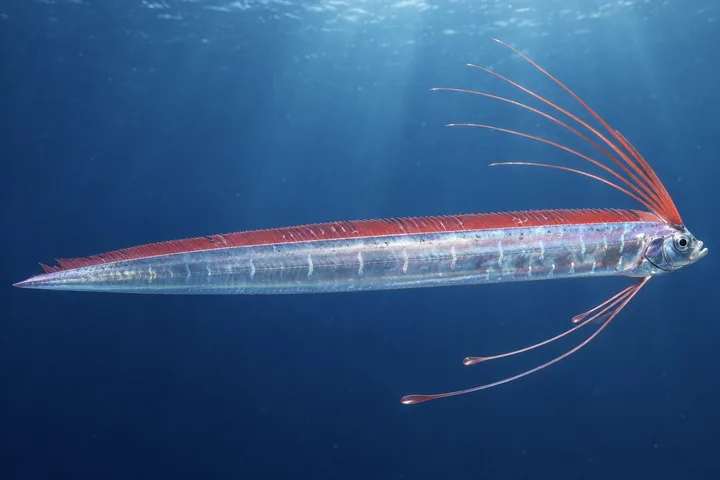
Oarfish
Oarfish
Regalecus russelii
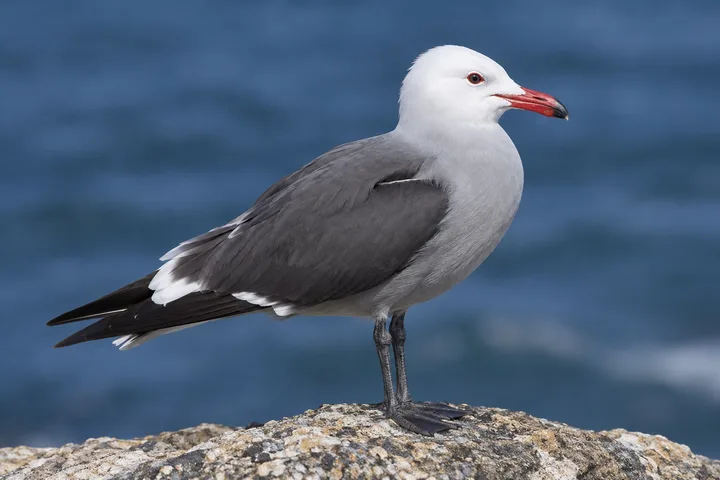
Heermann’s gull
Heermann’s gull
Larus heermanni
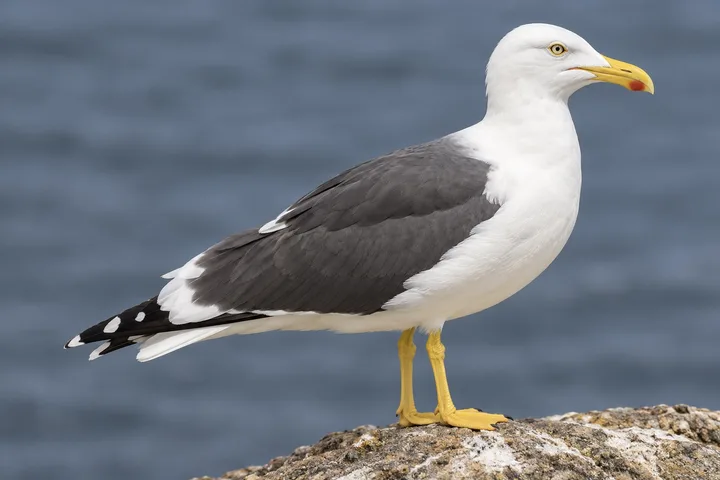
Yellow-footed gull
Yellow-footed gull
Larus livens
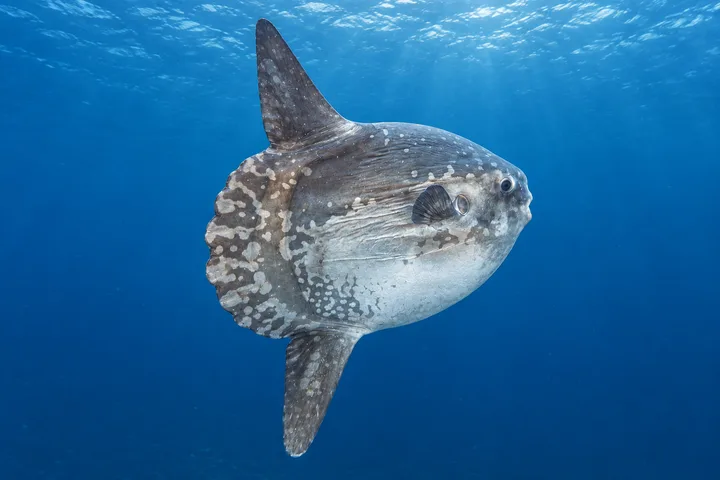
Ocean sunfish
Ocean sunfish
Mola mola
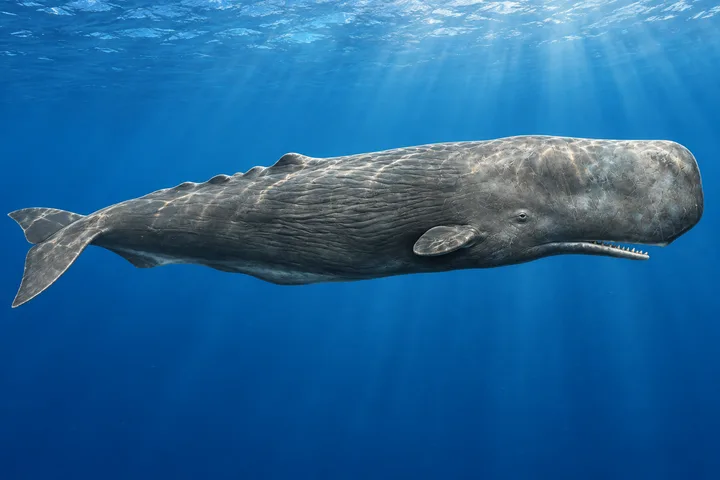
Sperm whale
Sperm whale
Physeter macrocephalus
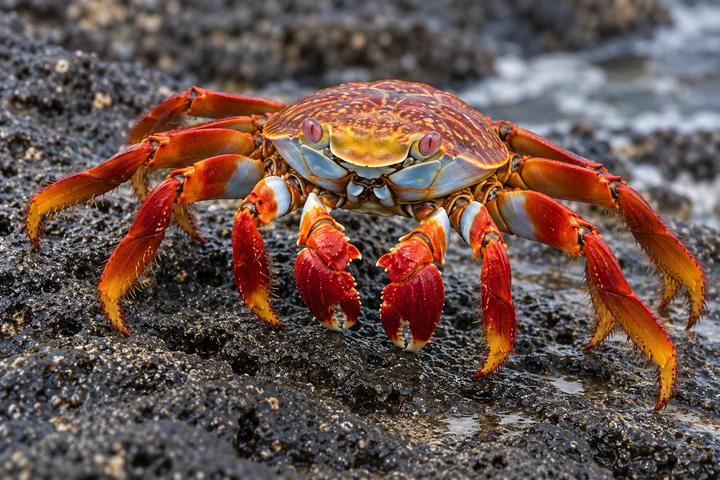
Sally Lightfoot crab
Grapsus grapsus
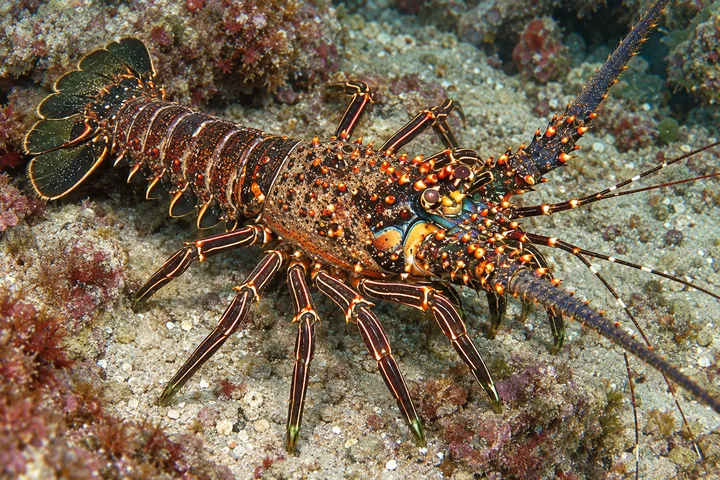
Blue spiny lobster
Blue spiny lobster
Panulirus inflatus
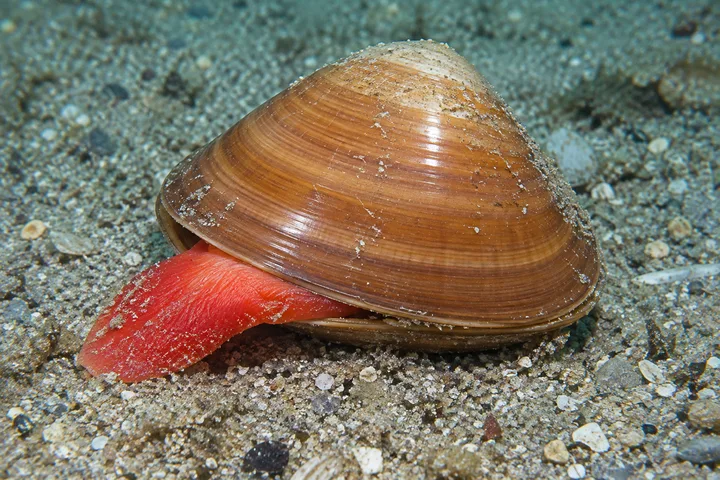
Chocolate clam
Chocolate clam
Megapitaria squalida
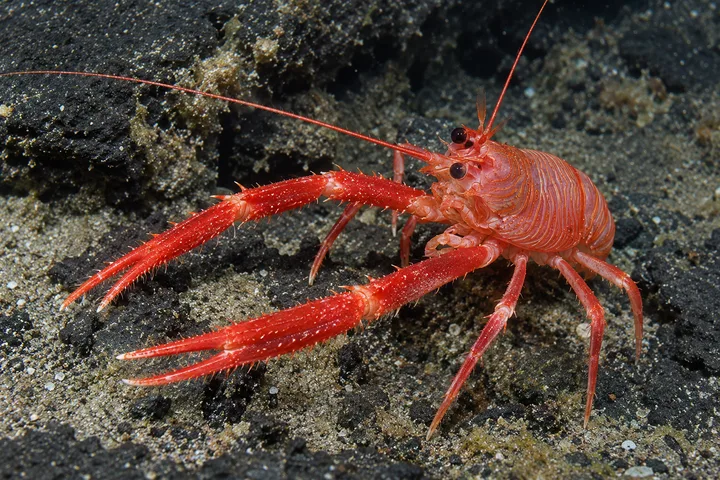
Pelagic red crab
Pelagic red crab
Grimothea planipes
Hubbs’ octopus
Hubbs’ octopus
Octopus hubbsorum
Jewel moray
Jewel moray
Muraena lentiginosa
Panamic green moray
Panamic green moray
Gymnothorax castaneus
Spinner dolphin
Spinner dolphin
Stenella longirostris
Risso’s dolphin
Risso’s dolphin
Grampus griseus
Short-finned pilot whale
Globicephala macrorhynchus
Bigeye tuna
Bigeye tuna
Thunnus obesus
Pelagic thresher
Pelagic thresher
Alopias pelagicus
Blue shark
Blue shark
Prionace glauca
Giant hawkfish
Giant hawkfish
Cirrhitus rivulatus
Pacific bonito
Pacific bonito
Sarda lineolata
Cortez angelfish
Cortez angelfish
Pomacanthus zonipectus
Barberfish
Barberfish
Johnrandallia nigrirostris
Black jack
Black jack
Caranx lugubris
Bumphead parrotfish
Bumphead parrotfish
Scarus perrico
Cortez rainbow wrasse
Thalassoma lucasanum
Ember parrotfish
Ember parrotfish
Scarus rubroviolaceus
Flag cabrilla
Flag cabrilla
Epinephelus labriformis
Golden trevally
Golden trevally
Gnathanodon speciosus
King angelfish
King angelfish
Holacanthus passer
Mexican hogfish
Mexican hogfish
Bodianus diplotaenia
Moorish idol
Moorish idol
Zanclus cornutus
Pacific creolefish
Pacific creolefish
Cephalopholis colonus
Pacific red snapper
Pacific red snapper
Lutjanus peru
Pacific seahorse
Pacific seahorse
Hippocampus ingens
Sanguine frogfish
Sanguine frogfish
Abantennarius sanguineus
Spotted rose snapper
Lutjanus guttatus
Threeband butterflyfish
Chaetodon humeralis
Yellowtail surgeonfish
Prionurus laticlavius
Spinetail devil ray
Spinetail devil ray
Mobula mobular
Golden cownose ray
Golden cownose ray
Rhinoptera steindachneri
Round stingray
Round stingray
Urobatis halleri
Pacific spotted eagle ray
Aetobatus laticeps
Whitetip reef shark
Whitetip reef shark
Triaenodon obesus
Pacific nurse shark
Pacific nurse shark
Ginglymostoma unami
Tiger shark
Tiger shark
Galeocerdo cuvier
Bull shark
Bull shark
Carcharhinus leucas
Bryde’s whale
Bryde’s whale
Balaenoptera edeni
Rough-toothed dolphin
Steno bredanensis
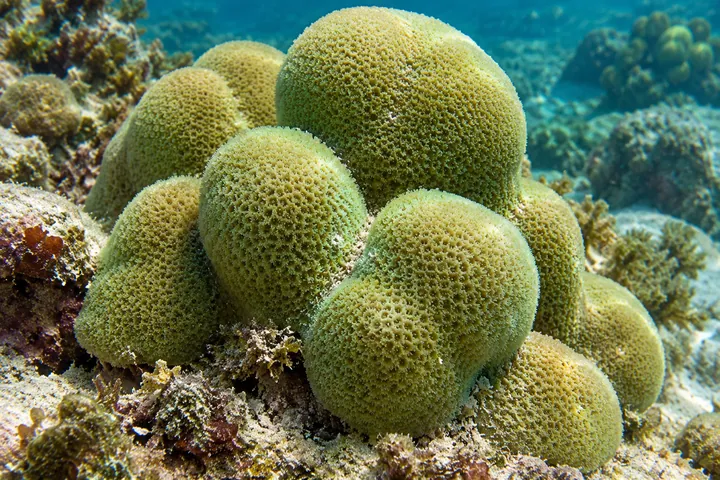
Cauliflower coral
Cauliflower coral
Pocillopora verrucosa
Panamic porites coral
Porites panamensis
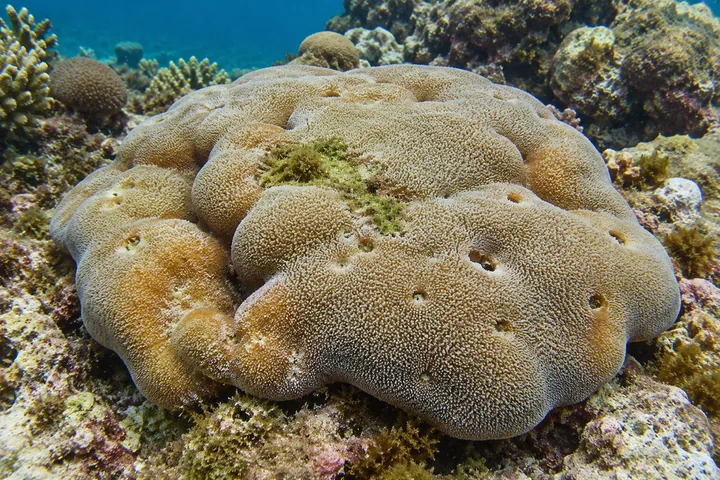
Giant pavona
Giant pavona
Pavona gigantea
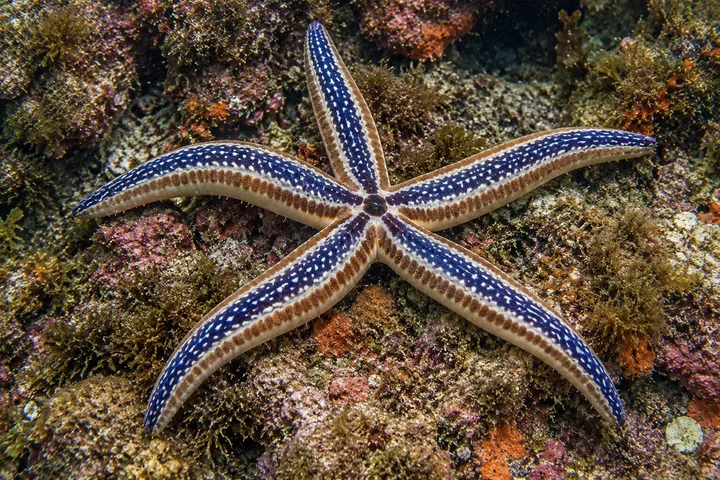
Blue sea star (tan sea star)
Phataria unifascialis
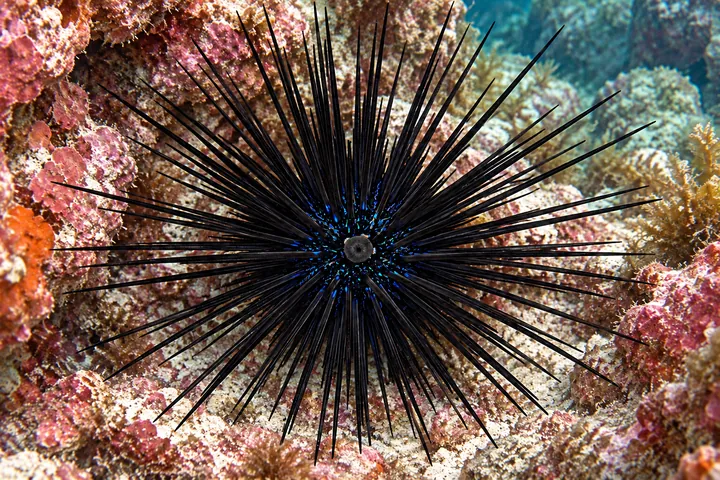
Long-spined sea urchin
Diadema mexicanum
Cocos booby
Cocos booby
Sula brewsteri
Talk to the family

Questions? Message the family

The Vargas family answers personally. 7 days a week, 5 AM – 6 PM Cabo time.