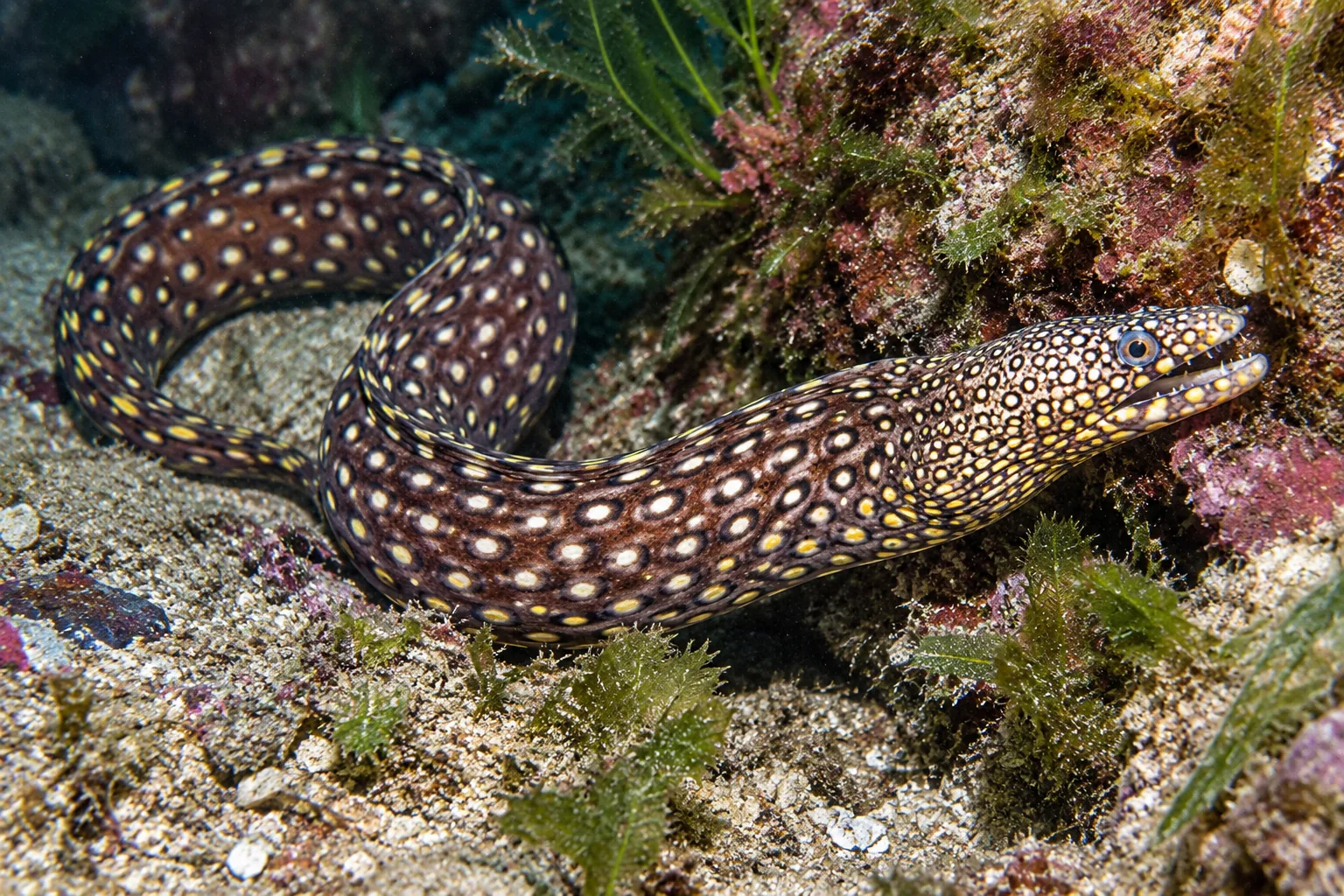
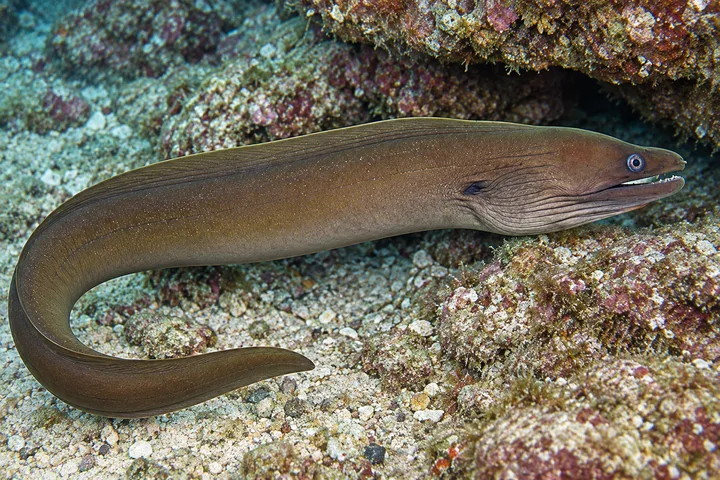
Jewel moray (Muraena lentiginosa), illustration
Wildlife Muraena lentiginosa

Jewel moray in Los Cabos

The brown, yellow-spotted eel peering out of a rock crack with its mouth opening and closing is one of the reef sights snorkelers and divers remember most in Cabo. It isn’t threatening you: it’s breathing.

Up to 61 cmMax length
~35 cmCommon length
1–25 mUsual depth
NightMain feeding time

When to see them

●● best months · ● regular · · occasional. Based on scientific studies and local reports; it changes year to year.

Tap a month to see everything biting in Cabo that month ›

How to recognize it

A slender, laterally flattened eel with a pointed snout and both nostrils ending in distinct tubes. It is usually brown covered with dark-edged yellow spots, which become more numerous as it grows; some individuals are yellowish brown to almost white with darker brown mottling. Look for a black spot at the rear corner of the mouth with a white patch just in front of it on the lower jaw, and a rather faint black area around the small gill opening.

Biology

The jewel moray lives only in the tropical eastern Pacific, from the Gulf of California to Islas Lobos de Afuera in northern Peru, including the Galápagos. It stays on rocky and coral bottoms close to shore, usually between 1 and 25 m deep. Museum collections hold dozens of specimens from the tip of the peninsula, from the rocky shore of Bahía San Lucas and El Tule to Cabo Real, Los Frailes and Pulmo reef, collected from the 1950s to 2015.

By day it stays tucked into crevices with only its head showing; at night it comes out to hunt crabs, shrimps and small fishes. Like other morays it relies little on suction: it seizes prey with long, slender, conical teeth and swallows it with the help of a second set of jaws in its throat. It is a permanent resident of the reefs where it lives.

Things you probably didn't know

01

Jaws that come out of the throat

In a moray of the same genus, Muraena retifera, researchers filmed a second set of jaws launching forward from the throat into the mouth to grab struggling prey and drag it toward the gut. In one eel they traveled 3.5 cm, more than the length of its head.

Source ↗
02

It gapes to breathe

The jewel moray opens and closes its mouth constantly, and that movement is what keeps water flowing over its gills. It can look like a warning, but FishBase notes it is breathing, not a threat.

Source ↗
03

Named from Darwin’s voyage

The species was described in 1842 from specimens brought back by HMS Beagle. Its type locality is Santa María (Floreana) Island in the Galápagos, not Cabo’s Santa María bay.

Source ↗
04

More jewels with age

Its dark-edged yellow spots become more numerous as the eel grows, and some individuals are pale yellowish to almost white with brown mottling instead.

Source ↗
05

A grouper’s hunting partner, in the Red Sea

In Egypt’s Red Sea, roving coral groupers shake their heads in front of giant morays to recruit them for a hunt; hunting together, the groupers caught about five times more prey per hour. That was a different moray species, and it hasn’t been documented for the jewel moray.

Source ↗
06

A Cabo resident since the records began

Scripps Institution of Oceanography holds a jewel moray collected in March 1959 in the San Lucas submarine canyon, off the beach at Land’s End, at about 28 m, a little deeper than the usual 25 m given for the species.

Source ↗

Photos

Alberto Alcalá · iNaturalist · CC BY 4.0
desertnaturalist · iNaturalist · CC BY 4.0
tunicatedreamz · iNaturalist · CC BY 4.0
Alberto Alcalá · iNaturalist · CC BY 4.0

Seeing them from the boat

Jewel morays are resident around Los Cabos all year and are not a fishing target; people meet them while snorkeling and diving over rocky reefs. Museum specimens come from inside Bahía San Lucas, where Pelican Rock and the submarine canyon are, from El Tule and Cabo Real along the Corridor, and from Los Frailes and Cabo Pulmo on the East Cape. Look into cracks and under ledges by day; you will usually see just the head and the opening and closing mouth.

Morays aren’t aggressive, but they bite when a hand goes into their hole or near their head, and the teeth hold and tear. Don’t touch the reef or reach into crevices, don’t hand-feed them and keep your fingers away from the face. Medical case reports describe severe hand and forearm wounds and a real risk of serious bacterial infection, so clean any bite well and get it checked by a doctor. If one is hooked by accident on a reef, cut the line close to the mouth rather than handling it.

Rules & conservation

Mexico (NOM-059)Not listed in NOM-059-SEMARNAT-2010 (2019 update)
Cabo Pulmo National ParkProtected since 1995 (7,111 ha); extracting coral and other biogenic material is prohibited
Cabo San LucasFlora and fauna protection area; a submarine refuge since 1973, recategorized in 2000
IUCN Red ListLeast Concern (assessed 2007, published 2010)

Don't confuse it with

The Argus moray (Muraena argus) grows to about 110 cm, has rows of large yellow-brown blotches plus many small white spots, an intense black spot over the gill opening and no white patch before the black spot at the corner of the mouth. The hourglass moray (M. clepsydra) is covered in irregular cream spots and has a large, ringed black spot around the gill opening, at least 2.5 times the size of the eye.

Questions

Is the jewel moray dangerous?

Not aggressive, but it bites if you put a hand in its hole or near its head. Don’t touch, feed or corner it, and get any bite checked by a doctor because of the infection risk.

Why does the moray keep opening its mouth at me?

It’s breathing. Morays open and close the mouth to move water over the gills; it is not a threat display.

Where can I see one in Cabo?

On shallow rocky reefs: inside Bahía San Lucas, along the coves of the Corridor and at Cabo Pulmo. Look into crevices and under ledges during the day.

By Max VargasTop Anglers, Cabo San Lucas · international judge at big game fishing world championships · reviewed October 2026

Sources

Top illustration: Top Anglers. Photos: iNaturalist contributors, credited on each photo.

See Cabo from the water

Our charters leave the Cabo San Lucas marina every morning. From $453 with license included.
More species

Pacific sierra
Pacific sierra
Scomberomorus sierra
California yellowtail
Seriola dorsalis
Pacific crevalle jack
Caranx caninus
Skipjack tuna
Skipjack tuna
Katsuwonus pelamis
Shortfin mako
Shortfin mako
Isurus oxyrinchus
Leopard grouper
Leopard grouper
Mycteroperca rosacea
Colorado snapper
Colorado snapper
Lutjanus colorado
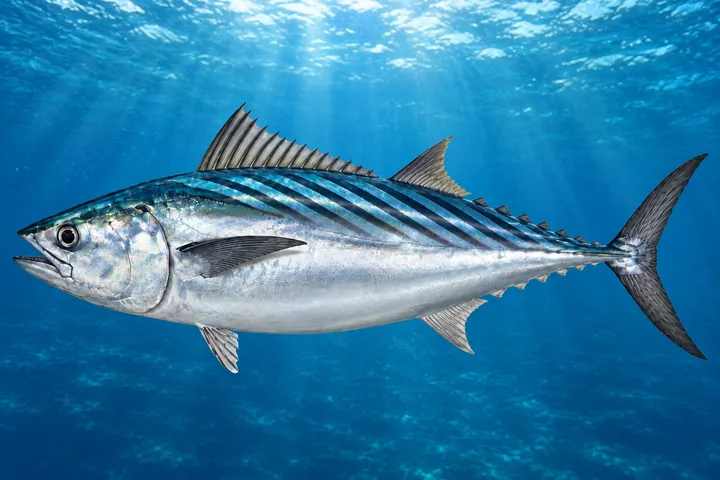
Striped bonito
Striped bonito
Sarda orientalis
Black skipjack
Black skipjack
Euthynnus lineatus
Finescale triggerfish
Balistes polylepis
Scalloped hammerhead
Sphyrna lewini
Humpback whale
Humpback whale
Megaptera novaeangliae
Gray whale
Gray whale
Eschrichtius robustus
California sea lion
California sea lion
Zalophus californianus
Whale shark
Whale shark
Rhincodon typus
Olive ridley sea turtle
Lepidochelys olivacea
Bottlenose dolphin
Bottlenose dolphin
Tursiops truncatus
Munk's devil ray (mobula)
Mobula munkiana
Swordfish
Swordfish
Xiphias gladius
Almaco jack
Almaco jack
Seriola rivoliana
Bigeye trevally
Bigeye trevally
Caranx sexfasciatus
Spotted cabrilla
Spotted cabrilla
Epinephelus analogus
Pacific dog snapper
Pacific dog snapper
Lutjanus novemfasciatus
Barred pargo
Barred pargo
Hoplopagrus guentherii
Blue whale
Blue whale
Balaenoptera musculus
Green sea turtle (black turtle)
Chelonia mydas
Leatherback sea turtle
Dermochelys coriacea
Rainbow runner
Rainbow runner
Elagatis bipinnulata
Gulf grouper
Gulf grouper
Mycteroperca jordani
Yellow snapper
Yellow snapper
Lutjanus argentiventris
Pacific white snook
Pacific white snook
Centropomus viridis
Mexican barracuda
Mexican barracuda
Sphyraena ensis
Silky shark
Silky shark
Carcharhinus falciformis
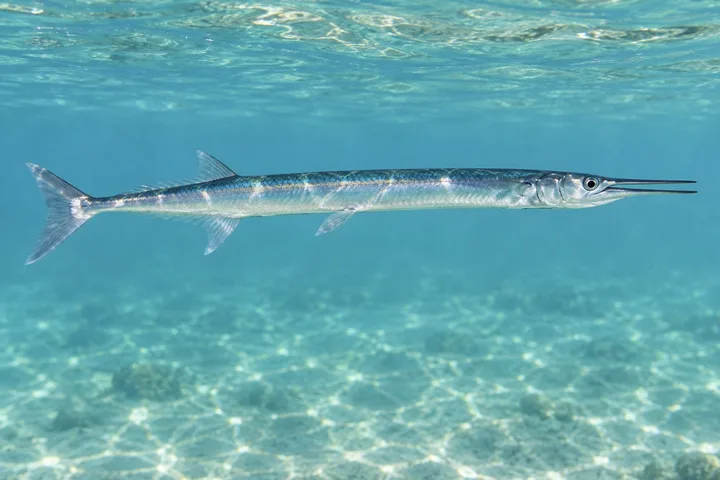
Mexican needlefish
Mexican needlefish
Tylosurus fodiator
Humboldt squid
Humboldt squid
Dosidicus gigas
Giant manta ray
Giant manta ray
Mobula birostris
Fin whale
Fin whale
Balaenoptera physalus
Orca (killer whale)
Orca (killer whale)
Orcinus orca
Hawksbill sea turtle (carey)
Eretmochelys imbricata
Brown pelican
Brown pelican
Pelecanus occidentalis
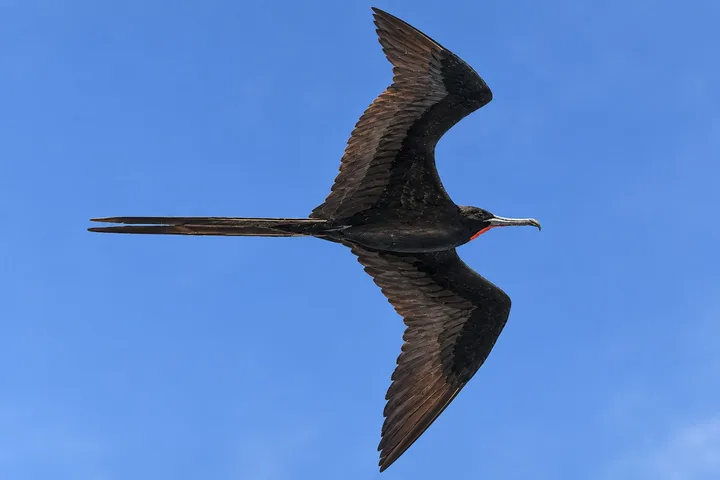
Magnificent frigatebird
Fregata magnificens
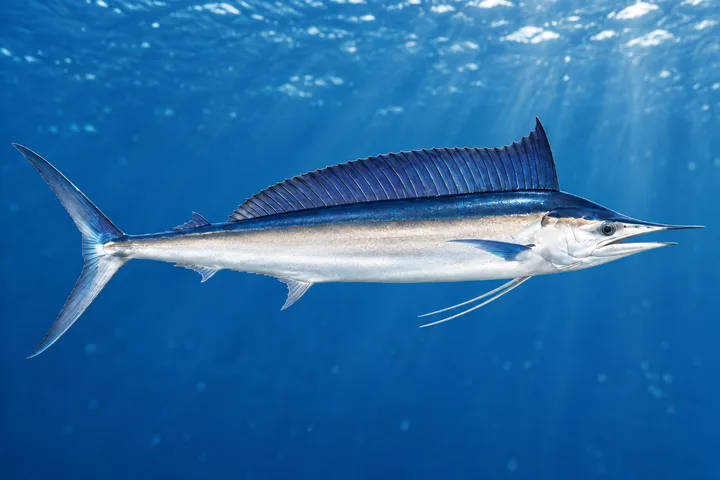
Shortbill spearfish
Shortbill spearfish
Tetrapturus angustirostris
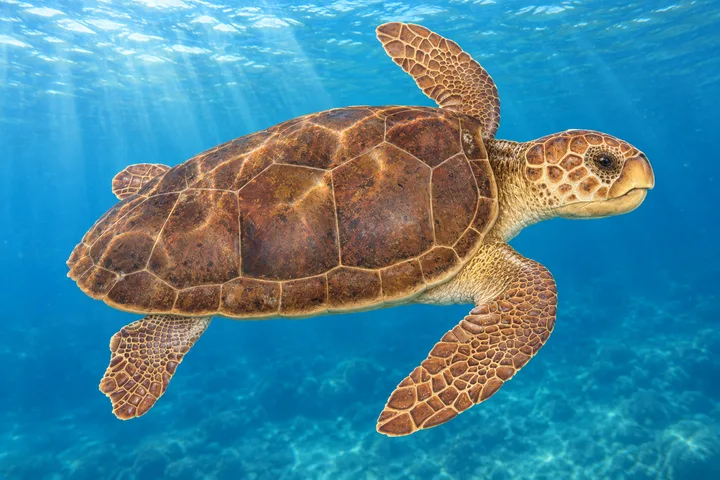
Loggerhead sea turtle (caguama)
Caretta caretta
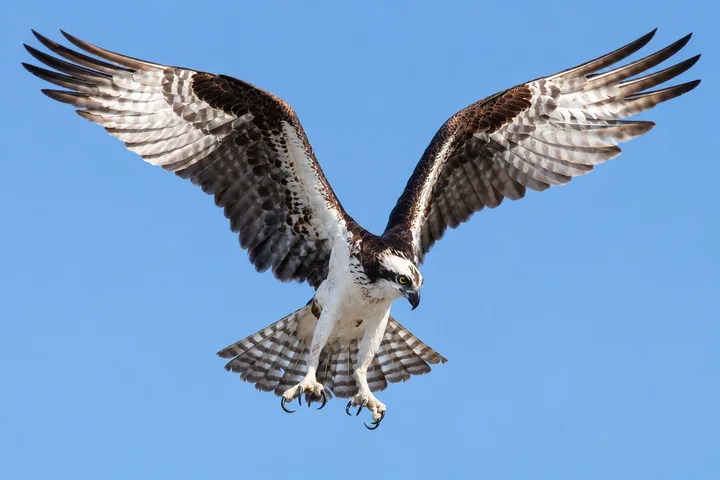
Osprey
Osprey
Pandion haliaetus
Blue-footed booby
Blue-footed booby
Sula nebouxii
Common dolphin
Common dolphin
Delphinus delphis
Oarfish
Oarfish
Regalecus russelii
Heermann’s gull
Heermann’s gull
Larus heermanni
Yellow-footed gull
Yellow-footed gull
Larus livens
Ocean sunfish
Ocean sunfish
Mola mola
Sperm whale
Sperm whale
Physeter macrocephalus
Sally Lightfoot crab
Grapsus grapsus
Blue spiny lobster
Blue spiny lobster
Panulirus inflatus
Chocolate clam
Chocolate clam
Megapitaria squalida
Pelagic red crab
Pelagic red crab
Grimothea planipes
Hubbs’ octopus
Hubbs’ octopus
Octopus hubbsorum
Panamic green moray
Panamic green moray
Gymnothorax castaneus
Spinner dolphin
Spinner dolphin
Stenella longirostris
Risso’s dolphin
Risso’s dolphin
Grampus griseus
Short-finned pilot whale
Globicephala macrorhynchus
Bigeye tuna
Bigeye tuna
Thunnus obesus
Pelagic thresher
Pelagic thresher
Alopias pelagicus
Blue shark
Blue shark
Prionace glauca
Giant hawkfish
Giant hawkfish
Cirrhitus rivulatus
Pacific bonito
Pacific bonito
Sarda lineolata
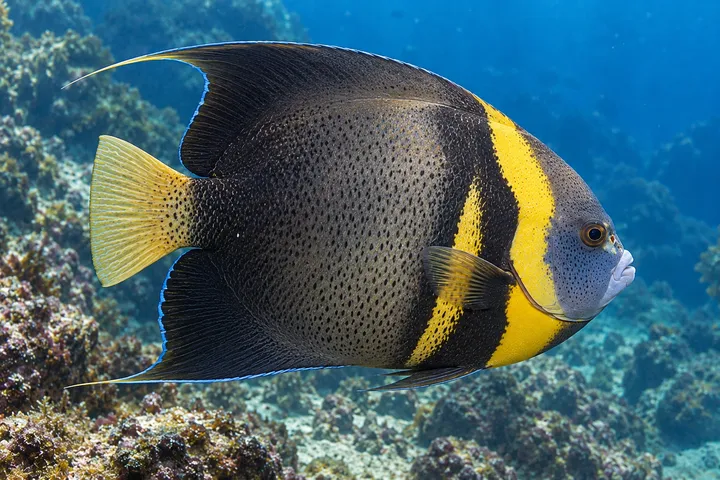
Cortez angelfish
Cortez angelfish
Pomacanthus zonipectus
Talk to the family

Questions? Message the family

The Vargas family answers personally. 7 days a week, 5 AM – 6 PM Cabo time.