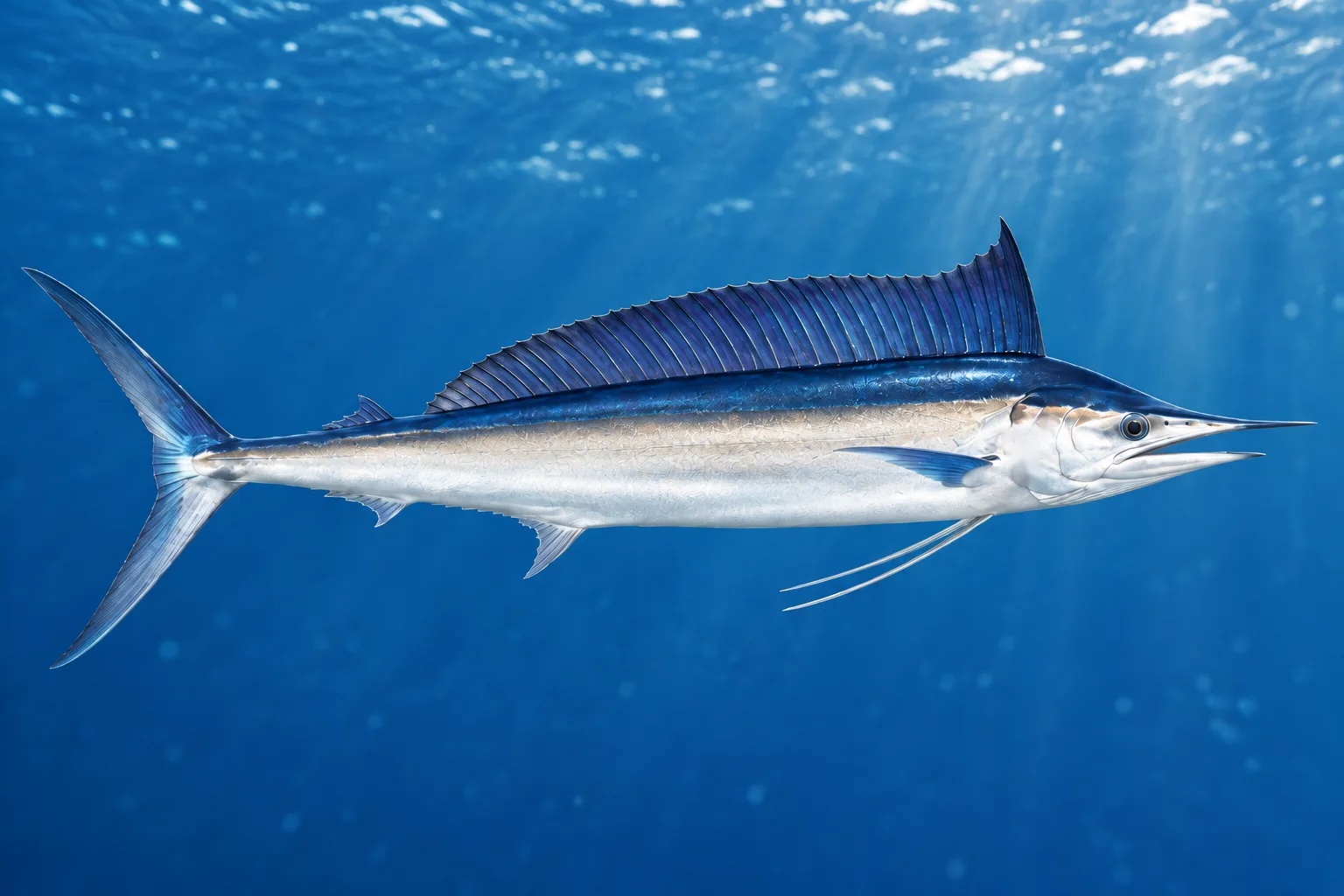
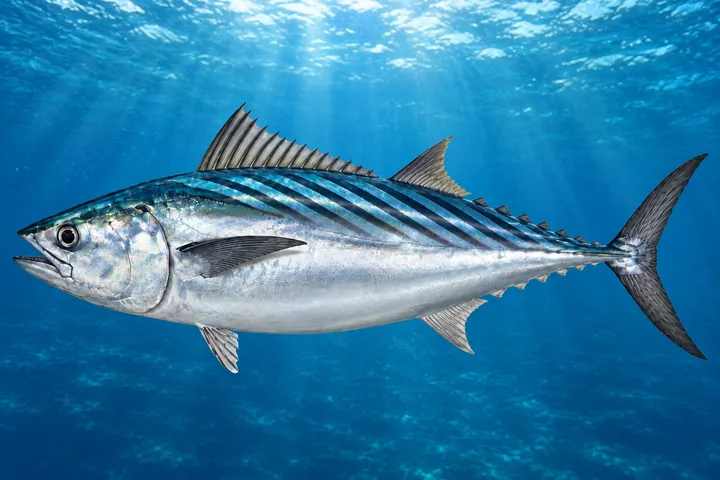
Shortbill spearfish (Tetrapturus angustirostris), illustration
Regulated · catch and release Tetrapturus angustirostris

Shortbill spearfish in Los Cabos

The smallest, slimmest billfish off Los Cabos, with a bill so short it barely reaches past the lower jaw. It lives far offshore and turns up only a few times a year, almost always while crews are fishing for striped marlin.

About 2 mMax length
110 lb 3 ozIGFA world record
2–4 a yearTypical Cabo catch (local reports)
1 per dayLimit per angler

Season in Los Cabos

●● best months · ● regular · · occasional. Based on local fishing reports; conditions change year to year.

Tap a month to see everything biting in Cabo that month ›

How to recognize it

Dark blue above, blue splattered with brown on the sides and silvery white below, with no stripes or spots. The bill is very short, under 15% of body length and barely longer than the lower jaw. The first dorsal fin has a pointed front lobe taller than the body is deep, then stays at an even height along a base that runs almost the whole back. The slender pelvic fins are about twice as long as the short, narrow pectorals, which fold flat against the body. The anus sits far ahead of the anal fin, usually by more than the anal fin’s height.

Biology

The shortbill spearfish lives in tropical and temperate waters of the Pacific and Indian Oceans. A few stray into the Atlantic around the Cape of Good Hope but don’t spawn there. In the eastern Pacific it ranges from California and the mouth of the Gulf of California to Peru, including the oceanic islands. It is strongly oceanic and rarely comes into coastal water.

In the eastern Pacific it feeds mainly on squid and fish such as snake mackerels, skipjack, flyingfish, pomfrets and frigate tunas. Spawning is thought to happen mostly in winter, in warm offshore currents of about 25 °C. FAO puts its maximum at about 2 m and 52 kg; fish caught by longliners average about 18 kg.

Things you probably didn't know

01

Cabo’s museum specimen

On November 19, 2015, a spearfish caught trolling with sardine bait off Cabo San Lucas became the first specimen ever recorded from Mexico’s Pacific coast. It measured 153.7 cm and weighed 11.65 kg, and is kept in the CICIMAR fish collection in La Paz.

Source ↗
02

Two to four a year

In January 2020 a Cabo fleet reported about six spearfish released in two weeks, calling it very rare: in past years, it said, all of Cabo might catch only 2 to 4.

Source ↗
03

687 in 23 years

IATTC observers aboard tuna purse seiners in the eastern tropical Pacific logged 422,970 sets from 1993 to 2015. Only 687 shortbill spearfish were caught, mostly between 10°S and 10°N.

Source ↗
04

A surface fish

The first three shortbills fitted with pop-up satellite tags spent more than 90% of every 24 hours between the surface and 100 m, in water of 24–26 °C, almost always within 2 °C of the surface temperature.

Source ↗
05

Shallower than marlin

Spearfish stomachs from the central South Pacific lacked the deep-water fishes found in striped and blue marlin, which suggests it swims shallower. It also tends to eat smaller prey.

Source ↗
06

Kona owns the light-line records

Of 31 IGFA line-class, tippet and junior records for the shortbill spearfish, 17 come from Kona, Hawaii, and none from Mexico. The all-tackle record is a 50 kg fish from Botany Bay, Sydney, caught in 2008.

Source ↗

How it's caught in Los Cabos

There is no targeted fishery for the shortbill spearfish. Worldwide it is taken incidentally by tuna longliners and purse seiners, and only very rarely by trolling or sportfishing. Off Los Cabos it hits the same baits and lures used for striped marlin: local reports describe fish taking live or dead caballito, mackerel and sardine, feathers and trolled lures, on offshore banks such as the 150 and 11:50 spots, often on the same day as stripers.

It’s a genuine rarity here. A Cabo fleet’s reports put the usual total at 2 to 4 a year for all of Cabo, and in 2015 a veteran captain called his first one in over 40 years of fishing. Local reports cluster from July through February. Top Anglers boats have caught a few, and every one is a fish to photograph and release.

On the table

FAO describes its flesh as scanty and of lower value than other billfish; in Japan it goes mainly into fish cakes and sausages. Top Anglers encourages releasing every billfish, and the spearfish is too rare to keep.

Rules, records & conservation

Reserved for sport fishing (LGPAS art. 68)The law reserves marlin, sailfish, swordfish, sábalo, roosterfish and dorado “in all their biological varieties” for sport fishing within 50 nautical miles of the coast; as a marlin relative, the spearfish is treated the same way
Daily limit (NOM-017-PESC-1994)1 billfish (picudo) per angler per day, counting as 5 of the 10-fish total
FilletingBillfish can’t be filleted on board
SellingFish kept under a sport-fishing permit can’t be sold
IUCN Red ListData Deficient (2023)
IGFA all-tackle record110 lb 3 oz (50 kg), Botany Bay, Sydney, Australia, 2008

In Cabo we follow a local rule of one billfish per boat per day, and Top Anglers encourages releasing every billfish.

Don't confuse it with

A striped marlin has a longer, stouter bill, about 15 rows of cobalt stripes, a front dorsal lobe that drops off gradually toward the tail, and its anus sits close to the anal fin. A sailfish has a sail-like dorsal fin much taller than its body. The other spearfishes (longbill, roundscale and Mediterranean) live in the Atlantic and Mediterranean; the shortbill is the only spearfish regularly found in the Pacific and Indian Oceans.

How to tell Cabo’s billfish apart ›

Questions

Can you catch a shortbill spearfish in Cabo San Lucas?

Yes, but rarely. Local fleet reports put it at about 2 to 4 a year for all of Cabo, mostly from July through February, usually while fishing for striped marlin.

Is a spearfish a marlin?

It belongs to the same family as marlins and sailfish, Istiophoridae, and in Spanish it’s called marlín trompa corta. But spearfishes have their own genus, Tetrapturus, a very short bill and an anus set far ahead of the anal fin.

Can I keep a shortbill spearfish?

It counts as a billfish: 1 per angler per day, which takes up 5 of the 10-fish total, and it can’t be filleted on board or sold. In Cabo we limit boats to one billfish a day and encourage releasing them all.

By Max VargasTop Anglers, Cabo San Lucas · international judge at big game fishing world championships · reviewed October 2026

Sources

Top illustration: Top Anglers. Photos: iNaturalist contributors, credited on each photo.

Boats for shortbill spearfish

Sportfishers with the range to reach the offshore banks. From $799 with license included.
More species

Pacific sierra
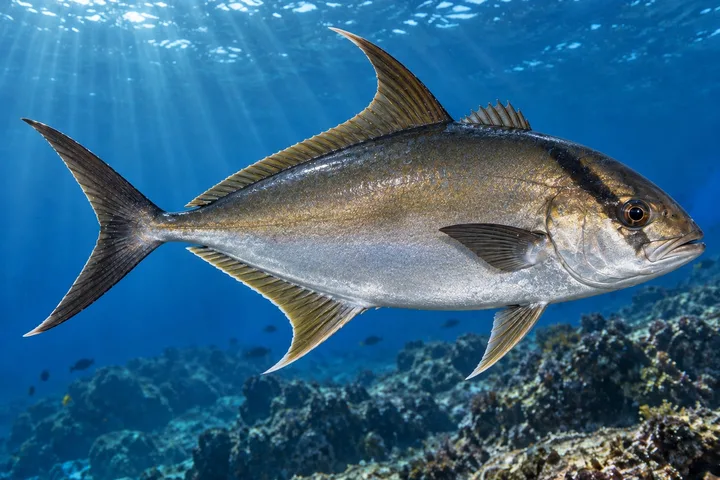
Pacific sierra
Scomberomorus sierra
California yellowtail
Seriola dorsalis
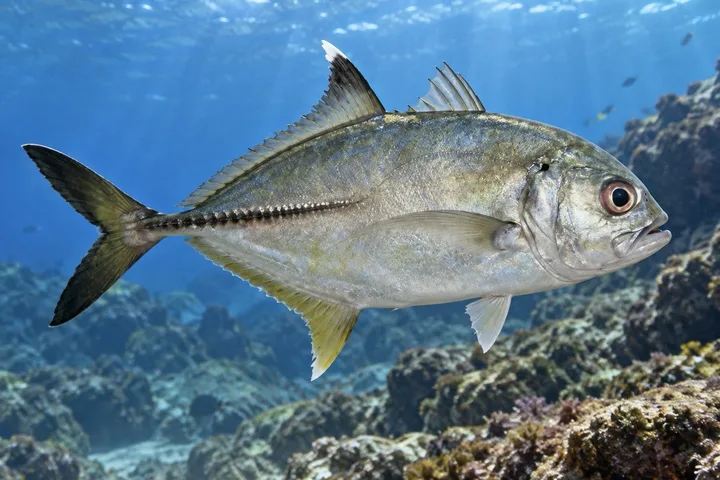
Pacific crevalle jack
Caranx caninus
Skipjack tuna
Skipjack tuna
Katsuwonus pelamis
Shortfin mako
Shortfin mako
Isurus oxyrinchus
Leopard grouper
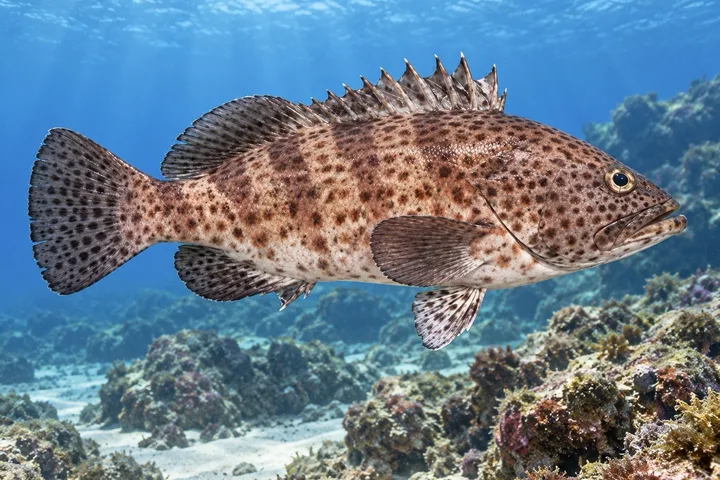
Leopard grouper
Mycteroperca rosacea
Colorado snapper
Colorado snapper
Lutjanus colorado
Striped bonito
Striped bonito
Sarda orientalis
Black skipjack
Black skipjack
Euthynnus lineatus
Finescale triggerfish
Balistes polylepis
Scalloped hammerhead
Sphyrna lewini
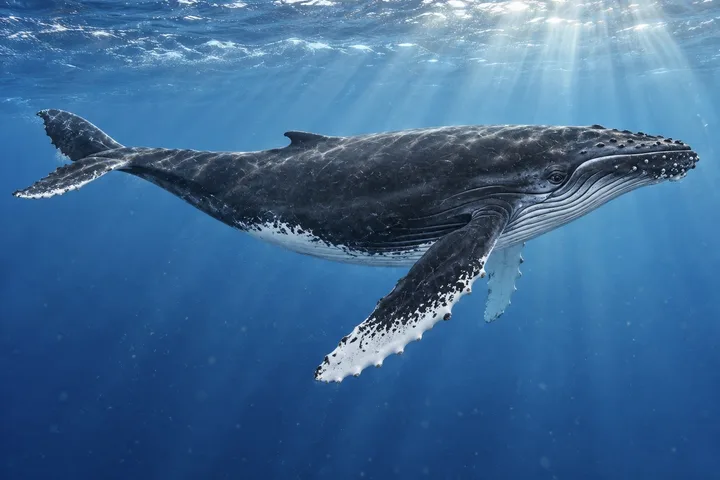
Humpback whale
Humpback whale
Megaptera novaeangliae
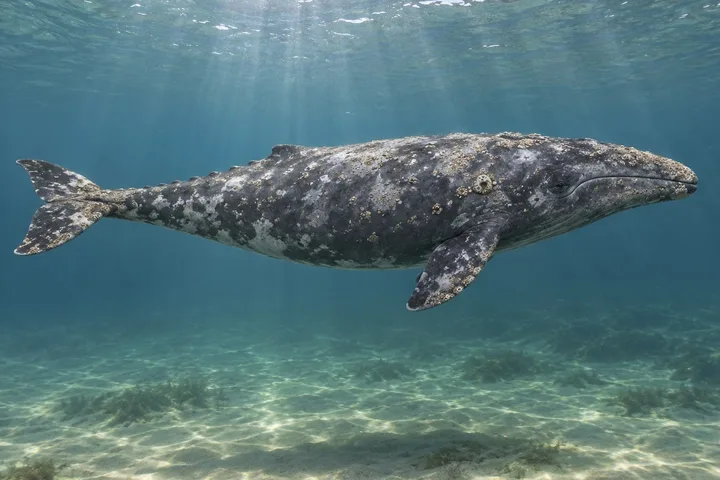
Gray whale
Gray whale
Eschrichtius robustus
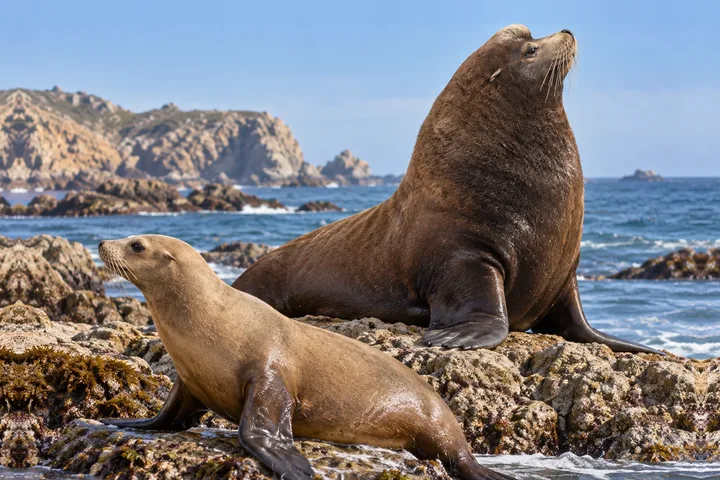
California sea lion
California sea lion
Zalophus californianus
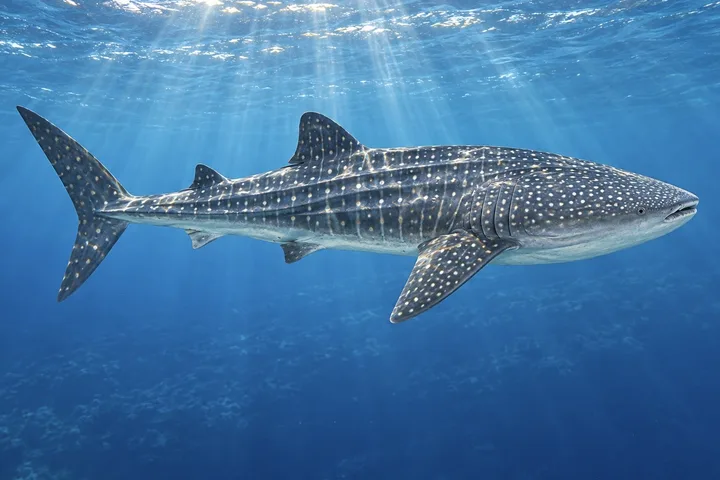
Whale shark
Whale shark
Rhincodon typus
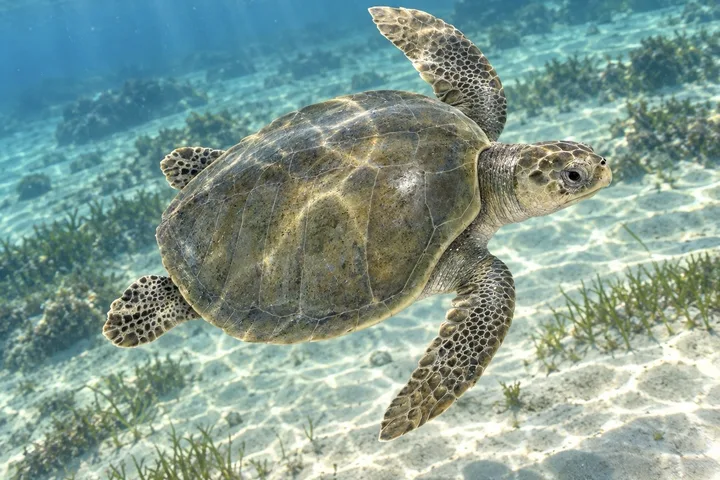
Olive ridley sea turtle
Lepidochelys olivacea
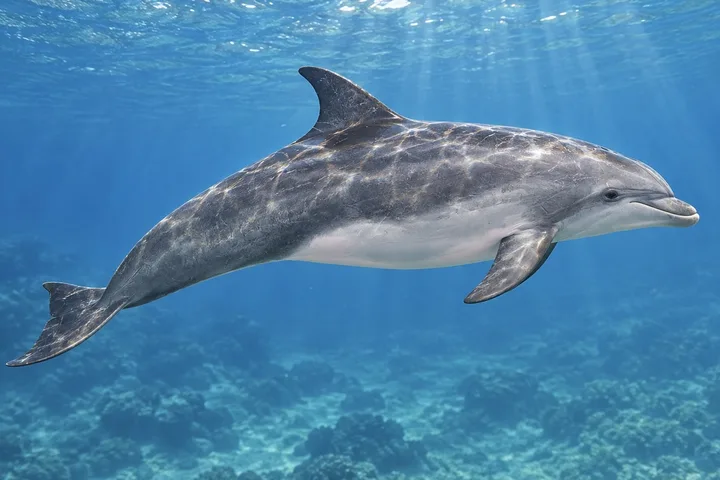
Bottlenose dolphin
Bottlenose dolphin
Tursiops truncatus
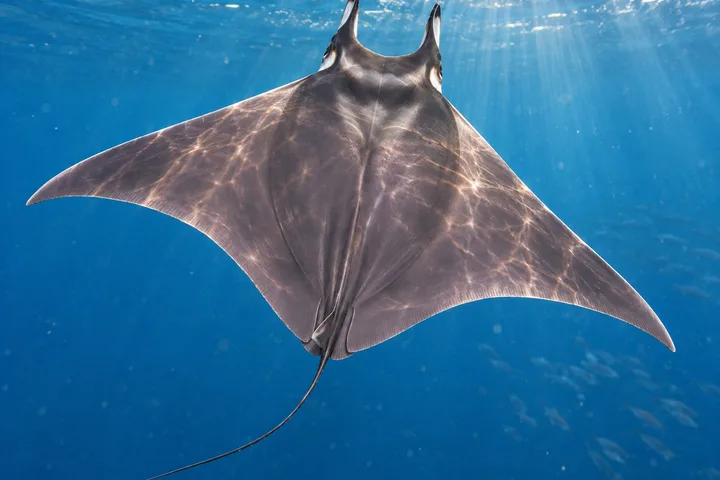
Munk's devil ray (mobula)
Mobula munkiana
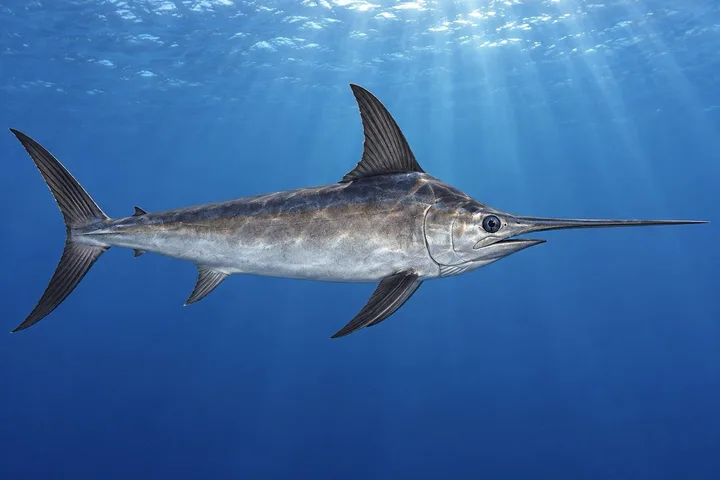
Swordfish
Swordfish
Xiphias gladius
Almaco jack
Almaco jack
Seriola rivoliana
Bigeye trevally
Bigeye trevally
Caranx sexfasciatus
Spotted cabrilla
Spotted cabrilla
Epinephelus analogus
Pacific dog snapper
Pacific dog snapper
Lutjanus novemfasciatus
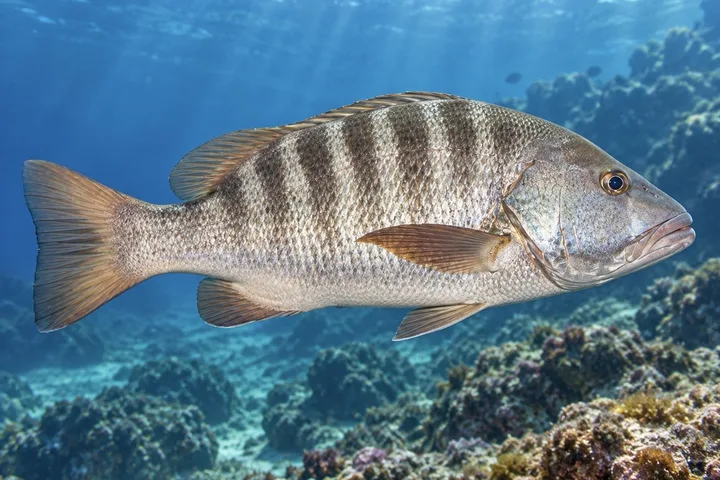
Barred pargo
Barred pargo
Hoplopagrus guentherii
Blue whale
Blue whale
Balaenoptera musculus
Green sea turtle (black turtle)
Chelonia mydas
Leatherback sea turtle
Dermochelys coriacea
Rainbow runner
Rainbow runner
Elagatis bipinnulata
Gulf grouper
Gulf grouper
Mycteroperca jordani
Yellow snapper
Yellow snapper
Lutjanus argentiventris
Pacific white snook
Pacific white snook
Centropomus viridis
Mexican barracuda
Mexican barracuda
Sphyraena ensis
Silky shark
Silky shark
Carcharhinus falciformis
Mexican needlefish
Mexican needlefish
Tylosurus fodiator
Humboldt squid
Humboldt squid
Dosidicus gigas
Giant manta ray
Giant manta ray
Mobula birostris
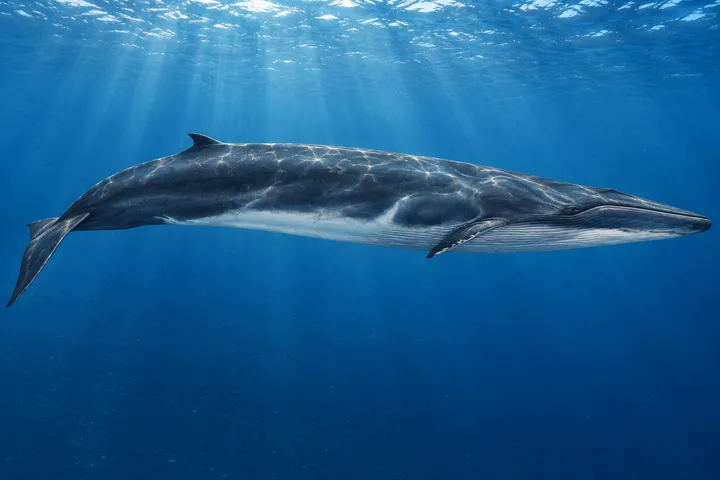
Fin whale
Fin whale
Balaenoptera physalus
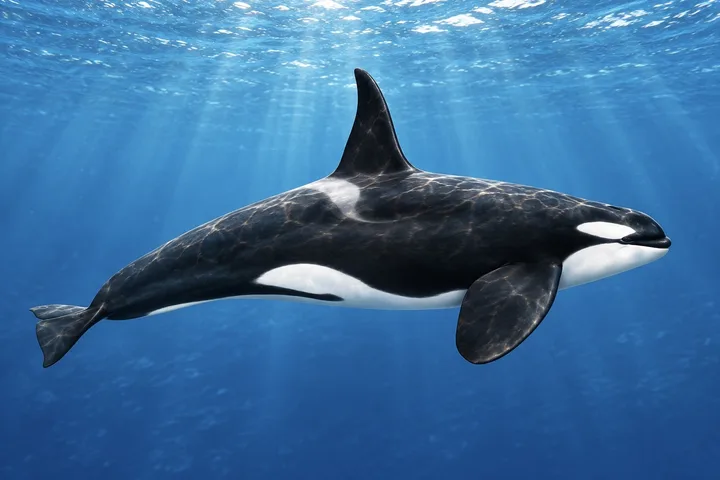
Orca (killer whale)
Orca (killer whale)
Orcinus orca
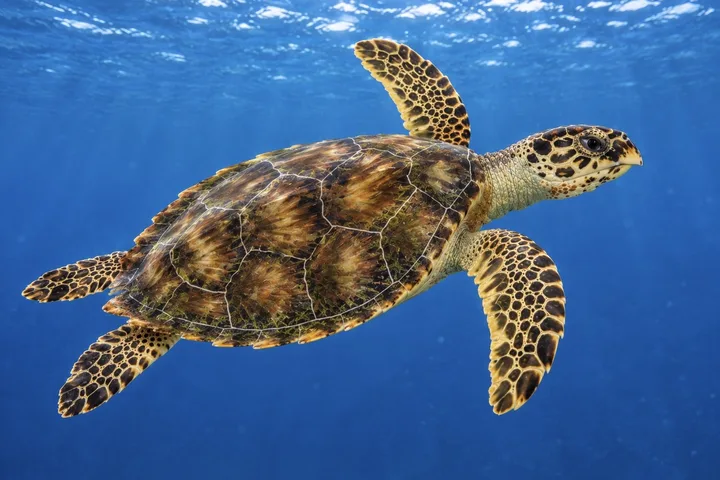
Hawksbill sea turtle (carey)
Eretmochelys imbricata
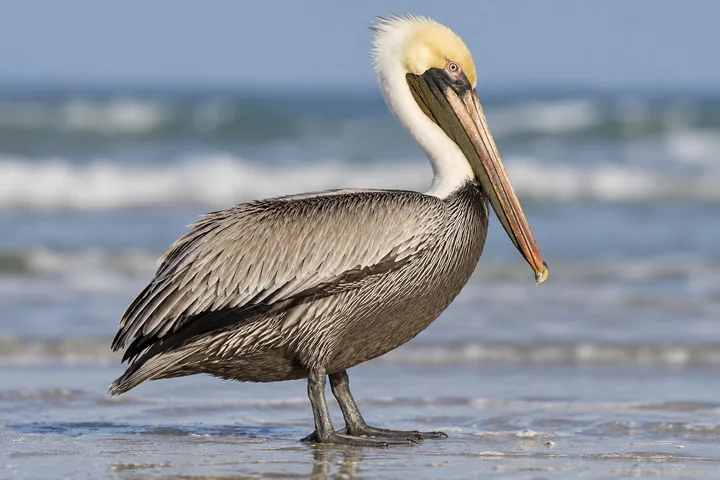
Brown pelican
Brown pelican
Pelecanus occidentalis
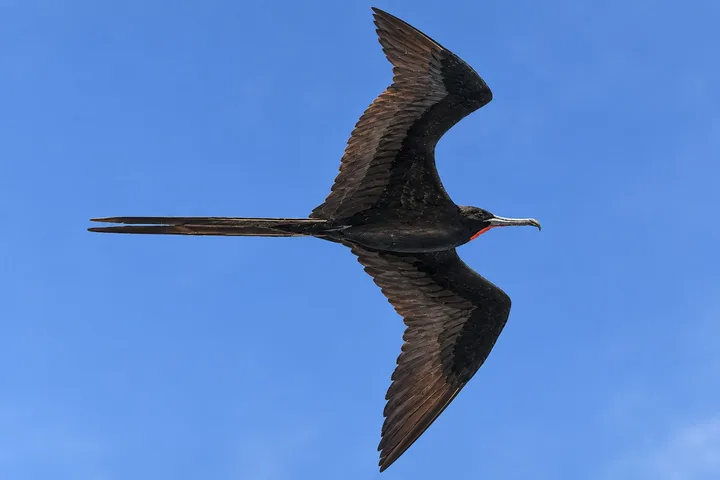
Magnificent frigatebird
Fregata magnificens
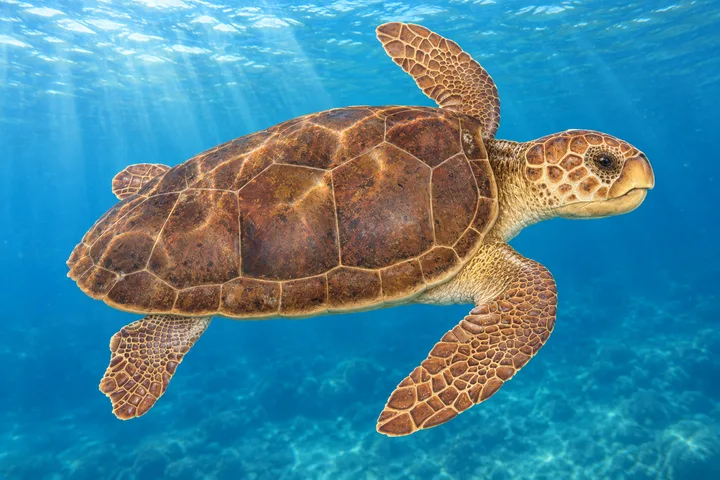
Loggerhead sea turtle (caguama)
Caretta caretta
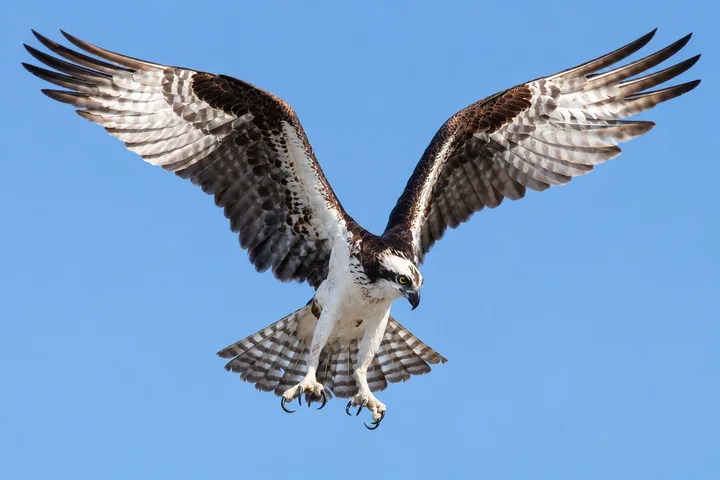
Osprey
Osprey
Pandion haliaetus
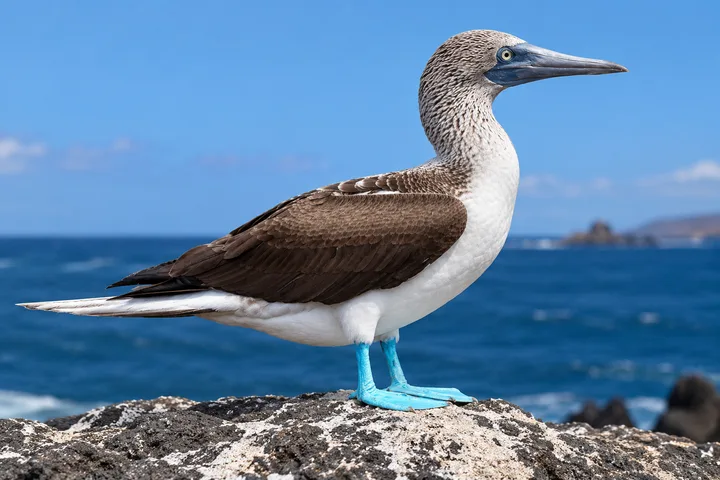
Blue-footed booby
Blue-footed booby
Sula nebouxii
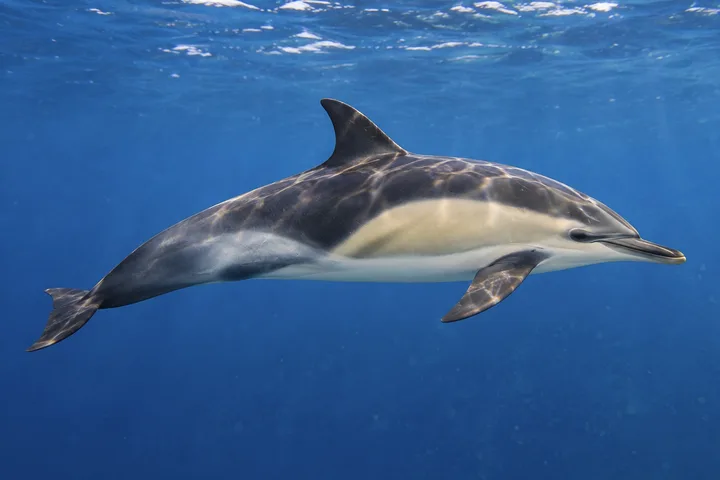
Common dolphin
Common dolphin
Delphinus delphis
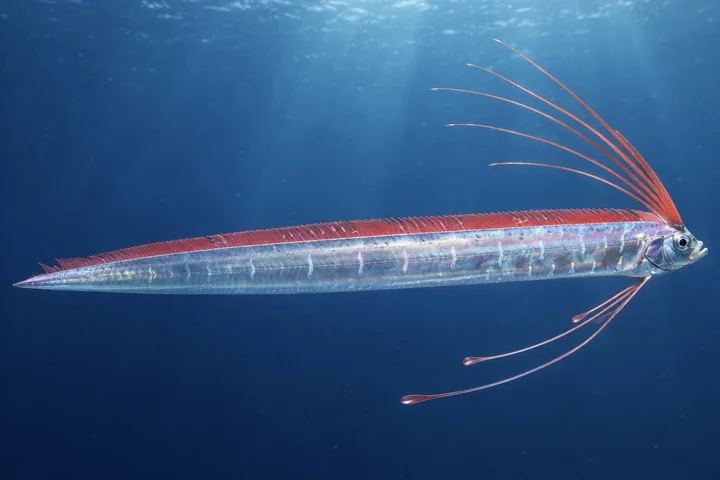
Oarfish
Oarfish
Regalecus russelii
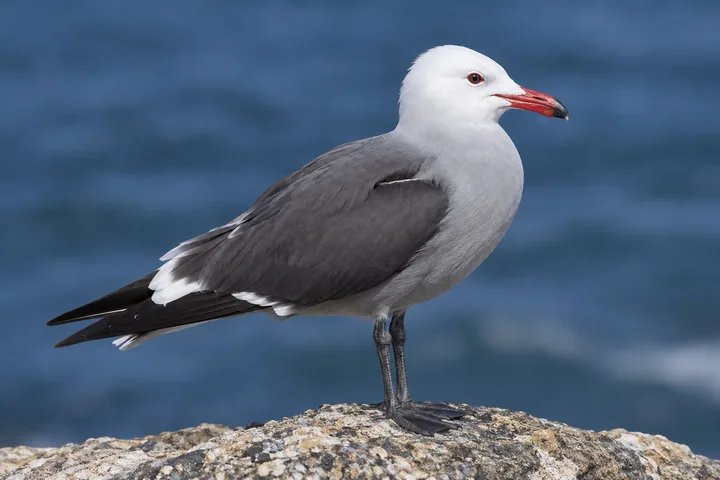
Heermann’s gull
Heermann’s gull
Larus heermanni
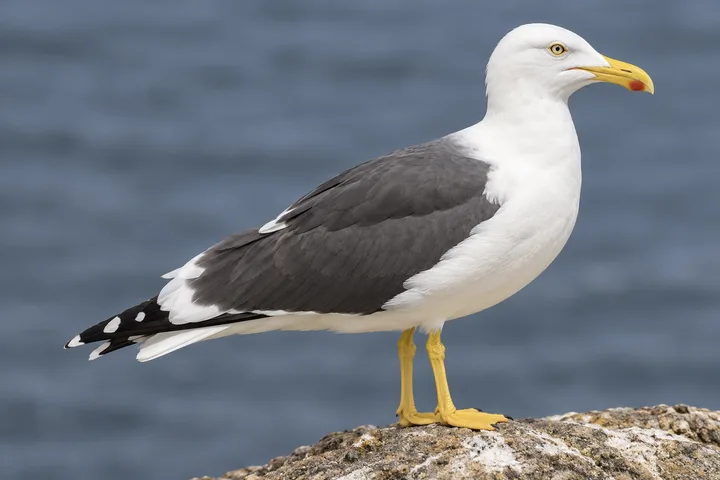
Yellow-footed gull
Yellow-footed gull
Larus livens
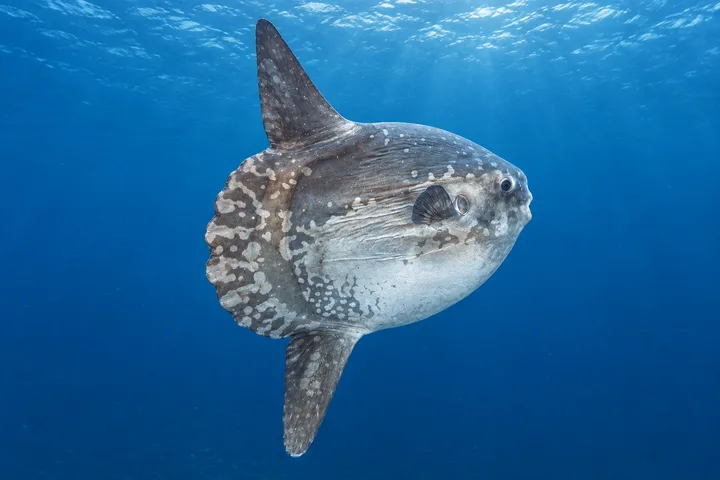
Ocean sunfish
Ocean sunfish
Mola mola
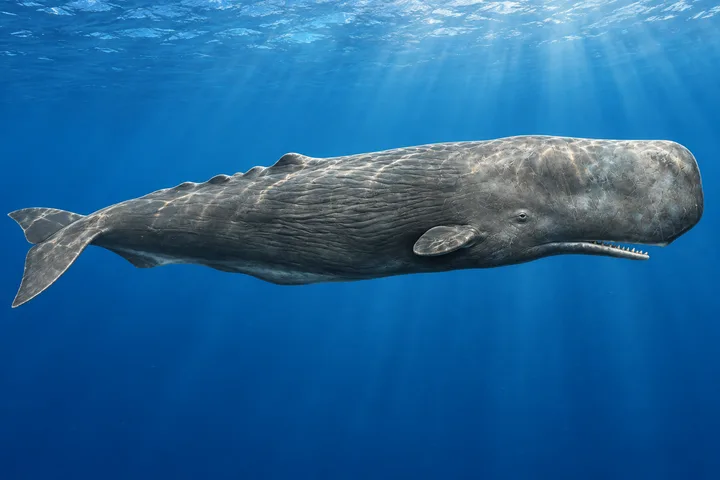
Sperm whale
Sperm whale
Physeter macrocephalus
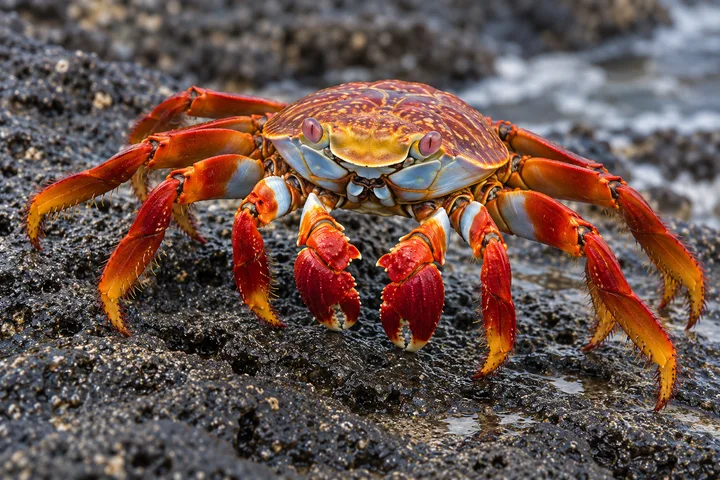
Sally Lightfoot crab
Grapsus grapsus
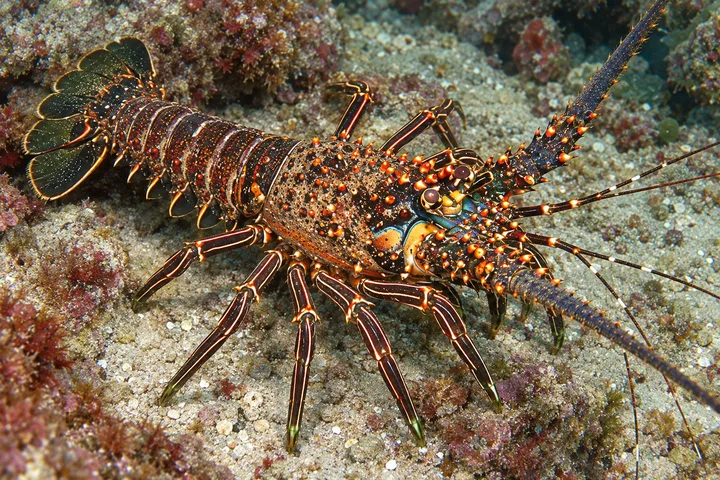
Blue spiny lobster
Blue spiny lobster
Panulirus inflatus
Chocolate clam
Chocolate clam
Megapitaria squalida
Pelagic red crab
Pelagic red crab
Grimothea planipes
Hubbs’ octopus
Hubbs’ octopus
Octopus hubbsorum
Jewel moray
Jewel moray
Muraena lentiginosa
Panamic green moray
Panamic green moray
Gymnothorax castaneus
Spinner dolphin
Spinner dolphin
Stenella longirostris
Risso’s dolphin
Risso’s dolphin
Grampus griseus
Short-finned pilot whale
Globicephala macrorhynchus
Bigeye tuna
Bigeye tuna
Thunnus obesus
Pelagic thresher
Pelagic thresher
Alopias pelagicus
Blue shark
Blue shark
Prionace glauca
Giant hawkfish
Giant hawkfish
Cirrhitus rivulatus
Pacific bonito
Pacific bonito
Sarda lineolata
Cortez angelfish
Cortez angelfish
Pomacanthus zonipectus
Talk to the family

Questions? Message the family

The Vargas family answers personally. 7 days a week, 5 AM – 6 PM Cabo time.