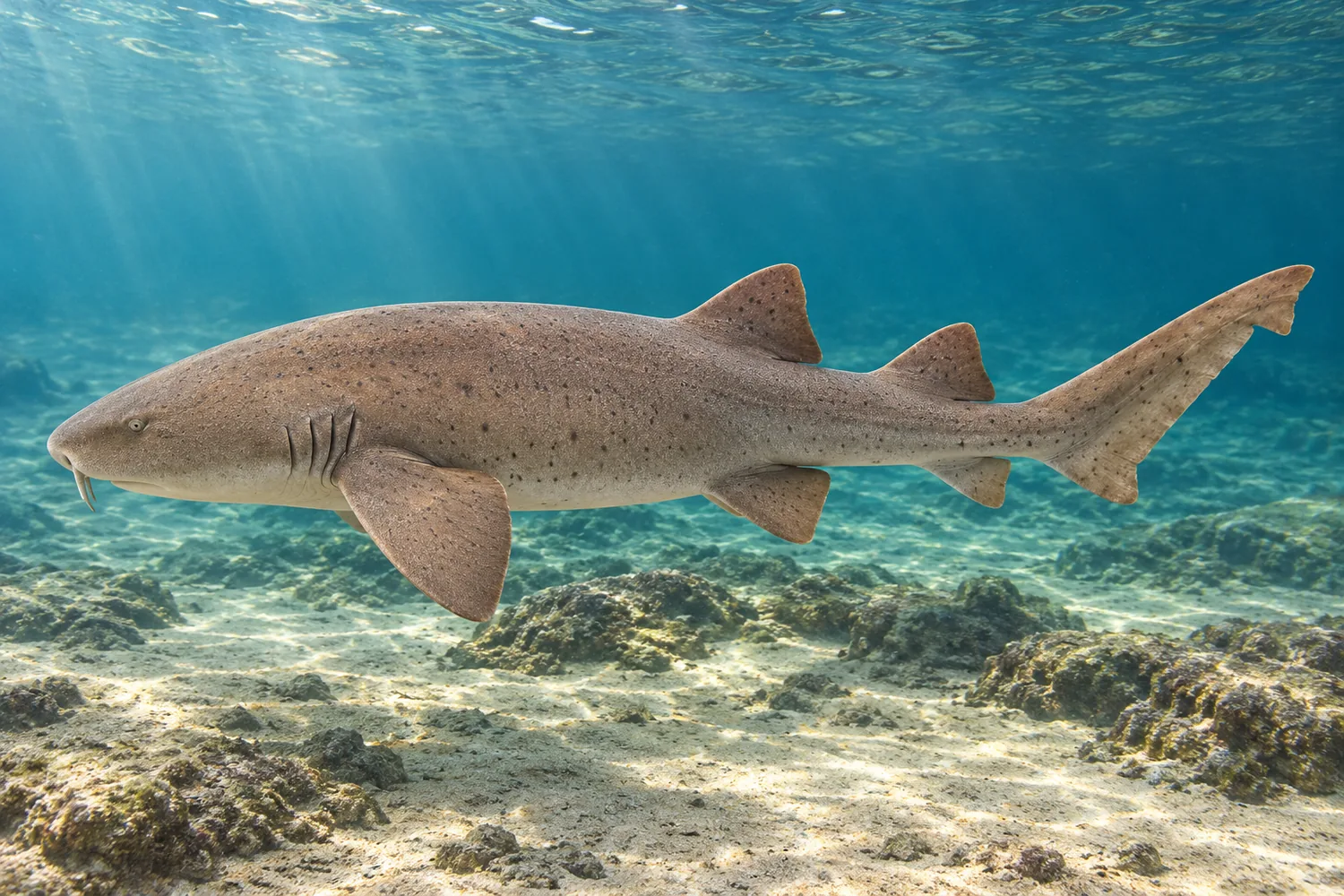
Pacific nurse shark (Ginglymostoma unami), illustration
Regulated · catch and release Ginglymostoma unami(formerly G. cirratum (Pacific))

Pacific nurse shark in Los Cabos

A brown, bottom-dwelling shark with two whisker-like barbels under its snout. Scientists only recognized it as a separate species in 2015. It lives in southern Baja, including Cabo Pulmo, but is seldom reported around Los Cabos.

Up to ~2.8 mMax length
2015Named a species
0 – 30 mDepth
EndangeredIUCN Red List

Season in Los Cabos

●● best months · ● regular · · occasional. Based on local fishing reports; conditions change year to year.

Tap a month to see everything biting in Cabo that month ›

How to recognize it

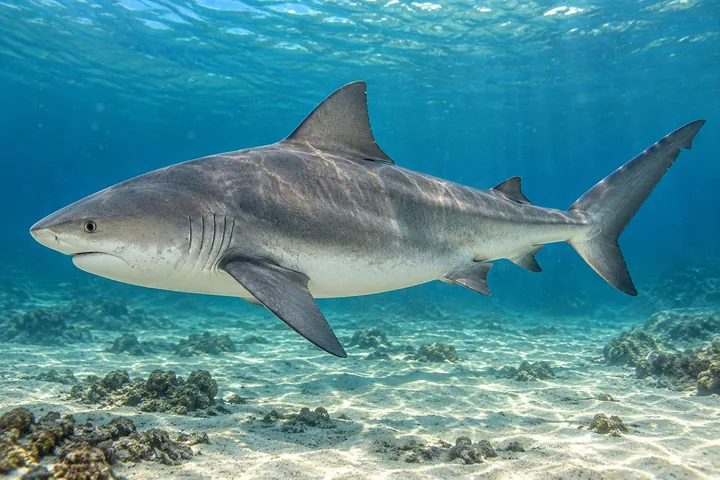
A large shark with a broad, flattened, rounded head, small eyes, a small mouth set under the snout and a pair of fleshy barbels hanging in front of it. The two dorsal fins are rounded, similar in size and set far back, and the long tail, about a third of the total length, has almost no lower lobe. Adults are yellowish brown to grayish brown with a paler belly; young ones have small dark spots, smaller than the eye, and faint saddles on the back.

Biology

The Pacific nurse shark is found only in the eastern Pacific, from the southern tip of Baja California and the Gulf of California to Peru, including Cocos and Malpelo islands. It lives over rocky reefs, sand flats and near mangroves, from the surface to about 30 m, and spends almost all its time on the bottom. Until 2015 it was lumped with the Atlantic nurse shark; it differs in body proportions, with the dorsal fins closer together and set further forward, and in its teeth, which have more side points.

It eats bottom animals: fish, crabs and shrimp, octopus and squid, snails, clams and sea urchins. Its biology is still poorly known. In Santa Elena Bay, Costa Rica, 28 tagged sharks of 0.85 to 2.6 m returned to the bay year after year and used its warmer water as a refuge when seasonal upwelling chilled the surrounding sea, sometimes gathering in tight groups.

Things you probably didn't know

01

Named for a university

It was described in 2015 from a shark caught at Puerto Ángel, Oaxaca. The name unami honors Mexico’s national university, UNAM, for its role in educating the people of Mexico.

Source ↗
02

Baja in the original description

One of the specimens used to describe the species is a 49.5 cm juvenile from San José del Cabo, collected in 1993, and the authors also examined 13 embryos from the east side of Isla Cerralvo, near La Paz.

Source ↗
03

Spotted from a drone at Cabo Pulmo

Drone surveys over the sand and reef of Cabo Pulmo in 2019 counted Pacific nurse sharks on two flights: one adult on one day and a group of eight adults on another.

Source ↗
04

Huddling for warmth

In Costa Rica, upwelling from about December to April can cool the surface water by up to 10 °C. Nurse sharks gather in warmer shallows during the cold season, sometimes lying in contact with each other.

Source ↗
05

A suction feeder

Nurse sharks have a small mouth but a large throat that sucks in prey, strong enough to pull snails out of their shells.

Source ↗
06

Endangered

The IUCN lists the Pacific nurse shark as Endangered, with suspected declines linked to fishing and the loss of mangrove habitat.

Source ↗

How it's caught in Los Cabos

The Pacific nurse shark is a snorkel and dive shark, not a fishing target, and it is seldom reported around Los Cabos. Look for it resting on sand or under rocky ledges in shallow water, especially at Cabo Pulmo. Watch without touching: it looks sluggish, but a nurse shark that is grabbed or cornered can bite and hold on.

If one is hooked by accident, we release it. Best practice: circle hooks that aren’t stainless steel, keep the shark in the water, unhook it quickly or cut the leader close to the hook, and hold it facing forward while the boat moves slowly so water runs over its gills. Never lift a big shark by the tail or gills.

Rules, records & conservation

Daily limit (NOM-017-PESC-1994)Sharks: 1 per angler per day, and it counts as 5 of the 10 fish
Closed season (Pacific)All shark species, May 1 – July 31; no shark fishing during the closure
Cabo Pulmo National ParkSport fishing not allowed
IUCN Red ListEndangered (assessed 2019)
CITESNot listed

Top Anglers practices catch-and-release for all sharks.

Don't confuse it with

The Pacific lemon shark is also yellowish brown with two similar-sized dorsal fins, but it has no barbels, a pointed snout and a large lower tail lobe, and it swims rather than lying on the bottom. Horn sharks, which some Mexican fishers also call gata, are much smaller and have a spine at the front of each dorsal fin.

Questions

Are nurse sharks dangerous?

They are not aggressive and usually swim away, but they can bite if grabbed, ridden, cornered or fed, and their grip can be hard to release. The International Shark Attack File lists 9 confirmed unprovoked bites by nurse sharks, none fatal; those records are for the Atlantic species.

Where can you see a Pacific nurse shark near Cabo?

Your best chance is snorkeling or diving at Cabo Pulmo, where they rest on sand and under ledges. Elsewhere around Los Cabos they are seldom reported.

Is the Pacific nurse shark the same as the Atlantic nurse shark?

No. Scientists described the Pacific nurse shark as its own species in 2015; the Atlantic nurse shark lives only in the Atlantic.

By Max VargasTop Anglers, Cabo San Lucas · international judge at big game fishing world championships · reviewed October 2026

Sources

Top illustration: Top Anglers. Photos: iNaturalist contributors, credited on each photo.

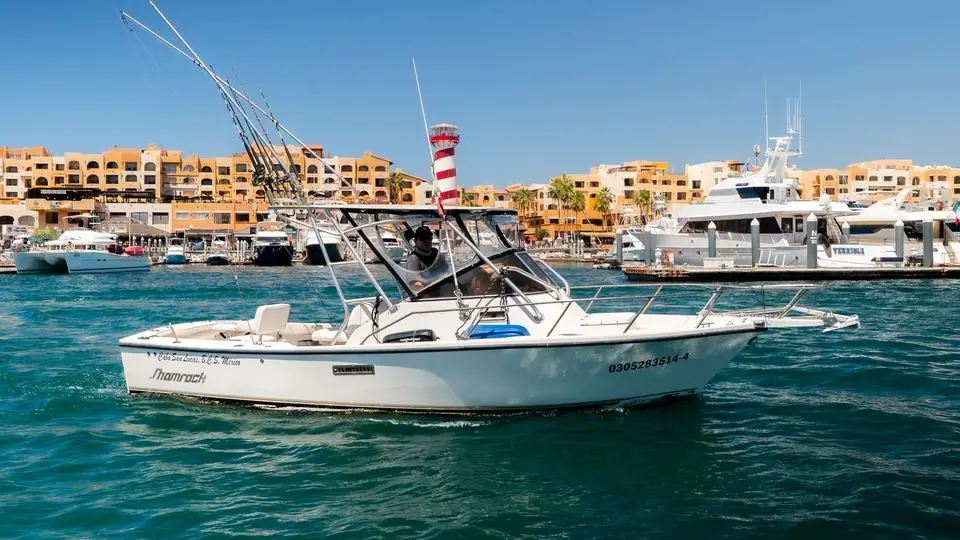
Boats for pacific nurse shark

Pangas and small boats that work the beaches, points and rocky reefs. From $698 with license included.

More species

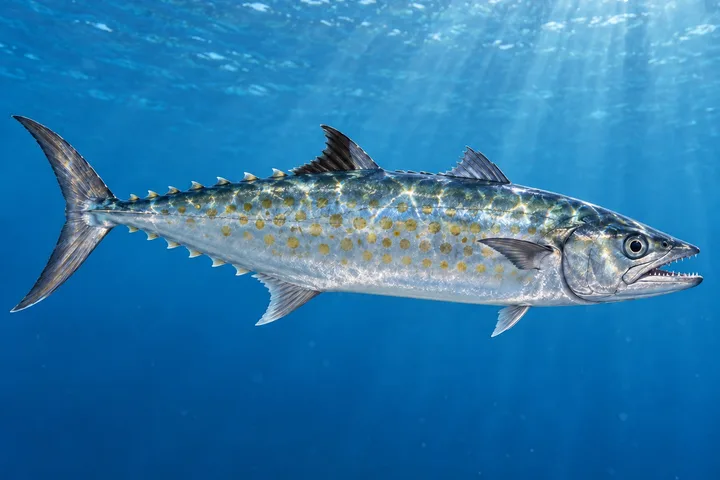
Pacific sierra
Pacific sierra
Scomberomorus sierra
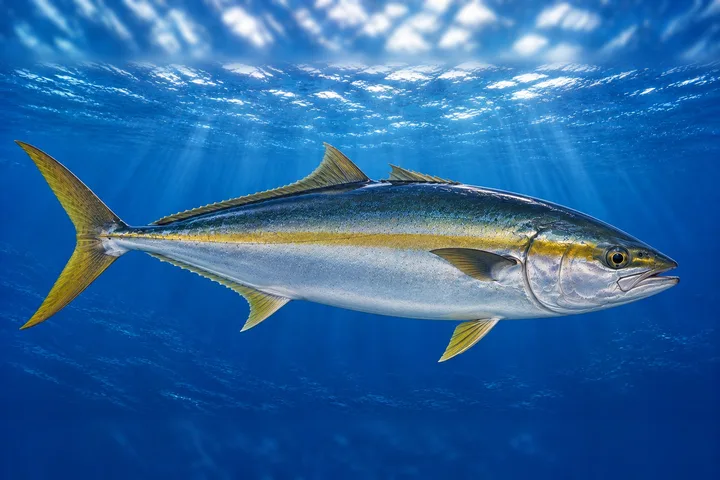
California yellowtail
Seriola dorsalis
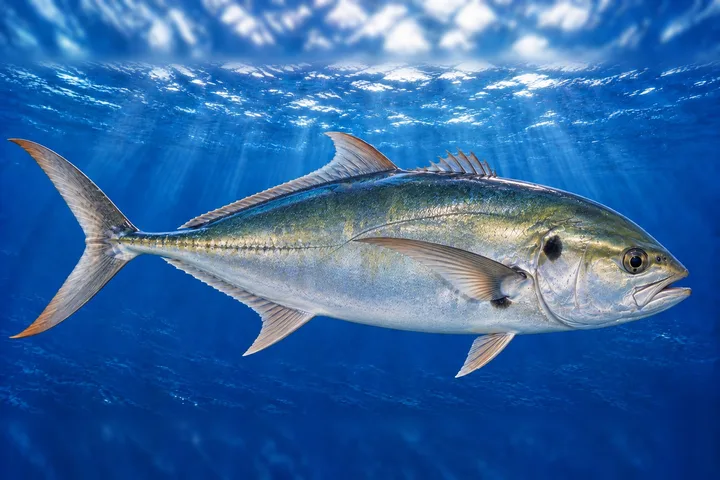
Pacific crevalle jack
Caranx caninus
Skipjack tuna
Skipjack tuna
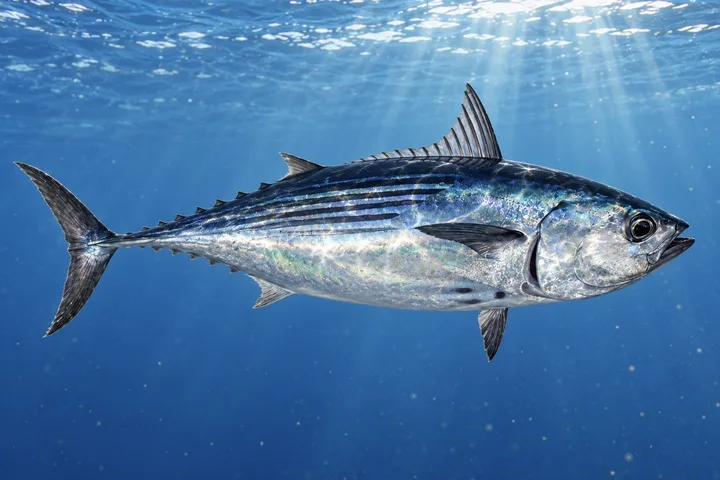
Katsuwonus pelamis
Shortfin mako
Shortfin mako
Isurus oxyrinchus
Leopard grouper
Leopard grouper
Mycteroperca rosacea
Colorado snapper
Colorado snapper
Lutjanus colorado
Striped bonito
Striped bonito
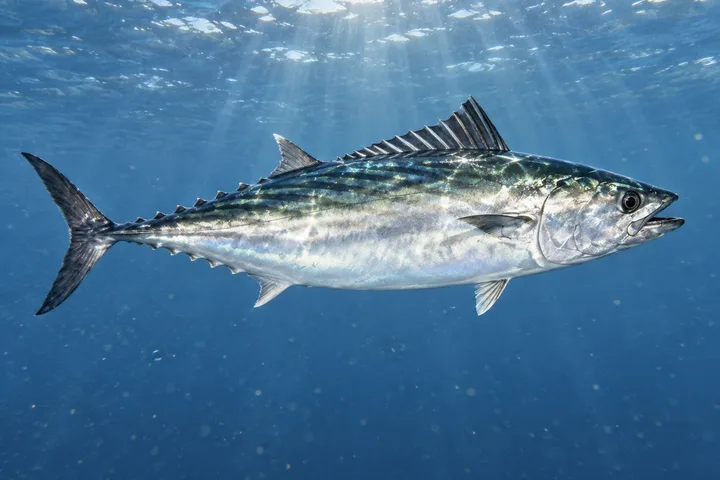
Sarda orientalis
Black skipjack
Black skipjack
Euthynnus lineatus
Finescale triggerfish
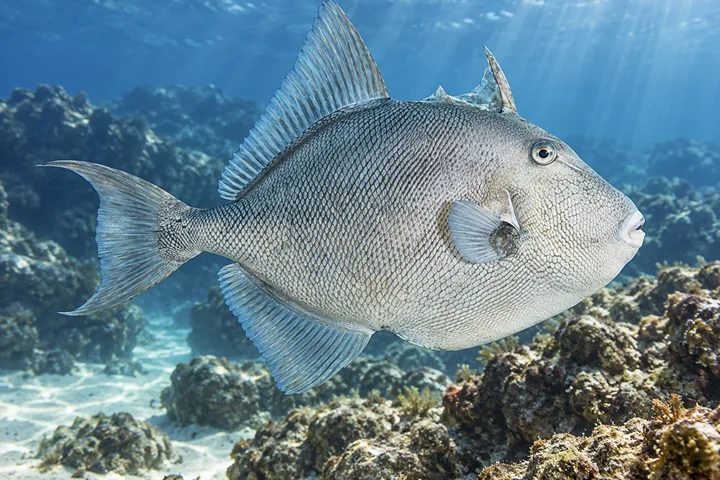
Balistes polylepis
Scalloped hammerhead
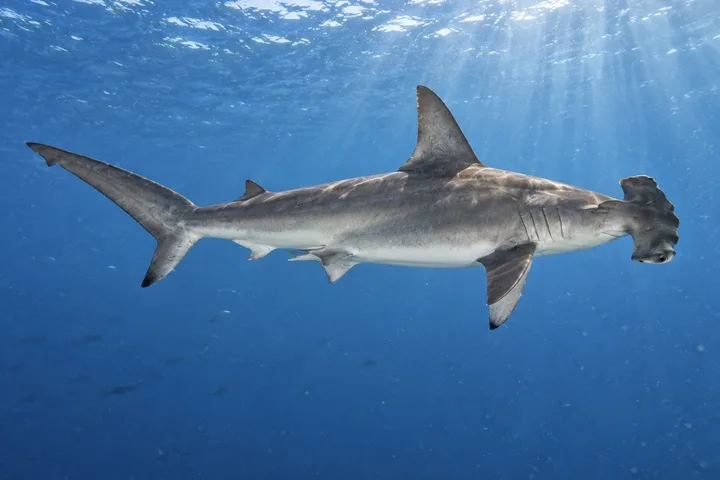
Sphyrna lewini
Humpback whale
Humpback whale
Megaptera novaeangliae
Gray whale
Gray whale
Eschrichtius robustus
California sea lion
California sea lion
Zalophus californianus
Whale shark
Whale shark
Rhincodon typus
Olive ridley sea turtle
Lepidochelys olivacea
Bottlenose dolphin
Bottlenose dolphin
Tursiops truncatus
Munk's devil ray (mobula)
Mobula munkiana
Swordfish
Swordfish
Xiphias gladius
Almaco jack
Almaco jack
Seriola rivoliana
Bigeye trevally
Bigeye trevally
Caranx sexfasciatus
Spotted cabrilla
Spotted cabrilla
Epinephelus analogus
Pacific dog snapper
Pacific dog snapper
Lutjanus novemfasciatus
Barred pargo
Barred pargo
Hoplopagrus guentherii
Blue whale
Blue whale
Balaenoptera musculus
Green sea turtle (black turtle)
Chelonia mydas
Leatherback sea turtle
Dermochelys coriacea
Rainbow runner
Rainbow runner
Elagatis bipinnulata
Gulf grouper
Gulf grouper
Mycteroperca jordani
Yellow snapper
Yellow snapper
Lutjanus argentiventris
Pacific white snook
Pacific white snook
Centropomus viridis
Mexican barracuda
Mexican barracuda
Sphyraena ensis
Silky shark
Silky shark
Carcharhinus falciformis
Mexican needlefish
Mexican needlefish
Tylosurus fodiator
Humboldt squid
Humboldt squid
Dosidicus gigas
Giant manta ray
Giant manta ray
Mobula birostris
Fin whale
Fin whale
Balaenoptera physalus
Orca (killer whale)
Orca (killer whale)
Orcinus orca
Hawksbill sea turtle (carey)
Eretmochelys imbricata
Brown pelican
Brown pelican
Pelecanus occidentalis
Magnificent frigatebird
Fregata magnificens
Shortbill spearfish
Shortbill spearfish
Tetrapturus angustirostris
Loggerhead sea turtle (caguama)
Caretta caretta
Osprey
Osprey
Pandion haliaetus
Blue-footed booby
Blue-footed booby
Sula nebouxii
Common dolphin
Common dolphin
Delphinus delphis
Oarfish
Oarfish
Regalecus russelii
Heermann’s gull
Heermann’s gull
Larus heermanni
Yellow-footed gull
Yellow-footed gull
Larus livens
Ocean sunfish
Ocean sunfish
Mola mola
Sperm whale
Sperm whale
Physeter macrocephalus
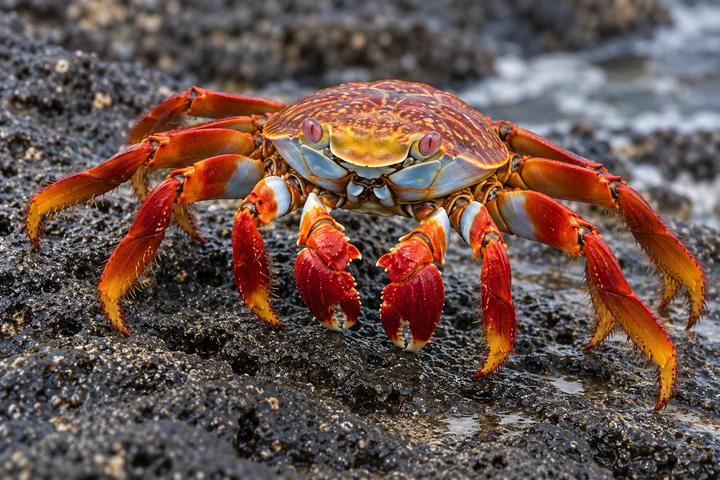
Sally Lightfoot crab
Grapsus grapsus
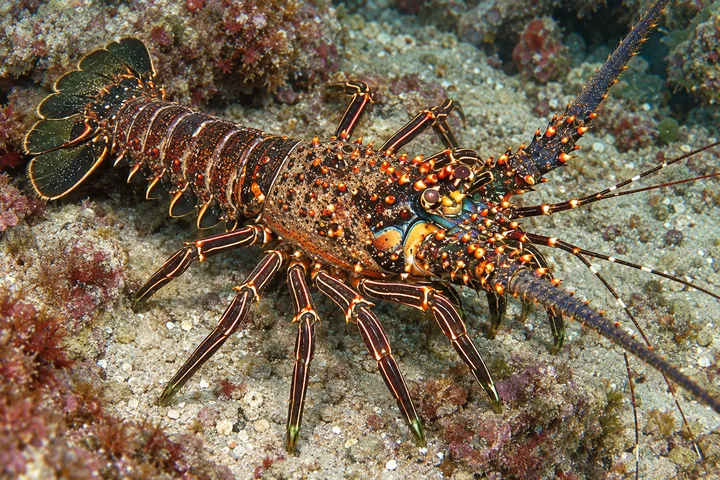
Blue spiny lobster
Blue spiny lobster
Panulirus inflatus
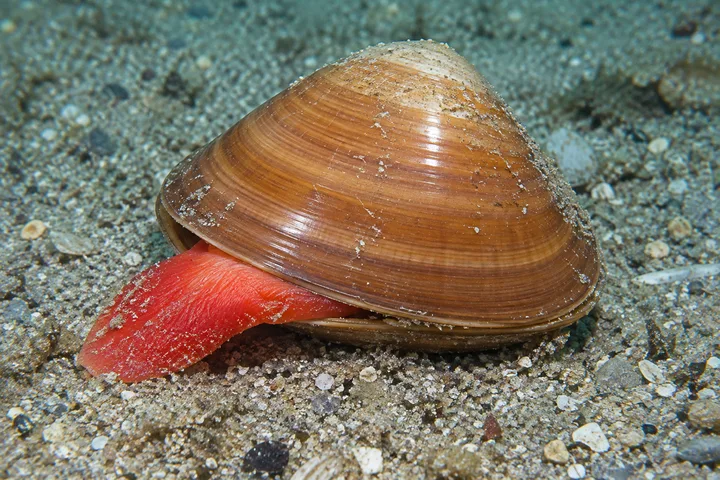
Chocolate clam
Chocolate clam
Megapitaria squalida
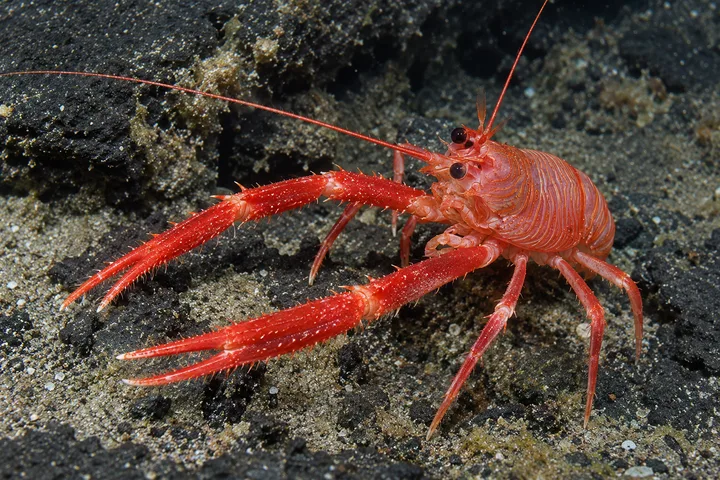
Pelagic red crab
Pelagic red crab
Grimothea planipes
Hubbs’ octopus
Hubbs’ octopus
Octopus hubbsorum
Jewel moray
Jewel moray
Muraena lentiginosa
Panamic green moray
Panamic green moray
Gymnothorax castaneus
Spinner dolphin
Spinner dolphin
Stenella longirostris
Risso’s dolphin
Risso’s dolphin
Grampus griseus
Short-finned pilot whale
Globicephala macrorhynchus
Bigeye tuna
Bigeye tuna
Thunnus obesus
Pelagic thresher
Pelagic thresher
Alopias pelagicus
Blue shark
Blue shark
Prionace glauca
Giant hawkfish
Giant hawkfish
Cirrhitus rivulatus
Pacific bonito
Pacific bonito
Sarda lineolata
Cortez angelfish
Cortez angelfish
Pomacanthus zonipectus
African pompano
African pompano
Alectis ciliaris
Barberfish
Barberfish
Johnrandallia nigrirostris
Black jack
Black jack
Caranx lugubris
Bumphead parrotfish
Bumphead parrotfish
Scarus perrico
Cortez rainbow wrasse
Thalassoma lucasanum
Ember parrotfish
Ember parrotfish
Scarus rubroviolaceus
Flag cabrilla
Flag cabrilla
Epinephelus labriformis
Golden trevally
Golden trevally
Gnathanodon speciosus
King angelfish
King angelfish
Holacanthus passer
Mexican hogfish
Mexican hogfish
Bodianus diplotaenia
Moorish idol
Moorish idol
Zanclus cornutus
Pacific creolefish
Pacific creolefish
Cephalopholis colonus
Pacific red snapper
Pacific red snapper
Lutjanus peru
Pacific seahorse
Pacific seahorse
Hippocampus ingens
Sanguine frogfish
Sanguine frogfish
Abantennarius sanguineus
Spotted rose snapper
Lutjanus guttatus
Threeband butterflyfish
Chaetodon humeralis
Yellowtail surgeonfish
Prionurus laticlavius
Spinetail devil ray
Spinetail devil ray
Mobula mobular
Golden cownose ray
Golden cownose ray
Rhinoptera steindachneri
Round stingray
Round stingray
Urobatis halleri
Pacific spotted eagle ray
Aetobatus laticeps
Whitetip reef shark
Whitetip reef shark
Triaenodon obesus
Tiger shark
Tiger shark
Galeocerdo cuvier
Bull shark
Bull shark
Carcharhinus leucas
Bryde’s whale
Bryde’s whale
Balaenoptera edeni
Rough-toothed dolphin
Steno bredanensis
Cauliflower coral
Cauliflower coral
Pocillopora verrucosa
Panamic porites coral
Porites panamensis
Giant pavona
Giant pavona
Pavona gigantea
Blue sea star (tan sea star)
Phataria unifascialis
Long-spined sea urchin
Diadema mexicanum
Cocos booby
Cocos booby
Sula brewsteri
Talk to the family

Questions? Message the family

The Vargas family answers personally. 7 days a week, 5 AM – 6 PM Cabo time.