Wahoo in Cabo San Lucas
One of the fastest fish in the sea. Wahoo are long, torpedo-shaped predators with razor-sharp teeth and electric tiger stripes, and their first run can strip line off the reel in seconds. In Cabo they are a late-fall and early-winter specialty, usually found alone or in small groups around underwater banks, drop-offs and current edges, and they are one of the best-eating fish in the ocean.
When to fish for wahoo
Peak season in Cabo San Lucas: November through December.
| Species | Jan | Feb | Mar | Apr | May | Jun | Jul | Aug | Sep | Oct | Nov | Dec | Peak |
|---|---|---|---|---|---|---|---|---|---|---|---|---|---|
| Wahoo | Good | Some | Some | Some | Good | Some | Some | Some | Good | Good | Peak | Peak | Nov–Dec |
PeakGoodSomeOff
Biology
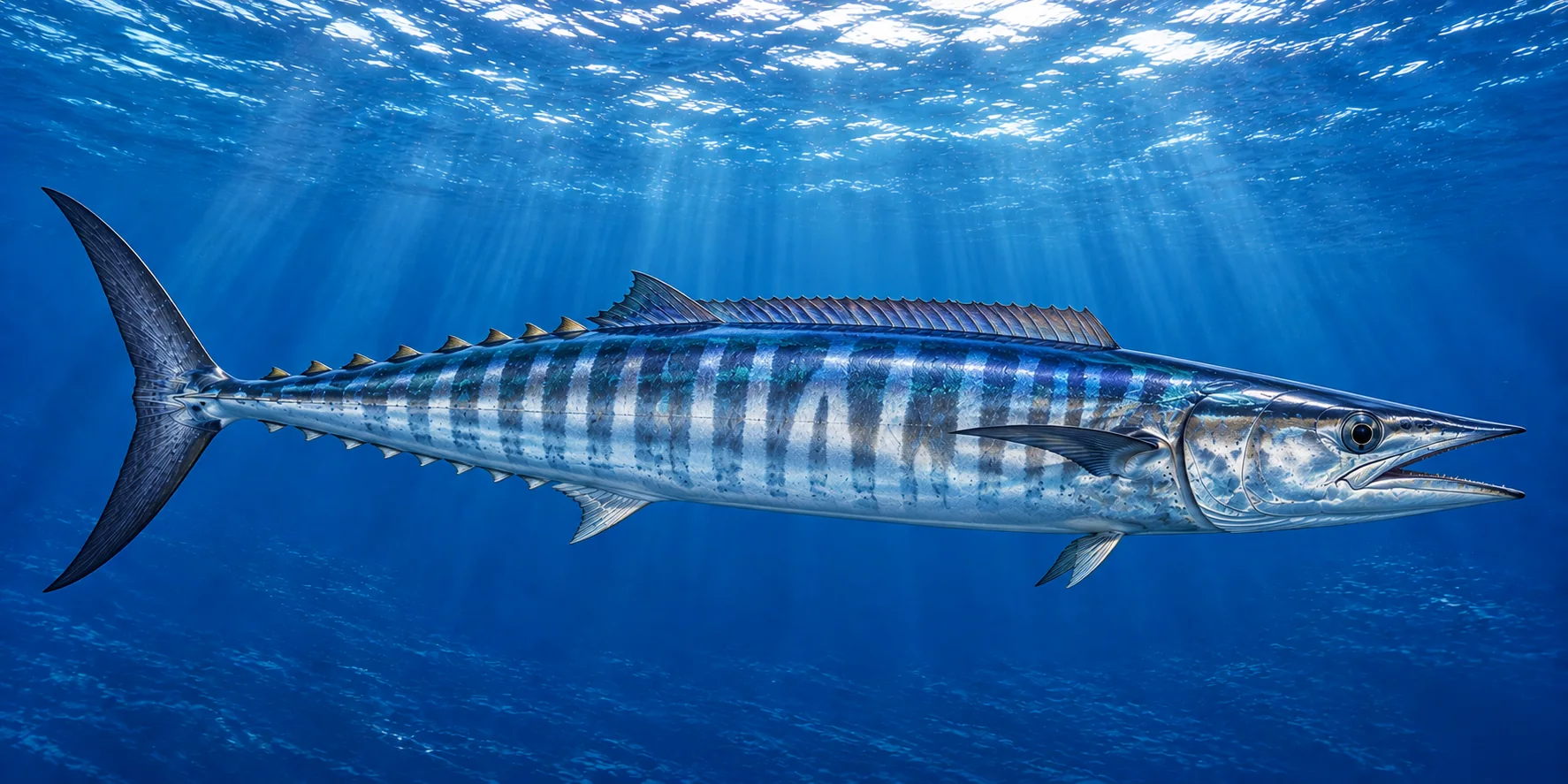
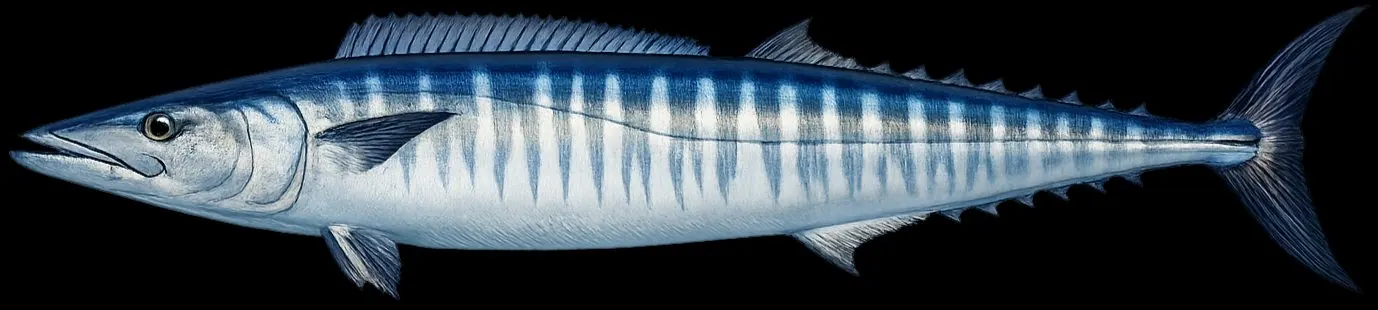
Wahoo are elongated, torpedo-shaped fish built for pure speed. Their body is designed for minimal drag — they have a narrow, pointed head, a streamlined body, and a lunate (crescent-shaped) tail optimized for fast swimming.
Unlike tuna, wahoo are solitary or found in very small groups. They are ambush predators that use short, explosive bursts of speed to overtake prey. Their teeth are razor-sharp and triangular — they bite through heavy monofilament and fluorocarbon with ease, making wire leader essential.
Cabo holds a special place in wahoo fishing history: the IGFA all-tackle world record of 184 pounds was caught here in 2005 by 15-year-old Sara Hayward. The waters around the tip of Baja produce exceptional wahoo in late fall and early winter.
Taxonomy
| Order | Scombriformes |
|---|---|
| Family | Scombridae |
| Genus | Acanthocybium |
| Species | A. solandri (Cuvier, 1832) |
| Common names | Wahoo, ono (Hawaiian), peto (Spanish), kingfish |
| Lifespan | Approximately 5–6 years |
| Diet | Squid, pelagic fish, flying fish, mackerel |
| Habitat | Tropical and subtropical waters worldwide. Solitary or in small groups, usually near drop-offs, seamounts, and current edges. Rarely found in large schools. |
How we fish for them
High Speed Trolling
Primary Method. Wahoo are typically targeted by trolling lures at high speed — 12 to 18 knots, much faster than marlin trolling. Wahoo-specific lures with bullet-shaped heads and wire leaders are essential. Tackle: 30–50 lb class with wire leader (wahoo bite through mono/fluoro).
Marlin-Speed Trolling
Bonus Fish. Many Cabo wahoo are caught on the regular marlin and tuna spread at 7–9 knots, especially near banks and drop-offs. Crews add a lure on a wire leader so a wahoo strike is not lost to a bite-off.
Live Bait At Structure
Targeted. Live bait drifted or slow-trolled near underwater structure — seamounts, drop-offs, and temperature breaks. Wahoo often patrol structure edges. Tackle: 30–50 lb class with 6 feet of wire leader.
Records & sizes
Igfa All-Tackle World Record: 184 lb. Caught by Sara Hayward on July 29, 2005 off Cabo San Lucas, Mexico. Hayward was just 15 years old when she set the record, fighting the fish for 35 minutes while trolling skirted lures.
Typical Good Catch: 30-80 lb. Wahoo in Cabo typically run 30 to 80 pounds, with exceptional fish exceeding 100 pounds. The world record of 184 pounds was caught off Cabo in 2005.
Top Speed: ~60 mph. Estimated maximum burst speed. Wahoo are among the fastest fish in the ocean.
Maximum Recorded Length: ~8 ft (2.5 m). Approximate maximum total length. Cabo wahoo typically measure smaller.
Record source: IGFA world records.
Conservation & rules
Wahoo are not heavily targeted by commercial fisheries. Mexican bag limits allow 5 wahoo per angler per day. Their firm white flesh is excellent for grilling, searing, and sashimi.
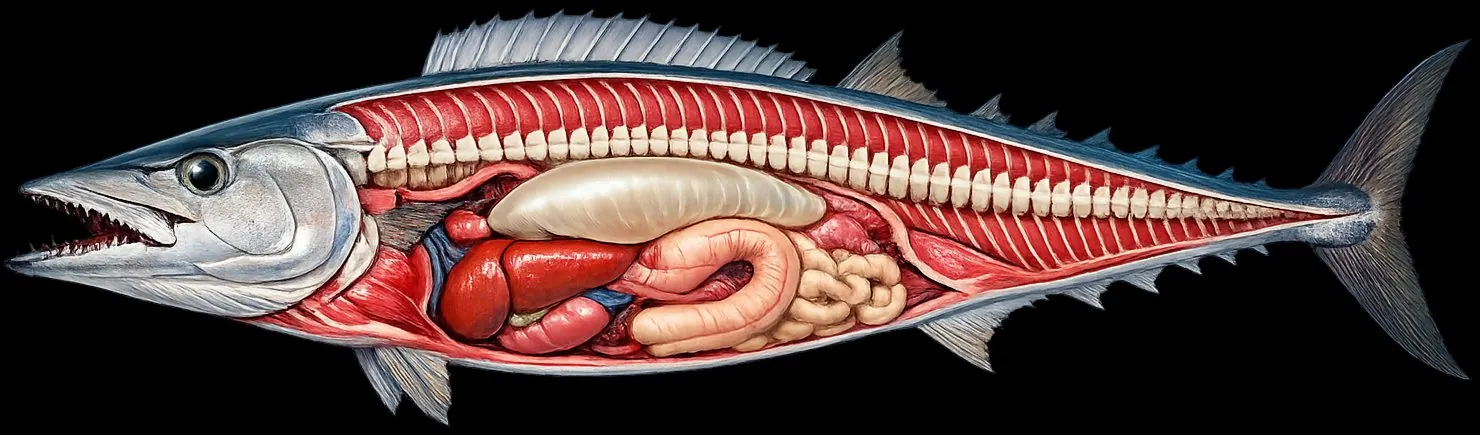
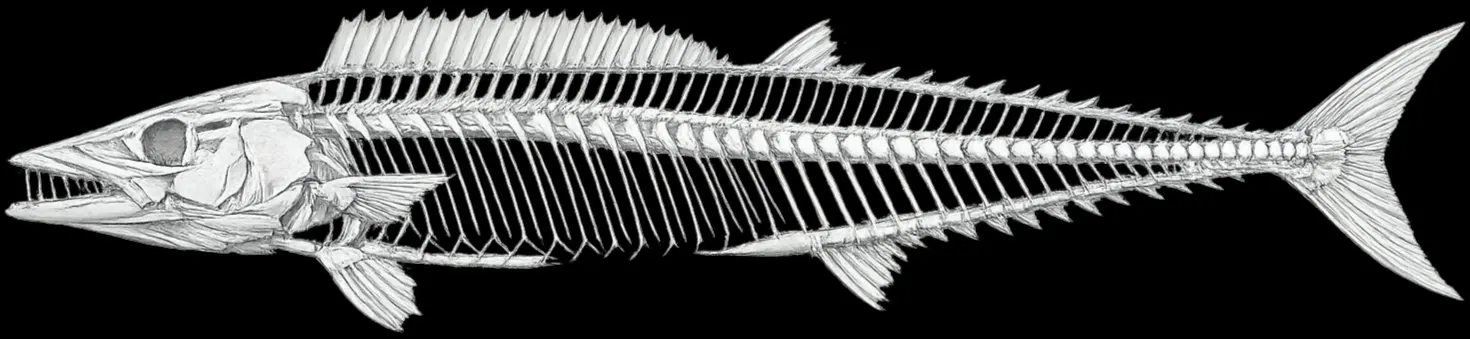
Anatomy
Questions
Can I keep wahoo in Cabo?
Yes. Wahoo are excellent eating and the Mexican bag limit allows 5 per angler per day. The firm white flesh is outstanding for grilling, searing, and sashimi. Fish cleaning is available at the dock for an additional fee. The IGFA world record of 184 pounds was caught right here in Cabo San Lucas.
When is wahoo season in Cabo?
Peak wahoo season in Cabo runs from November through December; Gordo Banks reports from 2010–2020 show the most wahoo per trip in those two months. Wahoo prefer water temperatures between 75°F and 83°F and are most commonly caught near underwater structure and current edges. Wahoo are also caught regularly in September and October, during Bisbee's tournament season, making it possible to target marlin and wahoo on the same trip.
Why was the wahoo world record caught in Cabo?
The IGFA all-tackle wahoo world record of 184 pounds was caught off Cabo San Lucas in 2005 by 15-year-old Sara Hayward. Cabo's position at the confluence of the Pacific Ocean and the Sea of Cortez creates nutrient-rich waters with abundant baitfish, which supports exceptionally large wahoo — particularly in late fall and early winter.
Photos
Other species in Cabo
Boats for wahoo
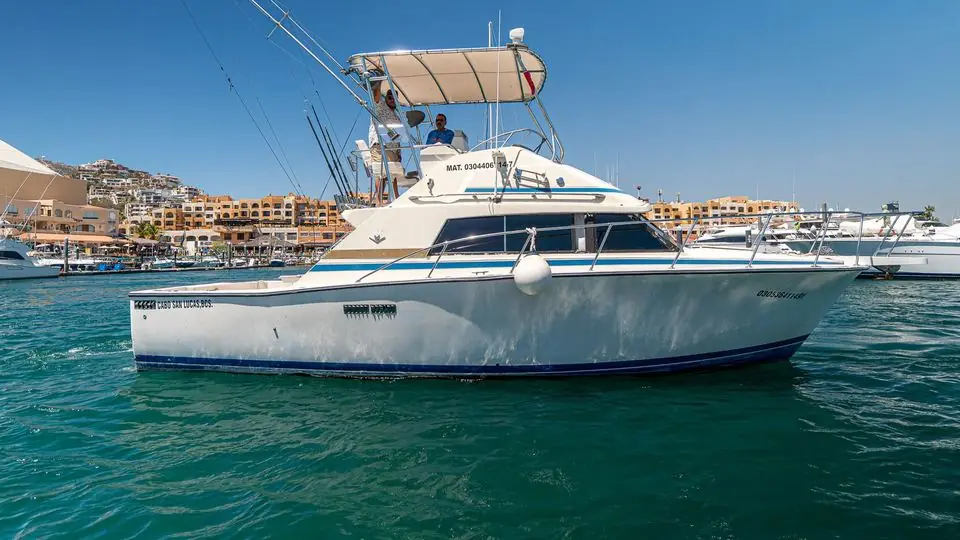
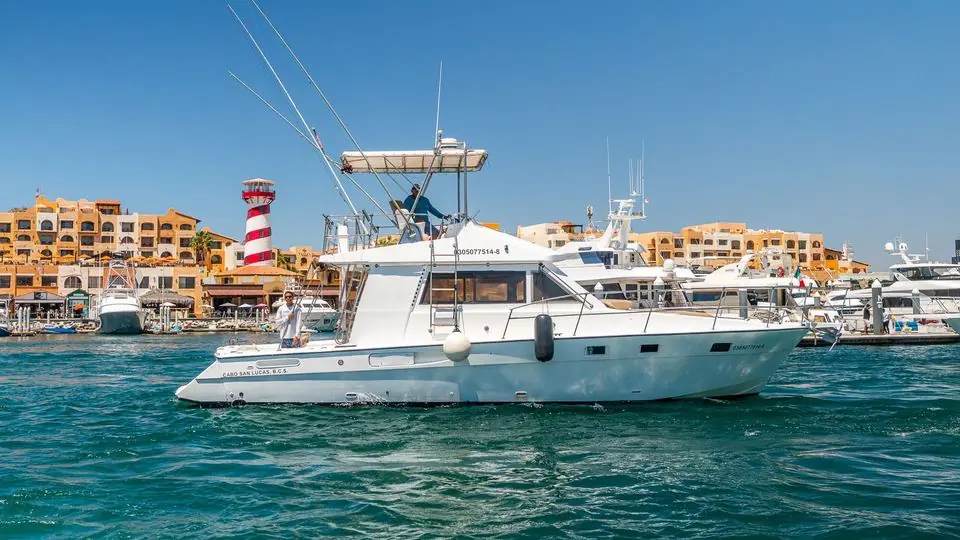
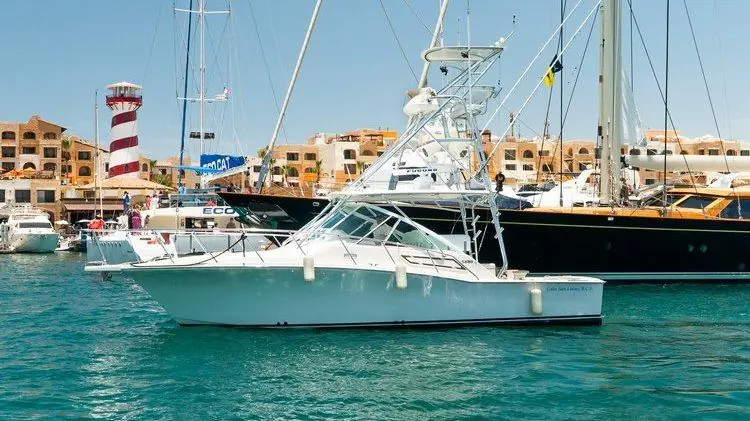
Offshore sportfishers with the range to reach the banks. From $1,174 with license included.