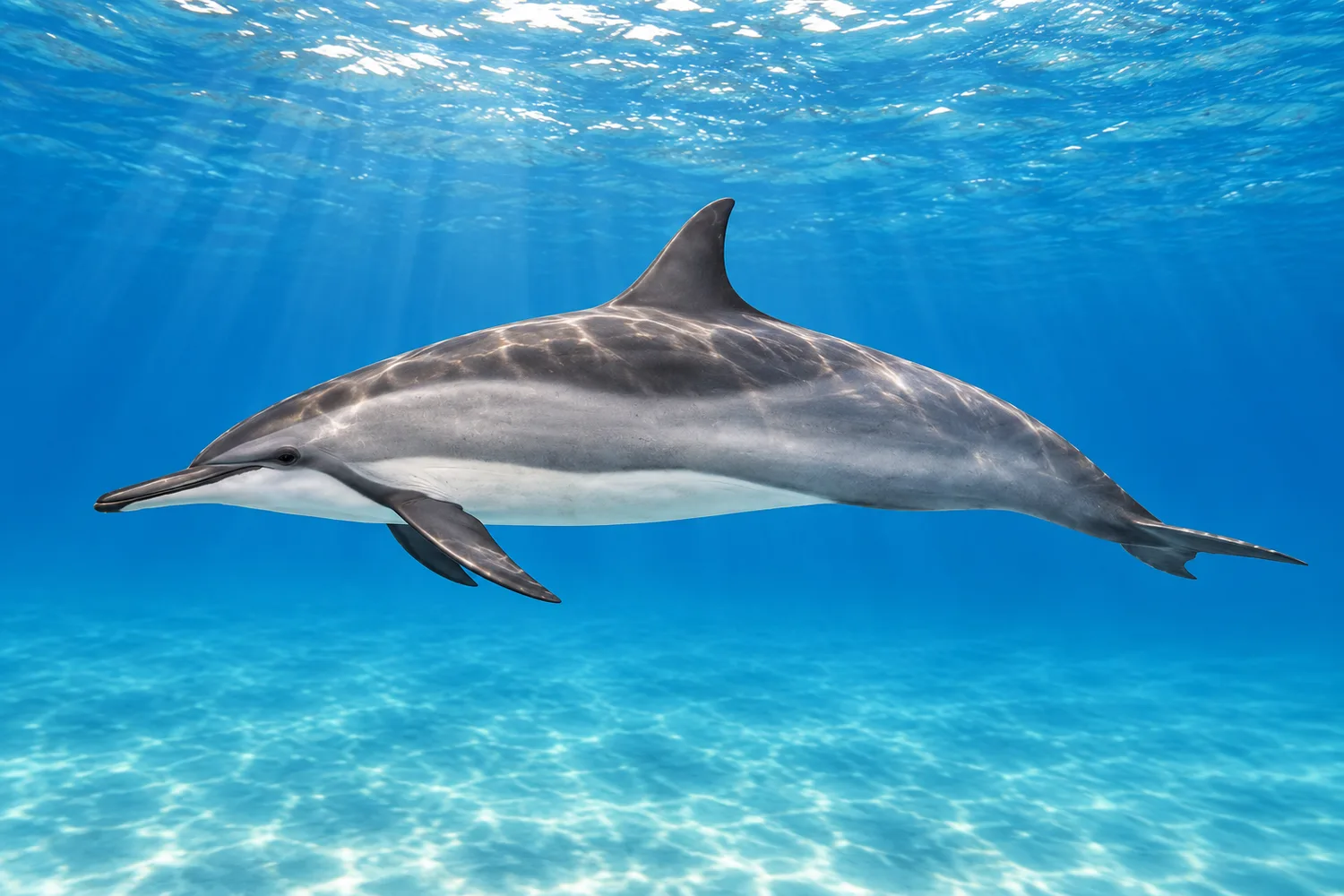
Spinner dolphin (Stenella longirostris), illustration
Protected Stenella longirostris(Off Cabo: the eastern spinner, S. l. orientalis)

Spinner dolphin in Los Cabos

No dolphin leaps like a spinner: it shoots out of the water and twists around its own length up to seven times before splashing down. Off Cabo you meet the eastern spinner, a small gray form found only in the eastern tropical Pacific.

Up to 7Spins in a single leap
1.5–2 mAdult eastern spinner (5–6.5 ft)
~790,000Eastern spinners (IATTC estimate)
200–300 mNight feeding depth (650–1,000 ft)

When to see them

●● best months · ● regular · · occasional. Based on scientific studies and local reports; it changes year to year.

Tap a month to see everything biting in Cabo that month ›

How to recognize it

A small, slim dolphin with a very long, thin beak. The eastern spinner seen off Cabo is plain gray on the back and sides, with small white patches in the armpits and around the genital area, instead of the three-tone pattern of spinners elsewhere. Adult males have an upright dorsal fin that can even lean forward, and a deep keel (the post-anal hump) on the underside of the tail stock.

Biology

There are four recognized subspecies, and two of them live only in the eastern Pacific. The eastern spinner (S. l. orientalis) ranges through a huge triangle of ocean whose base runs from about the tip of Baja California (around 24°N) south to Peru, so Los Cabos sits at its northern edge. The Central American spinner (S. l. centroamericana) is a larger, coastal form found within about 80 km of shore from the Gulf of Tehuantepec to Costa Rica, far south of Cabo. Offshore, eastern spinners mix with Gray’s spinners in a broad zone of intermediate animals known as whitebelly spinners.

Spinners feed mostly at night on small midwater fish under 20 cm, including lanternfish, plus squid and small shrimp, following prey that rises toward the surface after dark. Jumbo (Humboldt) squid has been reported in their diet in the Gulf of California. Schools range from a few animals to a thousand or more and are usually bigger offshore. In the eastern tropical Pacific, yellowfin tuna travel with spinner schools, the link that made the eastern spinner one of the main victims of the tuna purse-seine fishery.

Things you probably didn't know

01

The spin starts underwater

A 2006 study showed spinners cannot twist their bodies enough to spin in the air. They build up the rotation underwater by corkscrewing before the leap, and once airborne the spin speeds up by as much as three times.

Source ↗
02

Fourteen leaps in a row

A single spinner can make up to 14 spinning leaps in a row, each a little weaker than the last. Leaps up to 3 m high and 1.25 seconds in the air have been measured.

Source ↗
03

Shaking off hitchhikers

One explanation for the spinning: the force of re-entering the water while rotating fast could be enough to knock off remoras stuck to the dolphin’s body.

Source ↗
04

From 19,526 to 300

In 1986, tuna purse seiners in the eastern Pacific killed an estimated 19,526 eastern spinners. In 2024, under the dolphin program run by the IATTC, the estimate was 300.

Source ↗
05

A population still recovering

Fishing mortality cut the eastern spinner population by about 65%, and the IUCN describes its recovery as slow at best.

Source ↗
06

The coastal spinner nets missed

Central American spinners rarely “carry” tuna, so purse seiners almost never caught them. That is why so few specimens existed when the subspecies was named in 1990.

Source ↗

Seeing them from the boat

Spinners are offshore dolphins, and Cabo sits at the northern edge of the eastern spinner’s range, so they are an occasional, lucky sighting rather than an everyday one. Naturalists on expedition ships have reported spinner dolphins close to Cabo San Lucas. You are most likely to meet them in blue water, where a fast-moving school can light up the horizon with spinning leaps.

Enjoy them from the boat: keep a steady course and speed, let them choose to ride the bow, don’t drive through or split up a school, and never feed them or try to swim with them. Keep lines and lures clear when spinners are around.

Rules & conservation

Mexico (NOM-059)Subject to special protection (Pr)
Ley General de Vida Silvestre, art. 60 BisNo extractive use or possession of any marine mammal, except authorized research and conservation
Whale-watching rules (NOM-131)Do not apply: NOM-131 covers only baleen whales and the sperm whale
Tuna fisheryEastern spinner deaths in eastern Pacific purse seining are capped per stock and per year and tracked by observers under the IATTC’s International Dolphin Conservation Program
CITESAppendix II
IUCN Red ListLeast Concern (2018)

Don't confuse it with

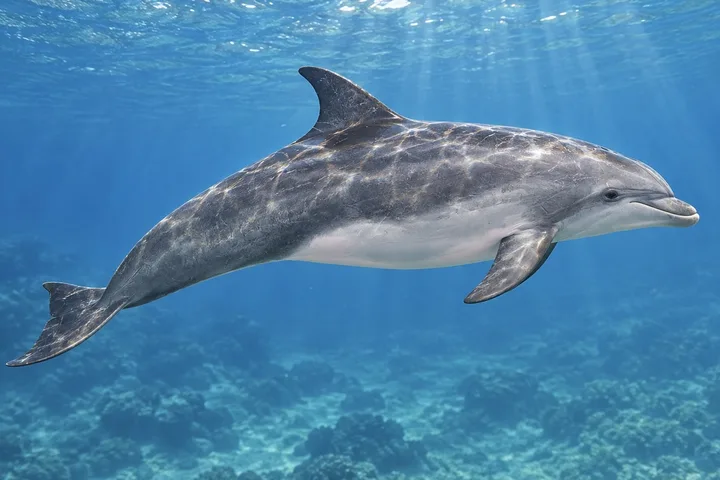
The common dolphin is stockier, with a shorter beak and a crisscross “hourglass” of tan and gray on its sides. The pantropical spotted dolphin is spotted, with a white-tipped beak. The bottlenose dolphin is much bigger, with a short, thick beak. If a small gray dolphin with a needle-thin beak is twisting in the air, it’s a spinner.

Questions

Can you see spinner dolphins in Cabo San Lucas?

Sometimes. Cabo is at the northern edge of the eastern spinner’s range, so they are an occasional offshore sighting.

Why do spinner dolphins spin?

Nobody knows for sure. Dolphin leaps have been linked to breathing, play, communication and getting rid of parasites, and one study found the spin could knock off remoras.

Are spinner dolphins endangered?

Globally they are Least Concern on the IUCN Red List, but the eastern spinner lost about 65% of its numbers to the tuna fishery. In Mexico they are subject to special protection (Pr) under NOM-059, and no marine mammal may be captured or kept.

By Max VargasTop Anglers, Cabo San Lucas · international judge at big game fishing world championships · reviewed October 2026

Sources

Top illustration: Top Anglers. Photos: iNaturalist contributors, credited on each photo.

See Cabo from the water

Our charters leave the Cabo San Lucas marina every morning. From $799 with license included.
More species

Pacific sierra
Pacific sierra
Scomberomorus sierra
California yellowtail
Seriola dorsalis
Pacific crevalle jack
Caranx caninus
Skipjack tuna
Skipjack tuna
Katsuwonus pelamis
Shortfin mako
Shortfin mako
Isurus oxyrinchus
Leopard grouper
Leopard grouper
Mycteroperca rosacea
Colorado snapper
Colorado snapper
Lutjanus colorado
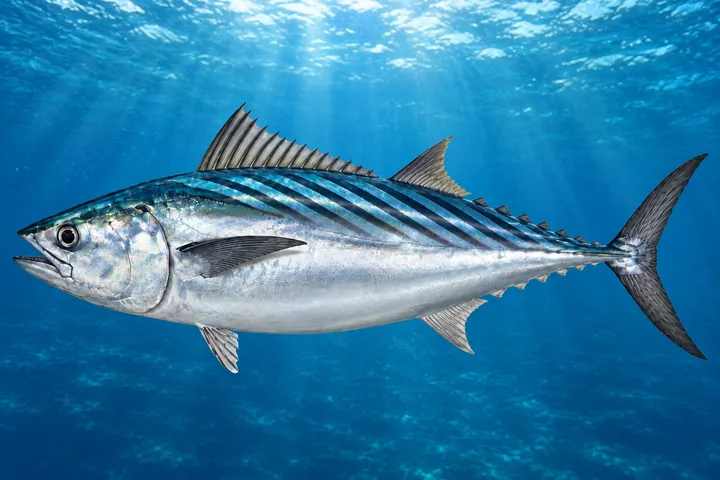
Striped bonito
Striped bonito
Sarda orientalis
Black skipjack
Black skipjack
Euthynnus lineatus
Finescale triggerfish
Balistes polylepis
Scalloped hammerhead
Sphyrna lewini
Humpback whale
Humpback whale
Megaptera novaeangliae
Gray whale
Gray whale
Eschrichtius robustus
California sea lion
California sea lion
Zalophus californianus
Whale shark
Whale shark
Rhincodon typus
Olive ridley sea turtle
Lepidochelys olivacea
Bottlenose dolphin
Bottlenose dolphin
Tursiops truncatus
Munk's devil ray (mobula)
Mobula munkiana
Swordfish
Swordfish
Xiphias gladius
Almaco jack
Almaco jack
Seriola rivoliana
Bigeye trevally
Bigeye trevally
Caranx sexfasciatus
Spotted cabrilla
Spotted cabrilla
Epinephelus analogus
Pacific dog snapper
Pacific dog snapper
Lutjanus novemfasciatus
Barred pargo
Barred pargo
Hoplopagrus guentherii
Blue whale
Blue whale
Balaenoptera musculus
Green sea turtle (black turtle)
Chelonia mydas
Leatherback sea turtle
Dermochelys coriacea
Rainbow runner
Rainbow runner
Elagatis bipinnulata
Gulf grouper
Gulf grouper
Mycteroperca jordani
Yellow snapper
Yellow snapper
Lutjanus argentiventris
Pacific white snook
Pacific white snook
Centropomus viridis
Mexican barracuda
Mexican barracuda
Sphyraena ensis
Silky shark
Silky shark
Carcharhinus falciformis
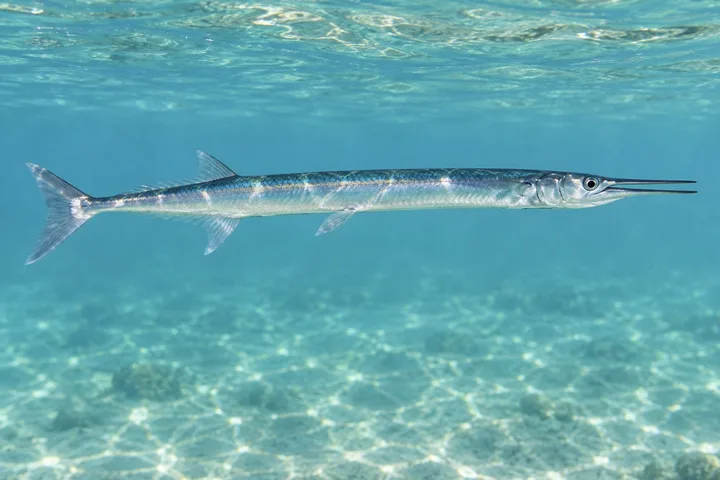
Mexican needlefish
Mexican needlefish
Tylosurus fodiator
Humboldt squid
Humboldt squid
Dosidicus gigas
Giant manta ray
Giant manta ray
Mobula birostris
Fin whale
Fin whale
Balaenoptera physalus
Orca (killer whale)
Orca (killer whale)
Orcinus orca
Hawksbill sea turtle (carey)
Eretmochelys imbricata
Brown pelican
Brown pelican
Pelecanus occidentalis
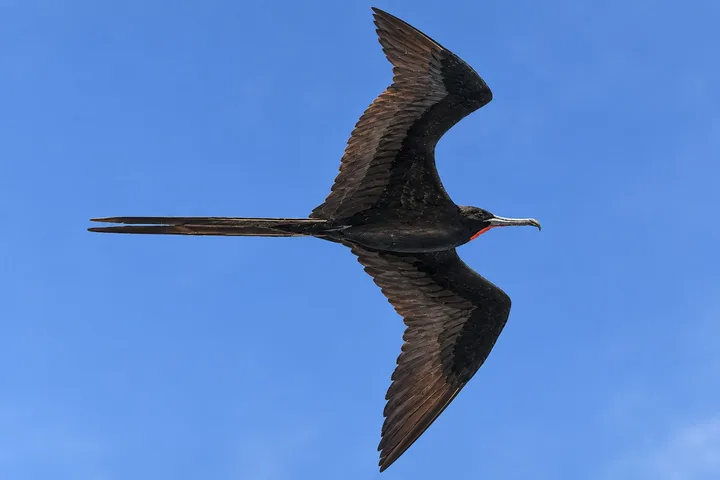
Magnificent frigatebird
Fregata magnificens
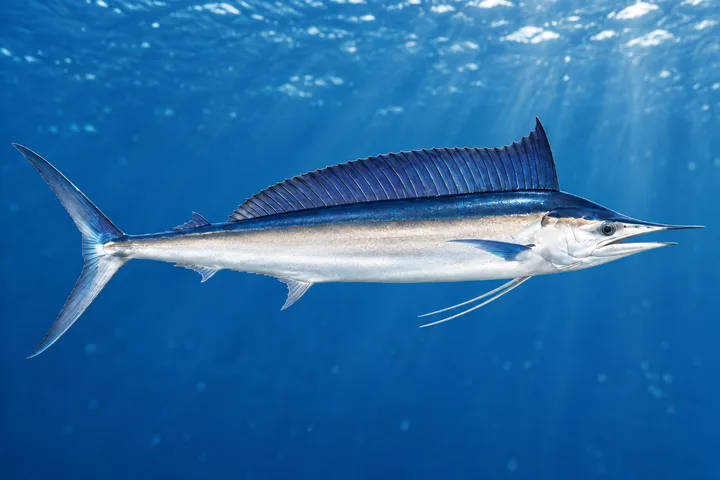
Shortbill spearfish
Shortbill spearfish
Tetrapturus angustirostris
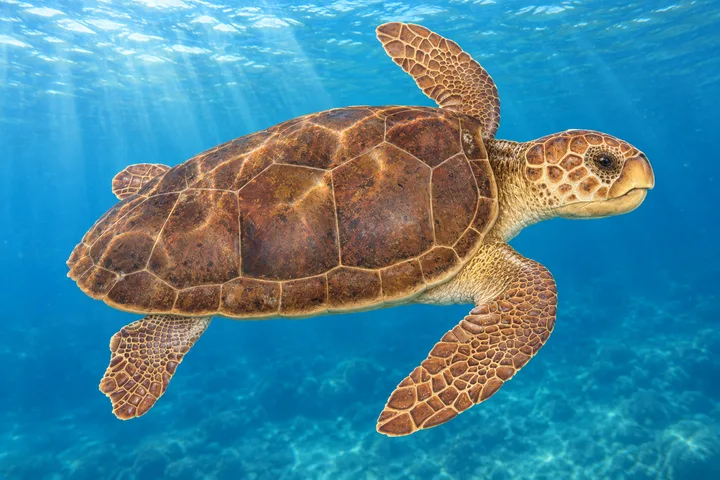
Loggerhead sea turtle (caguama)
Caretta caretta
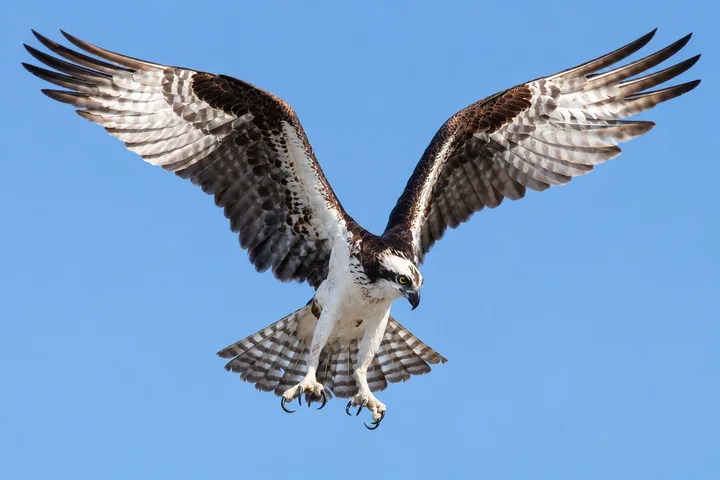
Osprey
Osprey
Pandion haliaetus
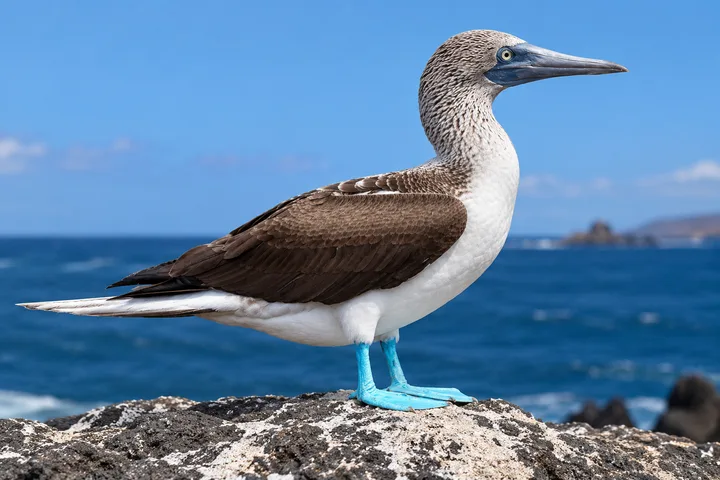
Blue-footed booby
Blue-footed booby
Sula nebouxii
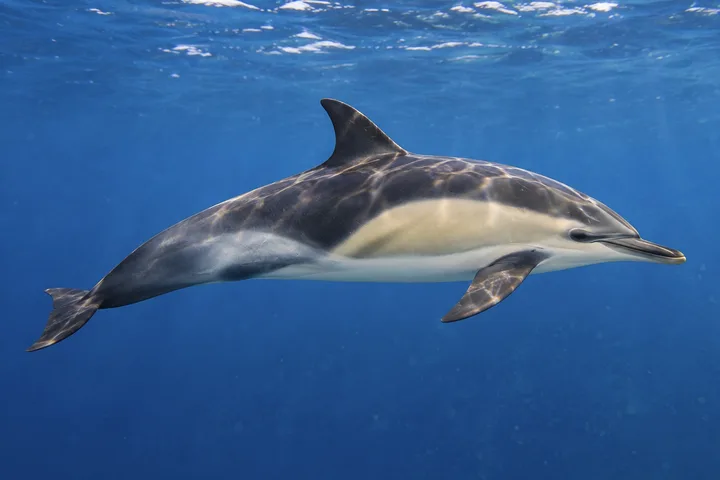
Common dolphin
Common dolphin
Delphinus delphis
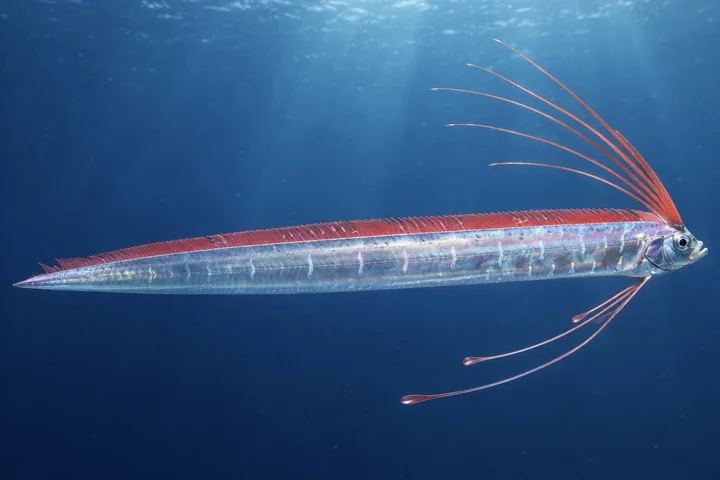
Oarfish
Oarfish
Regalecus russelii
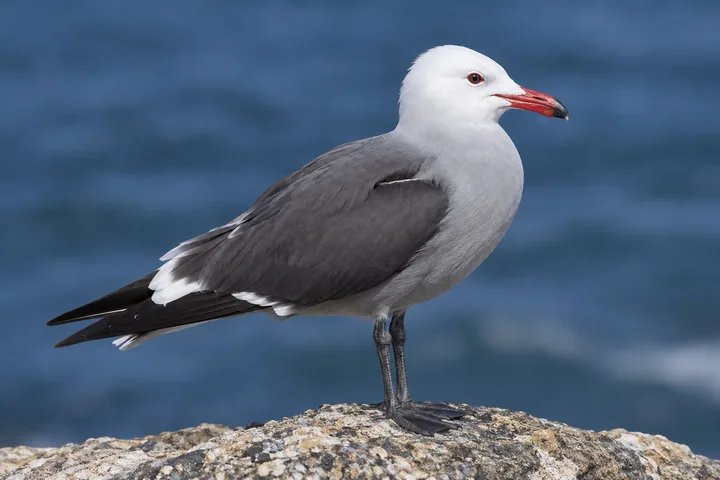
Heermann’s gull
Heermann’s gull
Larus heermanni
Yellow-footed gull
Yellow-footed gull
Larus livens
Ocean sunfish
Ocean sunfish
Mola mola
Sperm whale
Sperm whale
Physeter macrocephalus
Sally Lightfoot crab
Grapsus grapsus
Blue spiny lobster
Blue spiny lobster
Panulirus inflatus
Chocolate clam
Chocolate clam
Megapitaria squalida
Pelagic red crab
Pelagic red crab
Grimothea planipes
Hubbs’ octopus
Hubbs’ octopus
Octopus hubbsorum
Jewel moray
Jewel moray
Muraena lentiginosa
Panamic green moray
Panamic green moray
Gymnothorax castaneus
Risso’s dolphin
Risso’s dolphin
Grampus griseus
Short-finned pilot whale
Globicephala macrorhynchus
Bigeye tuna
Bigeye tuna
Thunnus obesus
Pelagic thresher
Pelagic thresher
Alopias pelagicus
Blue shark
Blue shark
Prionace glauca
Giant hawkfish
Giant hawkfish
Cirrhitus rivulatus
Pacific bonito
Pacific bonito
Sarda lineolata
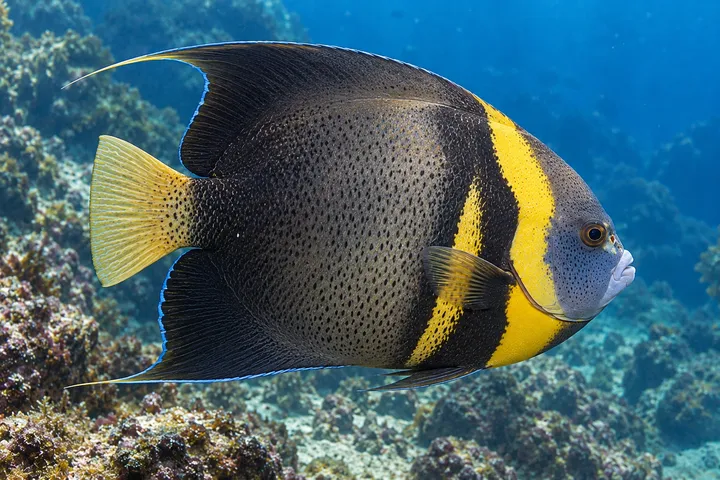
Cortez angelfish
Cortez angelfish
Pomacanthus zonipectus
Talk to the family

Questions? Message the family

The Vargas family answers personally. 7 days a week, 5 AM – 6 PM Cabo time.