Thousands of kilometers upriver
Bull sharks move easily between salt and fresh water. They have been reported 3,700 km up the Amazon in Peru and more than 3,000 km up the Mississippi, in Illinois.
Source ↗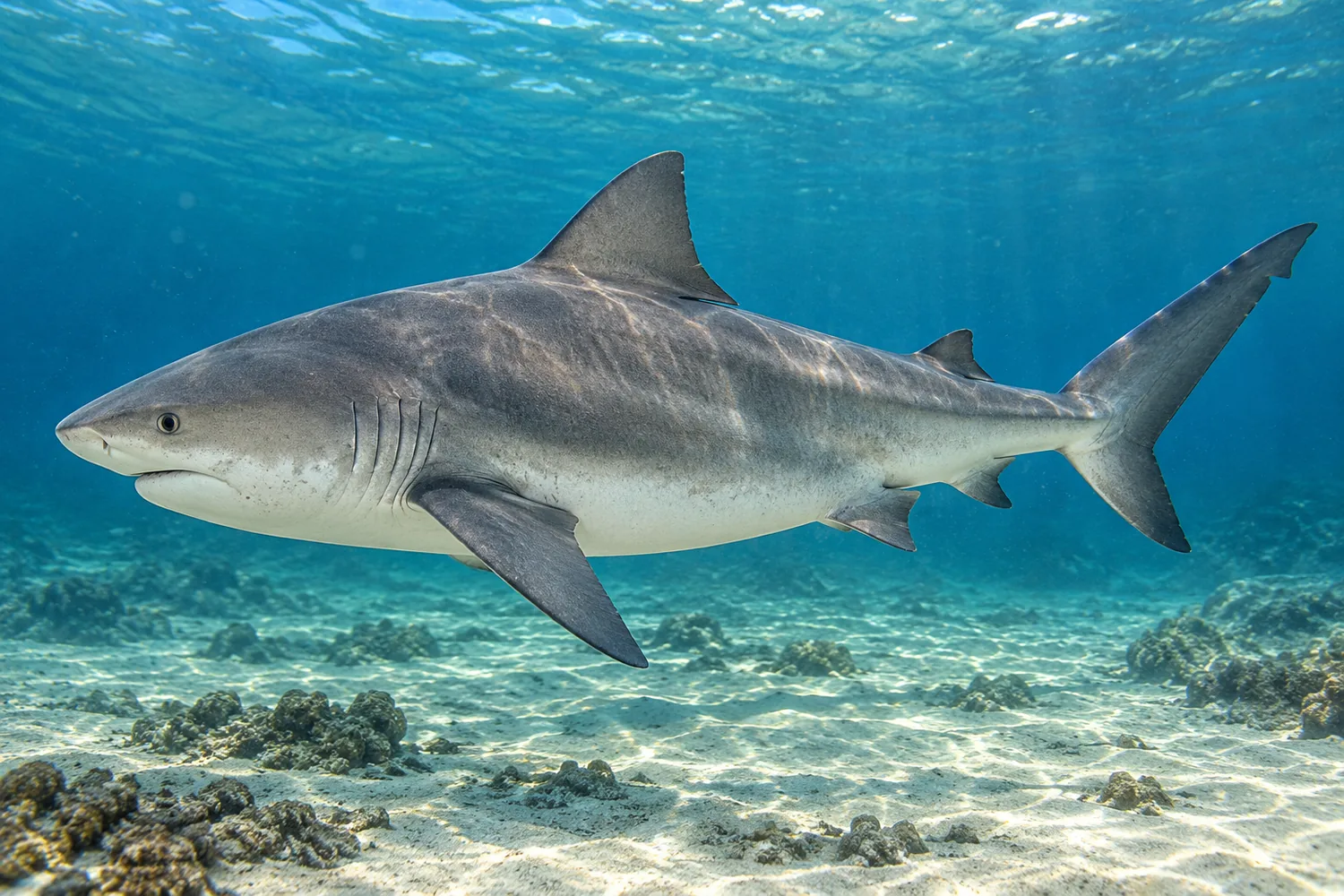
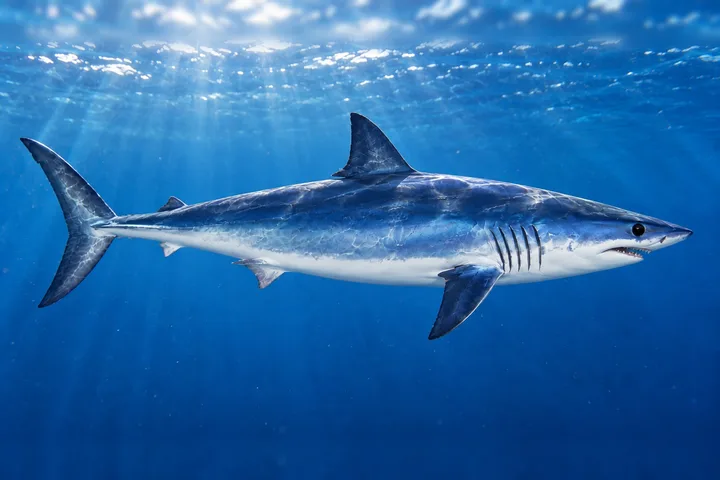
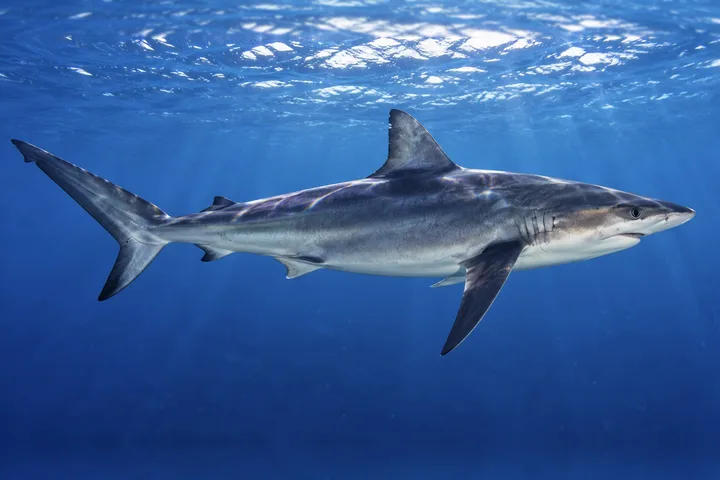
A heavy, blunt-nosed shark that can swim from the sea far up rivers. Near Los Cabos it is best known from Cabo Pulmo National Park, where it gathers mostly from winter into spring and is a major draw for divers.
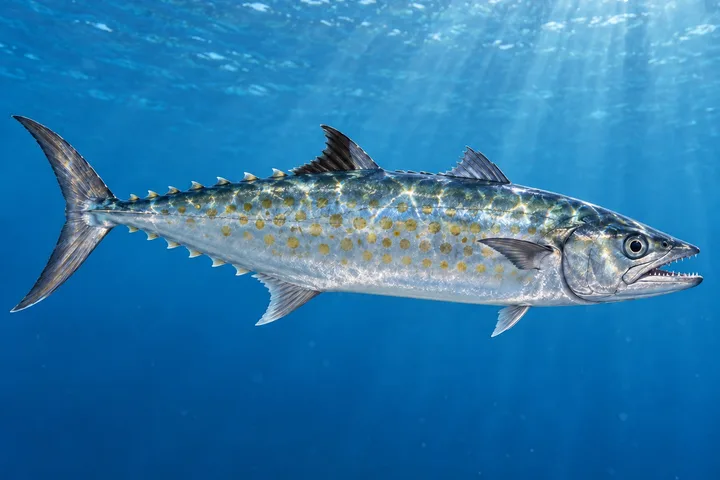
Heavy-bodied, with a thick head, small round eyes and a short, broadly rounded snout that is much shorter than the mouth is wide. Plain gray above and white below. The first dorsal fin is large, broadly triangular and pointed, and starts over or just behind the rear of the pectoral fins. The second dorsal is fairly big, about a third the height of the first, and there is no ridge of skin on the back between the two dorsals. Young sharks have dusky fin tips that fade as they grow.
Bull sharks live in warm coastal seas around the world and are famous for entering estuaries, lagoons and rivers: they have been reported 3,700 km (2,220 mi) up the Amazon and more than 3,000 km (1,800 mi) up the Mississippi. In the eastern Pacific they range from southern Baja California to Ecuador and possibly Peru, usually in water less than 30 m deep, though they go down to about 164 m. At Cabo Pulmo, researchers who tagged 44 bull sharks of 1.6 to 2.8 m between 2015 and 2019 found them in the park about a third of the time, most often from March to May and generally absent from September to November.
They eat bony fish, other sharks and rays, crabs, squid, sea turtles and carrion. Pups grow attached to a yolk-sac placenta for 10 to 11 months, and litters run from 1 to 13 pups of 56 to 81 cm, usually born in coastal lagoons, river mouths and other low-salinity nurseries. Bull sharks mature at roughly 1.6 to 2.3 m after 10 to 15 years and can live more than 30 years.
Bull sharks move easily between salt and fresh water. They have been reported 3,700 km up the Amazon in Peru and more than 3,000 km up the Mississippi, in Illinois.
Source ↗Of 32 tagged bull sharks tracked at Cabo Pulmo, juvenile females were the most likely to be in the park and adult males the least. The sharks were most likely there from March to May and generally gone from September to November.
Source ↗Adult females show up at Cabo Pulmo regularly from November to May with fresh mating scars, one reason the area was named an Important Shark and Ray Area for bull sharks.
Source ↗In December 2023 a pod of orcas was filmed killing and sharing bull sharks inside Cabo Pulmo National Park. In an earlier attack in January 2022, the shark apparently hid under a dive boat, and guides didn’t see bull sharks at that dive site for three weeks.
Source ↗A 2016 study at Cabo Pulmo found that 21% of divers visited the park specifically to dive with bull sharks. When divers followed the observation protocol, the sharks mostly showed no reaction to them.
Source ↗We don’t target bull sharks. Near Los Cabos most people meet them on a dive at Cabo Pulmo, where fishing isn’t allowed. Shark dives there go with an accredited park guide, and divers stay low on the sandy bottom, without touching or blocking the sharks; swimming or snorkeling with them is not allowed.
If one is hooked by accident, we release it. Best practice: circle hooks that aren’t stainless steel, keep the shark in the water, unhook it quickly or cut the leader close to the hook, and hold it facing forward while the boat moves slowly so water runs over its gills. Never lift a big shark by the tail or gills.
| Daily limit (NOM-017-PESC-1994) | Sharks: 1 per angler per day, and it counts as 5 of the 10 fish |
|---|---|
| Closed season (Pacific) | All shark species, May 1 – July 31; no shark fishing during the closure |
| Cabo Pulmo National Park | Sport fishing not allowed |
| IUCN Red List | Vulnerable (assessed 2020) |
| CITES | Appendix II since November 25, 2023 (all requiem sharks): international trade needs permits |
| IGFA all-tackle record | 697 lb 12 oz (316.5 kg), Malindi, Kenya, 2001 |
Top Anglers practices catch-and-release for all sharks.
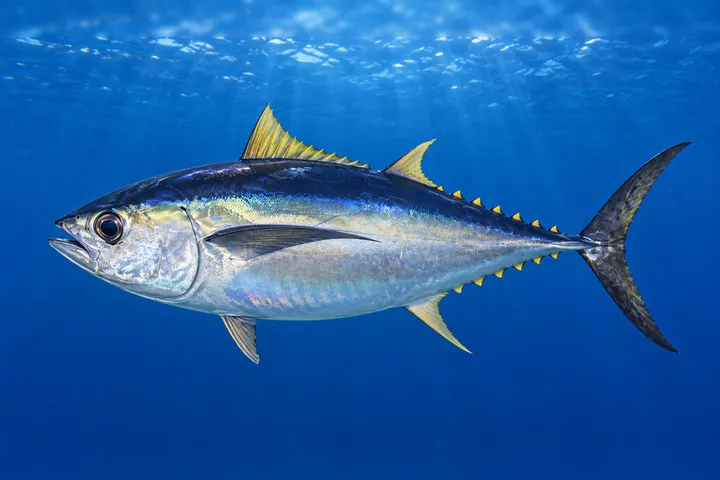
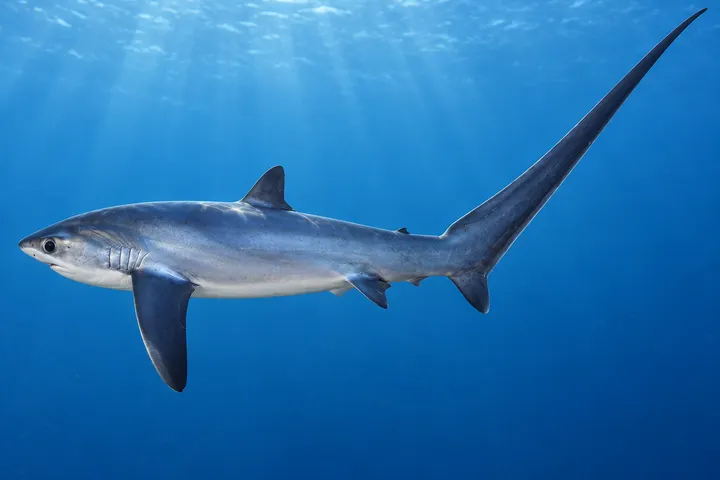
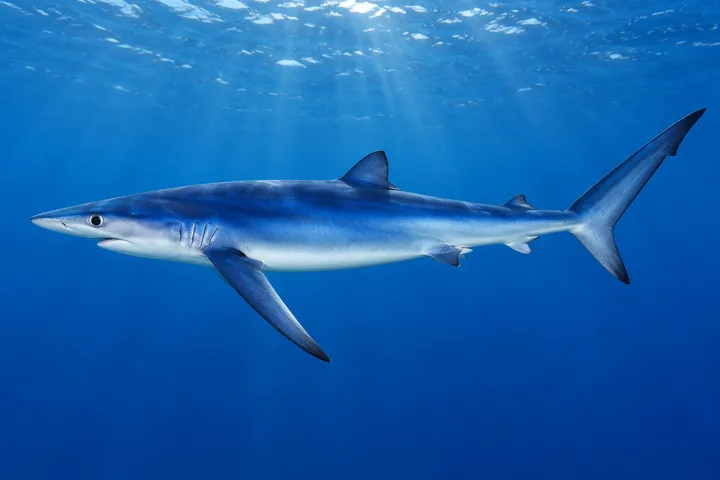
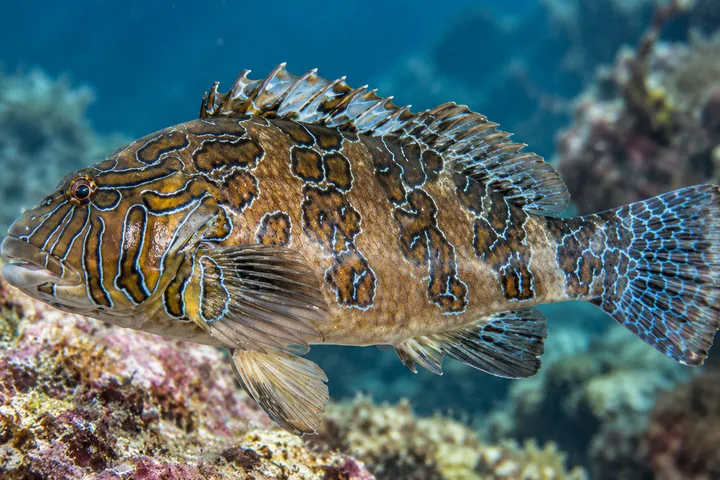
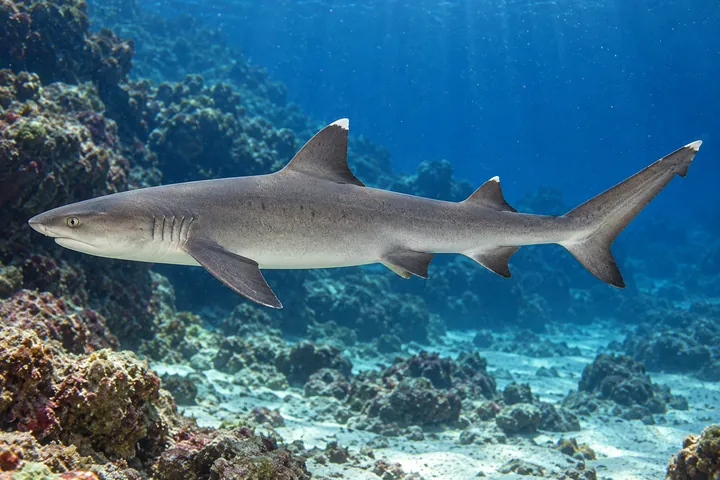
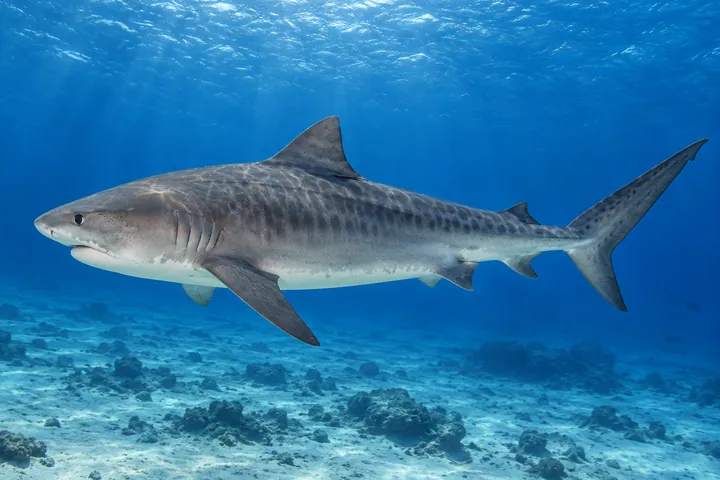
The Pacific lemon shark, also common at Cabo Pulmo, is yellowish brown, and its second dorsal fin is almost as big as the first. Silky, dusky and Galápagos sharks are slimmer, with longer snouts and a low ridge of skin on the back between the dorsal fins. The tiger shark has a squarish snout and dark bars or spots on its back.
They are large and powerful, and along with the white and tiger sharks they are one of the three species most often involved in serious bites. The International Shark Attack File credits them with 119 confirmed unprovoked bites worldwide, 26 of them fatal, over the whole historical record; the true number is probably higher because bull sharks are hard to identify.
Mostly from about November to May, with the best odds from March to May. Tagged sharks were generally absent from September to November.
By law a sport angler may keep one shark per day outside the Pacific closed season (May 1 – July 31), and never inside Cabo Pulmo National Park. The bull shark is vulnerable, and we release every one.

Top illustration: Top Anglers. Photos: iNaturalist contributors, credited on each photo.
Pangas and small boats that work the beaches, points and rocky reefs. From $698 with license included.