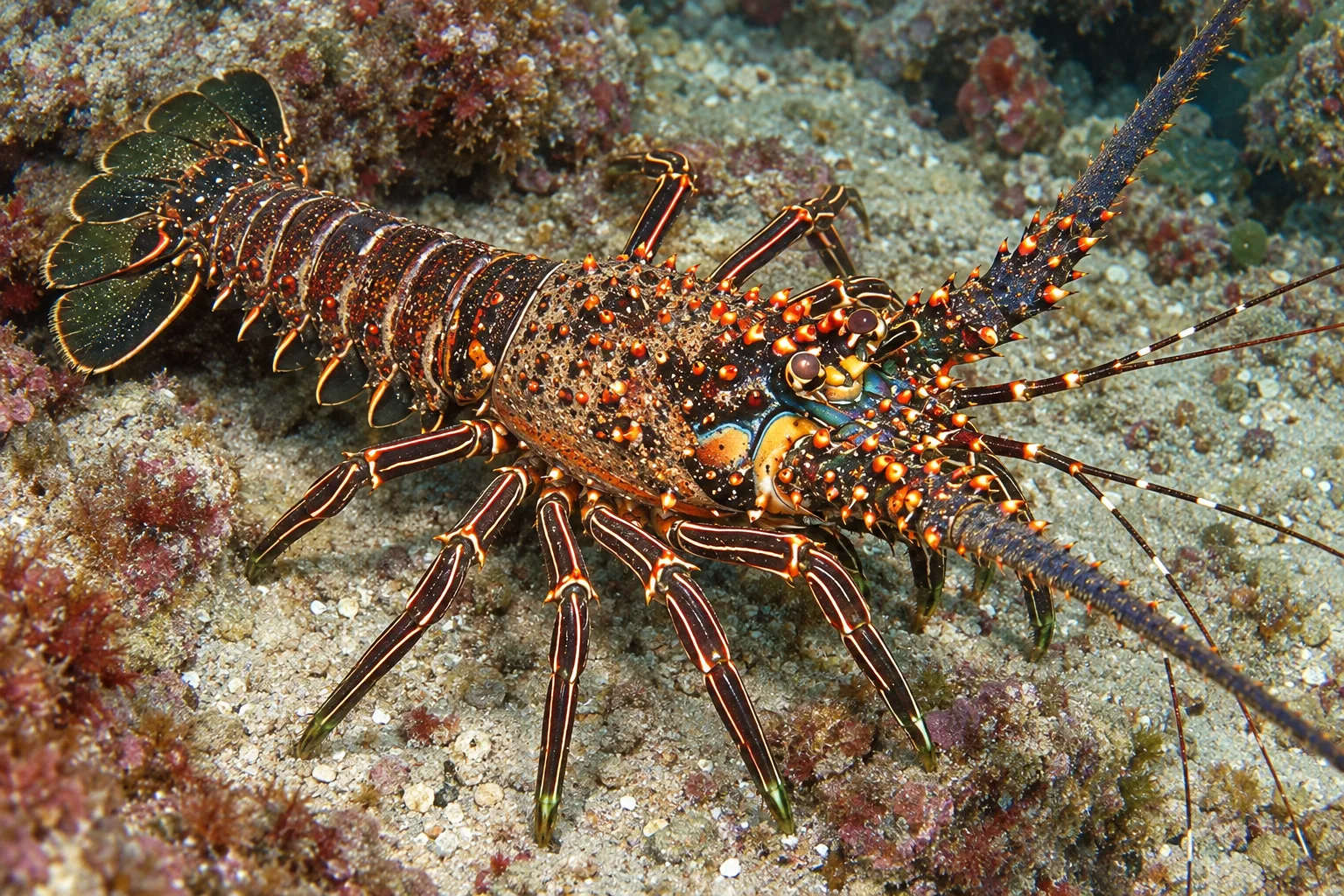
Blue spiny lobster (Panulirus inflatus), illustration
Commercial fishing only Panulirus inflatus

Blue spiny lobster in Los Cabos

The blue spiny lobster lives only on Mexico’s Pacific coast, and it’s the lobster of Cabo’s rocky reefs. It has no claws; when threatened it rubs a pad of soft tissue against its head to make a rasping sound.

Up to 38 cmTotal length
To 30 mDepth
Up to 830,000Eggs per clutch (Loreto)
81–112 mmLegal carapace size in BCS

When to see them

●● best months · ● regular · · occasional. Based on scientific studies and local reports; it changes year to year.

Tap a month to see everything biting in Cabo that month ›

How to recognize it

A clawless spiny lobster with long, spiny antennae and a smooth, naked abdomen with no transverse grooves. The giveaway is on the tail: abdominal segments 1 to 3 each carry a narrow whitish line along the rear edge, and segments 4 to 6 a row of rather large whitish spots. Usually not more than 12 cm in carapace length. In Mexico it’s also called langosta pinta, de piedra, negra or prieta.

Biology

The blue lobster is endemic to Mexico’s Pacific coast. It lives from the Pacific side of southern Baja California, around Isla Magdalena, through the Gulf of California to the Gulf of Tehuantepec, and since the early 2000s a permanent population has been documented as far north as Bahía Tortugas and Punta Eugenia. It lives on rocky, rarely gravelly bottom from just below the tide line to about 30 m. When it was described in 1895, its type locality was given simply as “Basse Californie.”

Females in BCS carry hundreds of thousands of eggs under the tail. In Loreto Bay, smaller females (under 90 mm carapace) were found with eggs in spring and summer and larger ones in autumn, when the water is warmest; winter is the time to molt and grow. The sex ratio is about even, but above 110 mm carapace the big lobsters are mostly males. Red lobster is the cold-water species of Baja’s Pacific coast; records south of Bahía Magdalena are considered strays, while a separate population inside the Gulf, around Bahía de Los Ángeles and Isla Tiburón, may have been cut off when the peninsula closed its last seaway millions of years ago.

Things you probably didn't know

01

A violin, not a washboard

Spiny lobsters don’t rasp hard ridges together like crickets. A soft pad of tissue at the base of each antenna sticks and slips along a smooth file near the eyes, like a bow on a string. Because the pad is soft, they can still sound the alarm right after molting, when their shell is soft and they are most vulnerable.

Source ↗
02

Mexico’s own lobster

Mexico’s official fisheries chart calls the blue lobster endemic to the Mexican Pacific. In Baja California Sur it is the minor catch: 90% of recorded lobster landings in the state are red lobster and only 10% blue and green.

Source ↗
03

Moving north

Blue lobster was long thought to stop at Bahía Santa María. Fieldwork from 2000 to 2005 found a permanent population, mixed with red lobster, from Bahía Tortugas to Punta Eugenia. Retired fishermen there said that 30 or 40 years earlier they had rarely caught it, mostly in warm-water years.

Source ↗
04

Egg factory

In Loreto Bay, a single clutch held between 94,837 and 830,149 eggs, about 950 eggs per gram of female. Females of 80 to 110 mm carapace length produced 80% of all eggs, and they can spawn up to four times a season.

Source ↗
05

A maximum size too

Since July 2018, blue and green lobster caught in Baja California and Baja California Sur must measure between 81 and 112 mm in carapace length. The cap protects the large lobsters, not just the small ones.

Source ↗
06

A world first from Baja

In 2004 the red lobster fishery of the FEDECOOP cooperatives on Baja’s central Pacific coast became the first artisanal fishery in the world certified by the Marine Stewardship Council. It earned its third recertification in 2022, landing about 1,300 t a season.

Source ↗

Photos

Andrew McKinlay · iNaturalist · CC BY 4.0
desertnaturalist · iNaturalist · CC BY 4.0
iNaturalist contributor · iNaturalist · CC0

Seeing them from the boat

Around Los Cabos nobody fishes for lobster on a charter: Mexican sport fishing rules forbid taking any crustacean, with hook and line or by spearfishing. You see them instead on rocky reefs; the online reef guide reefguide.org illustrates the species with photos taken at Cabo San Lucas, and a diver’s report shows one at El Arco. A scientific survey in Loreto Bay found them at night, 1 to 10 m deep. Look, photograph, and leave them in their crevice.

The lobster on Baja menus comes from a commercial fishery run by permit and concession holders. Traps are the only gear allowed in the Pacific and the Gulf of California, worked from small boats of up to 10.5 m with two or three fishers, and traps must be checked within 72 hours. The best-known fishery is red lobster on the central Pacific coast, where 11 cooperatives make up FEDECOOP; around 90% of that catch is exported, mainly to China.

On the table

Spiny lobster is one of Baja’s most prized seafoods and must be landed whole. In Los Cabos waters, from Boca de la Soledad around Cabo San Lucas and along the Gulf coast of the peninsula, blue, green and red lobster are closed from May 1 to October 31, so local lobster comes from the November–April season. Red lobster from the central Pacific coast is fished from roughly mid-September through February.

Rules & conservation

Sport fishing and spearfishing (NOM-017-PESC-1994, 2013 update)Taking crustaceans is prohibited; lobster is off-limits to anglers and divers
Commercial fishery (NOM-006-SAG/PESC-2016)Permit or concession only; traps are the only gear; egg-bearing females go back; lobster landed whole
Size limit, BC and BCSBlue and green lobster 81–112 mm carapace (2018); red lobster at least 82.5 mm
Closed season, Los Cabos (Zone III)May 1 – October 31, Boca de la Soledad to Cabo San Lucas plus a 0–100 fathom strip along the peninsula’s Gulf coast (since 2025)
Closed season, central and northern Pacific coastFebruary 16 – September 14 and March 1 – September 24 in zones I and II (2024–2027)
Mexico (NOM-059)Not listed
IUCN Red ListLeast Concern (2011)

In Mexico, recreational anglers and divers may not take lobster of any kind.

Don't confuse it with

Green lobster (P. gracilis), also found in BCS, has a white band along the rear of every tail segment set off by dark bands, on a brownish or bluish-green body. Red lobster (P. interruptus) is evenly brownish red with no spots or bands, has tail grooves abruptly broken in the middle, and is the dominant lobster of the Pacific coast north of Bahía Magdalena.

Questions

Can I catch lobster in Cabo San Lucas?

No. Mexico’s sport fishing rules prohibit taking crustaceans, by hook and line or by spearfishing. Only permit and concession holders may fish lobster commercially, with traps.

When is lobster season in Los Cabos?

The commercial closed season in Los Cabos waters runs from May 1 to October 31, so local lobster is fished from November to April. Red lobster on the central Pacific coast is fished from about mid-September to February.

What is the difference between blue, green and red lobster?

Blue lobster has narrow white lines on the first three tail segments and rows of large white spots on the last three. Green lobster has white bands on every tail segment. Red lobster is evenly brownish red and lives mainly on the Pacific coast north of Bahía Magdalena.

By Max VargasTop Anglers, Cabo San Lucas · international judge at big game fishing world championships · reviewed October 2026

Sources

Top illustration: Top Anglers. Photos: iNaturalist contributors, credited on each photo.

See Cabo from the water

Our charters leave the Cabo San Lucas marina every morning. From $453 with license included.
More species

Pacific sierra
Pacific sierra
Scomberomorus sierra
California yellowtail
Seriola dorsalis
Pacific crevalle jack
Caranx caninus
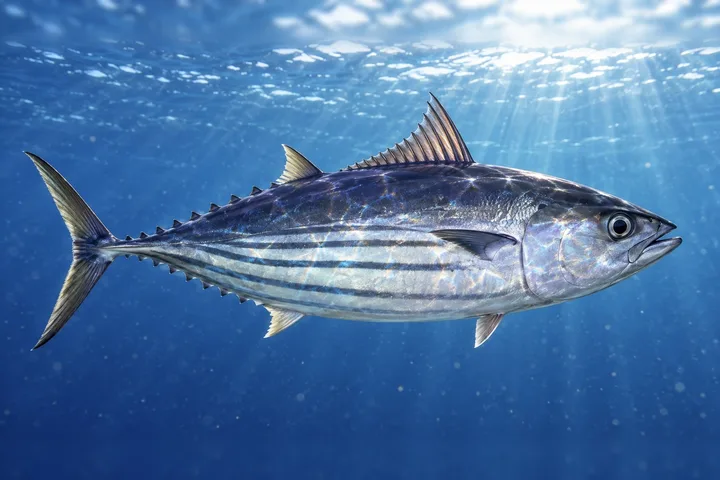
Skipjack tuna
Skipjack tuna
Katsuwonus pelamis
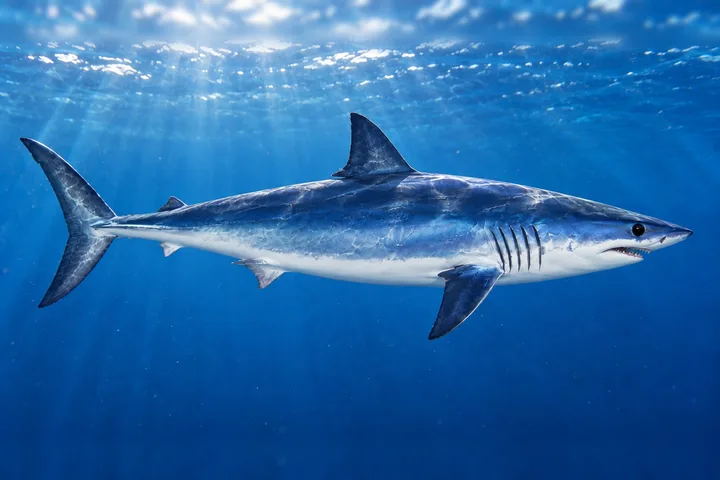
Shortfin mako
Shortfin mako
Isurus oxyrinchus
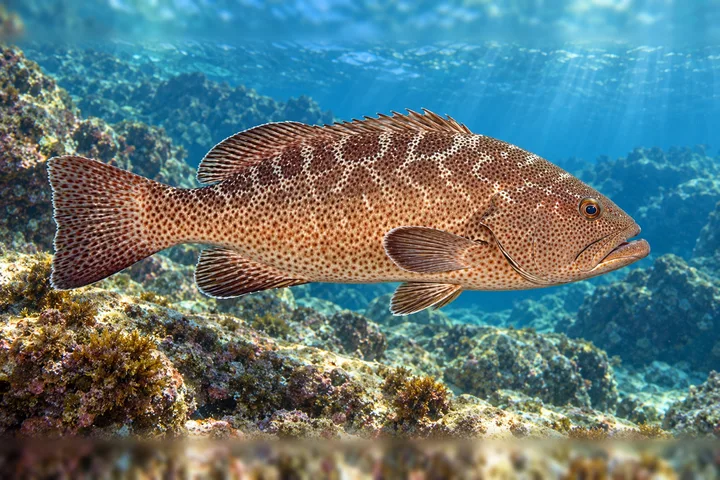
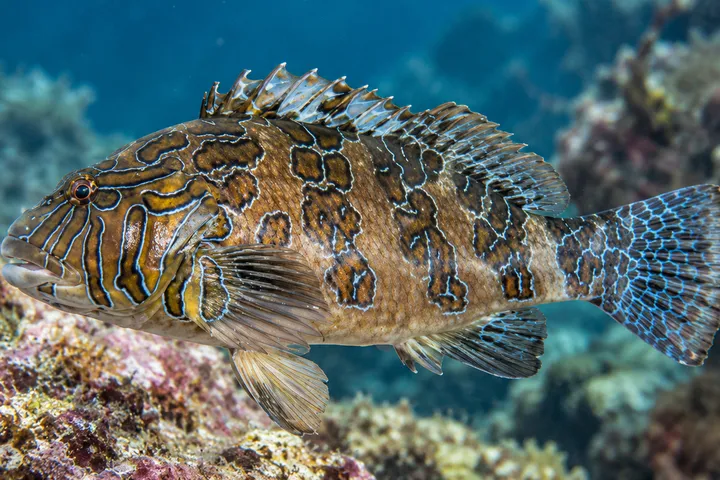
Leopard grouper
Leopard grouper
Mycteroperca rosacea
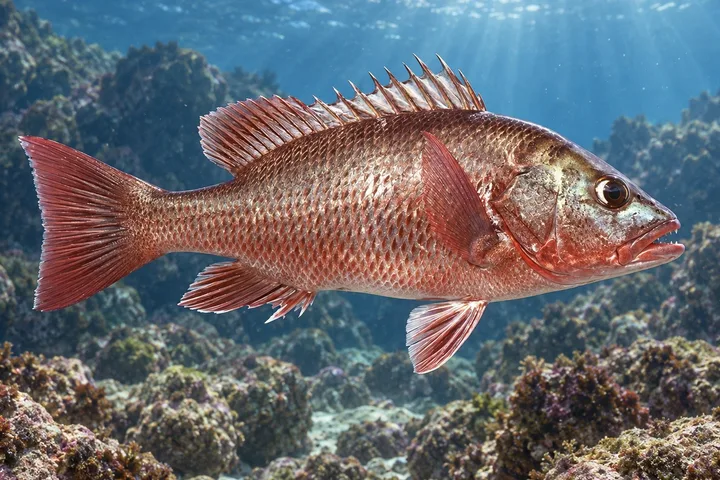
Colorado snapper
Colorado snapper
Lutjanus colorado
Striped bonito
Striped bonito
Sarda orientalis
Black skipjack
Black skipjack
Euthynnus lineatus
Finescale triggerfish
Balistes polylepis
Scalloped hammerhead
Sphyrna lewini
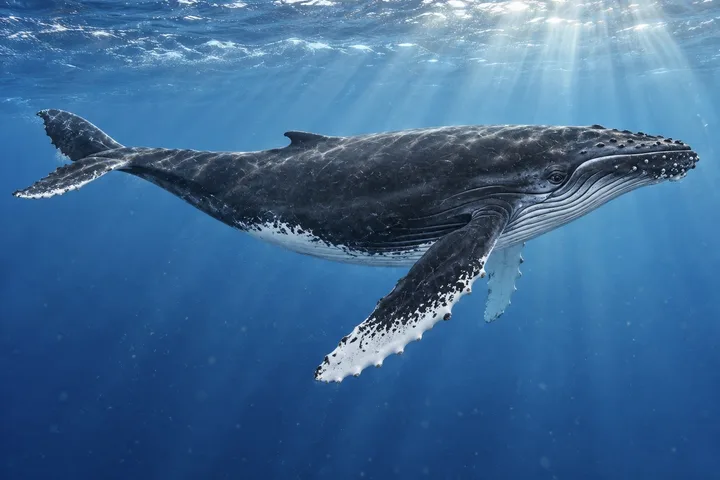
Humpback whale
Humpback whale
Megaptera novaeangliae
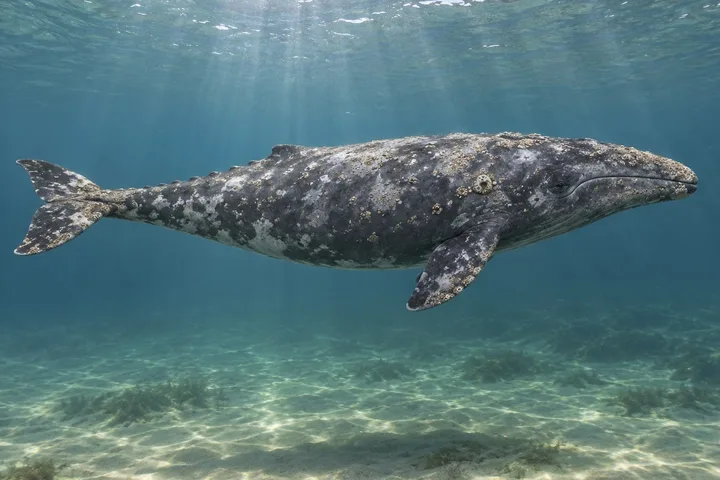
Gray whale
Gray whale
Eschrichtius robustus
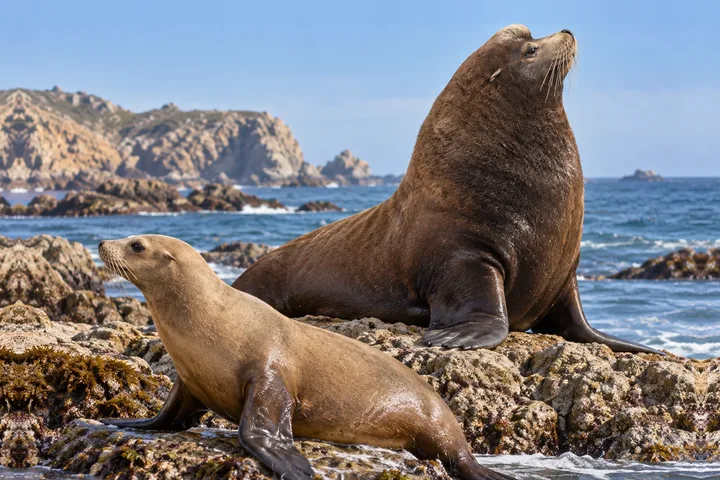
California sea lion
California sea lion
Zalophus californianus
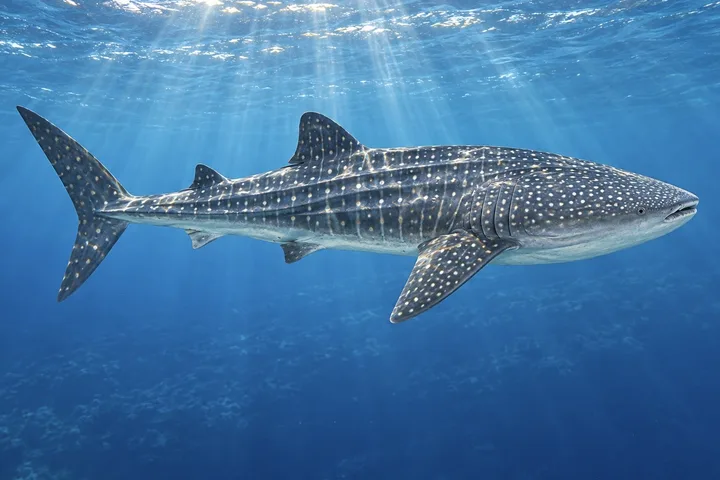
Whale shark
Whale shark
Rhincodon typus
Olive ridley sea turtle
Lepidochelys olivacea
Bottlenose dolphin
Bottlenose dolphin
Tursiops truncatus
Munk's devil ray (mobula)
Mobula munkiana
Swordfish
Swordfish
Xiphias gladius
Almaco jack
Almaco jack
Seriola rivoliana
Bigeye trevally
Bigeye trevally
Caranx sexfasciatus
Spotted cabrilla
Spotted cabrilla
Epinephelus analogus
Pacific dog snapper
Pacific dog snapper
Lutjanus novemfasciatus
Barred pargo
Barred pargo
Hoplopagrus guentherii
Blue whale
Blue whale
Balaenoptera musculus
Green sea turtle (black turtle)
Chelonia mydas
Leatherback sea turtle
Dermochelys coriacea
Rainbow runner
Rainbow runner
Elagatis bipinnulata
Gulf grouper
Gulf grouper
Mycteroperca jordani
Yellow snapper
Yellow snapper
Lutjanus argentiventris
Pacific white snook
Pacific white snook
Centropomus viridis
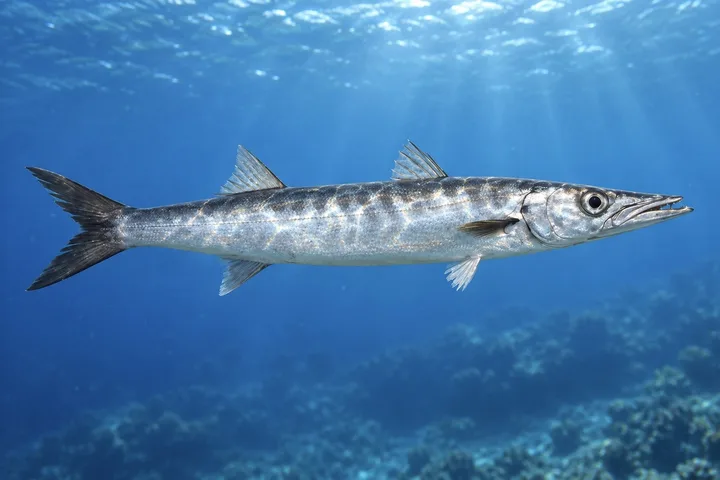
Mexican barracuda
Mexican barracuda
Sphyraena ensis
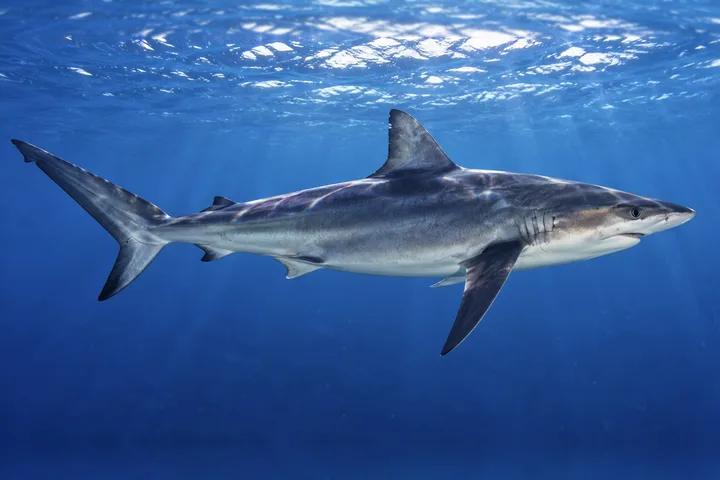
Silky shark
Silky shark
Carcharhinus falciformis
Mexican needlefish
Mexican needlefish
Tylosurus fodiator
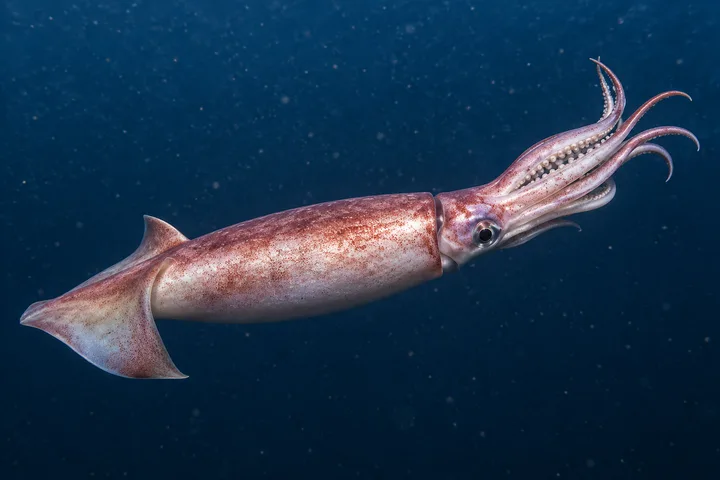
Humboldt squid
Humboldt squid
Dosidicus gigas
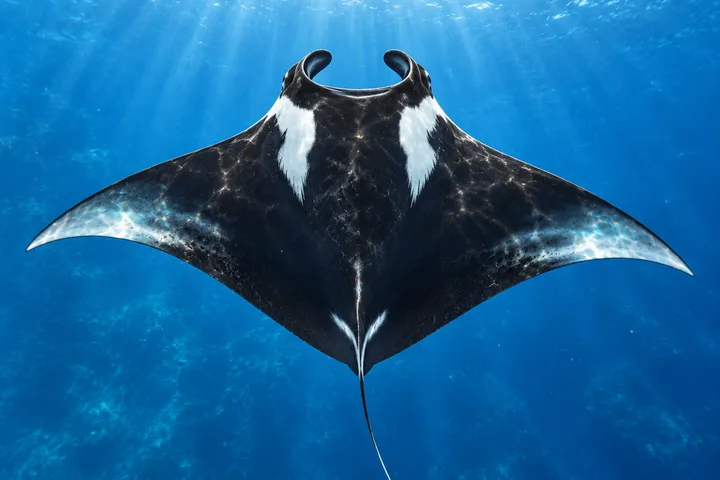
Giant manta ray
Giant manta ray
Mobula birostris
Fin whale
Fin whale
Balaenoptera physalus
Orca (killer whale)
Orca (killer whale)
Orcinus orca
Hawksbill sea turtle (carey)
Eretmochelys imbricata
Brown pelican
Brown pelican
Pelecanus occidentalis
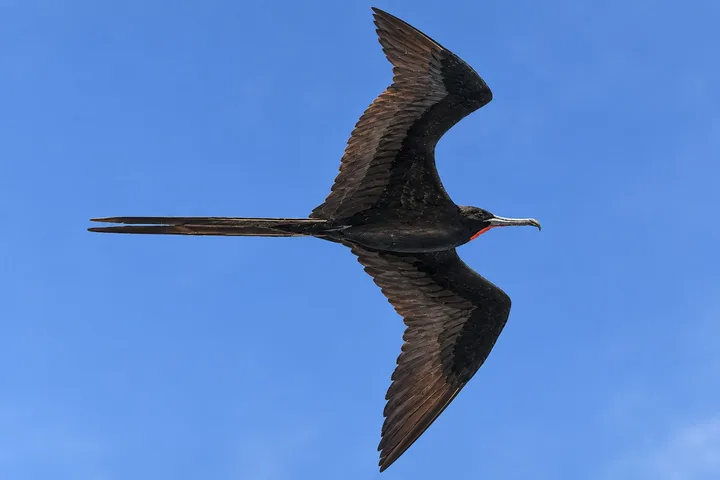
Magnificent frigatebird
Fregata magnificens
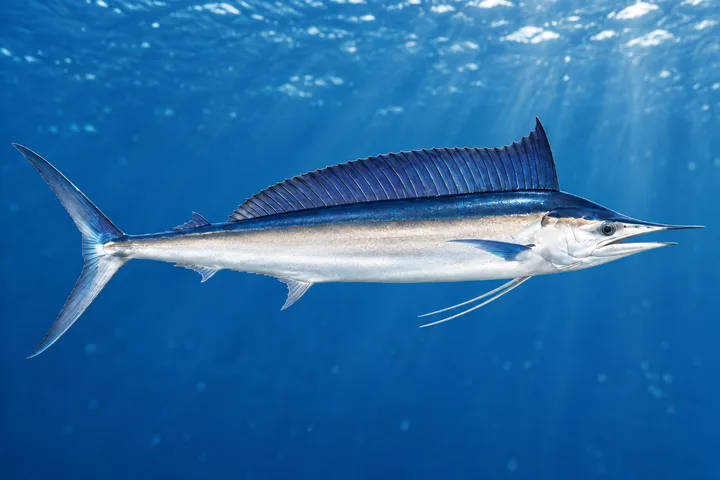
Shortbill spearfish
Shortbill spearfish
Tetrapturus angustirostris
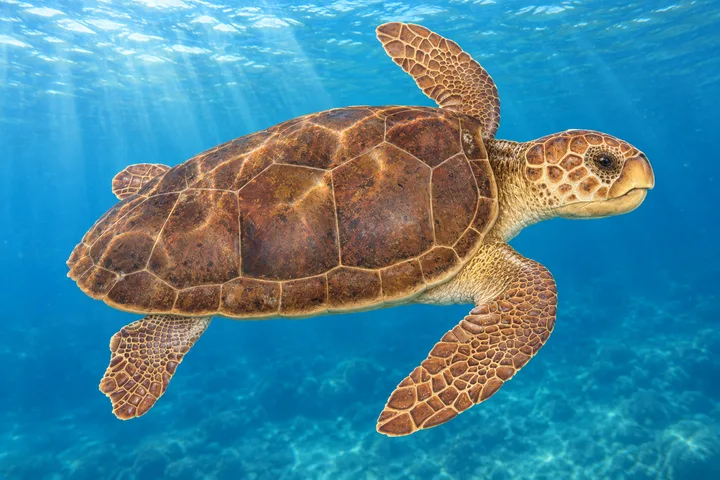
Loggerhead sea turtle (caguama)
Caretta caretta
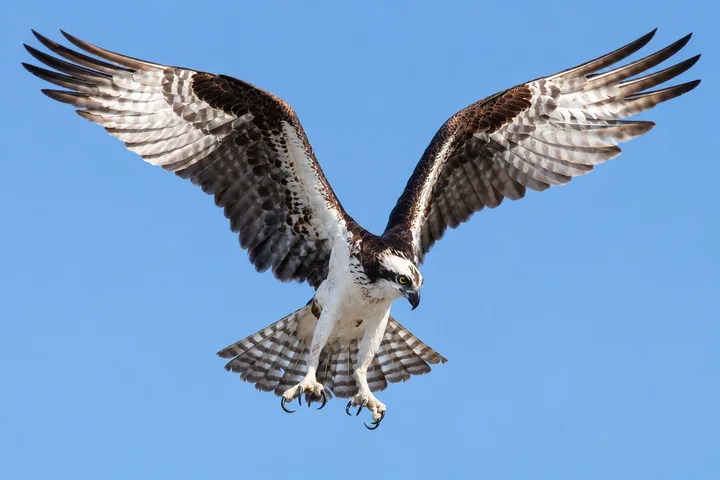
Osprey
Osprey
Pandion haliaetus
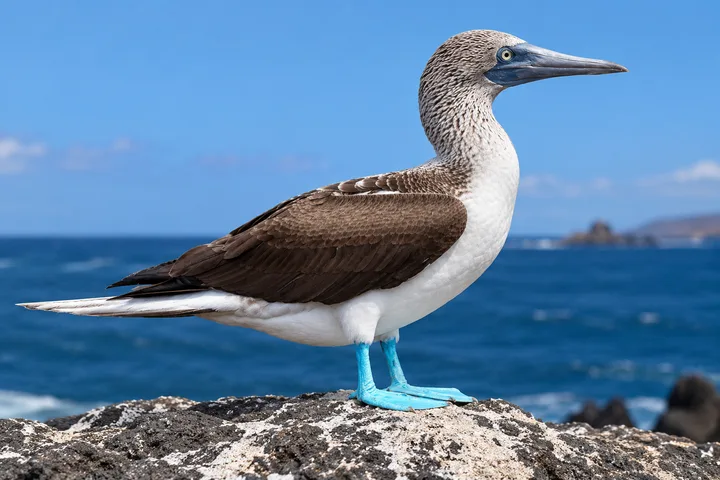
Blue-footed booby
Blue-footed booby
Sula nebouxii
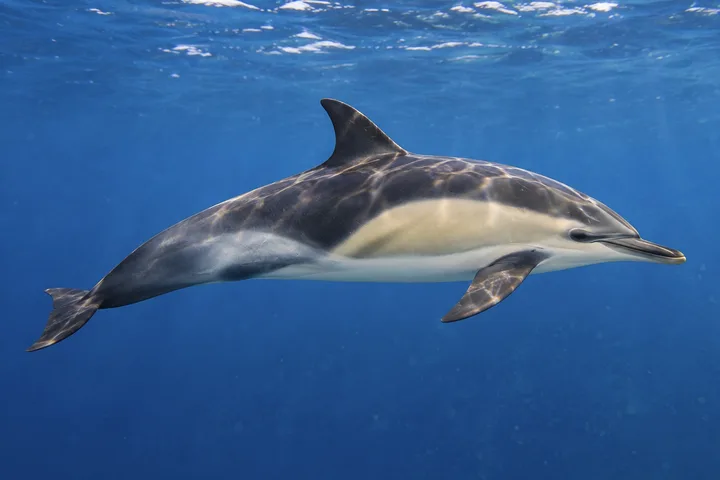
Common dolphin
Common dolphin
Delphinus delphis
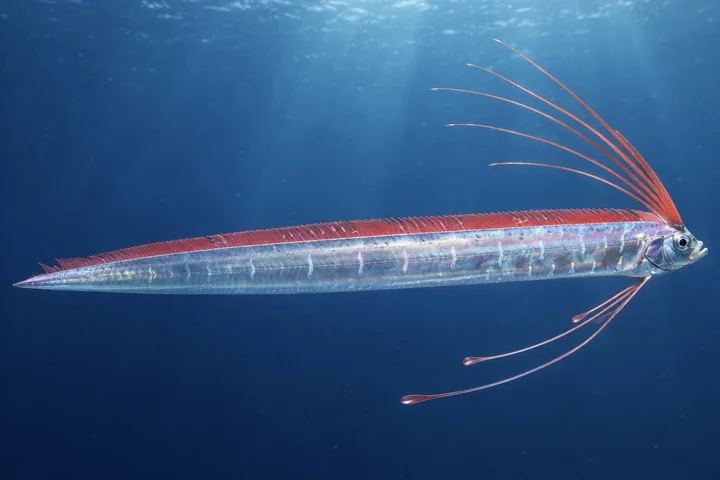
Oarfish
Oarfish
Regalecus russelii
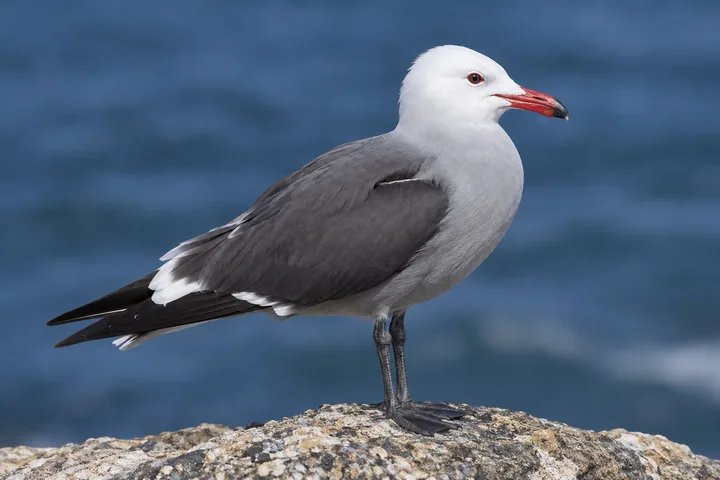
Heermann’s gull
Heermann’s gull
Larus heermanni
Yellow-footed gull
Yellow-footed gull
Larus livens
Ocean sunfish
Ocean sunfish
Mola mola
Sperm whale
Sperm whale
Physeter macrocephalus
Sally Lightfoot crab
Grapsus grapsus
Chocolate clam
Chocolate clam
Megapitaria squalida
Pelagic red crab
Pelagic red crab
Grimothea planipes
Hubbs’ octopus
Hubbs’ octopus
Octopus hubbsorum
Jewel moray
Jewel moray
Muraena lentiginosa
Panamic green moray
Panamic green moray
Gymnothorax castaneus
Spinner dolphin
Spinner dolphin
Stenella longirostris
Risso’s dolphin
Risso’s dolphin
Grampus griseus
Short-finned pilot whale
Globicephala macrorhynchus
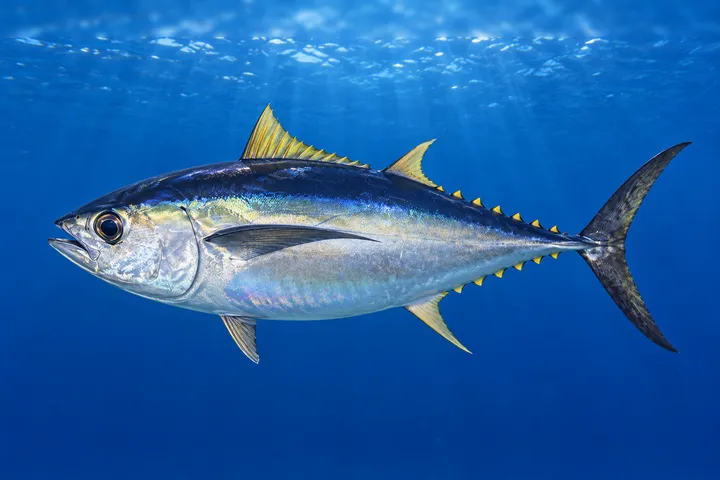
Bigeye tuna
Bigeye tuna
Thunnus obesus
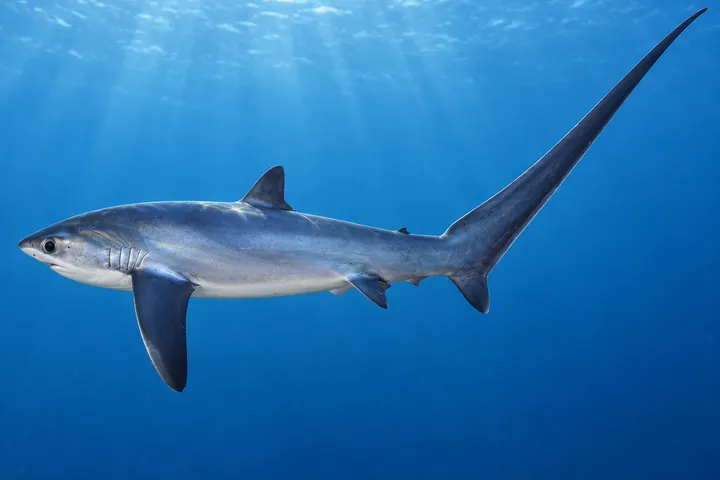
Pelagic thresher
Pelagic thresher
Alopias pelagicus
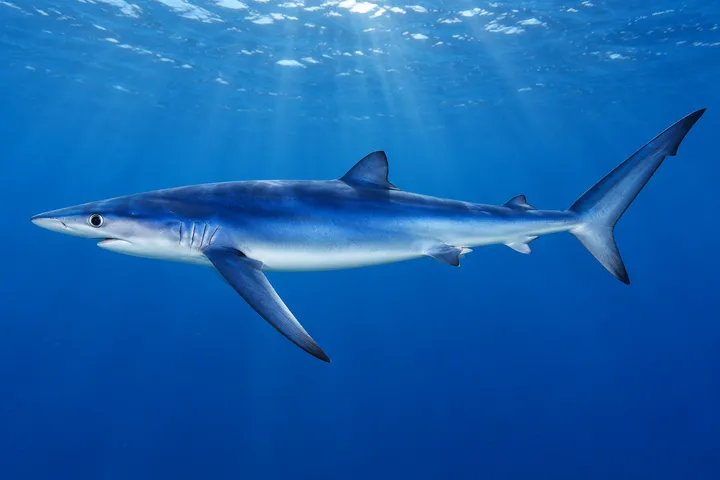
Blue shark
Blue shark
Prionace glauca
Giant hawkfish
Giant hawkfish
Cirrhitus rivulatus
Pacific bonito
Pacific bonito
Sarda lineolata
Cortez angelfish
Cortez angelfish
Pomacanthus zonipectus
Talk to the family

Questions? Message the family

The Vargas family answers personally. 7 days a week, 5 AM – 6 PM Cabo time.