
Home > Species Guide > RoosterfishNematistius Pectoralis
Roosterfish
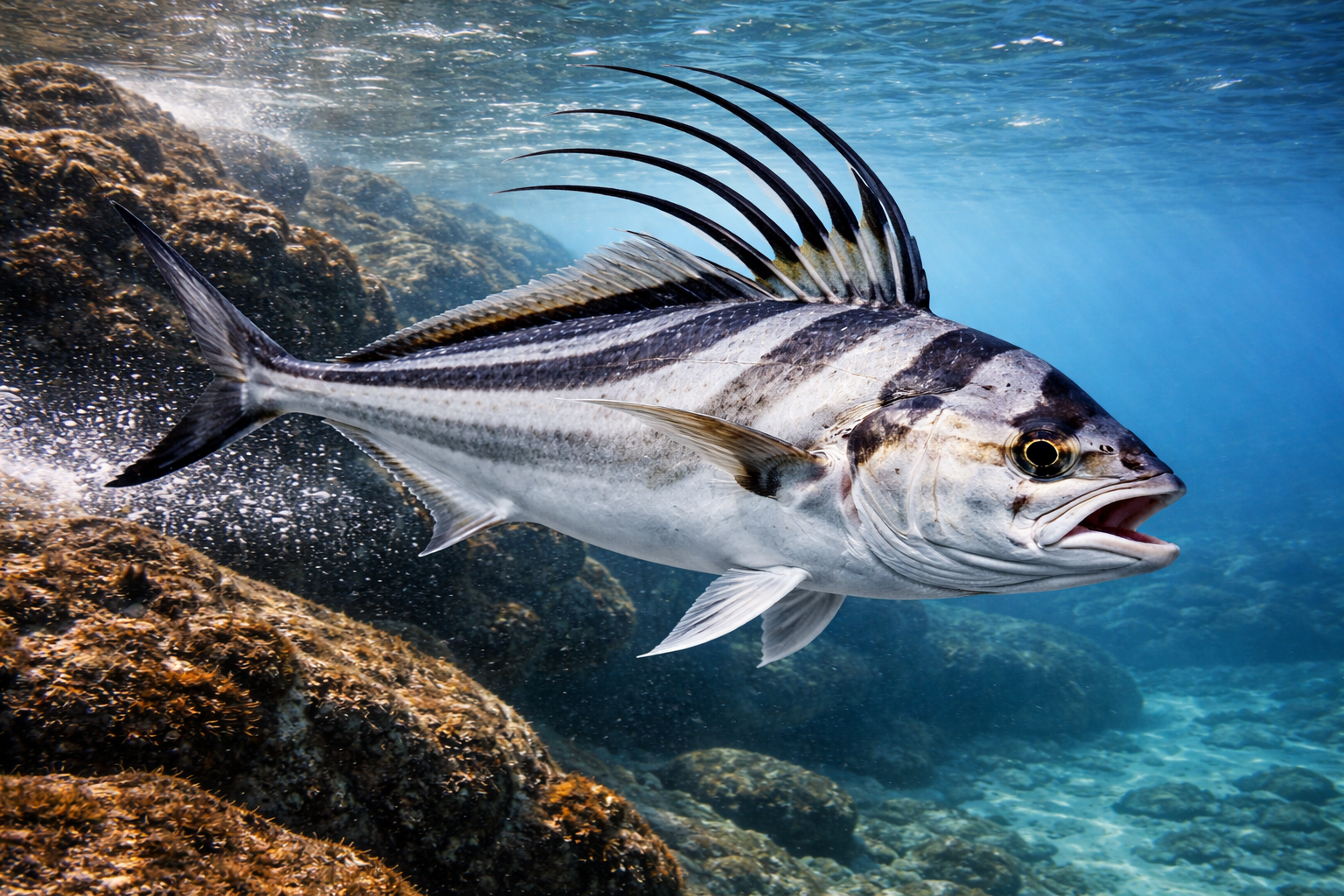
Baja's most iconic inshore species. Named for the spectacular comb-like dorsal spines that resemble a rooster's crest, this species is found only in the Eastern Pacific from Baja California to Peru. Roosterfish are powerful, stubborn fighters that stay close to shore — making them the perfect target for light-tackle enthusiasts and anglers who prefer the inshore experience.
114 lbs
IGFA WORLD RECORD
~5 ft (1.5 m)
MAX LENGTH
~35 mph
TOP SPEED
May-Oct
PEAK SEASON
SCIENTIFIC CLASSIFICATION
Taxonomy & Biology
-
Carangiformes
-
Nematistiidae
-
Nematistius
-
N. pectoralis (Gill, 1862)
-
Roosterfish, papagallo, pez gallo (Spanish). The only species in the family Nematistiidae.
-
Approximately 15–20 years
-
Sardines, mullet, small jacks, crabs, shrimp
-
Eastern Pacific only — Baja California Sur to Peru. Inshore, typically within 1 mile of the beach in sandy bottoms near rocky points and river mouths.
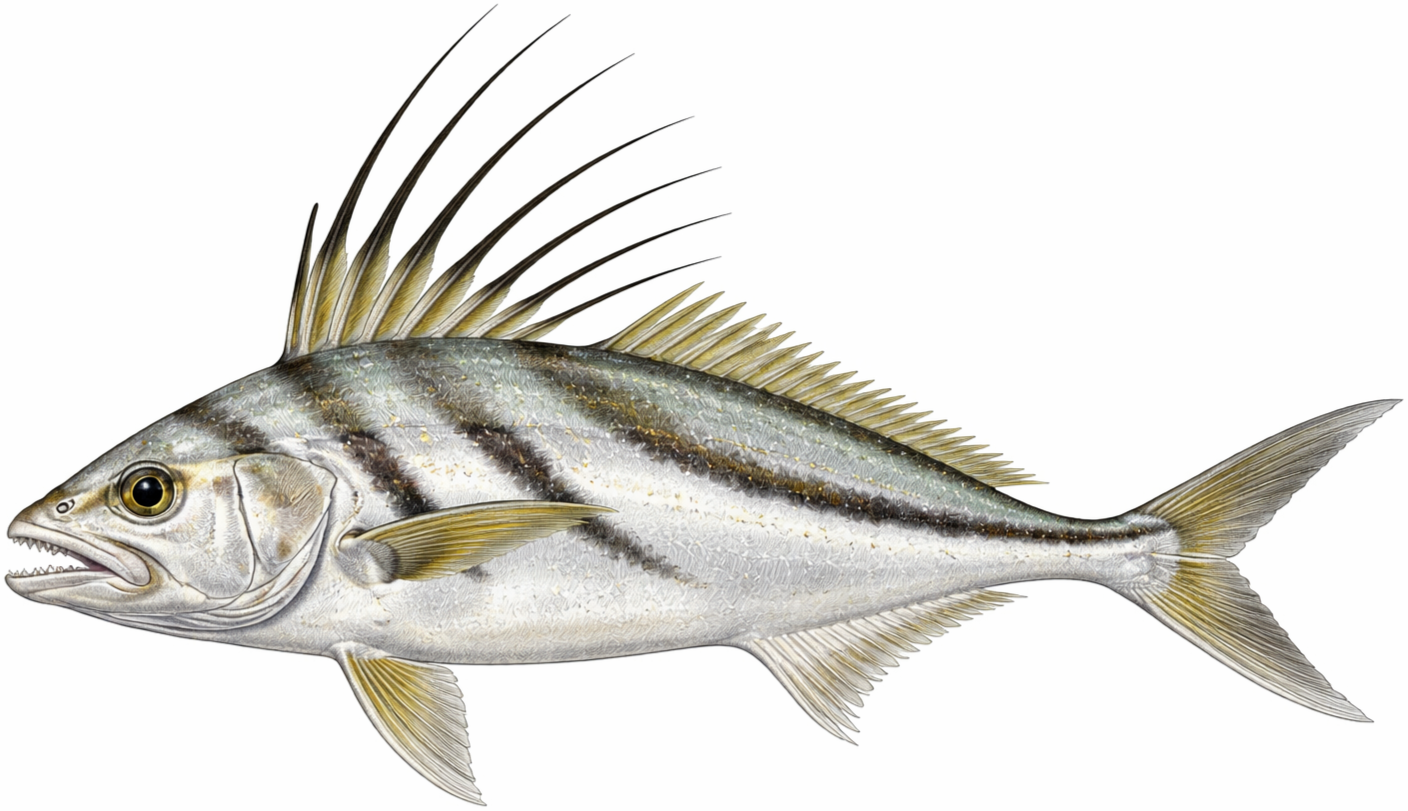
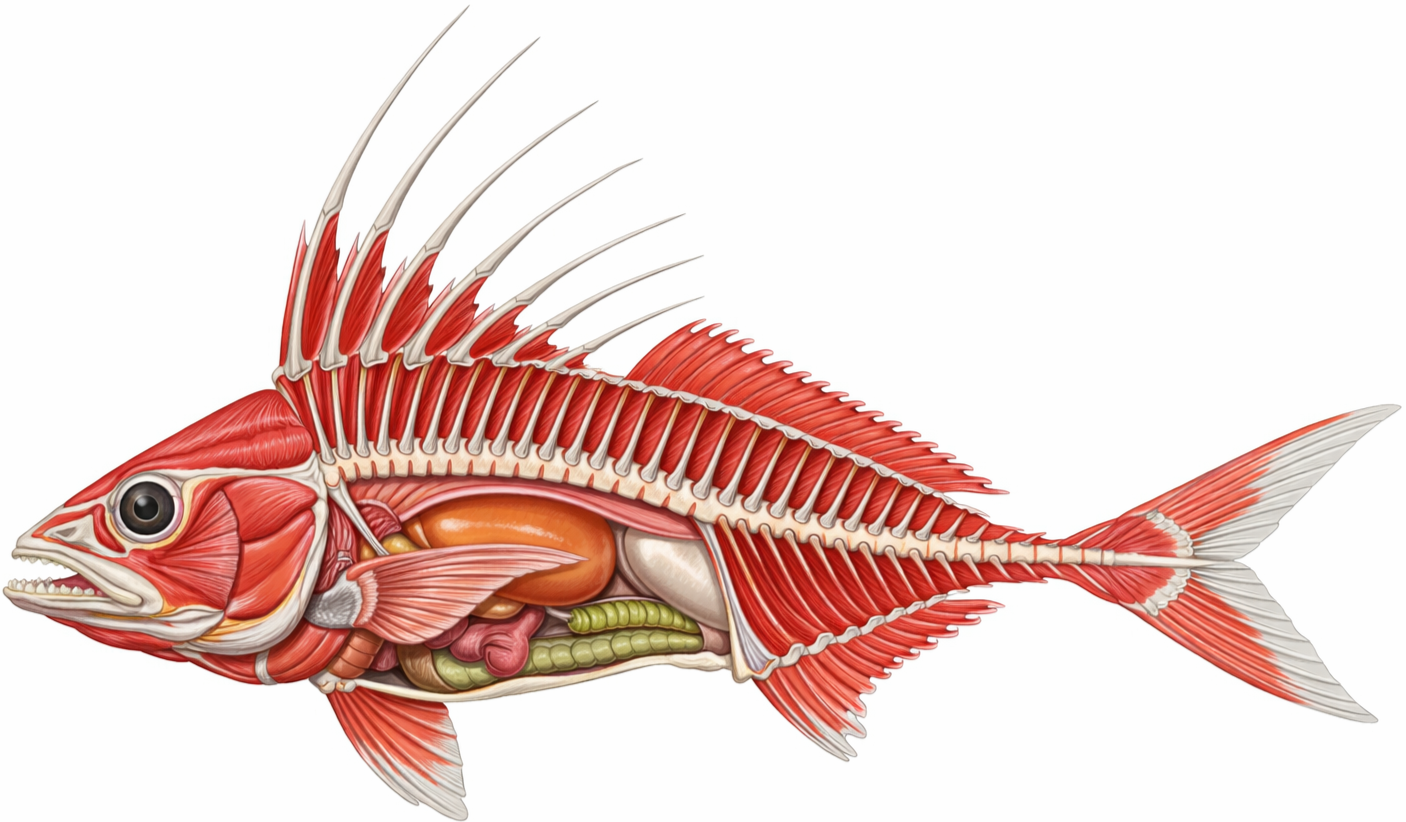
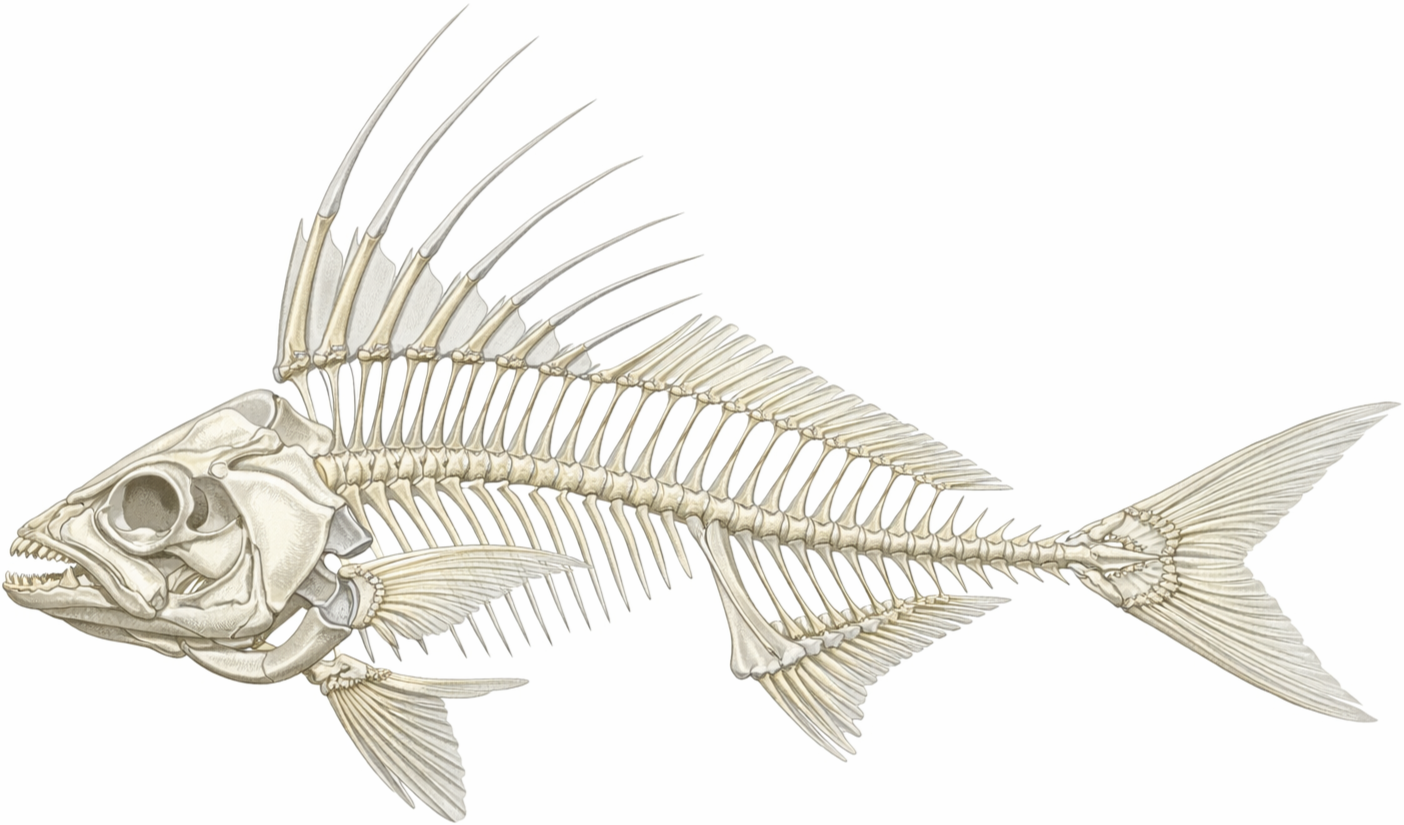
The roosterfish is the only member of its family (Nematistiidae) — it has no close relatives. Its seven elongated dorsal spines form the distinctive 'rooster crest' that the fish raises when excited, threatened, or feeding. This crest can be nearly as tall as the fish's body.
Roosterfish are strictly an inshore species, rarely found more than a mile from the beach. They patrol sandy bottoms near rocky points, river mouths, and structure — cruising in packs and ambushing baitfish that pass close to shore.
Unlike the billfish and pelagic species, roosterfish are available year-round in Cabo. Peak season runs from May through October when warmer water temperatures bring them into shallower water and closer to the beaches. They are caught on pangas and smaller boats — no need for a large offshore vessel.
WHEN TO FISH
Seasonal Patterns in Cabo San Lucas
JAN
★★
FEB
★★
MAR
★★
APR
★★
MAY
★★★
JUN
★★★
JUL
★★★
AGO
★★★
SEP
★★★
OCT
★★★
NOV
★★
DEC
★★
HOW TO CATCH THEM
Fishing Techniques & Tackle
CLASSIC BAJA METHOD
LIVE BAIT FROM PANGA
Live sardines or mullet cast near rocky points, river mouths, and sandy structure from a panga or small boat. This is the traditional Baja technique and the most effective. Tackle: 15–30 lb class spinning with fluorocarbon leader.
GROWING POPULARITY
FLY FISHING
Sight-casting large baitfish-pattern flies to cruising roosterfish in shallow water. This is challenging but incredibly rewarding — roosterfish on fly are one of Baja's most prized catches. 9–10 weight fly rods with intermediate sinking lines.
SHORE FISHING
SURF / BEACH CASTING
Casting live bait or lures from the beach near rocky points and structure. Roosterfish cruise the surf zone and can be spotted by their dorsal crests cutting the surface. Tackle: Medium-heavy spinning with waders.
WORLD RECORDS
IGFA Records & Notable Catches
IGFA ALL-TACKLE WORLD RECORD
114 lb
Caught by Abe Sackheim on June 1, 1960 off La Paz, Baja California Sur, Mexico.
TYPICAL GOOD CATCH
20-60 lb
Roosterfish in Cabo typically run 20 to 60 pounds. Trophy fish over 80 pounds are caught each season, particularly near the East Cape region of Baja.
TOP SPEED
~35 mph (80 km/h)
Estimated maximum burst speed. Roosterfish are among the fastest fish in the ocean.
MAXIMUM RECORDED LENGTH
~5 ft (1.5 m)
Approximate maximum total length. Cabo roosterfish typically measure smaller.
QUESTIONS & ANSWERS
Conservation & Regulations
Responsible Fishing in Cabo
Roosterfish are a slow-growing species with a limited geographic range (Pacific coast of the Americas only). The Mexican bag limit is 2.5 per license per day — lower than the standard 5 for most species. A solo angler can keep 2, but two licenses combine to allow 5. Top Anglers strongly encourages catch and release for all roosterfish to help sustain this iconic Baja species.
QUESTIONS & ANSWERS
Roosterfish FAQ
-
The 23-foot panga ($453 half-day / $563 full-day) is the ideal roosterfish vessel. Pangas access the shallow, rocky areas and beach breaks where roosters feed. It’s the most authentic Baja fishing experience and the most affordable boat in the fleet. No offshore sportfisher needed.
-
Yes — roosterfish are one of the few Cabo species available every month of the year. Peak season is May through October when warmer water brings them into shallower water closer to the beaches. During cooler months (November through April), they are still caught but may be found in slightly deeper water.
-
No. Roosterfish are an inshore species typically found within one mile of the beach. A 23-foot panga (starting at $450) is the ideal vessel for roosterfish fishing — it can access the shallow, rocky areas where roosterfish feed and provides an authentic Baja fishing experience.
EXPLORE MORE
Other Species in Cabo
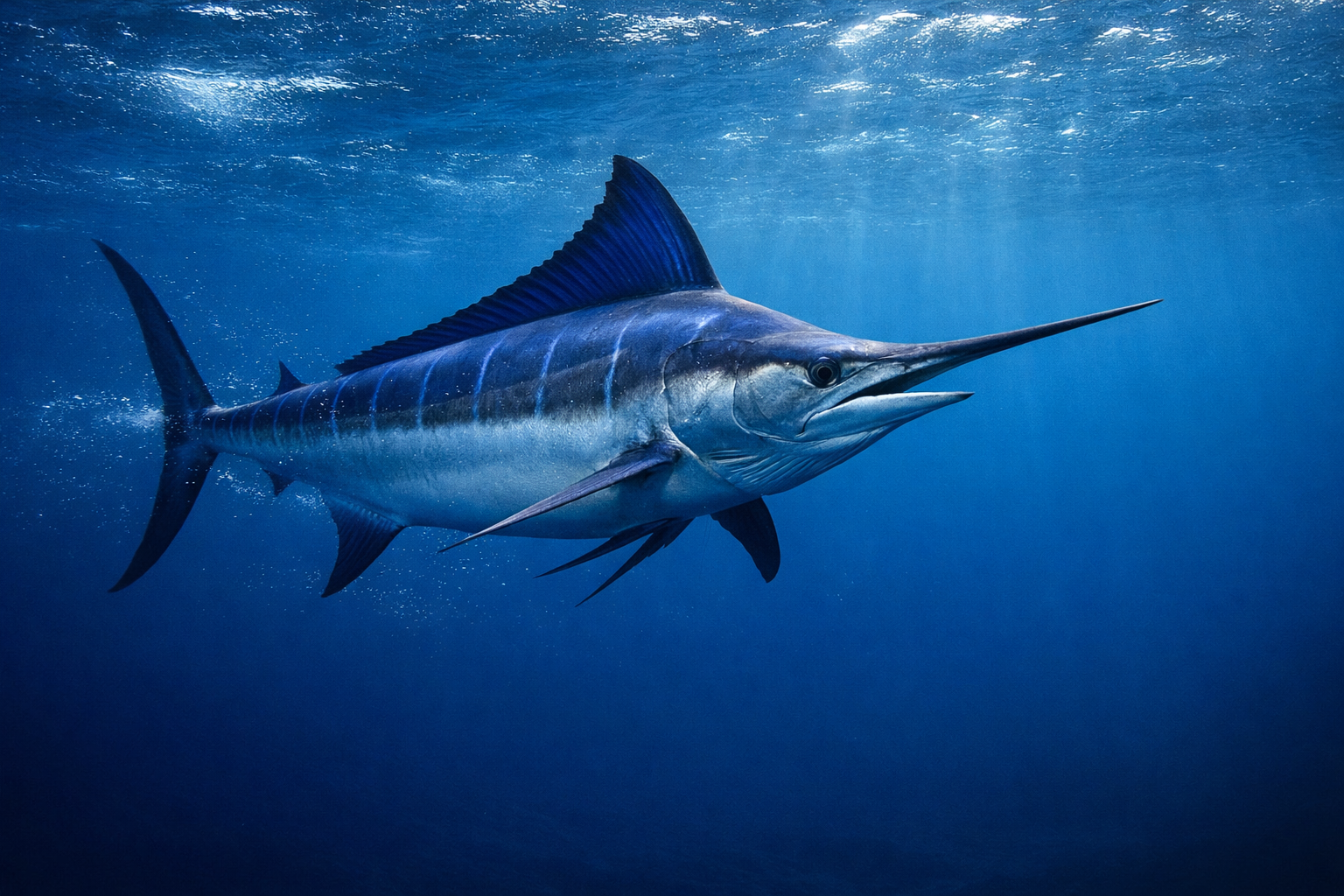
Makaira Nigricans
Blue Marlin
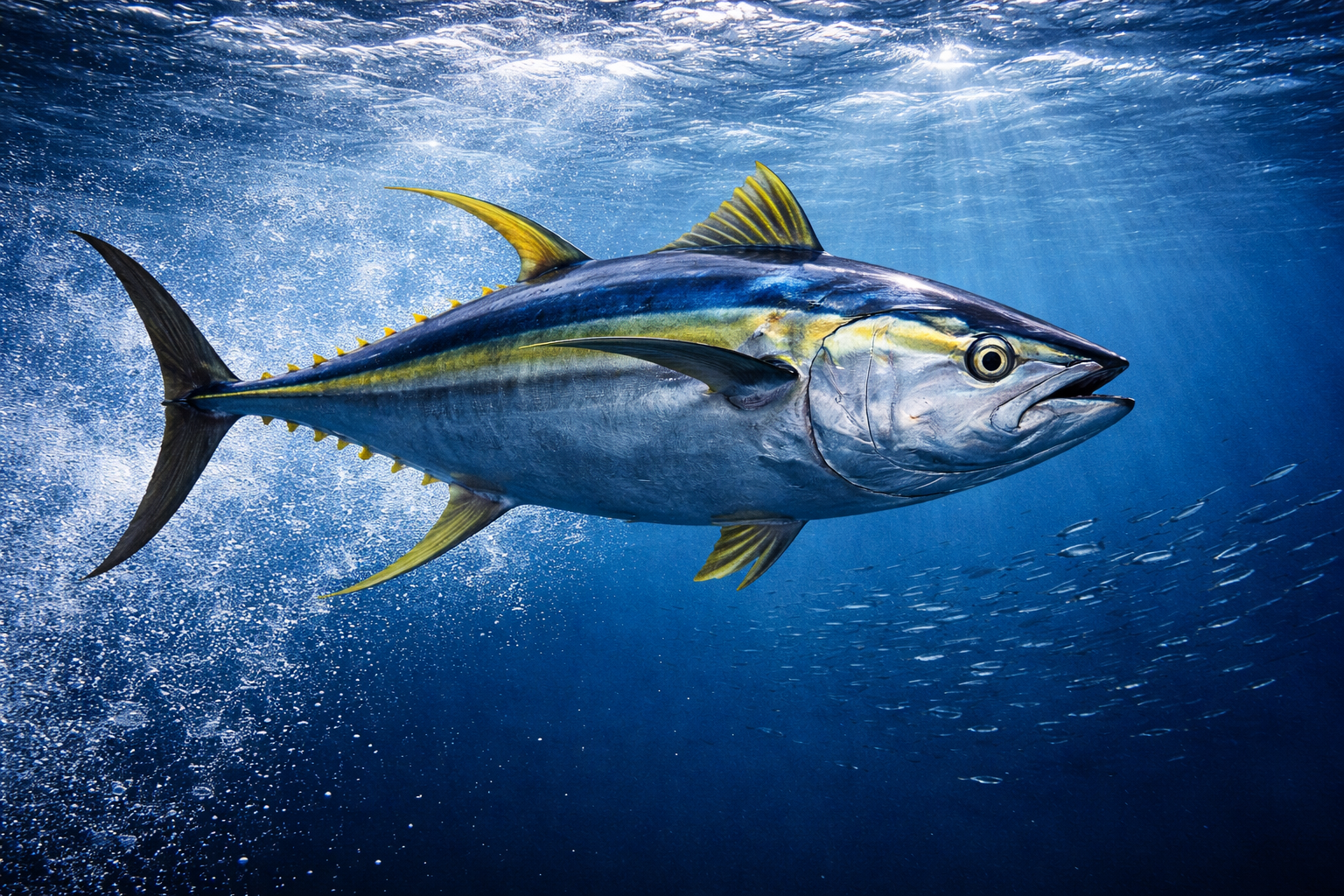
Thunnus Albacares
Yellowfin tuna
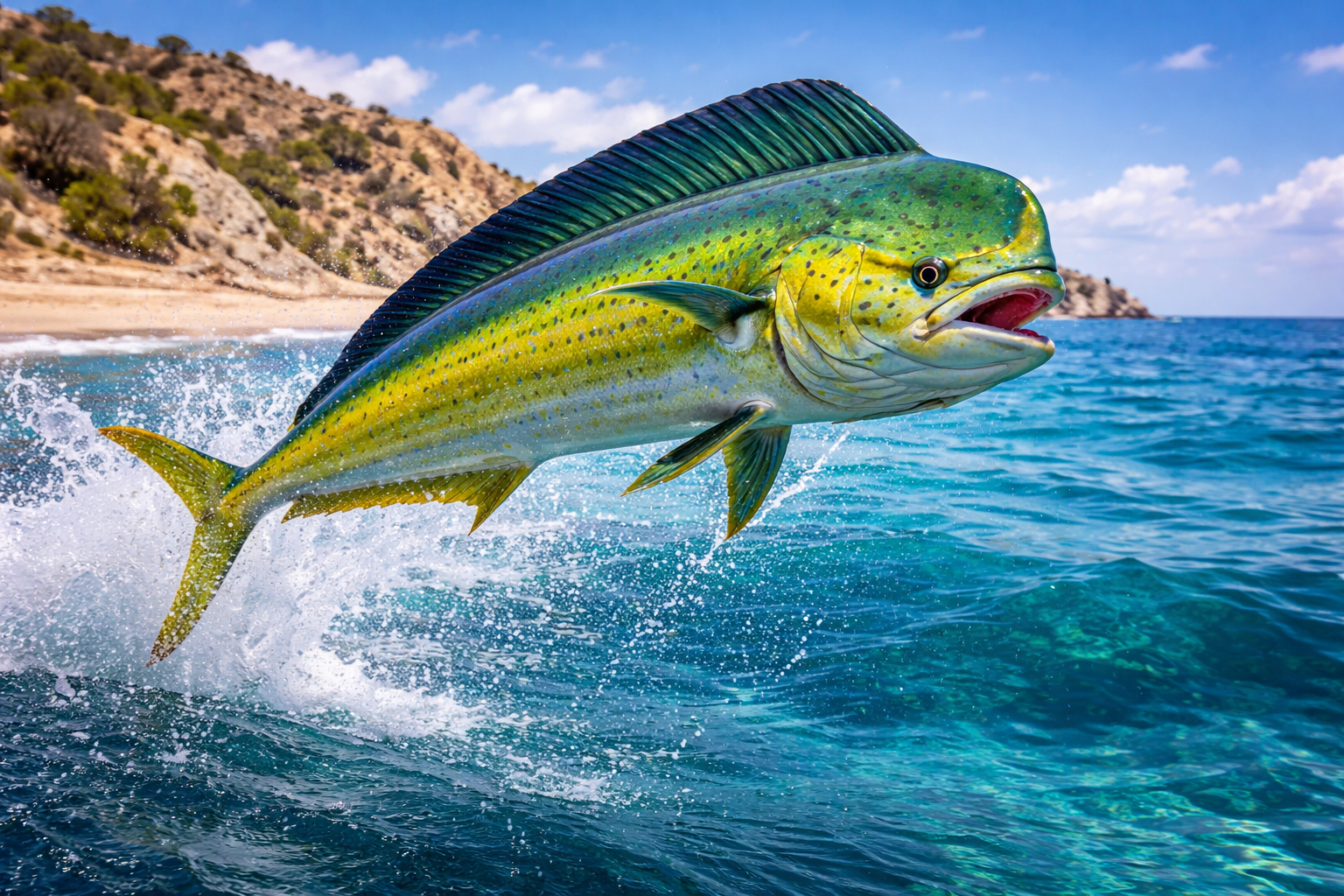
Coryphaena Hippurus
Dorado
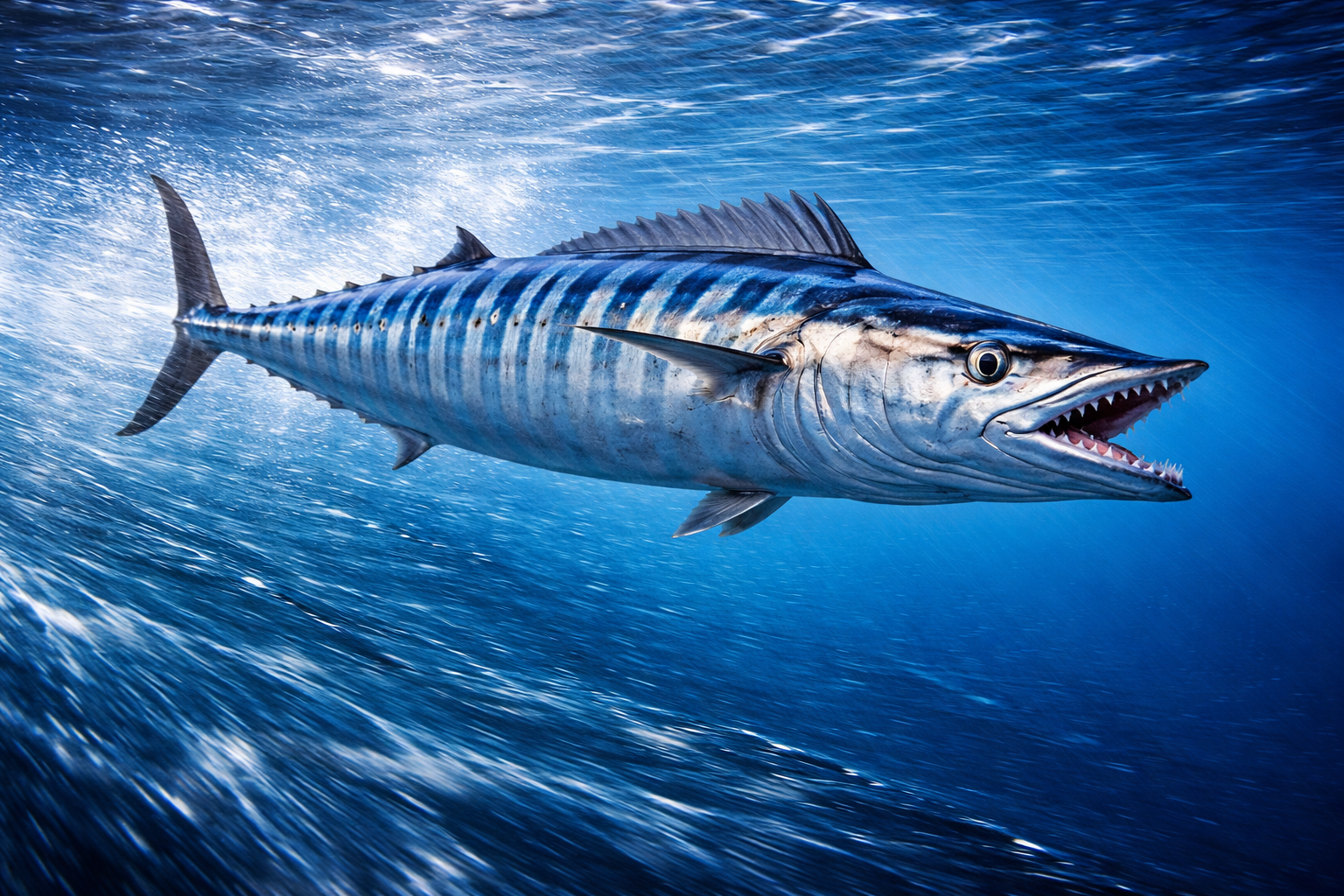
Acanthocybium Solandri
Wahoo
Which Boat Should You Book for Roosterfish?
Roosterfish are an inshore species — our 23' Panga ($453 half-day / $563 full-day) is the ideal vessel. Pangas access the shallow, rocky areas where roosterfish feed. No big offshore boat needed. View all boats →
Target Roosterfish in Cabo
Our captains know exactly where and when to find rooster fish. Call or email directly — no booking fees, no middlemen.
NO BOOKING FEES · NO COMMISSIONS · DIRECT WITH OUR CABO TEAM