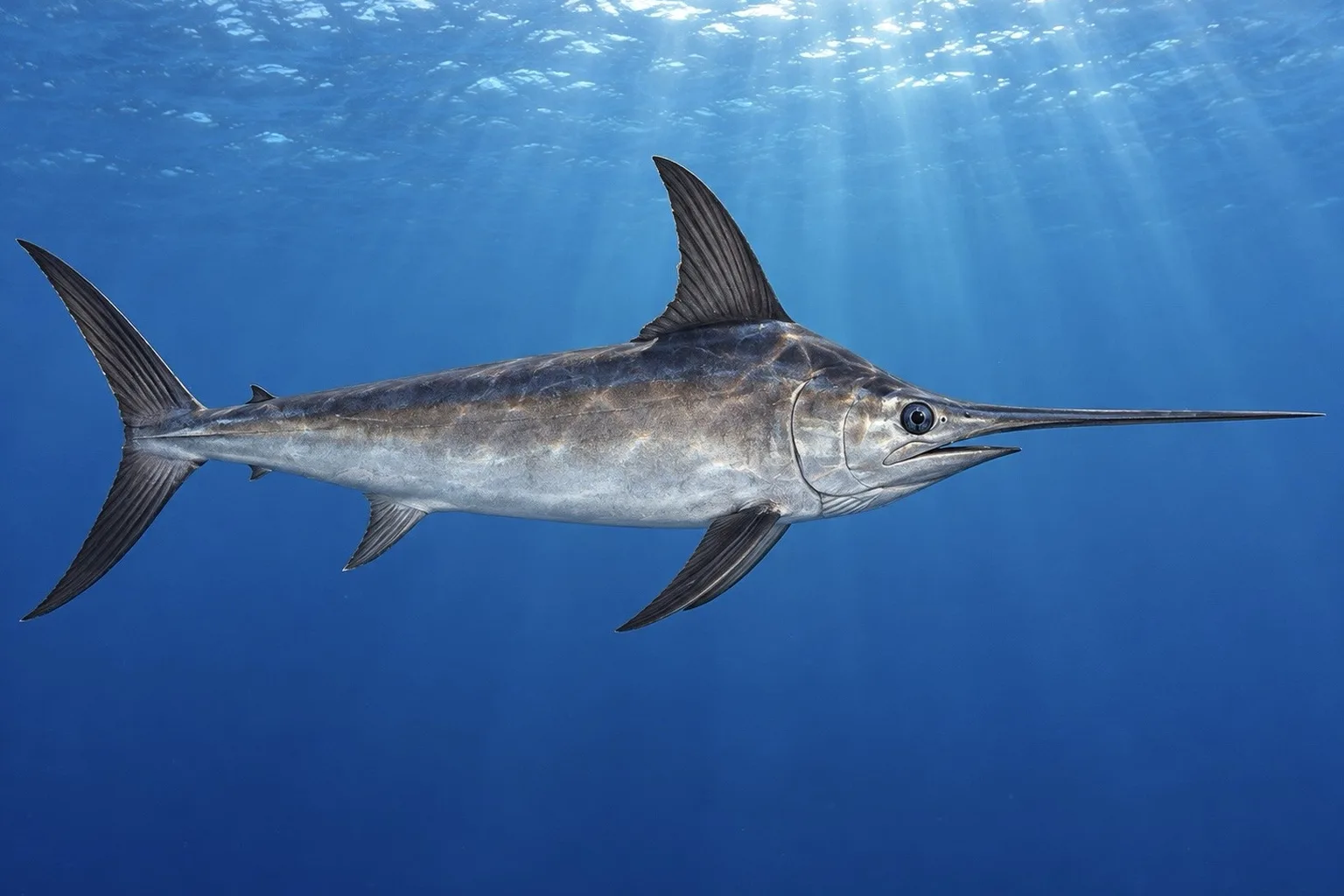
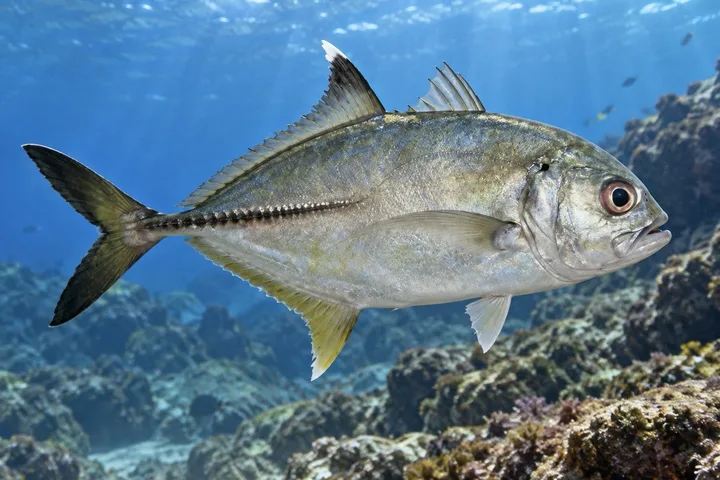
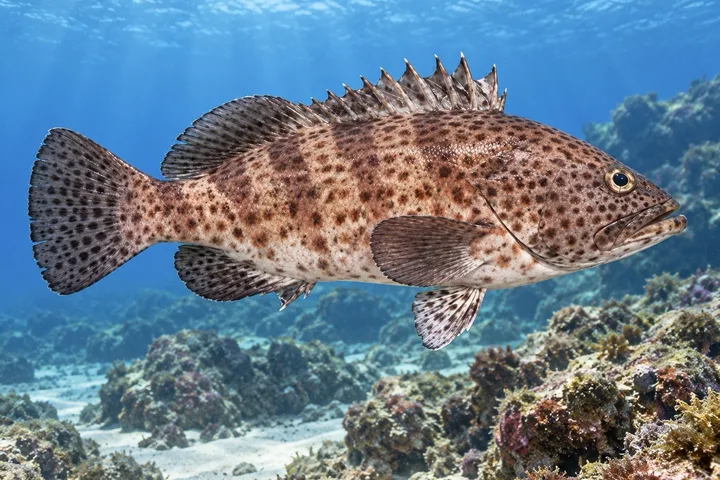
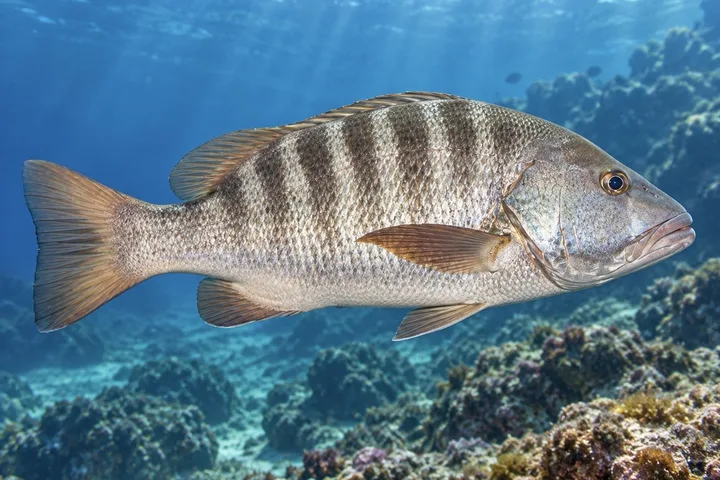
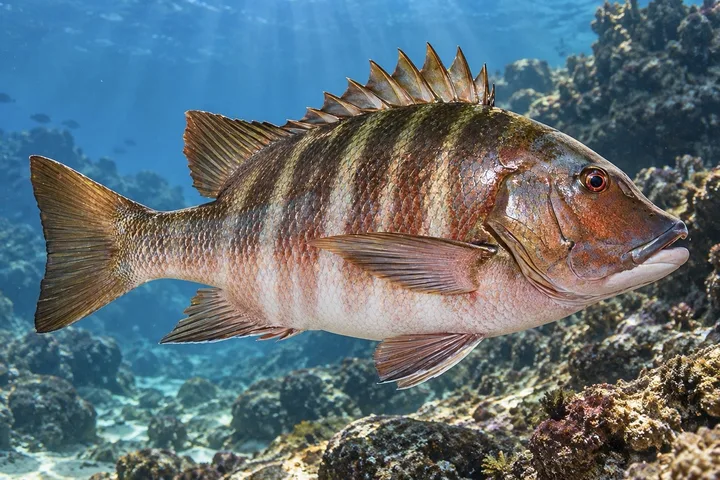
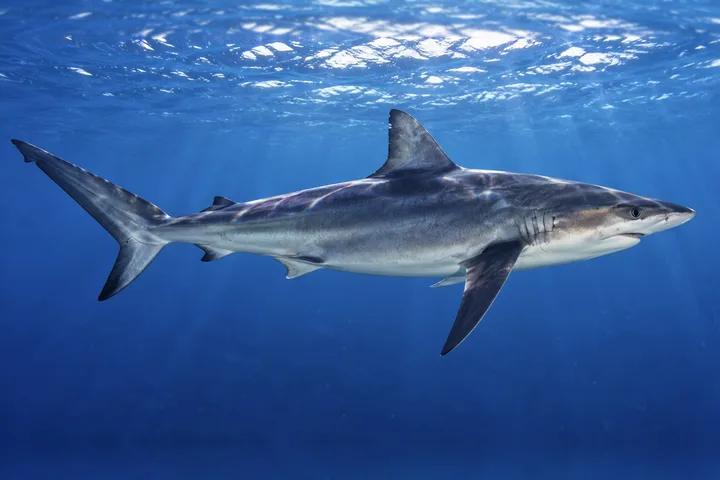
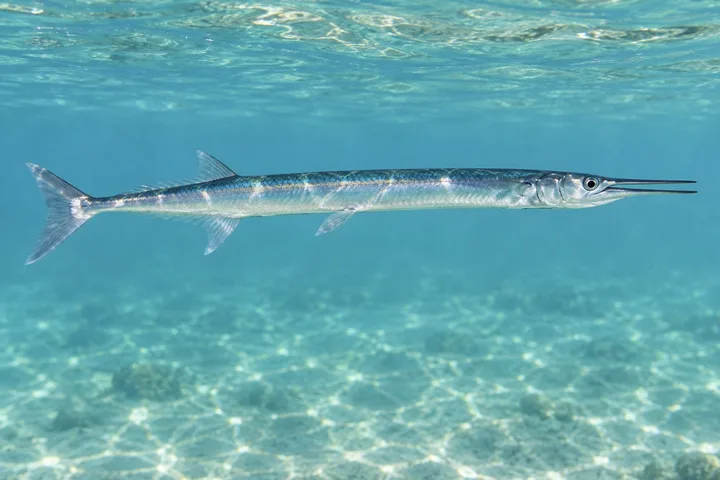
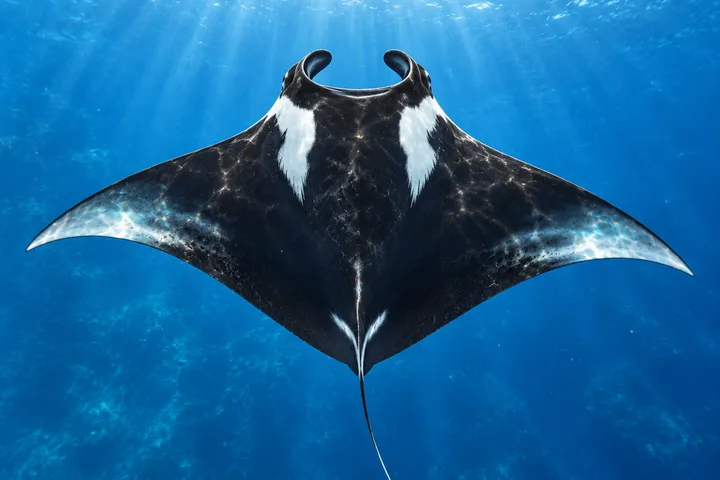
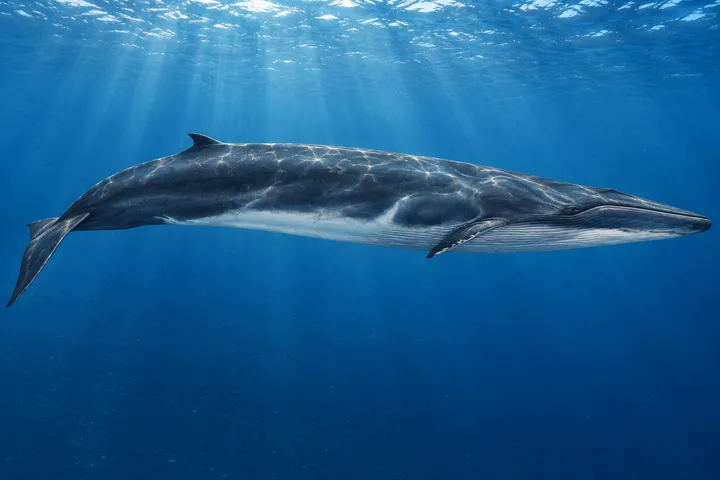
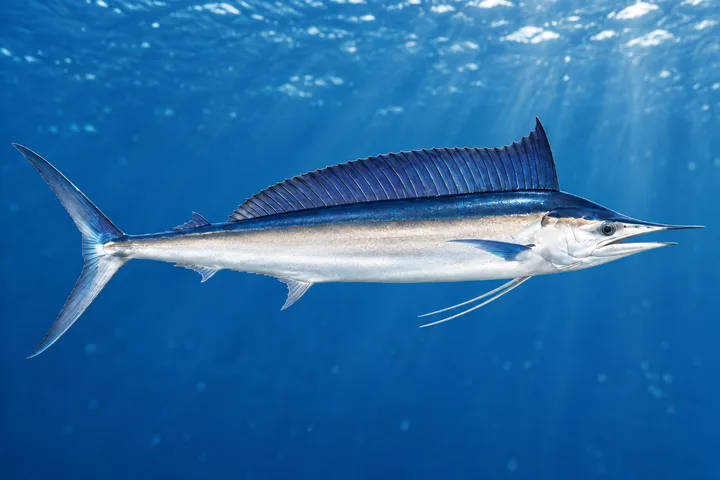
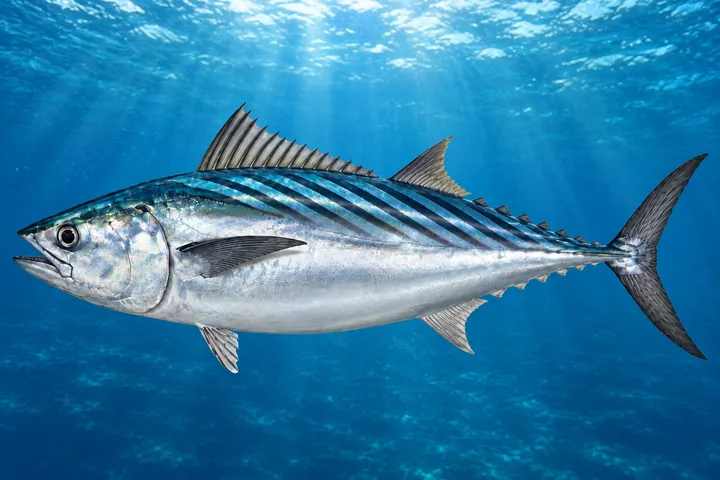
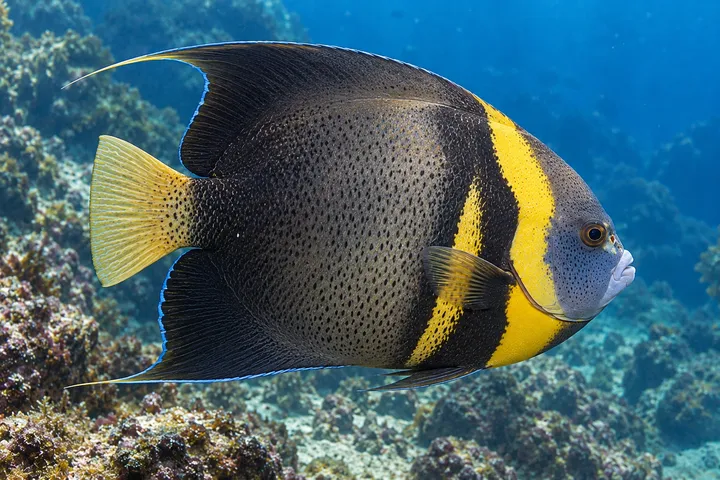
Swordfish (Xiphias gladius), illustration
Regulated · catch and release Xiphias gladius

Swordfish in Los Cabos

The broadbill is the deepest-living of the billfish: it spends the day hundreds of meters down and rises at night to hunt squid. It swims off Los Cabos, but sportfishers here catch one only rarely.

Up to ~4.5 mMax length
1,182 lbIGFA world record
~450 mAvg. max daytime depth
1 per dayLimit per angler

Season in Los Cabos

●● best months · ● regular · · occasional. Based on local fishing reports; conditions change year to year.

Tap a month to see everything biting in Cabo that month ›

How to recognize it

Blackish brown on the back, fading to lighter brown or silvery sides, with a very long, flat, broad sword. It has no pelvic fins, and adults have no scales or teeth. The tall, curved first dorsal fin can’t be folded down, and the tail base has one large keel on each side.

Biology

The swordfish lives in tropical and temperate oceans worldwide; in the eastern Pacific it ranges from southern California into the Gulf of California and south to Peru. It spends the day in deep, cool water and moves up into shallower, warmer water at night.

Off the Pacific coast of Baja, its diet is mostly squid, above all jumbo squid. NOAA puts its maximum size at about 14 feet and 1,200 pounds, its lifespan at about 9 years and maturity at 5 to 6 years. Adults lose all their scales and teeth.

Things you probably didn't know

01

A heater for its brain

In 1982 Francis Carey described a tissue attached to one of the swordfish’s eye muscles, packed with mitochondria and fed by a heat exchanger, that warms the brain and eyes and protects them from cooling during its daily dives.

Source ↗
02

Eyes 10 times faster

The heater keeps the eyes and brain 10 to 15 °C above the water. Depending on depth, that makes its vision more than ten times better at tracking fast motion than an eye at water temperature.

Source ↗
03

An oil gland in its head

In 2016 researchers found an oil-producing gland at the base of the sword, connected to tiny pores on the head. They suggest the oil, together with tiny skin denticles, reduces drag as it swims.

Source ↗
04

450 m by day, 78 m by night

Satellite tags on 31 swordfish showed an average maximum depth of 450 m during the day versus 78 m at night. Now and then they rise to bask at the surface in daylight, for a few minutes to nearly three hours.

Source ↗
05

A squid hunter

Of 175 stomachs from swordfish caught off Baja’s Pacific coast, squid, mainly jumbo squid, made up 60% of prey by number and 82% by weight, probably eaten near the surface at night.

Source ↗
06

A Cabo world record since 1972

On June 11, 1972, James Perry caught a 106 lb 8 oz (48.3 kg) swordfish off Cabo San Lucas. It still stands as the IGFA men’s 6 lb (3 kg) line-class record.

Source ↗

Photos

Sylvain Eichhorn · iNaturalist · CC BY 4.0
Jan Ebr & Ivana Ebrová · iNaturalist · CC BY 4.0
Daniel Benák · iNaturalist · CC BY 4.0

How it's caught in Los Cabos

Because swordfish spend the day deep and come up at night, sportfishers use two methods. The traditional one is drifting baits in the upper layer at night. The newer daytime “deep-drop” method, studied off Southern California, sends a squid bait with a light and a 2–4 kg weight down to about 200–365 m on heavy tackle and electric reels.

In Los Cabos it’s a rare catch. A 1998 review of Mexico’s billfish management noted that swordfish are very seldom caught by sportfishers in the area. Local reports point to February through July as the best window. It’s a bonus fish, not one to plan a trip around.

On the table

Excellent eating: firm, moist and slightly sweet, with a moderately high oil content. The FDA lists swordfish among its “choices to avoid” for highest mercury levels, advice aimed at people who are or may become pregnant or breastfeeding and children ages 1 to 11.

Rules, records & conservation

Reserved for sport fishing (LGPAS art. 68)Within 50 nautical miles of the coast, like marlin, sailfish, roosterfish, dorado and sábalo
Daily limit (NOM-017-PESC-1994)1 billfish (picudo) per angler per day, counting as 5 of the 10-fish total
FilletingBillfish can’t be filleted on board
SellingFish kept under a sport-fishing permit can’t be sold
IUCN Red ListNear Threatened (2022)
IGFA all-tackle record1,182 lb (536.15 kg), Iquique, Chile, 1953

In Cabo we follow a local rule of one billfish per boat per day, and Top Anglers encourages releasing every billfish.

Don't confuse it with

Marlins and sailfish have a round, spear-like bill, pelvic fins, scales and two keels on each side of the tail base. The swordfish’s sword is flat and much broader, it has no pelvic fins, adults have no scales, there’s a single keel on each side, and its tall, curved dorsal fin can’t be folded down.

How to tell Cabo’s billfish apart ›

Questions

Can you catch swordfish in Cabo San Lucas?

Yes, but rarely. Sportfishers in Los Cabos catch very few; local reports point to February through July as the best months.

Can I keep a swordfish in Mexico?

It counts as a billfish: 1 per angler per day, which takes up 5 of the 10-fish total. It can’t be filleted on board or sold. In Cabo the local rule is 1 billfish per boat per day, and we encourage release.

Is a swordfish a marlin?

No. The swordfish is the only species in its family, Xiphiidae. Marlins and sailfish belong to a different family, with round bills, pelvic fins, scales and two keels per side at the tail.

By Max VargasTop Anglers, Cabo San Lucas · international judge at big game fishing world championships · reviewed October 2026

Sources

Top illustration: Top Anglers. Photos: iNaturalist contributors, credited on each photo.

Boats for swordfish

Sportfishers with the range to reach the offshore banks. From $799 with license included.
More species

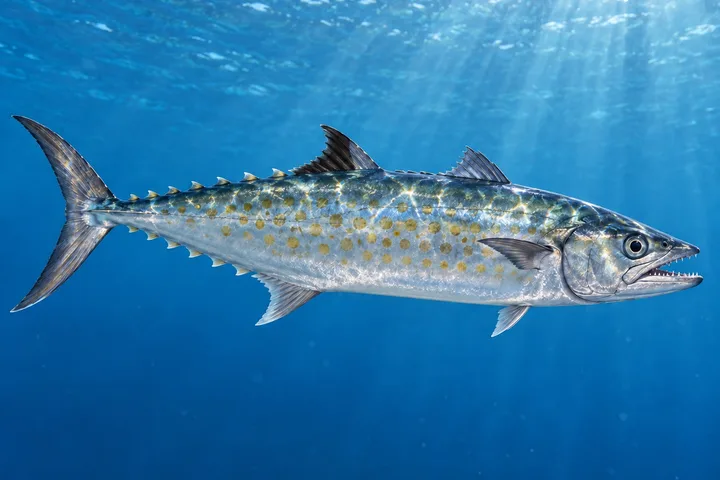
Pacific sierra
Pacific sierra
Scomberomorus sierra
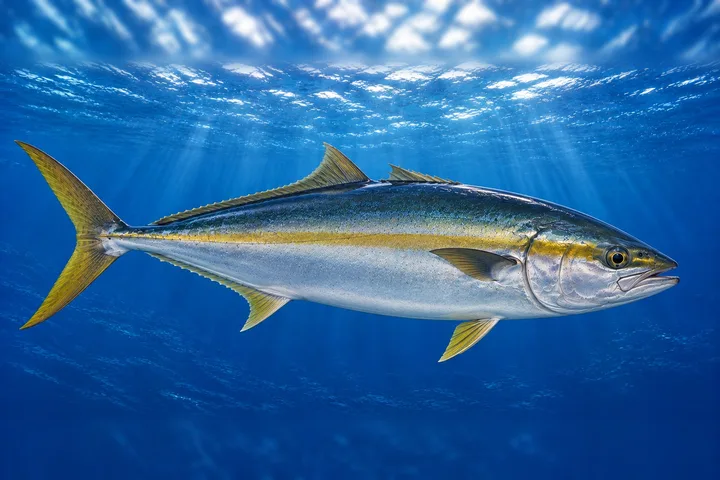
California yellowtail
Seriola dorsalis
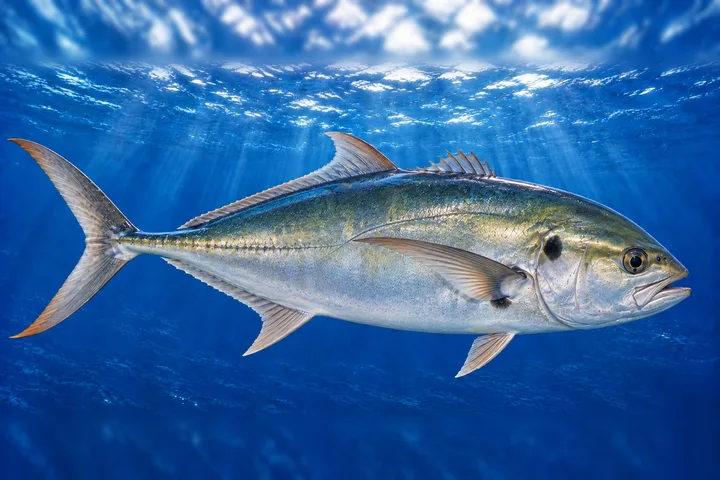
Pacific crevalle jack
Caranx caninus
Skipjack tuna
Skipjack tuna
Katsuwonus pelamis
Shortfin mako
Shortfin mako
Isurus oxyrinchus
Leopard grouper
Leopard grouper
Mycteroperca rosacea
Colorado snapper
Colorado snapper
Lutjanus colorado
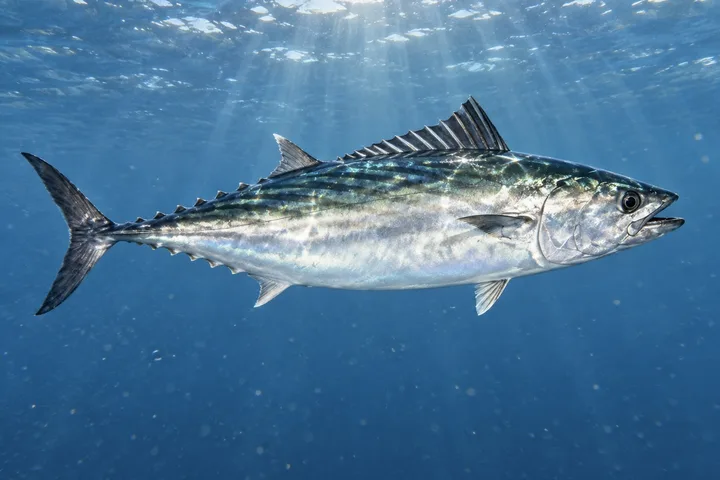
Striped bonito
Striped bonito
Sarda orientalis
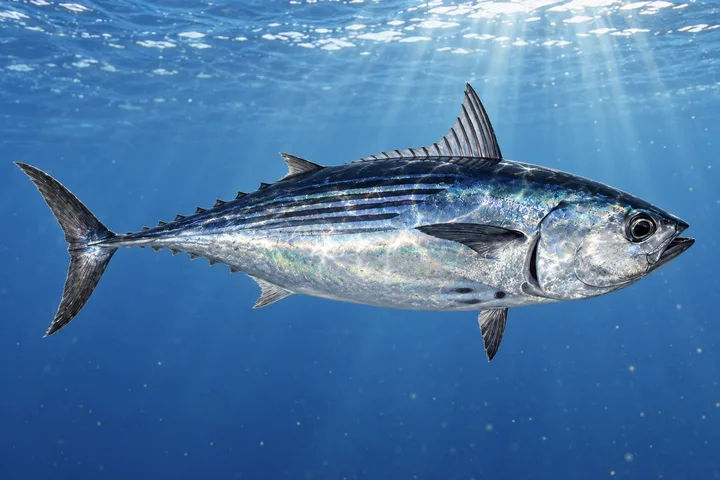
Black skipjack
Black skipjack
Euthynnus lineatus
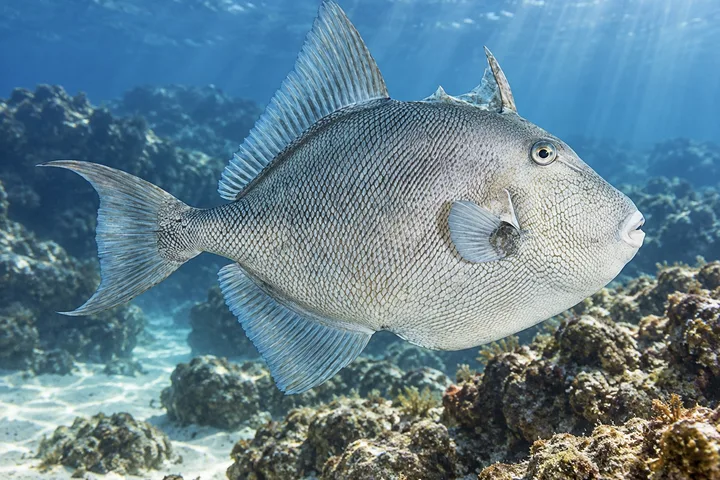
Finescale triggerfish
Balistes polylepis
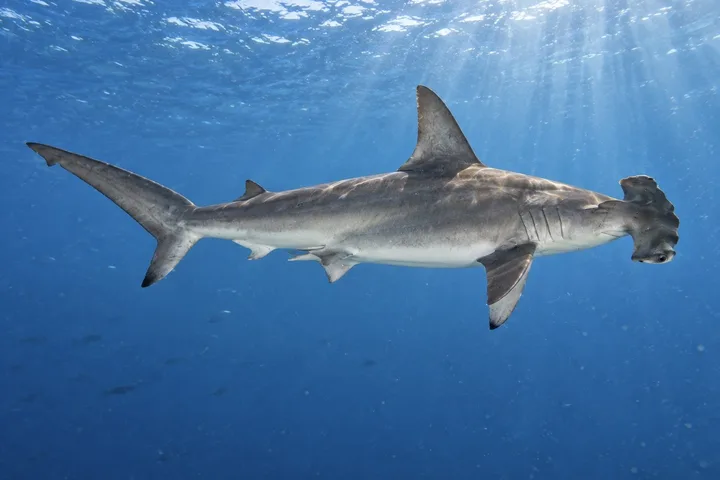
Scalloped hammerhead
Sphyrna lewini
Humpback whale
Humpback whale
Megaptera novaeangliae
Gray whale
Gray whale
Eschrichtius robustus
California sea lion
California sea lion
Zalophus californianus
Whale shark
Whale shark
Rhincodon typus
Olive ridley sea turtle
Lepidochelys olivacea
Bottlenose dolphin
Bottlenose dolphin
Tursiops truncatus
Munk's devil ray (mobula)
Mobula munkiana
Almaco jack
Almaco jack
Seriola rivoliana
Bigeye trevally
Bigeye trevally
Caranx sexfasciatus
Spotted cabrilla
Spotted cabrilla
Epinephelus analogus
Pacific dog snapper
Pacific dog snapper
Lutjanus novemfasciatus
Barred pargo
Barred pargo
Hoplopagrus guentherii
Blue whale
Blue whale
Balaenoptera musculus
Green sea turtle (black turtle)
Chelonia mydas
Leatherback sea turtle
Dermochelys coriacea
Rainbow runner
Rainbow runner
Elagatis bipinnulata
Gulf grouper
Gulf grouper
Mycteroperca jordani
Yellow snapper
Yellow snapper
Lutjanus argentiventris
Pacific white snook
Pacific white snook
Centropomus viridis
Mexican barracuda
Mexican barracuda
Sphyraena ensis
Silky shark
Silky shark
Carcharhinus falciformis
Mexican needlefish
Mexican needlefish
Tylosurus fodiator
Humboldt squid
Humboldt squid
Dosidicus gigas
Giant manta ray
Giant manta ray
Mobula birostris
Fin whale
Fin whale
Balaenoptera physalus
Orca (killer whale)
Orca (killer whale)
Orcinus orca
Hawksbill sea turtle (carey)
Eretmochelys imbricata
Brown pelican
Brown pelican
Pelecanus occidentalis
Magnificent frigatebird
Fregata magnificens
Shortbill spearfish
Shortbill spearfish
Tetrapturus angustirostris
Loggerhead sea turtle (caguama)
Caretta caretta
Osprey
Osprey
Pandion haliaetus
Blue-footed booby
Blue-footed booby
Sula nebouxii
Common dolphin
Common dolphin
Delphinus delphis
Oarfish
Oarfish
Regalecus russelii
Heermann’s gull
Heermann’s gull
Larus heermanni
Yellow-footed gull
Yellow-footed gull
Larus livens
Ocean sunfish
Ocean sunfish
Mola mola
Sperm whale
Sperm whale
Physeter macrocephalus
Sally Lightfoot crab
Grapsus grapsus
Blue spiny lobster
Blue spiny lobster
Panulirus inflatus
Chocolate clam
Chocolate clam
Megapitaria squalida
Pelagic red crab
Pelagic red crab
Grimothea planipes
Hubbs’ octopus
Hubbs’ octopus
Octopus hubbsorum
Jewel moray
Jewel moray
Muraena lentiginosa
Panamic green moray
Panamic green moray
Gymnothorax castaneus
Spinner dolphin
Spinner dolphin
Stenella longirostris
Risso’s dolphin
Risso’s dolphin
Grampus griseus
Short-finned pilot whale
Globicephala macrorhynchus
Bigeye tuna
Bigeye tuna
Thunnus obesus
Pelagic thresher
Pelagic thresher
Alopias pelagicus
Blue shark
Blue shark
Prionace glauca
Giant hawkfish
Giant hawkfish
Cirrhitus rivulatus
Pacific bonito
Pacific bonito
Sarda lineolata
Cortez angelfish
Cortez angelfish
Pomacanthus zonipectus
Talk to the family

Questions? Message the family

The Vargas family answers personally. 7 days a week, 5 AM – 6 PM Cabo time.