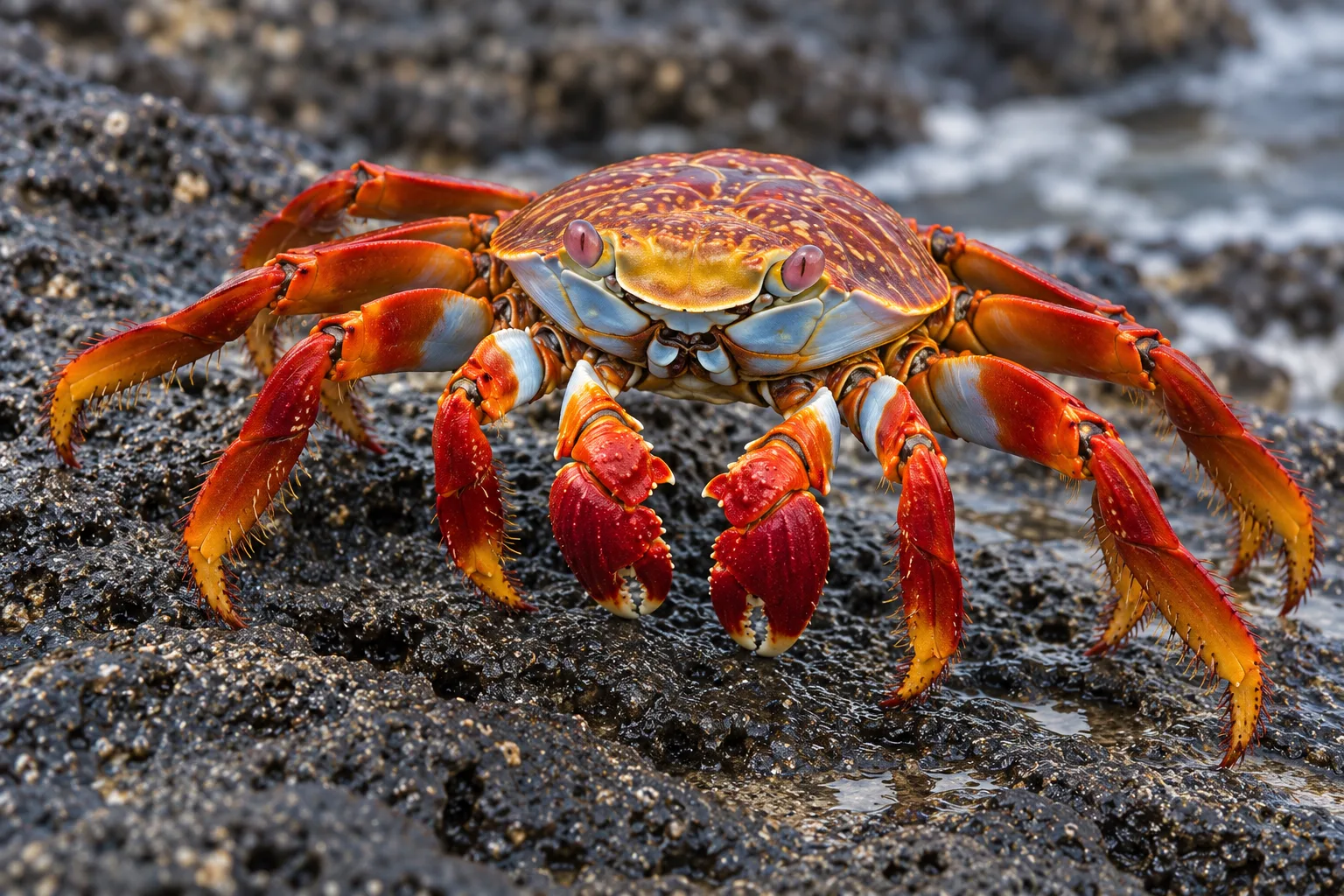
Sally Lightfoot crab (Grapsus grapsus), illustration
Wildlife Grapsus grapsus

Sally Lightfoot crab in Los Cabos

The bright red crab scuttling over the wave-splashed rocks of Land’s End is the Sally Lightfoot, one of the most common crabs on the Pacific coast of the Americas. It lives right at the edge of the spray and moves so fast that John Steinbeck, who met it at the Cape in 1940, said it seemed to read its hunter’s mind.

Up to 7.5 cmCarapace width
Up to 138 gWeight
4.1 cmAverage width, Mazatlán islands
Spray zoneWhere it lives

When to see them

●● best months · ● regular · · occasional. Based on scientific studies and local reports; it changes year to year.

Tap a month to see everything biting in Cabo that month ›

How to recognize it

A flat, roundish crab with a smooth carapace and long, flattened legs that it runs on with only the tips touching the rock. Adults are red to red-orange, often with yellow, pink or brown mottling; the claws are small, blocky and the same size on both sides. Juveniles look very different: dark green, gray or nearly black, sometimes with pale spots, which hides them on dark rock. Color shifts toward red as the crab grows.

Biology

Grapsus grapsus lives on rocky shores from Baja California to Peru and the Galápagos, and also along the western Atlantic. It is recorded at Cabo Pulmo on the Gulf side of Los Cabos, and hundreds of verified photo records place it on the rocks around Cabo San Lucas year-round. It stays at or just above the spray line, wedging into cracks when threatened, and in Mexico’s southern Gulf of California it is one of the most common intertidal animals on island shores.

It is an omnivore that mostly scrapes algae off rocks with its claws, but also scavenges carrion and takes sponges, mollusks, other crustaceans, small fish, bird eggs and droppings, and young sea turtles. A year-long study of 926 crabs on three islands off Mazatlán found carapace widths from 13.9 to 74.5 mm (average 41.4 mm) and weights up to 138.2 g. The crabs there were collected at night, at low tide, on rock surfaces and in crevices.

Things you probably didn't know

01

Steinbeck’s first Gulf crab

In 1940 Steinbeck and marine biologist Ed Ricketts sailed the Western Flyer to Cabo San Lucas before looping the Gulf. In The Log from the Sea of Cortez the Sally Lightfoots are the crabs they couldn’t catch: Steinbeck wrote that they seemed to “read the mind of their hunter.”

Source ↗
02

Lawnmowers of the shore

Cage experiments in the Galápagos showed Sally Lightfoots, along with marine iguanas and fish, shape rocky-shore algae. In the lab, crabs kept upright algae in check, and one crust-forming seaweed grew into an upright form when crabs were removed.

Source ↗
03

Tick pickers

Sally Lightfoots have been reported picking ticks off live marine iguanas in the Galápagos and eating them, a relationship that seems to benefit both animals.

Source ↗
04

Green to red

On islands off Mazatlán, small juveniles were greenish and large adults red, with color changing as they grew. Earlier work cited in the same study found the change much less obvious in females than in males.

Source ↗
05

Rock-to-rock jumpers

On Brazil’s Fernando de Noronha, researchers filmed Sally Lightfoots of both sexes and all sizes leaping between rocks, apparently to dodge wave wash or avoid stepping into the water. Before jumping, a crab lines up its body by stretching its front legs.

Source ↗
06

Split across an ocean

The red rock crabs of Ascension Island, the Azores and the eastern Atlantic were once ranked as a subspecies of G. grapsus. They are now treated as a separate species, Grapsus adscensionis.

Source ↗

Photos

John Hibbard · iNaturalist · CC BY 4.0
Sue Carnahan · iNaturalist · CC BY 4.0
MarvalPhotography19 · iNaturalist · CC BY 4.0
Nathan Nguyen · iNaturalist · CC BY 4.0
Pablo Rafael Arevalo · iNaturalist · CC BY 4.0

Seeing them from the boat

You’ll see Sally Lightfoots any day of the year on the rocks of Land’s End, around El Arco and Pelican Rock, and on the breakwaters near the marina, best from a boat cruising close to the rocks or from shore at low tide. Many of these spots lie inside the Cabo San Lucas Flora and Fauna Protection Area, whose 1973 decree prohibited fishing all species in the zone. They spook easily, so a long lens beats trying to get close.

Under Mexico’s sport fishing rule (NOM-017-PESC-1994), recreational anglers may only take fish: crustaceans can’t be kept, so Sally Lightfoots are off-limits as homemade bait on a charter. If you go looking for them from shore, remember they live where waves break: the rocks are wet, slick and hit by surge, so stay off wave-washed ledges and never turn your back to the sea.

On the table

It isn’t a commercial species. On the islands off Mazatlán, local fishermen catch it without size or catch controls when other fishing slows, using only the legs as food at home or as bait for palometa, botete and snapper.

Rules & conservation

Mexico (NOM-059)Not listed
Sport fishing (NOM-017-PESC-1994, 2013 update)Only fish may be taken; catching crustaceans is prohibited, from shore, boat or underwater
APFF Cabo San LucasCreated in 1973 as an underwater refuge, recategorized in 2000; the decree prohibits fishing all species and anchoring in the zone
Commercial fisheryNone regulated; no closed season or minimum size
IUCN Red ListNot evaluated

The origin of the English name “Sally Lightfoot” is not documented in any source we could verify, so we don’t repeat the popular stories.

Don't confuse it with

The other grapsid crab recorded on the rocks of Los Cabos, Pachygrapsus transversus, is much smaller and dark, never the bright red of an adult Sally Lightfoot. Juvenile Sally Lightfoots are dark and can look like a different animal; the flat body and long, flattened legs give them away.

Questions

Where can I see Sally Lightfoot crabs in Cabo?

On almost any rocky shore: Land’s End, El Arco, Pelican Rock and the rocks around the bay. They’re there all year, just above the waterline.

Why are some black and others red?

The dark ones are juveniles. Young crabs are dark green, gray or nearly black, and they turn red as they grow.

Can I catch one for bait?

Not as a sport angler. Mexico’s sport fishing rule allows only fish, and much of the Cabo San Lucas shoreline is inside a protected area where the decree bans fishing.

By Max VargasTop Anglers, Cabo San Lucas · international judge at big game fishing world championships · reviewed October 2026

Sources

Top illustration: Top Anglers. Photos: iNaturalist contributors, credited on each photo.

See Cabo from the water

Our charters leave the Cabo San Lucas marina every morning. From $453 with license included.
More species

Pacific sierra
Pacific sierra
Scomberomorus sierra
California yellowtail
Seriola dorsalis
Pacific crevalle jack
Caranx caninus
Skipjack tuna
Skipjack tuna
Katsuwonus pelamis
Shortfin mako
Shortfin mako
Isurus oxyrinchus
Leopard grouper
Leopard grouper
Mycteroperca rosacea
Colorado snapper
Colorado snapper
Lutjanus colorado
Striped bonito
Striped bonito
Sarda orientalis
Black skipjack
Black skipjack
Euthynnus lineatus
Finescale triggerfish
Balistes polylepis
Scalloped hammerhead
Sphyrna lewini
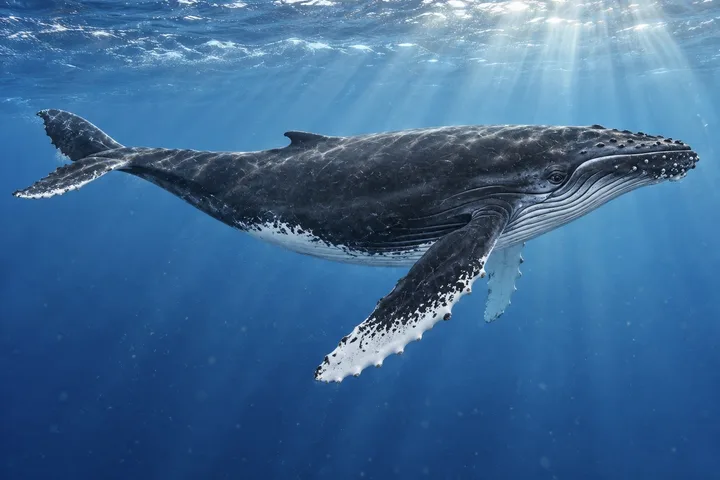
Humpback whale
Humpback whale
Megaptera novaeangliae
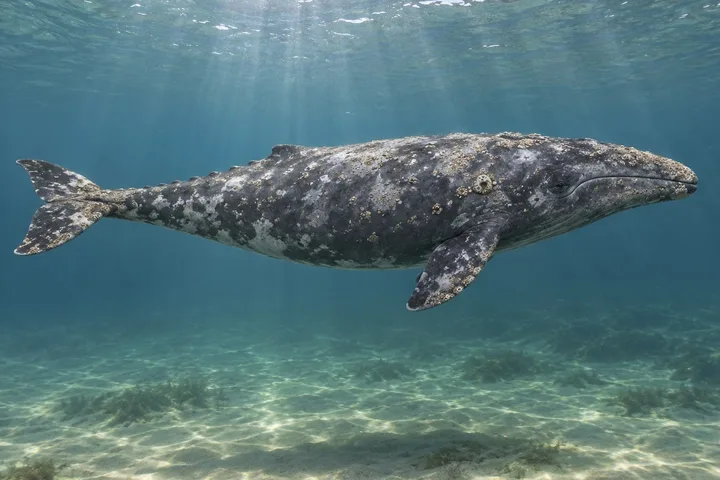
Gray whale
Gray whale
Eschrichtius robustus
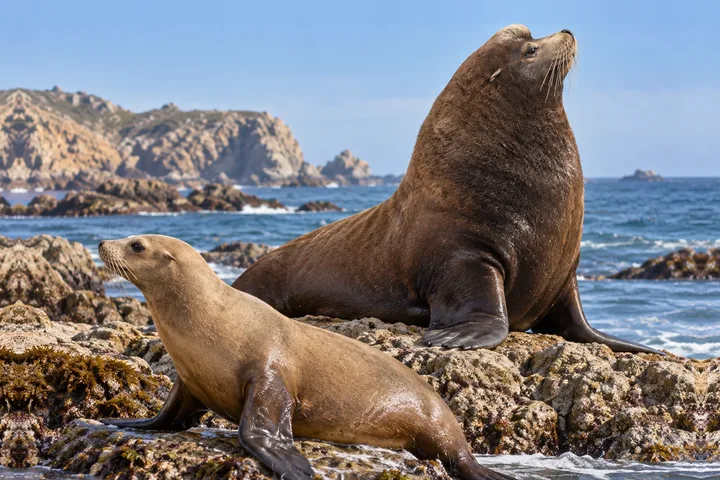
California sea lion
California sea lion
Zalophus californianus
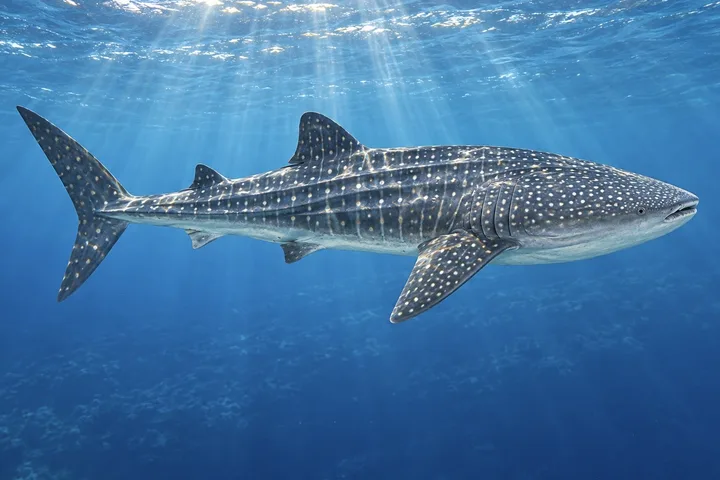
Whale shark
Whale shark
Rhincodon typus
Olive ridley sea turtle
Lepidochelys olivacea
Bottlenose dolphin
Bottlenose dolphin
Tursiops truncatus
Munk's devil ray (mobula)
Mobula munkiana
Swordfish
Swordfish
Xiphias gladius
Almaco jack
Almaco jack
Seriola rivoliana
Bigeye trevally
Bigeye trevally
Caranx sexfasciatus
Spotted cabrilla
Spotted cabrilla
Epinephelus analogus
Pacific dog snapper
Pacific dog snapper
Lutjanus novemfasciatus
Barred pargo
Barred pargo
Hoplopagrus guentherii
Blue whale
Blue whale
Balaenoptera musculus
Green sea turtle (black turtle)
Chelonia mydas
Leatherback sea turtle
Dermochelys coriacea
Rainbow runner
Rainbow runner
Elagatis bipinnulata
Gulf grouper
Gulf grouper
Mycteroperca jordani
Yellow snapper
Yellow snapper
Lutjanus argentiventris
Pacific white snook
Pacific white snook
Centropomus viridis
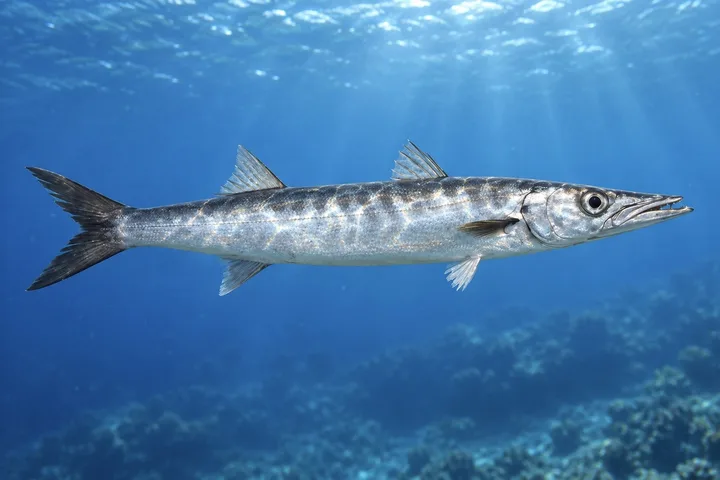
Mexican barracuda
Mexican barracuda
Sphyraena ensis
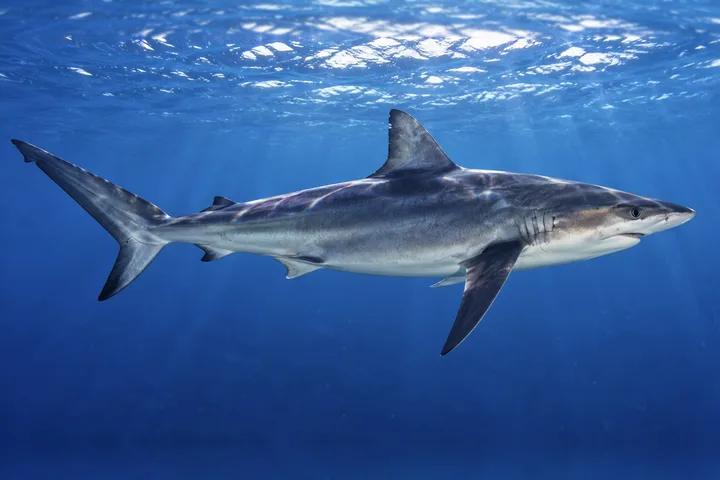
Silky shark
Silky shark
Carcharhinus falciformis
Mexican needlefish
Mexican needlefish
Tylosurus fodiator
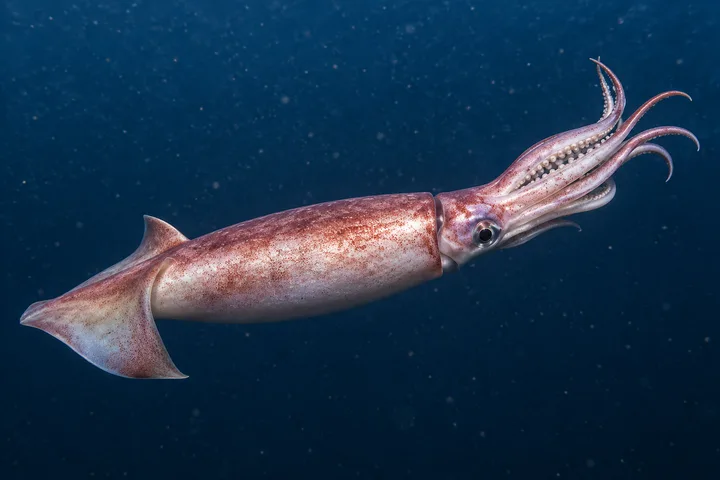
Humboldt squid
Humboldt squid
Dosidicus gigas
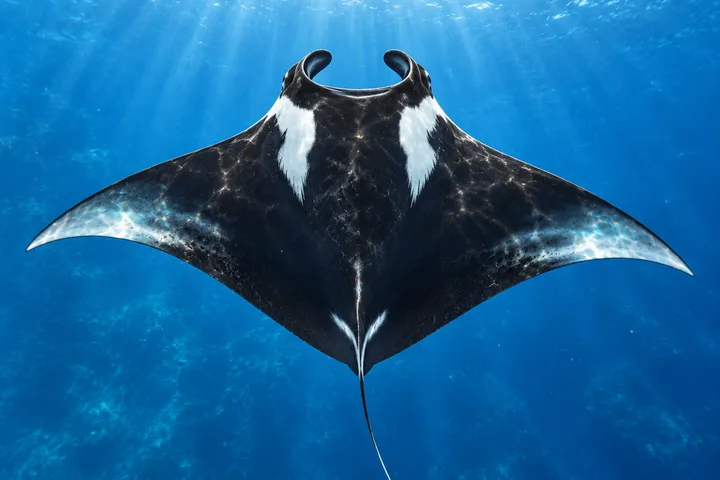
Giant manta ray
Giant manta ray
Mobula birostris
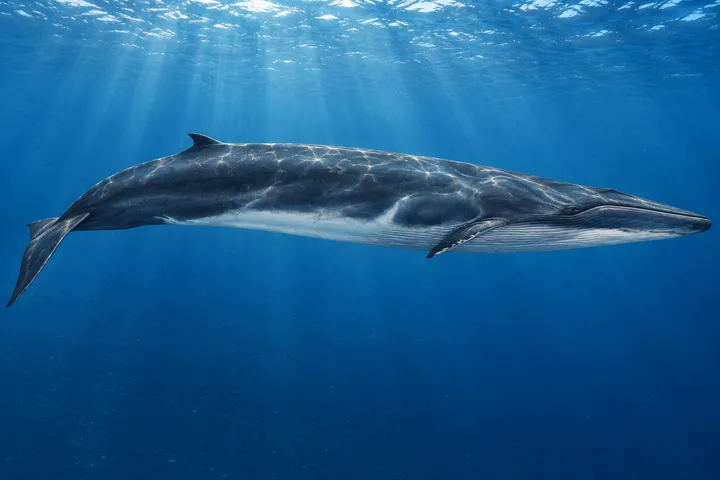
Fin whale
Fin whale
Balaenoptera physalus
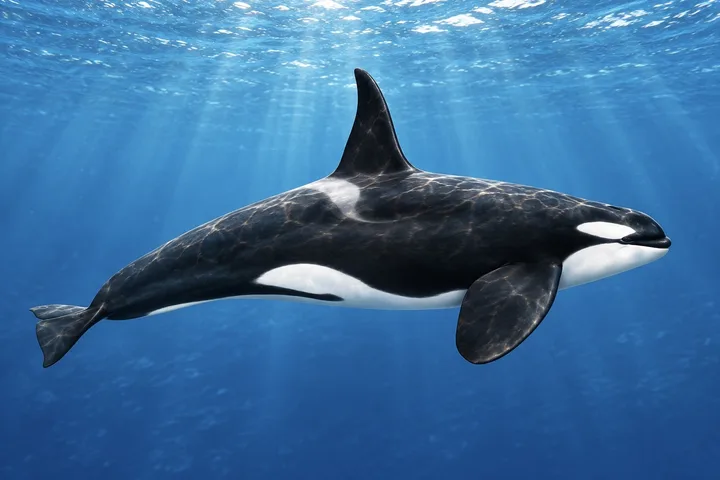
Orca (killer whale)
Orca (killer whale)
Orcinus orca
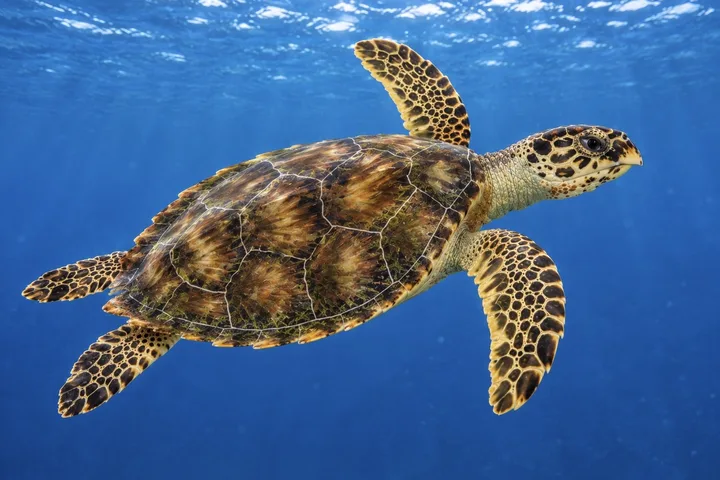
Hawksbill sea turtle (carey)
Eretmochelys imbricata
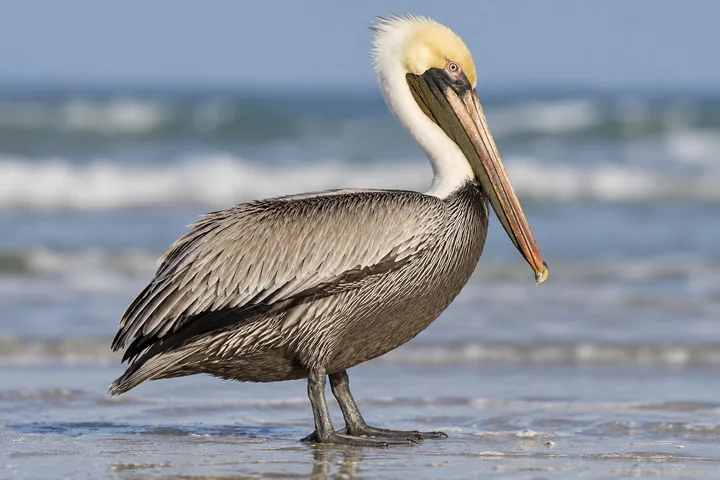
Brown pelican
Brown pelican
Pelecanus occidentalis
Magnificent frigatebird
Fregata magnificens
Shortbill spearfish
Shortbill spearfish
Tetrapturus angustirostris
Loggerhead sea turtle (caguama)
Caretta caretta
Osprey
Osprey
Pandion haliaetus
Blue-footed booby
Blue-footed booby
Sula nebouxii
Common dolphin
Common dolphin
Delphinus delphis
Oarfish
Oarfish
Regalecus russelii
Heermann’s gull
Heermann’s gull
Larus heermanni
Yellow-footed gull
Yellow-footed gull
Larus livens
Ocean sunfish
Ocean sunfish
Mola mola
Sperm whale
Sperm whale
Physeter macrocephalus
Blue spiny lobster
Blue spiny lobster
Panulirus inflatus
Chocolate clam
Chocolate clam
Megapitaria squalida
Pelagic red crab
Pelagic red crab
Grimothea planipes
Hubbs’ octopus
Hubbs’ octopus
Octopus hubbsorum
Jewel moray
Jewel moray
Muraena lentiginosa
Panamic green moray
Panamic green moray
Gymnothorax castaneus
Spinner dolphin
Spinner dolphin
Stenella longirostris
Risso’s dolphin
Risso’s dolphin
Grampus griseus
Short-finned pilot whale
Globicephala macrorhynchus
Bigeye tuna
Bigeye tuna
Thunnus obesus
Pelagic thresher
Pelagic thresher
Alopias pelagicus
Blue shark
Blue shark
Prionace glauca
Giant hawkfish
Giant hawkfish
Cirrhitus rivulatus
Pacific bonito
Pacific bonito
Sarda lineolata
Cortez angelfish
Cortez angelfish
Pomacanthus zonipectus
Talk to the family

Questions? Message the family

The Vargas family answers personally. 7 days a week, 5 AM – 6 PM Cabo time.