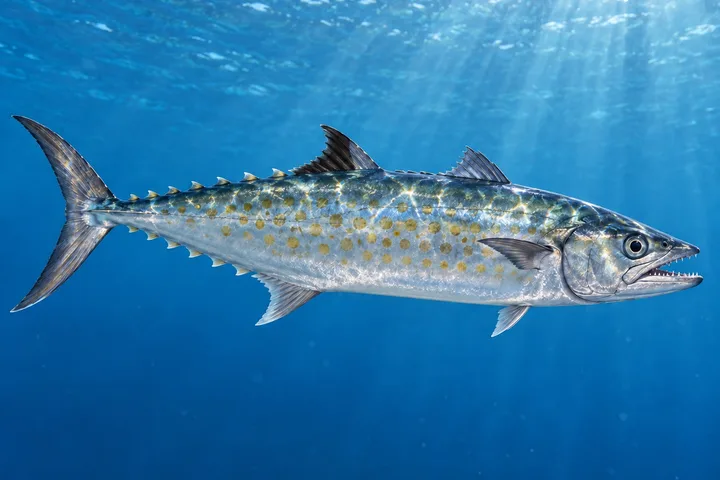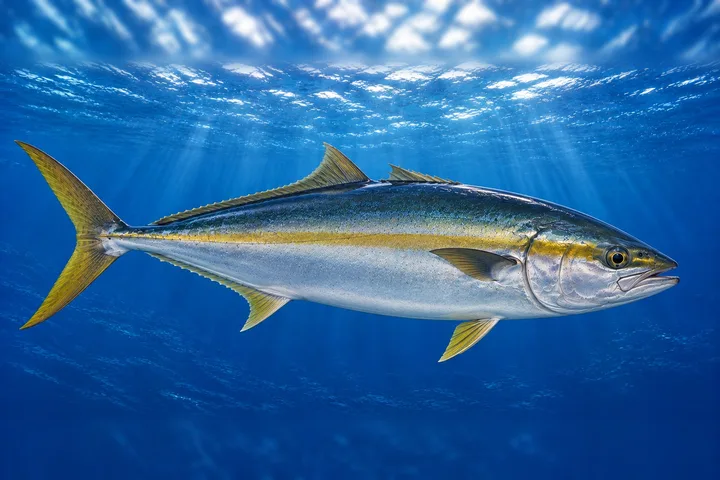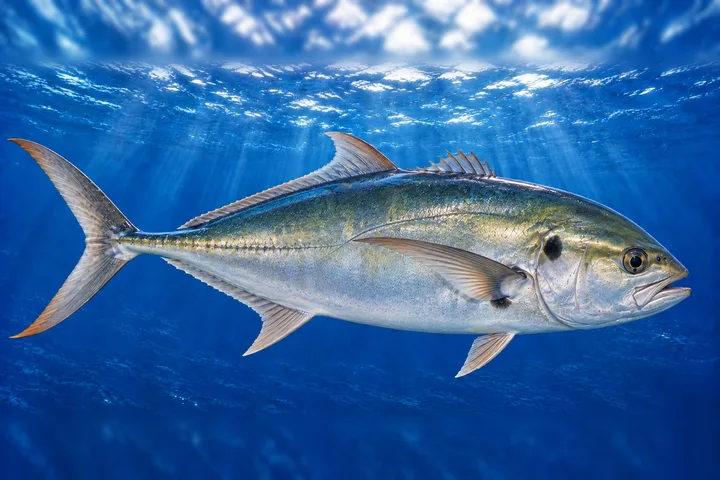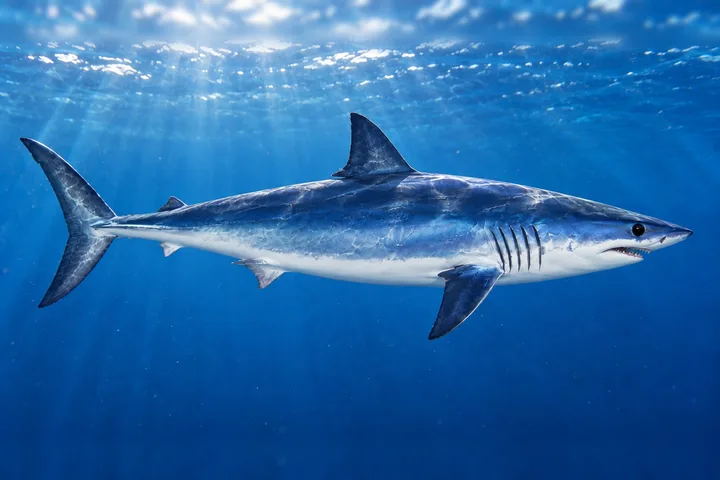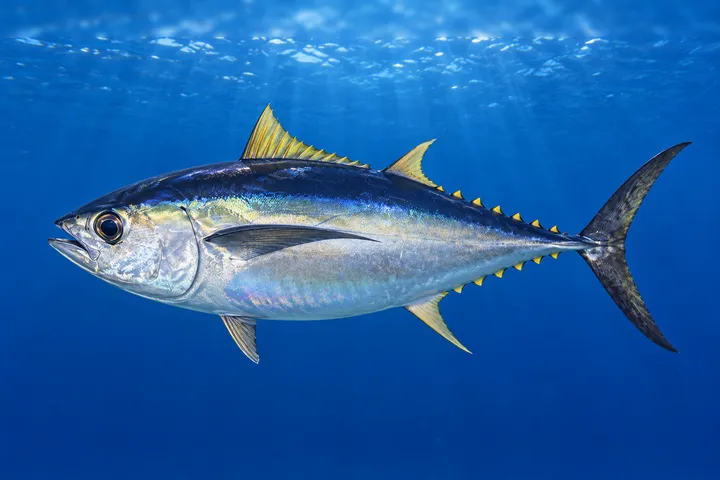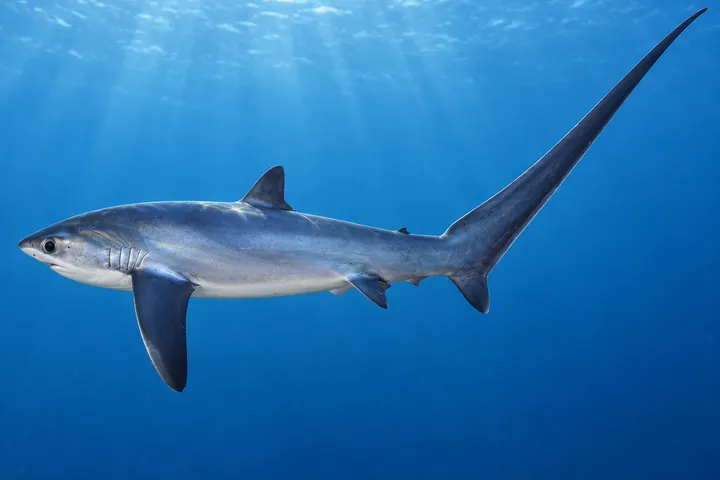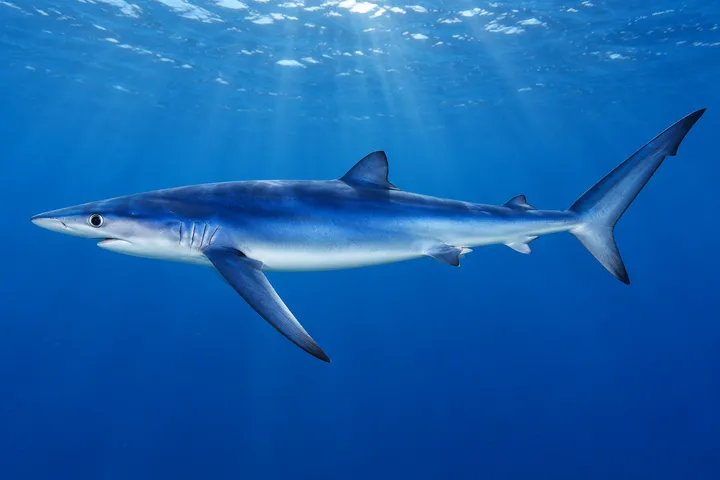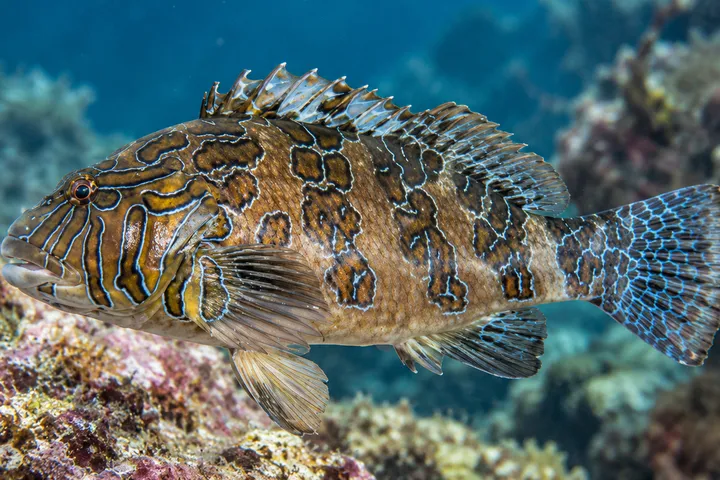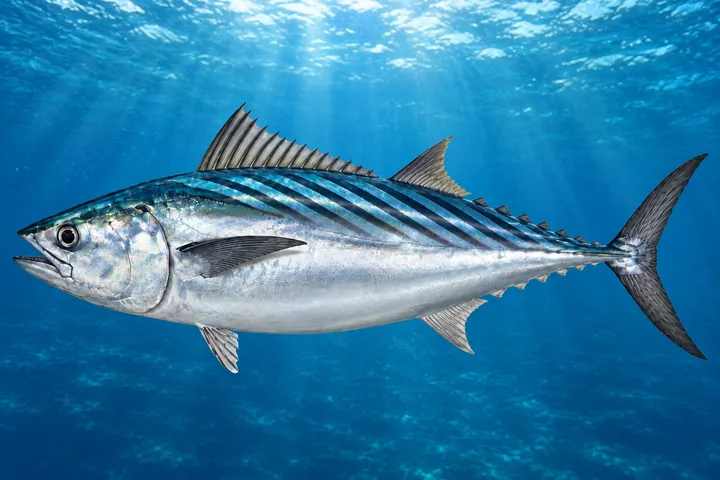
Skipjack tuna (Katsuwonus pelamis), illustration
Sport fishing Katsuwonus pelamis

Skipjack tuna in Los Cabos

The small tuna that feeds the big ones. Skipjack travel in fast schools offshore, fight hard on light tackle, and a live one is one of the best baits there is for blue marlin.

Up to 110 cmMax length (fork)
46 lb 5 ozIGFA world record
Aug – NovMost seen in Los Cabos
5 per dayLimit per angler

Season in Los Cabos

●● best months · ● regular · · occasional. Based on local fishing reports; conditions change year to year.

Tap a month to see everything biting in Cabo that month ›

How to recognize it

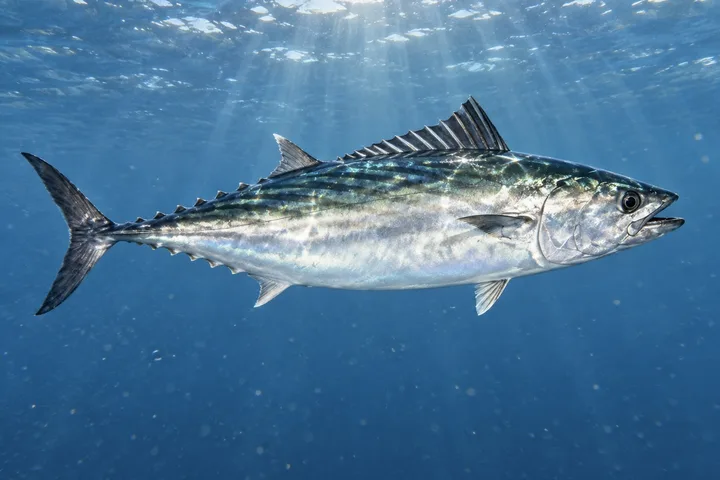
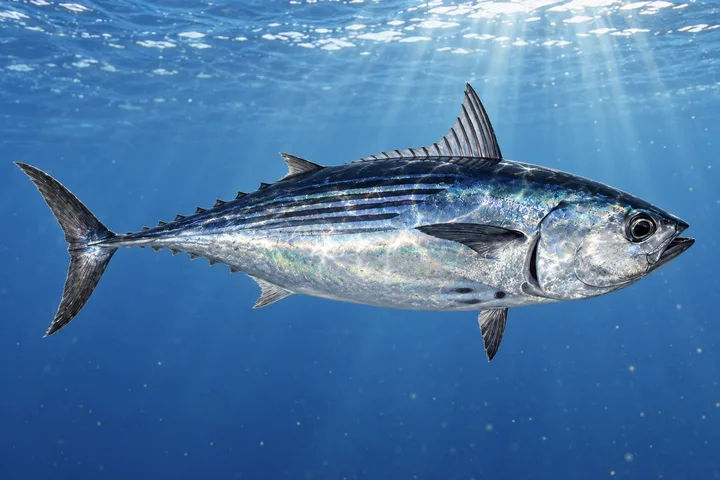
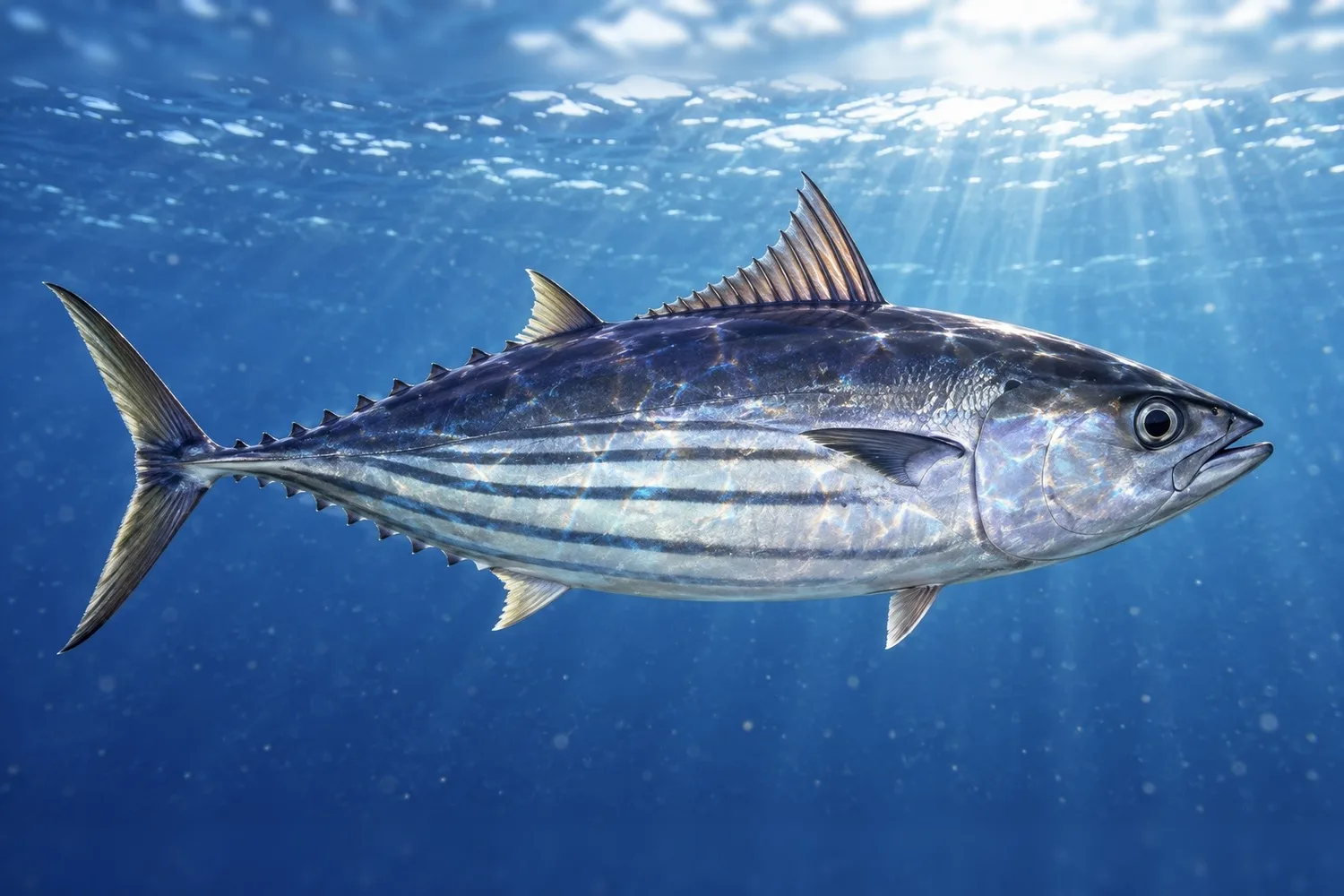
A dark purplish-blue back with no markings, silvery sides and four to six dark stripes running along the belly and lower sides. Stripes on the belly and none on the back are enough to tell it from every similar species.

Biology

Skipjack live in tropical and subtropical seas around the world, offshore, near the surface, in water of 15–30 °C. In Mexico they're found on both coasts, but not in the northern three-quarters of the Sea of Cortez. They school with birds, sharks, whales and drifting objects.

They eat small fish, crustaceans and squid, and often each other. In the tropics they spawn all year: a female can spawn almost every day, releasing 100,000 to 2 million eggs per batch, and the eggs hatch in about a day. They mature at about 41 cm (16 in), around a year and a half old, and live 8 to 12 years.

Things you probably didn't know

01

A spawning machine

In tropical waters a female can spawn almost daily, releasing up to 2 million eggs at a time. The eggs hatch in about a day.

Source ↗
02

Warmer than the sea

A tuna is not quite cold-blooded: skipjack red muscle has been measured 9.1 °C warmer than the 25.6 °C water around it.

Source ↗
03

125,000 tiny arteries

That heat is kept by a counter-current heat exchanger: in a 2 kg skipjack, about 125,000 tiny arteries run beside the same number of veins, so warm blood heats the cold blood coming in.

Source ↗
04

The hardest food in the world

Japanese katsuobushi is skipjack that has been simmered, smoked and dried until it's rock-hard, then shaved for dashi broth. It's called the hardest food in the world.

Source ↗
05

A record catch, and still healthy

Fleets landed 645,000 tonnes of skipjack in the eastern Pacific in 2024, a record, and the stock is still assessed as healthy: not overfished.

Source ↗
06

Drawn to anything floating

Skipjack gather under floating objects. In the eastern Pacific, tuna boats find them mostly under logs and drifting debris.

Source ↗

Photos

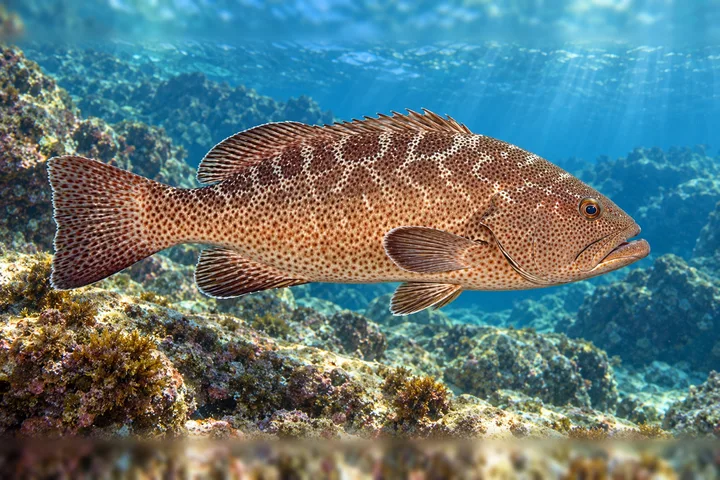
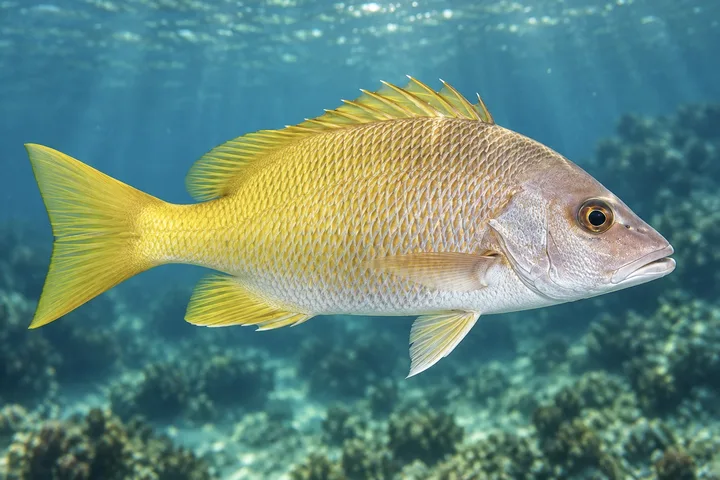
iNaturalist contributor · iNaturalist · CC0
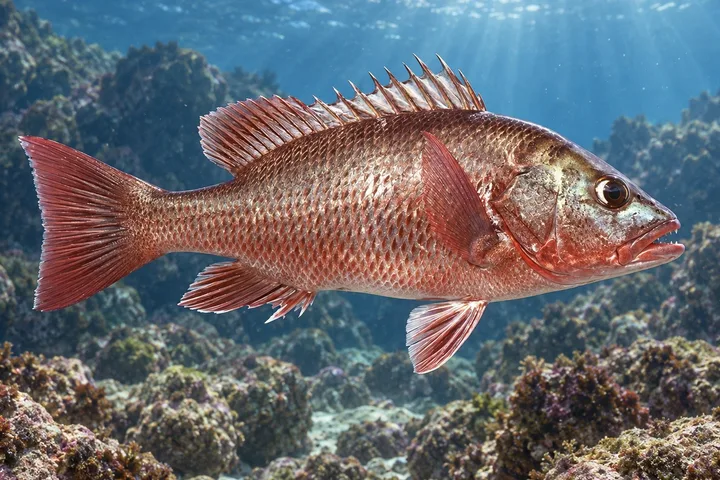
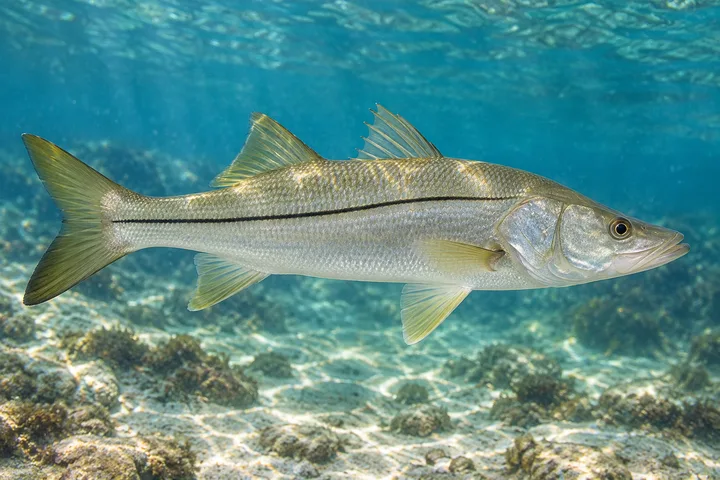
Michel Frisch · iNaturalist · CC BY 4.0
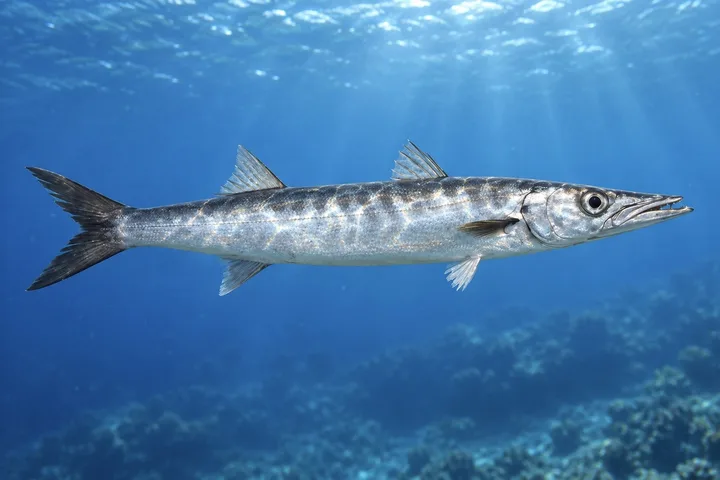
Zac Peterson · iNaturalist · CC BY 4.0
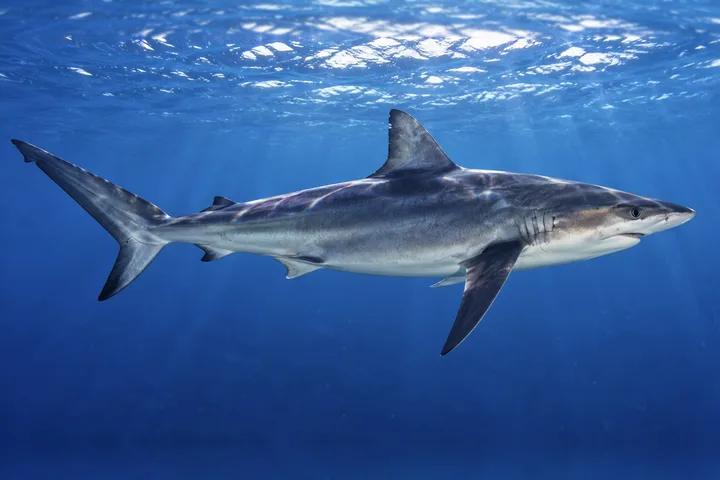
cello caruso-turiello · iNaturalist · CC BY 4.0

How it's caught in Los Cabos

Skipjack are caught trolling small feathers, plugs and spoons at speed. Around Los Cabos, local fishing reports show schools offshore mainly from late summer through fall.

For us they're as important as bait as they are as a catch: a live skipjack, slow-trolled, is one of our favorite baits for blue marlin and big yellowfin, and chunks of skipjack work on the bottom for snapper and grouper.

On the table

It has the strongest flavor of the tropical tunas, with firm, dark meat. More than 95% of the world's skipjack ends up in cans sold as "light tuna".

Rules, records & conservation

Daily limit (NOM-017-PESC-1994)Up to 5 per angler per day, within the 10-fish total
IUCN Red ListLeast Concern (2021)
Eastern Pacific stock (IATTC 2024)Not overfished
IGFA all-tackle record46 lb 5 oz (21.00 kg), La Gomera, Spain, 2020

Don't confuse it with

The black skipjack (Euthynnus lineatus, "barrilete negro") has stripes on the back, not the belly, and dark spots below the pectoral fin. The Pacific bonito (Sarda) has slanted stripes on the upper body.

Questions

What's the difference between skipjack and black skipjack?

Look at the stripes: skipjack have them on the belly and a plain back; black skipjack have them on the back.

Why do captains use skipjack as bait?

It's the natural prey of blue marlin and big tuna, and a live one swims hard and stays lively on the hook.

How many skipjack can I keep?

Up to 5 per angler per day, within the overall limit of 10 fish.

By Max VargasTop Anglers, Cabo San Lucas · international judge at big game fishing world championships · reviewed October 2026

Sources

Top illustration: Top Anglers. Photos: iNaturalist contributors, credited on each photo.

Boats for skipjack tuna

Sportfishers with the range to reach the offshore banks. From $799 with license included.

More species

Pacific sierra
Pacific sierra
Scomberomorus sierra
California yellowtail
Seriola dorsalis
Pacific crevalle jack
Caranx caninus
Shortfin mako
Shortfin mako
Isurus oxyrinchus
Leopard grouper
Leopard grouper
Mycteroperca rosacea
Colorado snapper
Colorado snapper
Lutjanus colorado
Striped bonito
Striped bonito
Sarda orientalis
Black skipjack
Black skipjack
Euthynnus lineatus
Finescale triggerfish
Balistes polylepis
Scalloped hammerhead
Sphyrna lewini
Humpback whale
Humpback whale
Megaptera novaeangliae
Gray whale
Gray whale
Eschrichtius robustus
California sea lion
California sea lion
Zalophus californianus
Whale shark
Whale shark
Rhincodon typus
Olive ridley sea turtle
Lepidochelys olivacea
Bottlenose dolphin
Bottlenose dolphin
Tursiops truncatus
Munk's devil ray (mobula)
Mobula munkiana
Swordfish
Swordfish
Xiphias gladius
Almaco jack
Almaco jack
Seriola rivoliana
Bigeye trevally
Bigeye trevally
Caranx sexfasciatus
Spotted cabrilla
Spotted cabrilla
Epinephelus analogus
Pacific dog snapper
Pacific dog snapper
Lutjanus novemfasciatus
Barred pargo
Barred pargo
Hoplopagrus guentherii
Blue whale
Blue whale
Balaenoptera musculus
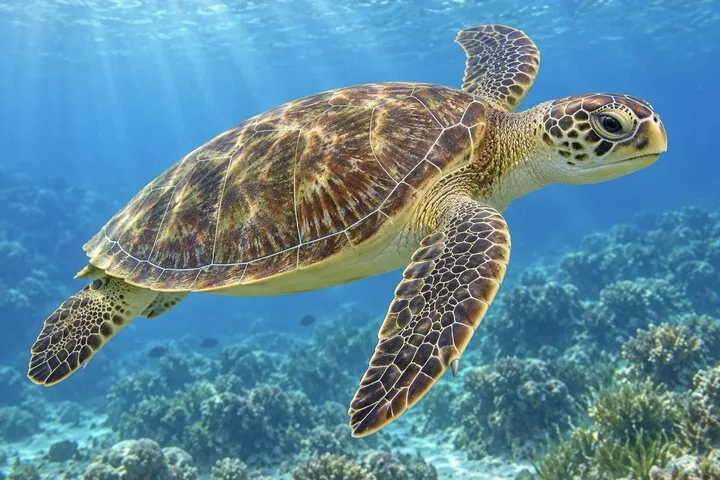
Green sea turtle (black turtle)
Chelonia mydas
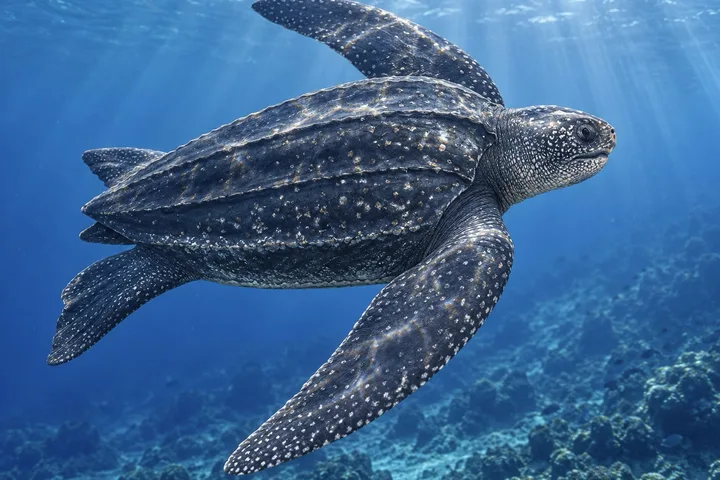
Leatherback sea turtle
Dermochelys coriacea
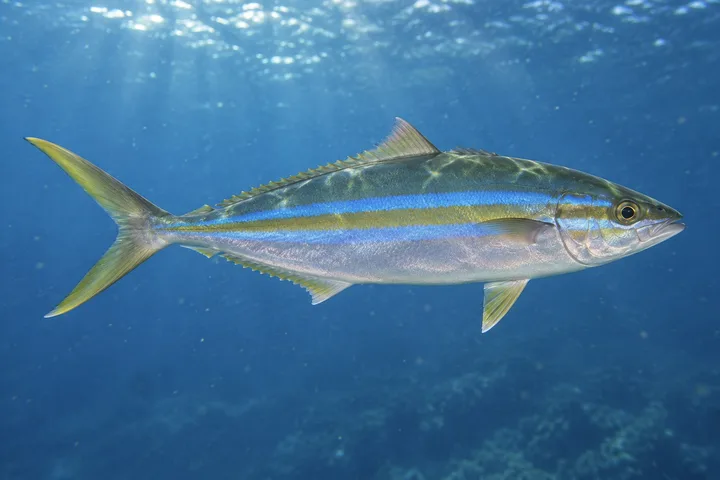
Rainbow runner
Rainbow runner
Elagatis bipinnulata
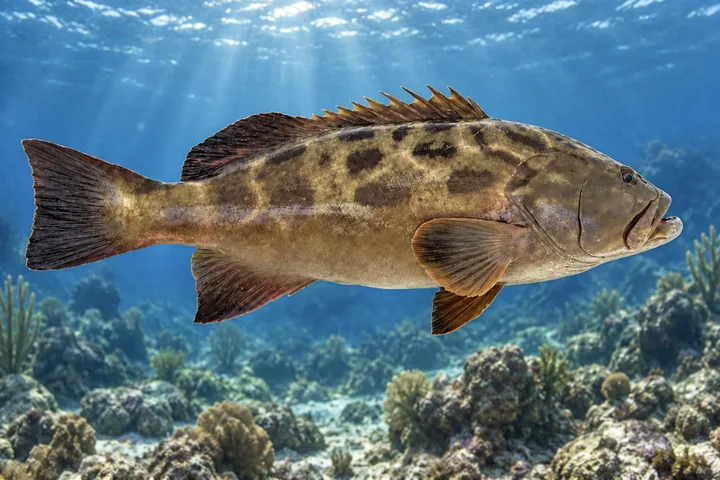
Gulf grouper
Gulf grouper
Mycteroperca jordani
Yellow snapper
Yellow snapper
Lutjanus argentiventris
Pacific white snook
Pacific white snook
Centropomus viridis
Mexican barracuda
Mexican barracuda
Sphyraena ensis
Silky shark
Silky shark
Carcharhinus falciformis
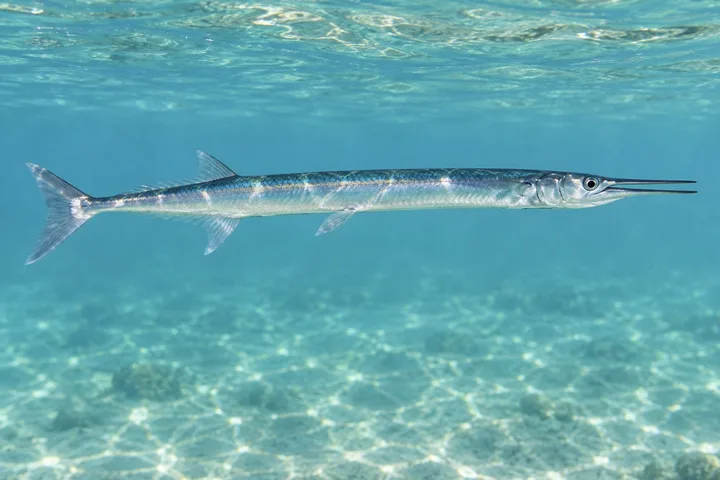
Mexican needlefish
Mexican needlefish
Tylosurus fodiator
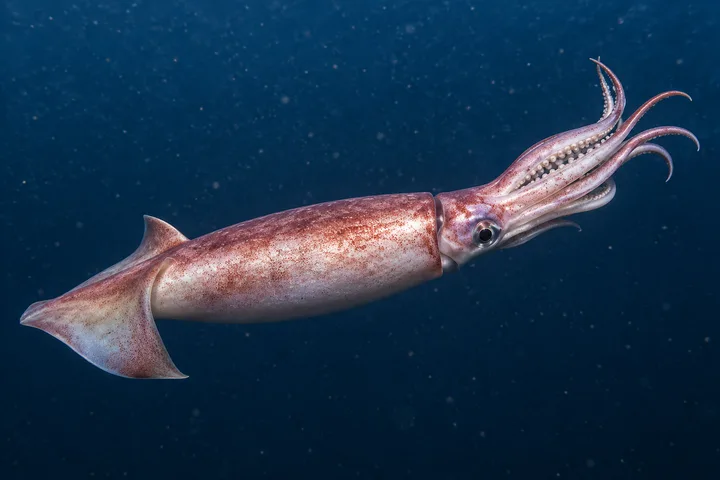
Humboldt squid
Humboldt squid
Dosidicus gigas
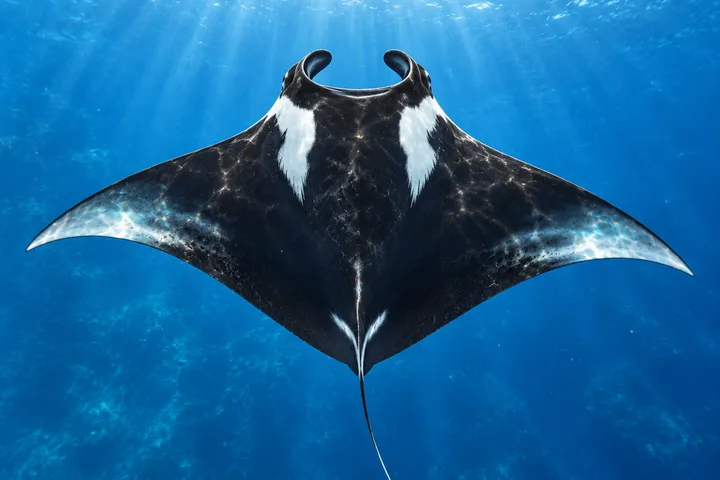
Giant manta ray
Giant manta ray
Mobula birostris
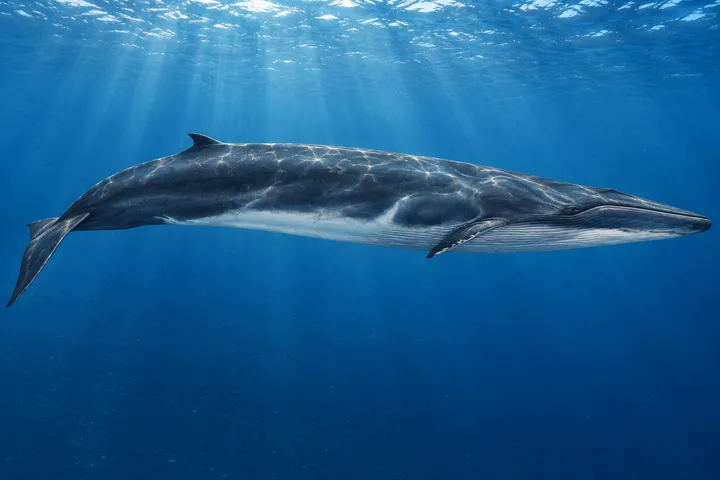
Fin whale
Fin whale
Balaenoptera physalus
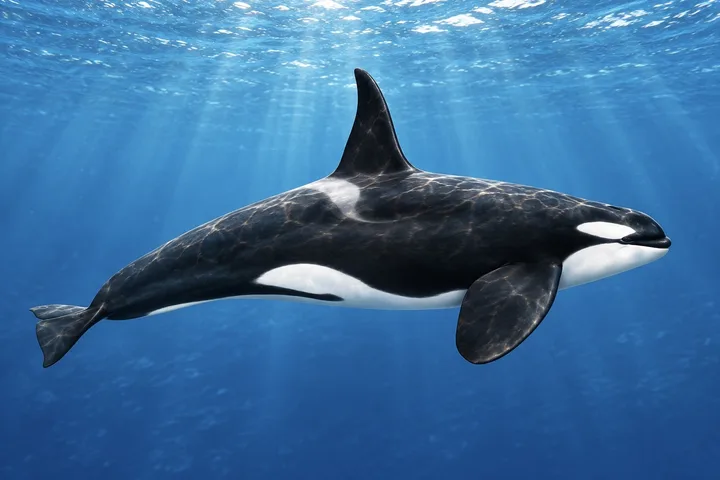
Orca (killer whale)
Orca (killer whale)
Orcinus orca
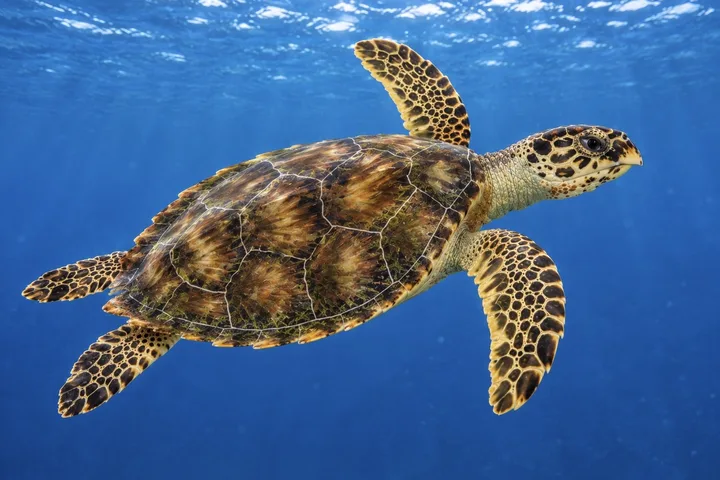
Hawksbill sea turtle (carey)
Eretmochelys imbricata
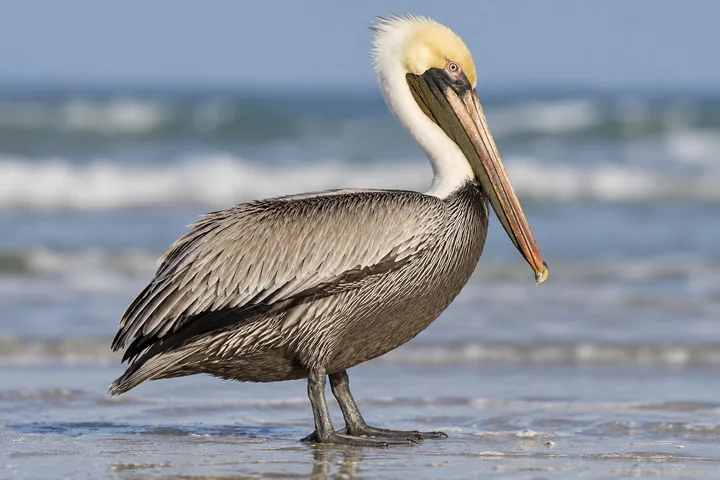
Brown pelican
Brown pelican
Pelecanus occidentalis
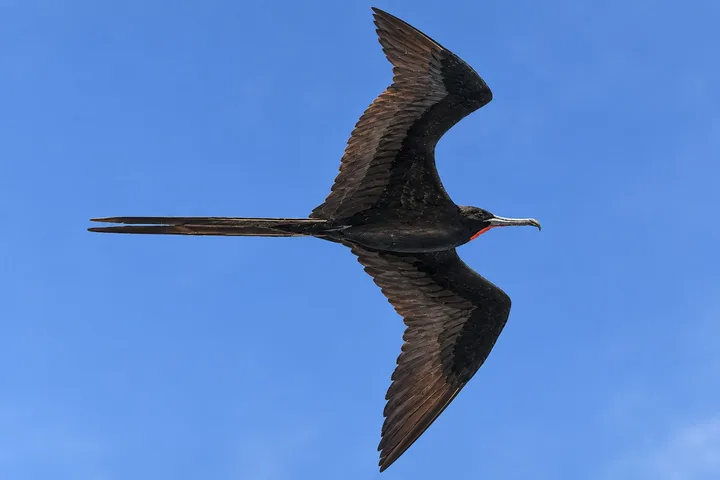
Magnificent frigatebird
Fregata magnificens
Shortbill spearfish
Shortbill spearfish
Tetrapturus angustirostris
Loggerhead sea turtle (caguama)
Caretta caretta
Osprey
Osprey
Pandion haliaetus
Blue-footed booby
Blue-footed booby
Sula nebouxii
Common dolphin
Common dolphin
Delphinus delphis
Oarfish
Oarfish
Regalecus russelii
Heermann’s gull
Heermann’s gull
Larus heermanni
Yellow-footed gull
Yellow-footed gull
Larus livens
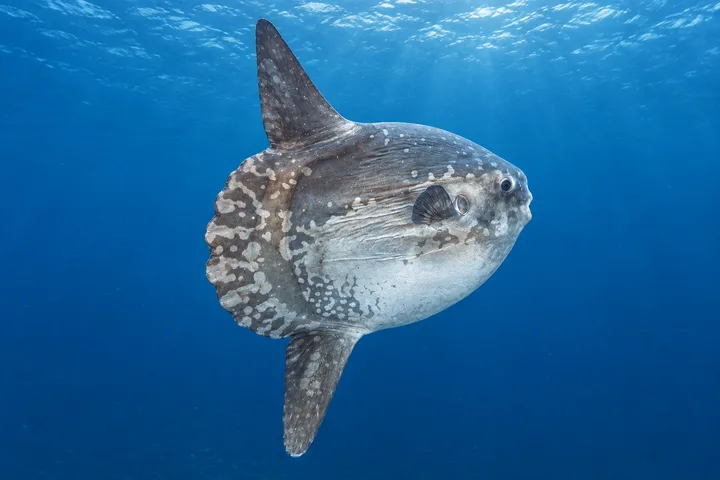
Ocean sunfish
Ocean sunfish
Mola mola
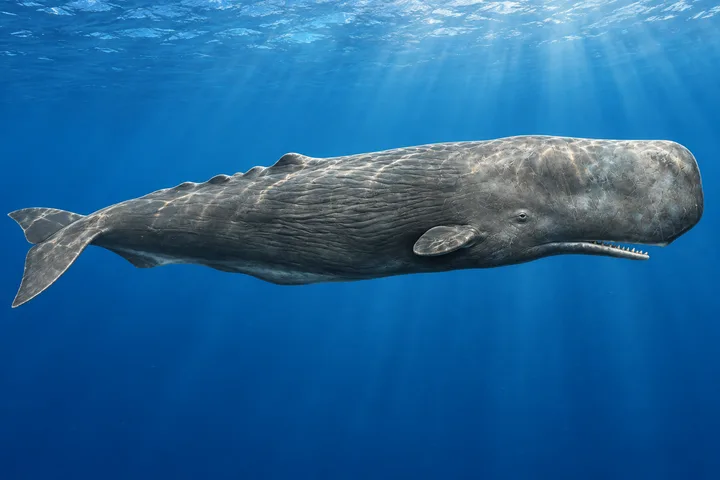
Sperm whale
Sperm whale
Physeter macrocephalus
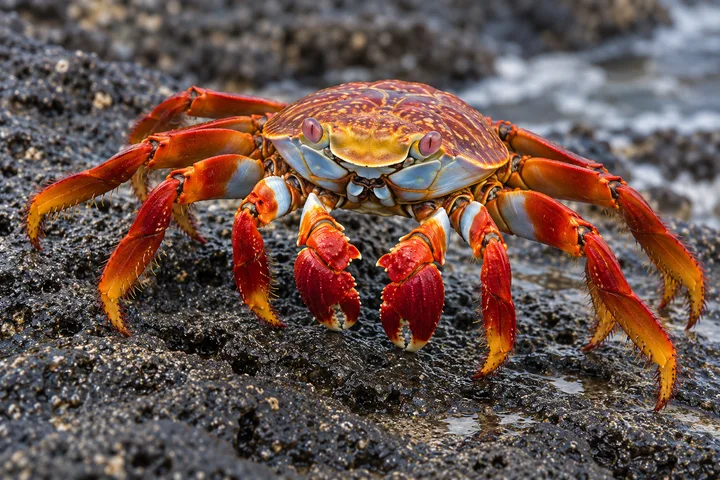
Sally Lightfoot crab
Grapsus grapsus
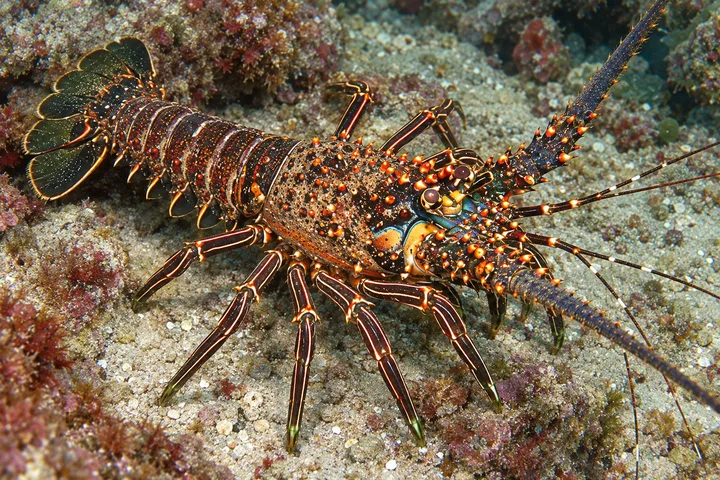
Blue spiny lobster
Blue spiny lobster
Panulirus inflatus
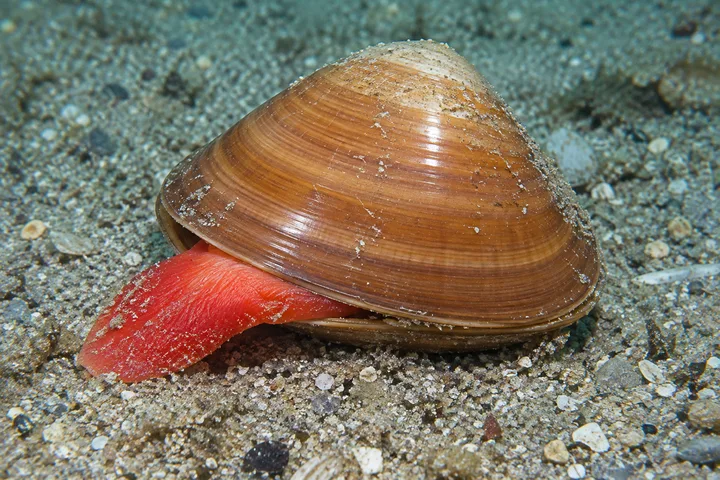
Chocolate clam
Chocolate clam
Megapitaria squalida
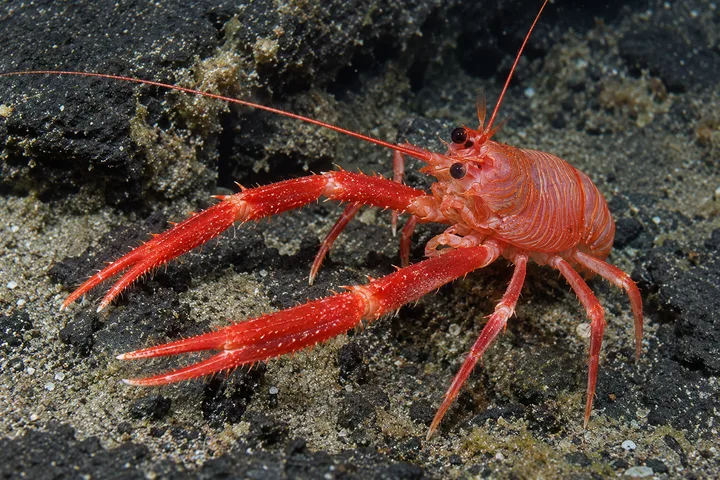
Pelagic red crab
Pelagic red crab
Grimothea planipes
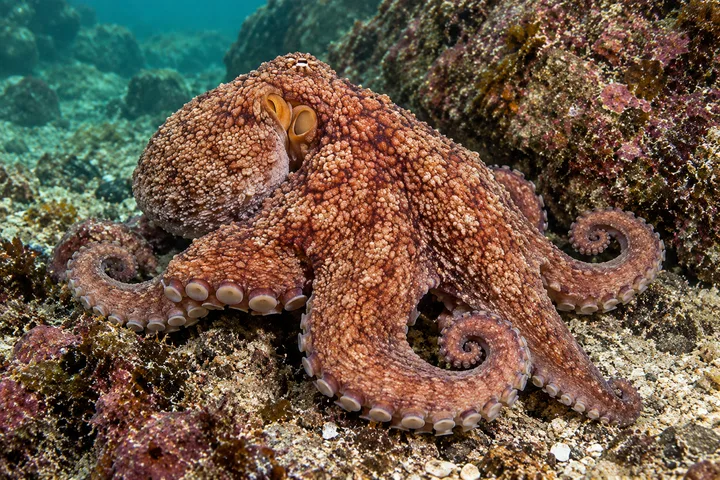
Hubbs’ octopus
Hubbs’ octopus
Octopus hubbsorum
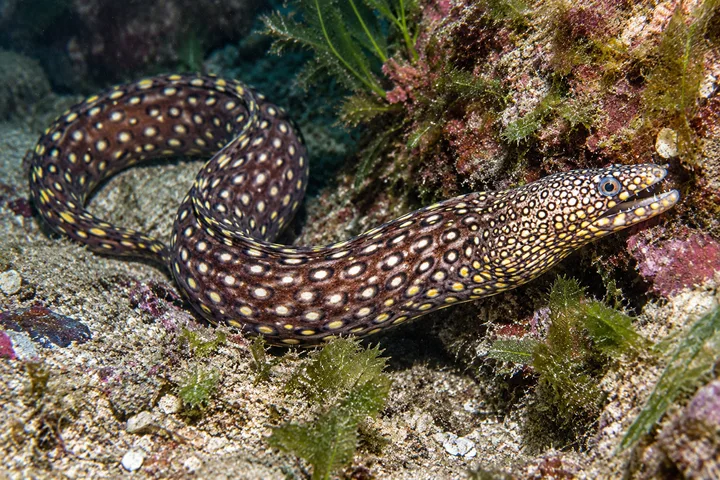
Jewel moray
Jewel moray
Muraena lentiginosa
Panamic green moray
Panamic green moray
Gymnothorax castaneus
Spinner dolphin
Spinner dolphin
Stenella longirostris
Risso’s dolphin
Risso’s dolphin
Grampus griseus
Short-finned pilot whale
Globicephala macrorhynchus
Bigeye tuna
Bigeye tuna
Thunnus obesus
Pelagic thresher
Pelagic thresher
Alopias pelagicus
Blue shark
Blue shark
Prionace glauca
Giant hawkfish
Giant hawkfish
Cirrhitus rivulatus
Pacific bonito
Pacific bonito
Sarda lineolata
Cortez angelfish
Cortez angelfish
Pomacanthus zonipectus
Talk to the family

Questions? Message the family

The Vargas family answers personally. 7 days a week, 5 AM – 6 PM Cabo time.