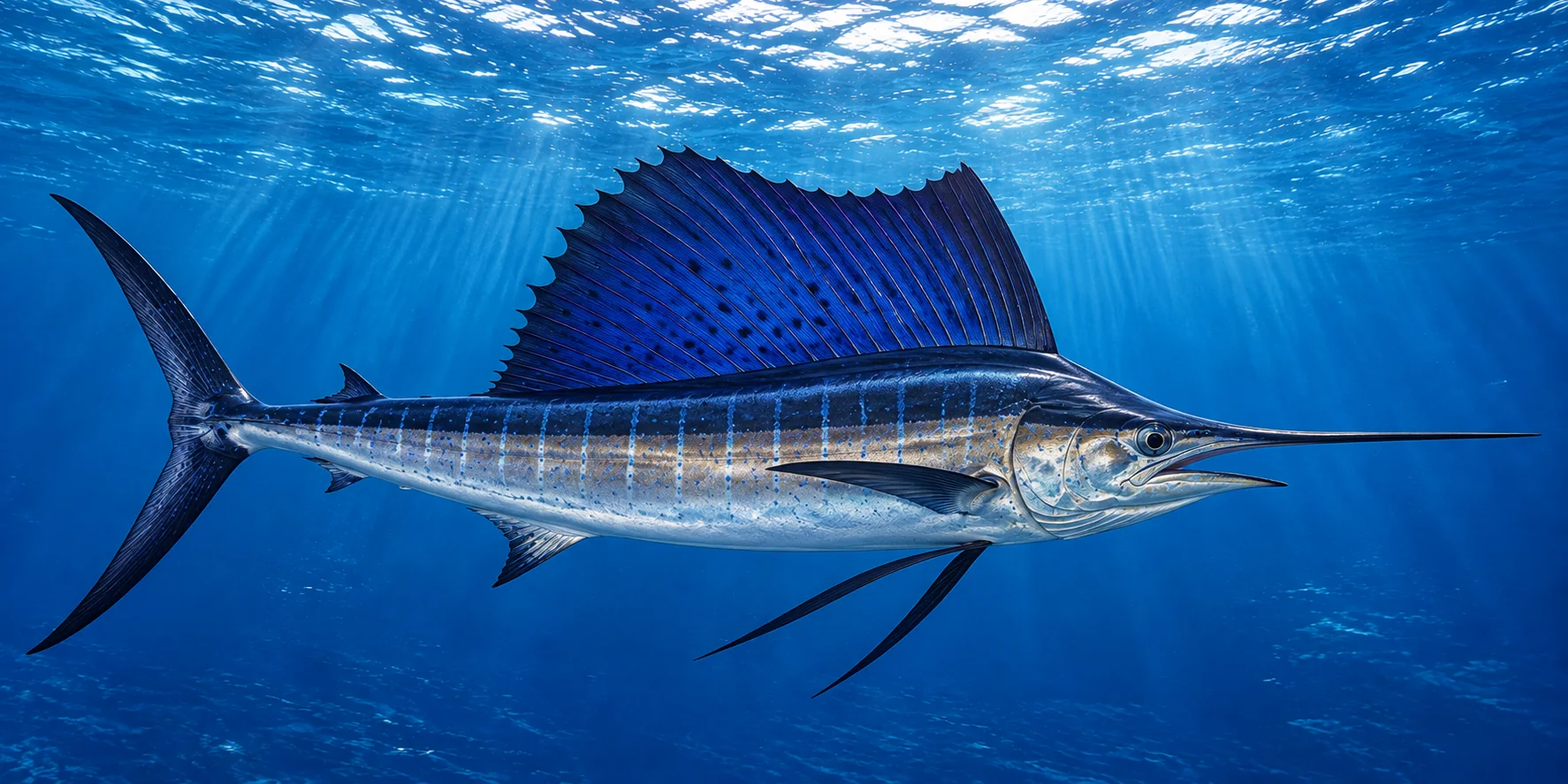
Pacific Sailfish in Cabo San Lucas
Often called the fastest fish in the ocean. Sailfish are the most acrobatic of all billfish — their enormous sail-like dorsal fin, electric blue coloring, and explosive aerial displays make them one of the most visually spectacular catches in sport fishing.
When to fish for pacific sailfish
Peak season in Cabo San Lucas: August through October.
| Species | Jan | Feb | Mar | Apr | May | Jun | Jul | Aug | Sep | Oct | Nov | Dec | Peak |
|---|---|---|---|---|---|---|---|---|---|---|---|---|---|
| Pacific Sailfish | Some | Off | Off | Off | Some | Some | Good | Peak | Peak | Peak | Good | Some | Aug–Oct |
PeakGoodSomeOff
Month by month: everything biting in Cabo ›How to tell Cabo’s billfish apart ›
Biology
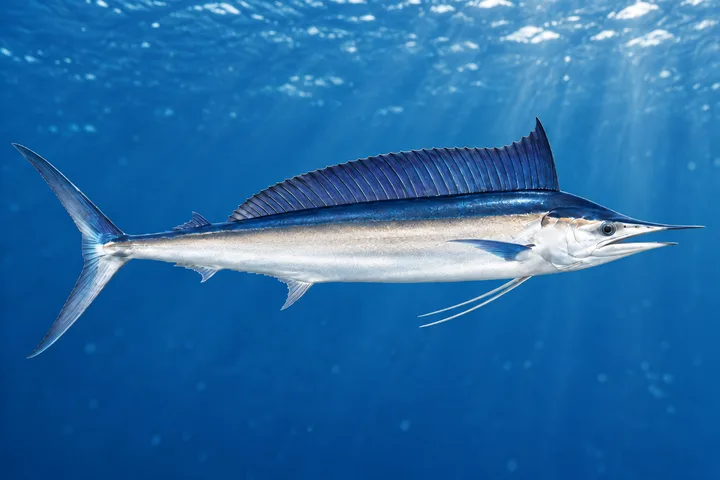
The Pacific sailfish is instantly recognizable by its enormous dorsal fin ('sail') that can be raised and lowered. When raised, it serves as a herding mechanism to corral baitfish. The sail also changes color rapidly — from electric blue to silver — as a communication signal.
Sailfish are often called the fastest fish in the ocean. The famous 68 mph (110 km/h) figure comes from an old, informal measurement of a hooked fish; studies with modern tracking have measured much lower speeds, though few fish accelerate as quickly. They use their bill to slash through schools of baitfish, stunning prey before circling back to feed on the injured fish.
In Cabo, sailfish arrive with the summer warm water and overlap with the blue marlin season. They are most abundant from August through October and are a prime light-tackle target.
Taxonomy
| Order | Istiophoriformes |
|---|---|
| Family | Istiophoridae |
| Genus | Istiophorus |
| Species | I. platypterus (Shaw, 1792) |
| Common names | Pacific sailfish, Indo-Pacific sailfish, pez vela (Spanish), bayonet fish |
| Lifespan | Approximately 10–13 years |
| Diet | Sardines, anchovies, squid, mackerel, flying fish |
| Habitat | Tropical and subtropical waters of the Indian and Pacific Oceans. Typically found in the upper water column near the surface. |
How we fish for them
Live Bait Trolling
Most Effective. Live sardines or caballito slow-trolled near the surface on circle hooks. Sailfish are aggressive surface feeders and will often light up (change color) before striking. Tackle: 20–30 lb class spinning or conventional.
Fly Fishing
Ultimate Sport. Sailfish are considered the ultimate billfish-on-fly target due to their smaller size, surface orientation, and aggressive nature. Teasers bring the fish in close, then a large streamer fly is cast. 10–12 weight fly rods.
Kite Fishing
Specialized. A fishing kite suspends live bait on the surface, keeping it struggling in a natural presentation. This technique is devastatingly effective for sailfish but requires specialized equipment not all boats carry.
Records & sizes
Igfa All-Tackle World Record: 221 lb. Caught by Carl Stewart on February 12, 1947 off Santa Cruz Island, Ecuador. The oldest standing billfish record in IGFA history.
Typical Good Catch: 60-120 lb. Sailfish in Cabo typically weigh 60 to 120 pounds. While smaller than marlin, their speed and acrobatics make them one of the most exciting species on light tackle.
Top Speed: ~68 mph. The widely quoted figure, from an informal measurement of a hooked fish. Scientific measurements have been much lower, but sailfish are among the quickest fish to accelerate.
Maximum Recorded Length: ~11 ft (3.4 m). Approximate maximum total length. Cabo pacific sailfish typically measure smaller.
Record source: IGFA world records.
Conservation & rules
Mexican sportfishing rules (NOM-017-PESC-1994) allow one billfish per angler per day; in Cabo we follow a local rule of one billfish per boat per day, and Top Anglers strongly encourages catch and release. Sailfish are relatively hardy and have high post-release survival rates when handled properly.
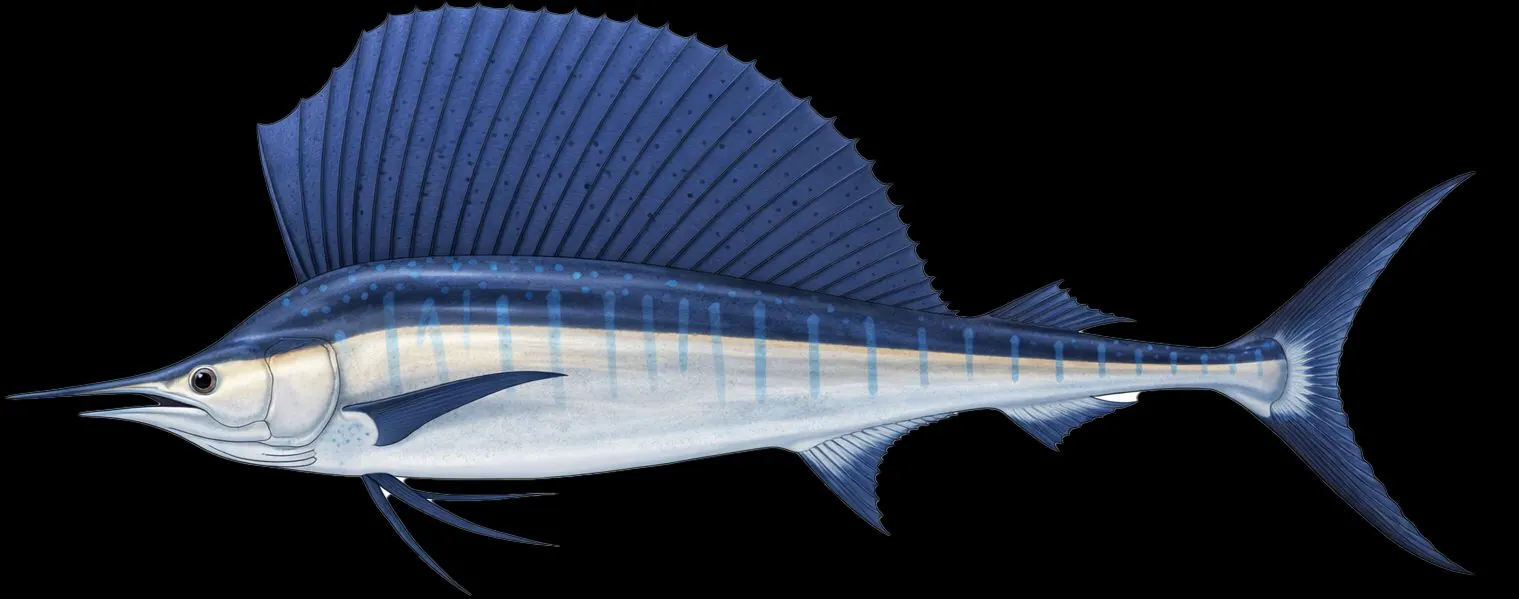
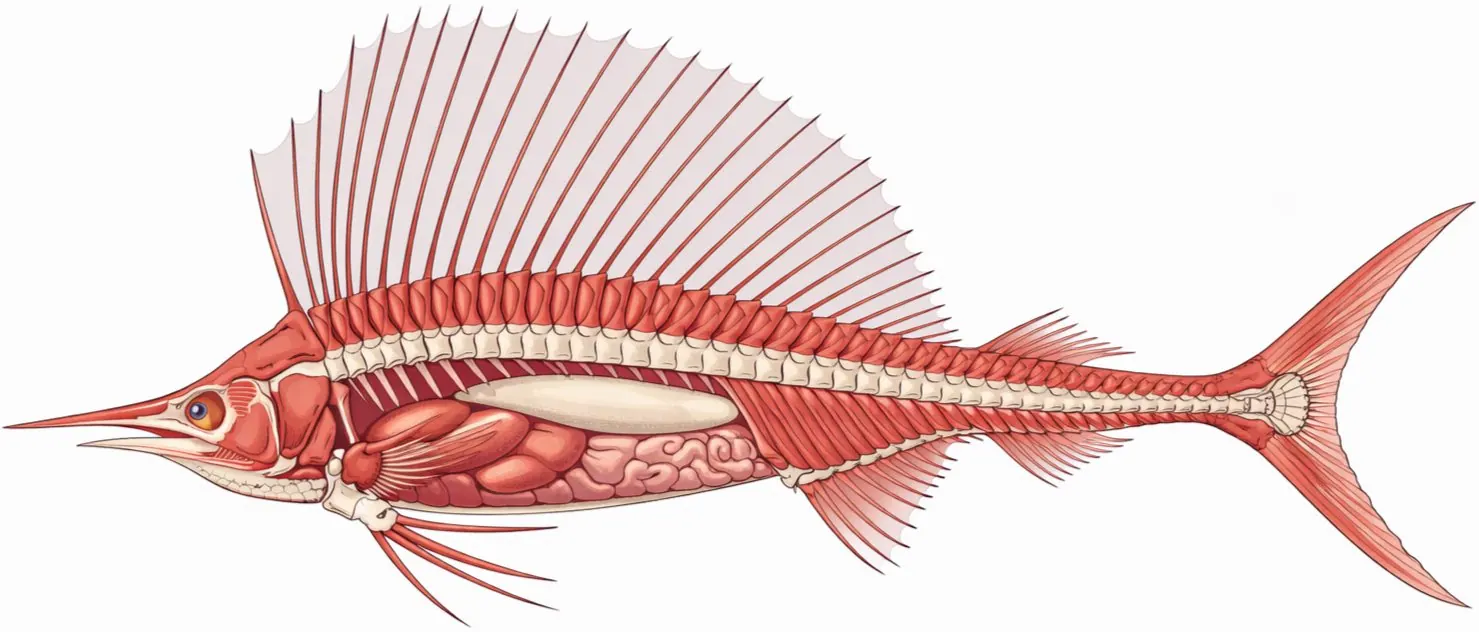
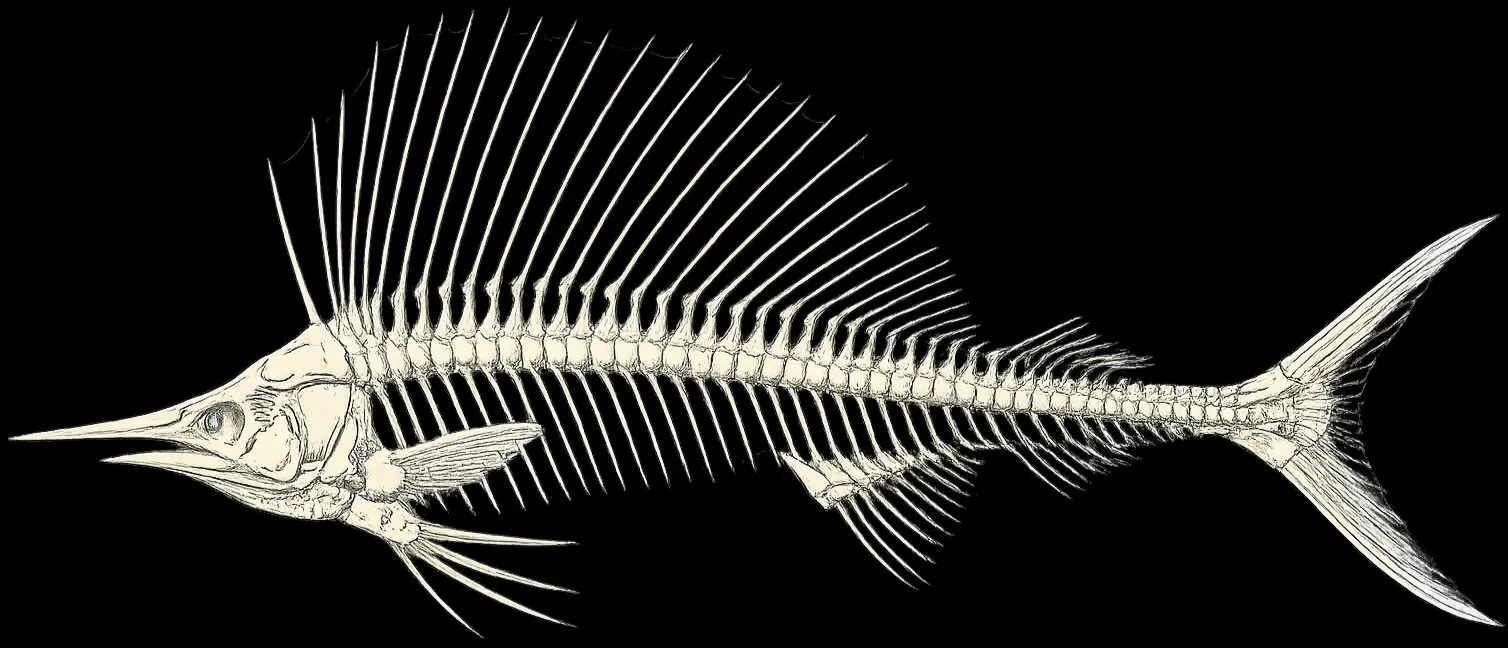
Anatomy
Questions
Can you keep sailfish in Cabo?
Mexican sportfishing rules allow one billfish per angler per day, including sailfish, and in Cabo we follow a local rule of one billfish per boat per day to protect the species. However, Top Anglers strongly encourages catch and release for all billfish. We use circle hooks and careful handling techniques to maximize survival rates after release.
When is sailfish season in Cabo?
Pacific sailfish are most abundant in Cabo from August through October, during the warm-water season; Gordo Banks reports list them in more than 80% of weekly reports in those months. They prefer water temperatures between 75°F and 82°F and are typically found near the surface.
Are sailfish really the fastest fish?
Maybe. The 68 mph (110 km/h) figure you often see comes from a single informal measurement of a hooked fish, not a controlled study, and scientists using modern tracking have recorded much slower speeds. What is not in doubt is their acceleration, their aerial acrobatics and the spectacle of the raised sail, which make them one of the most exciting catches on light tackle.
Photos
Other species in Cabo
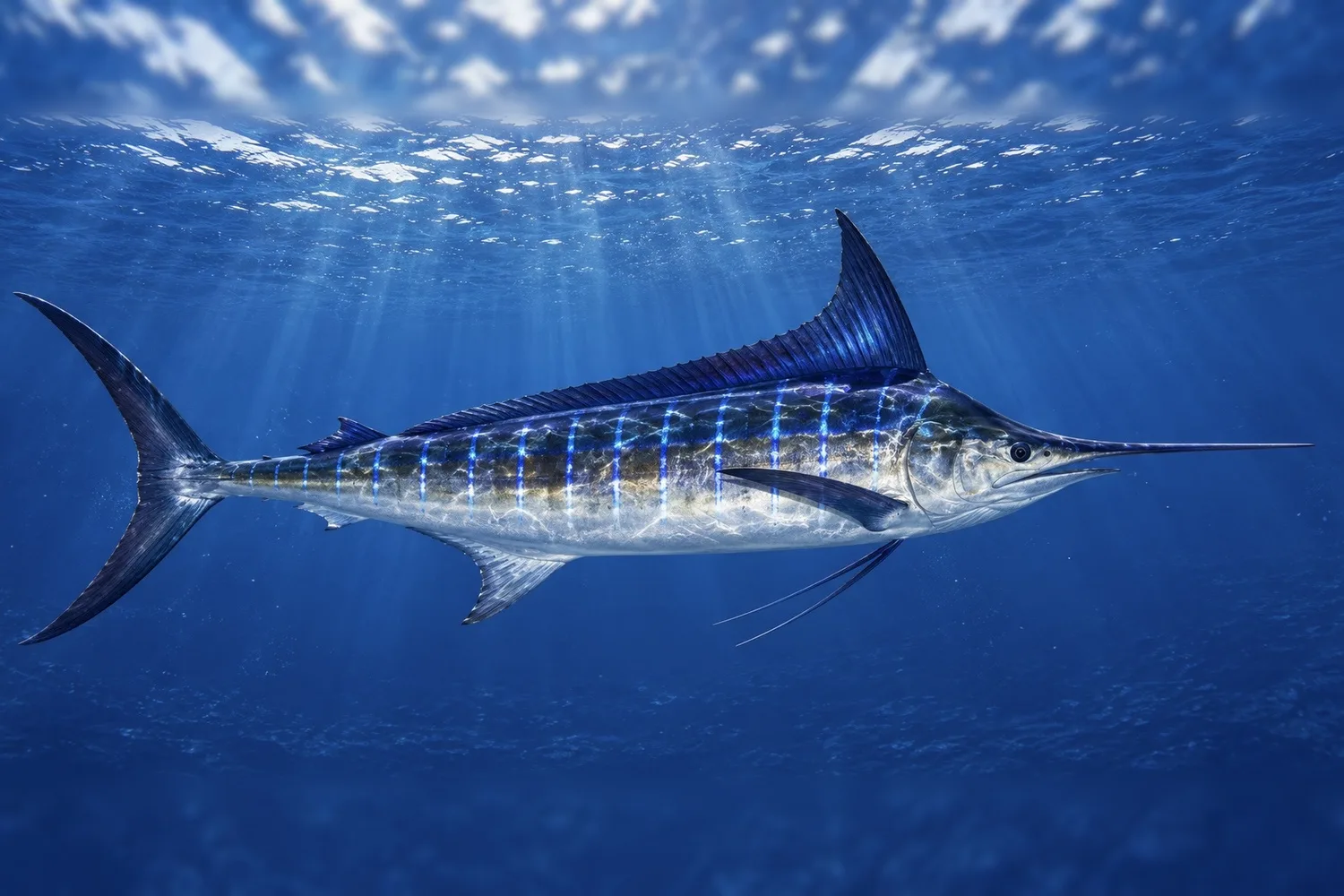
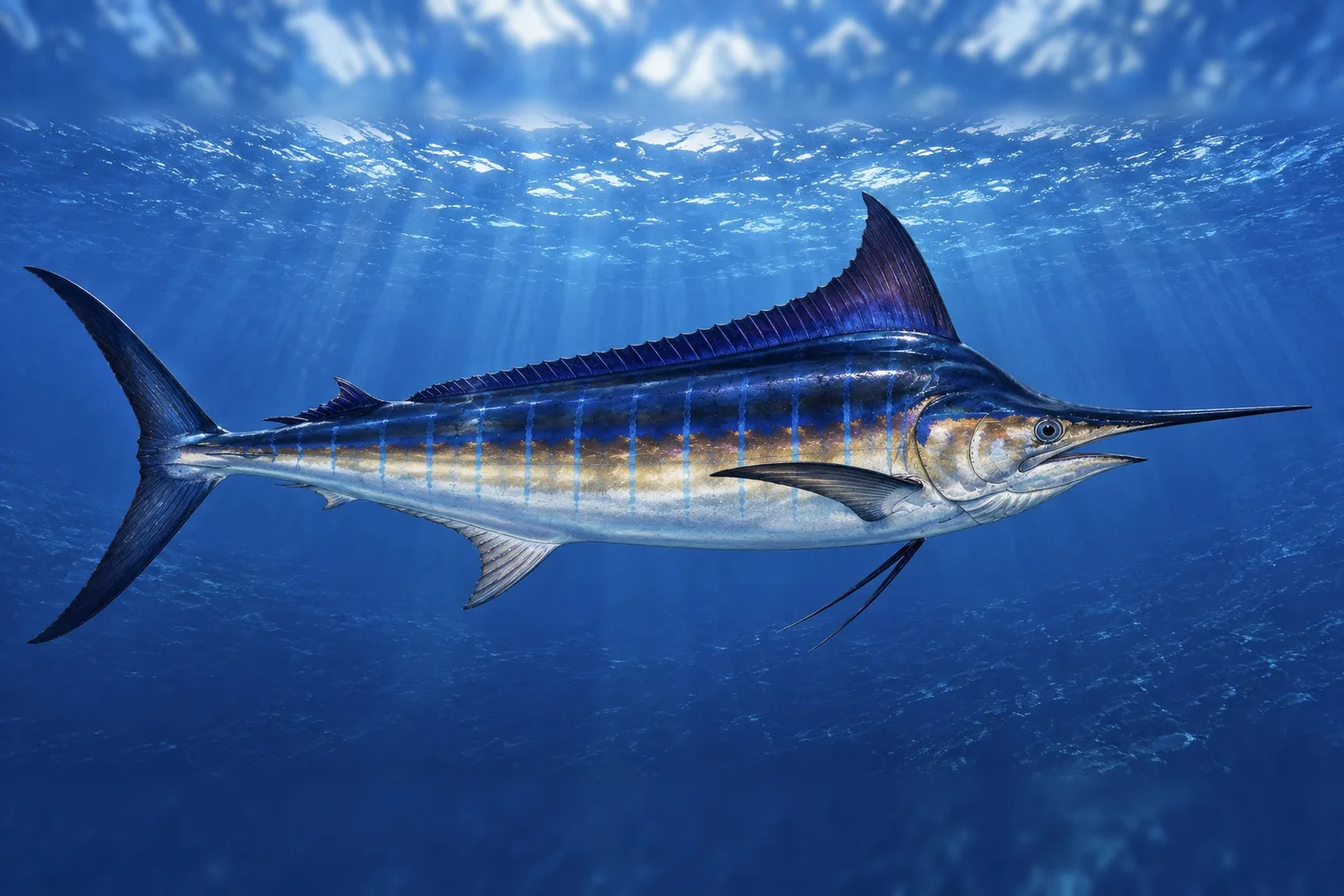
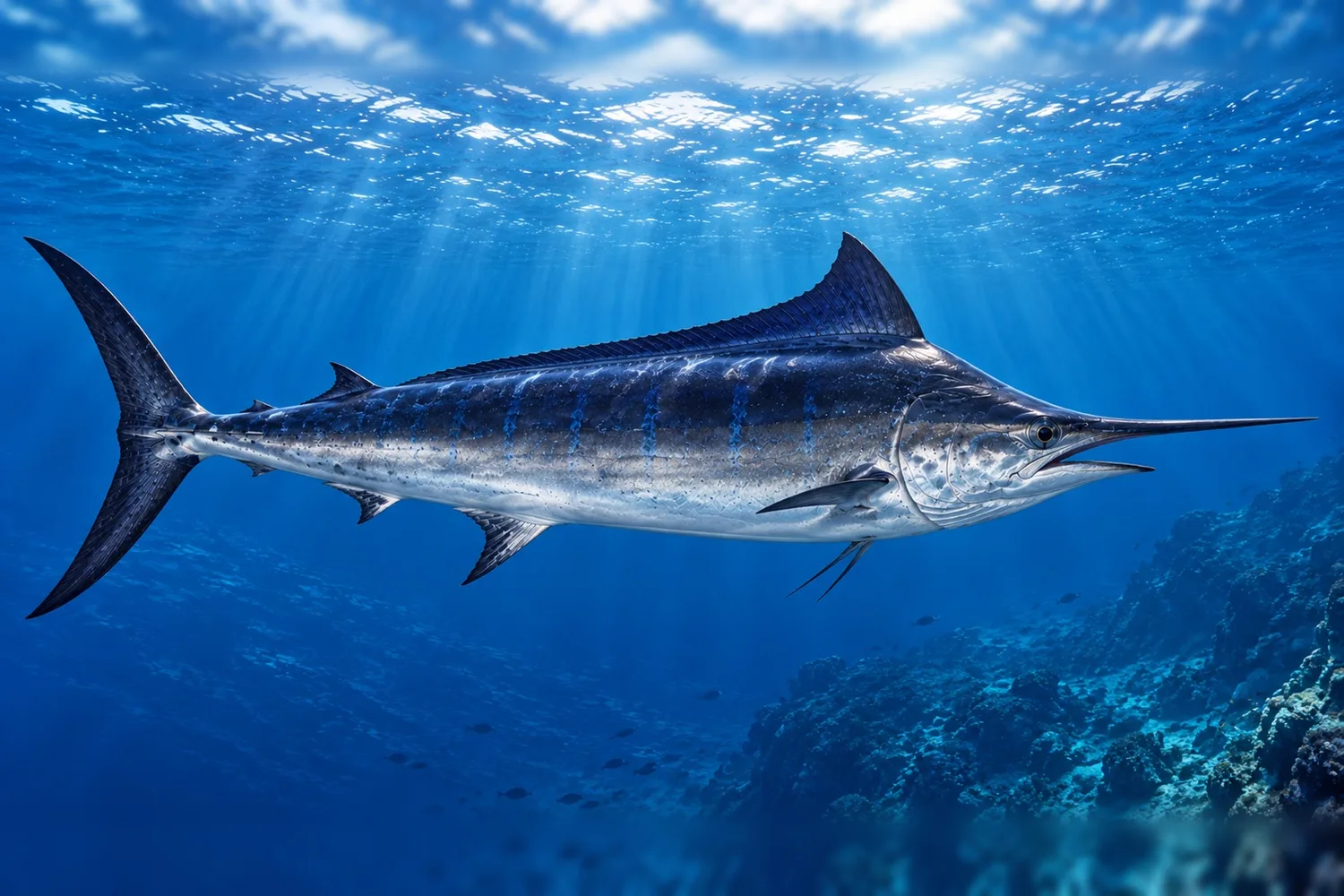
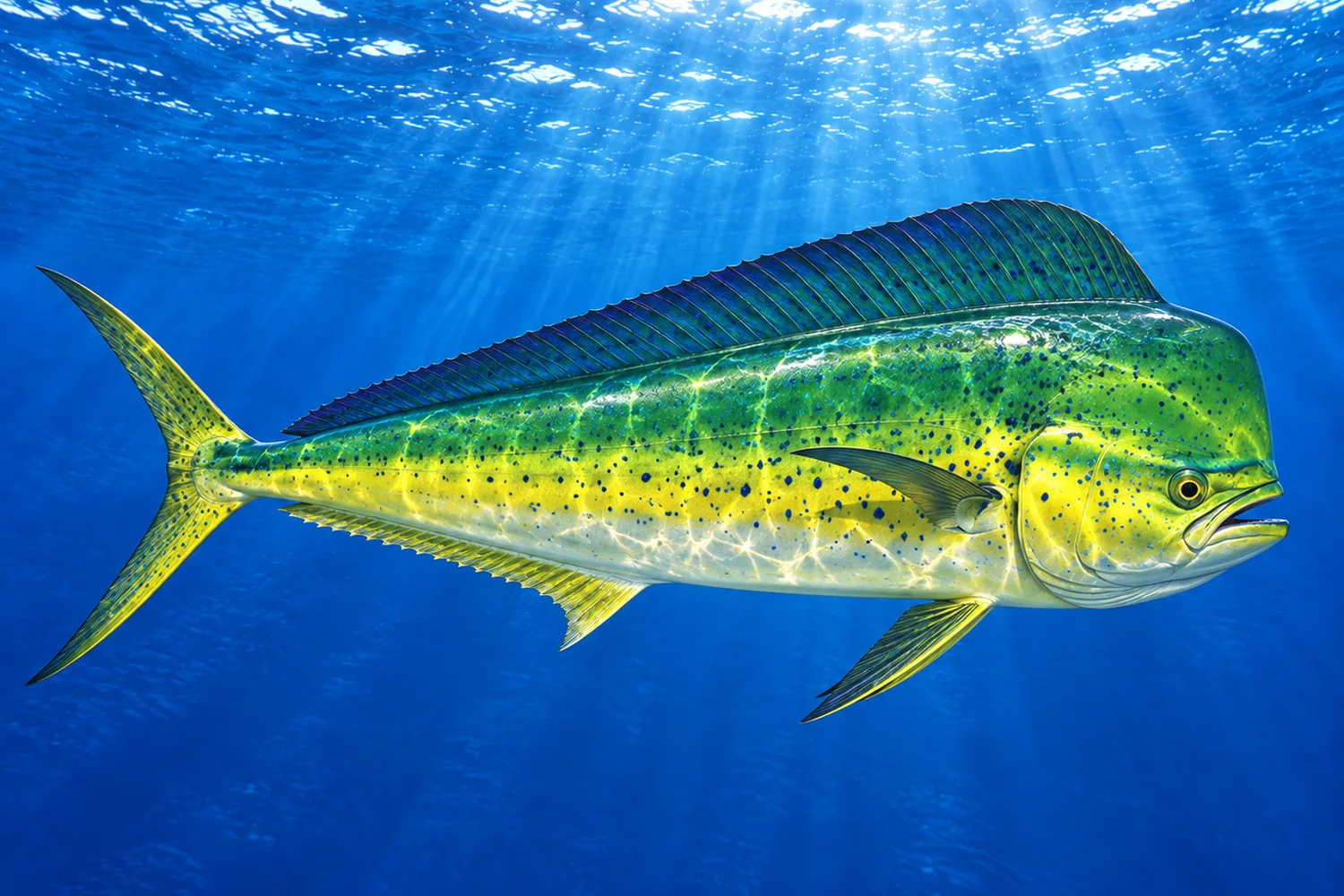
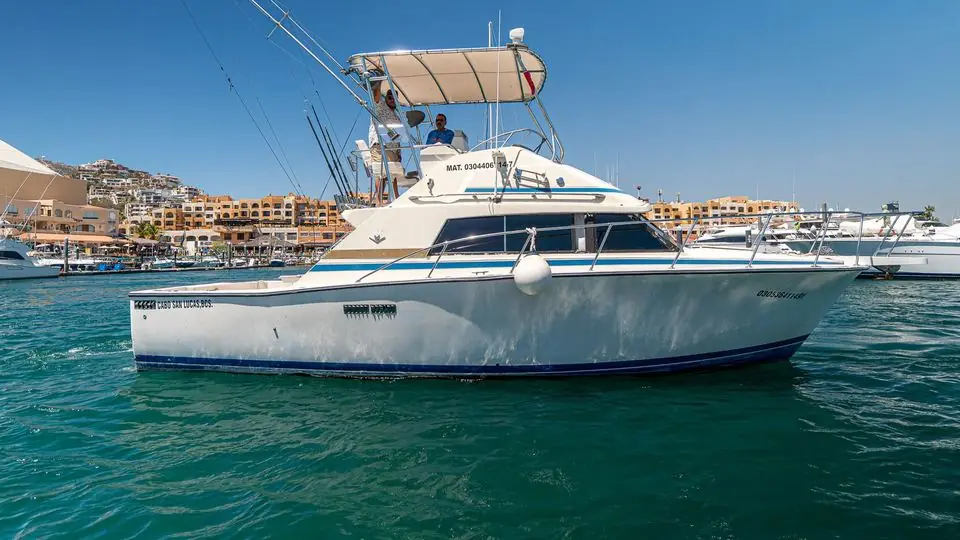
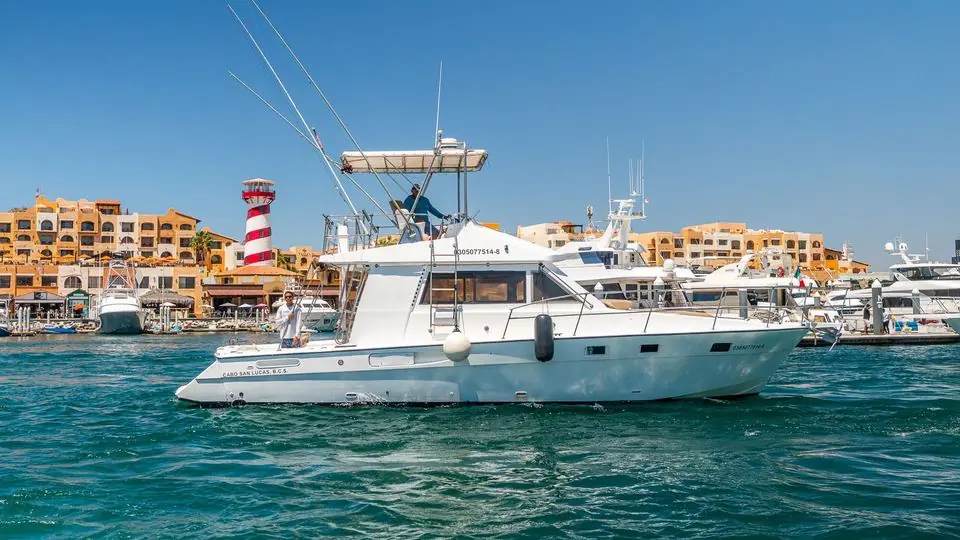
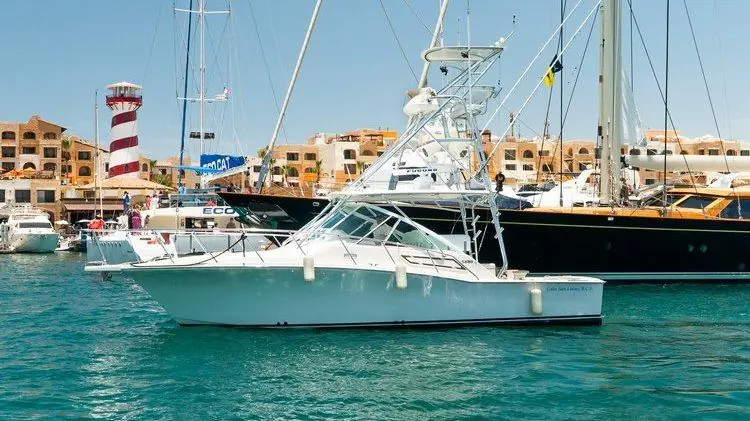
Boats for pacific sailfish
Offshore sportfishers with the range to reach the banks. From $1,174 with license included.