Bulgy-sided, flat-footed
When William Stimpson named it in 1860 he was joking: Pleuroncodes planipes translates as “bulgy-sided crab with flat feet.”
Source ↗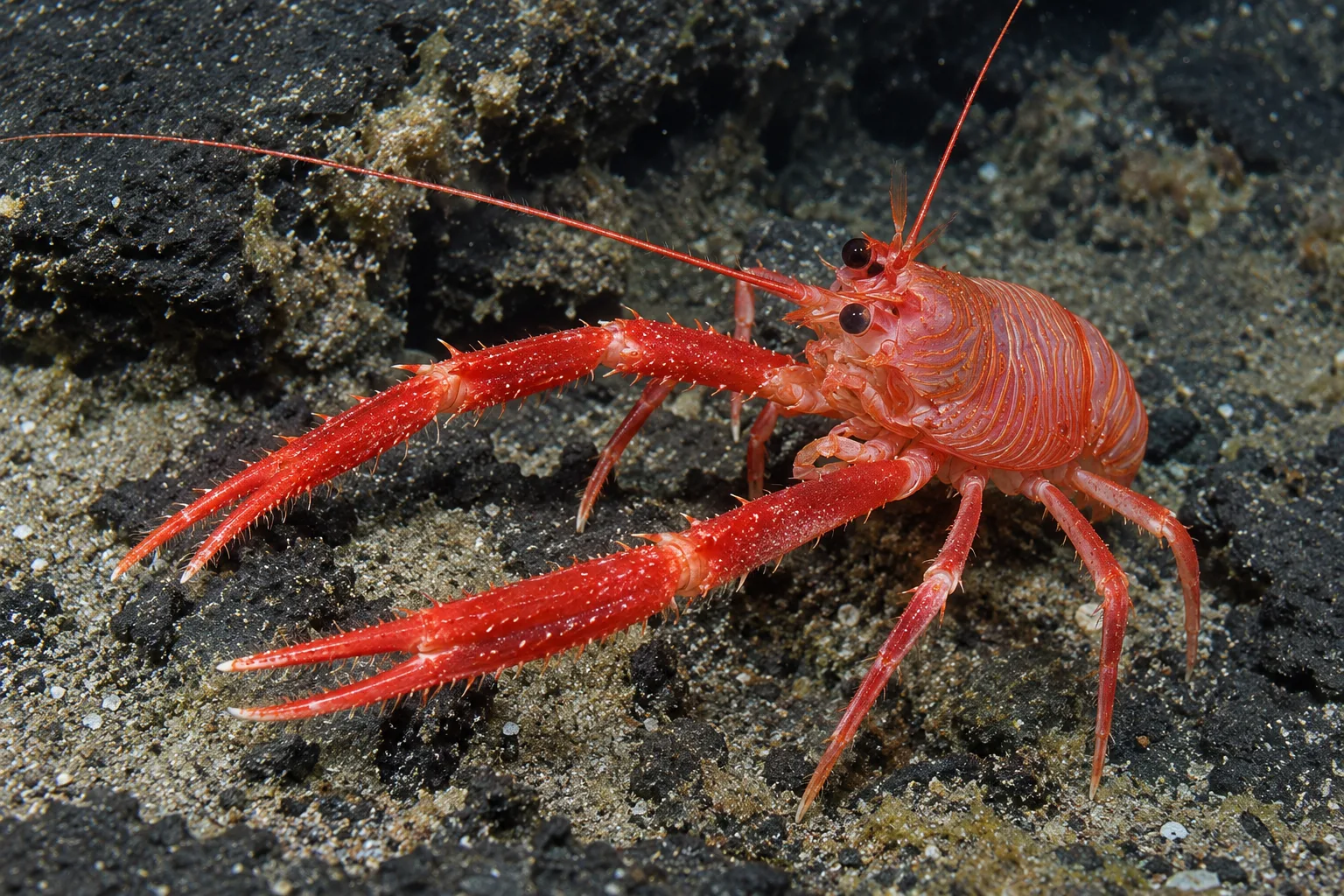
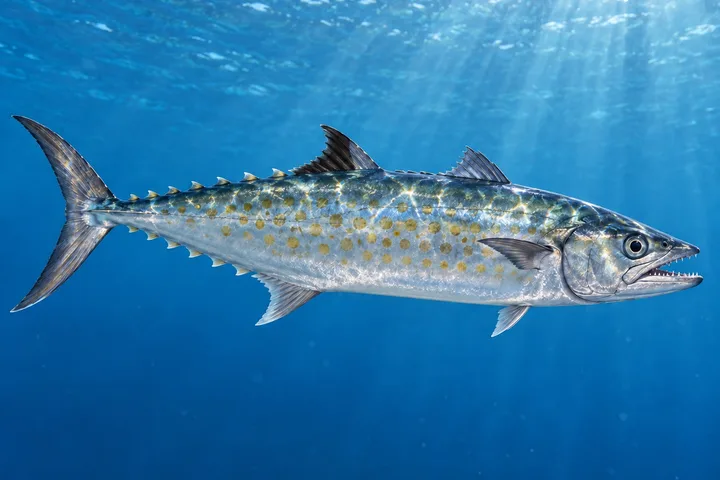
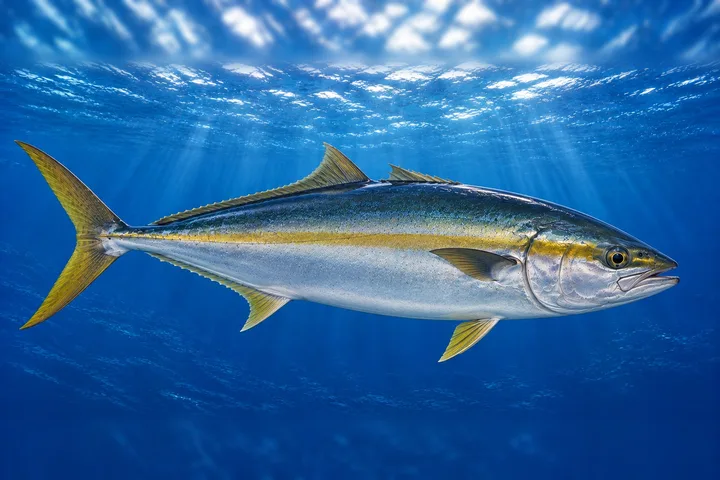
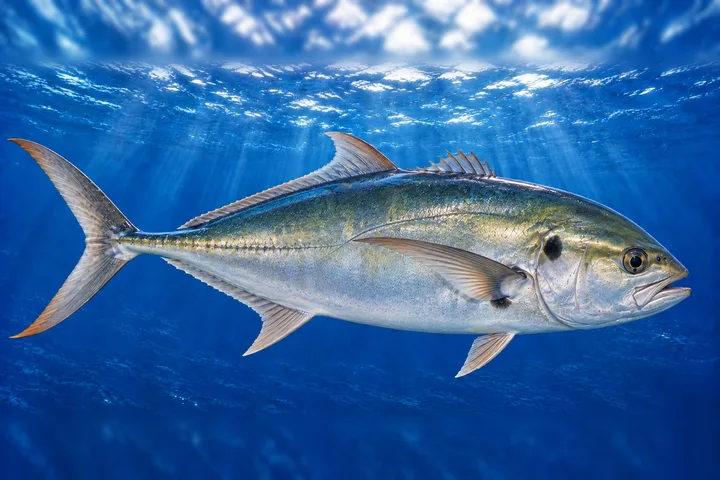
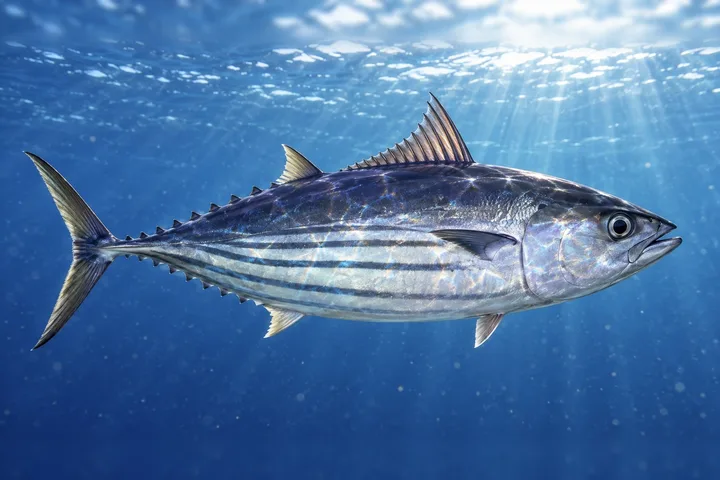
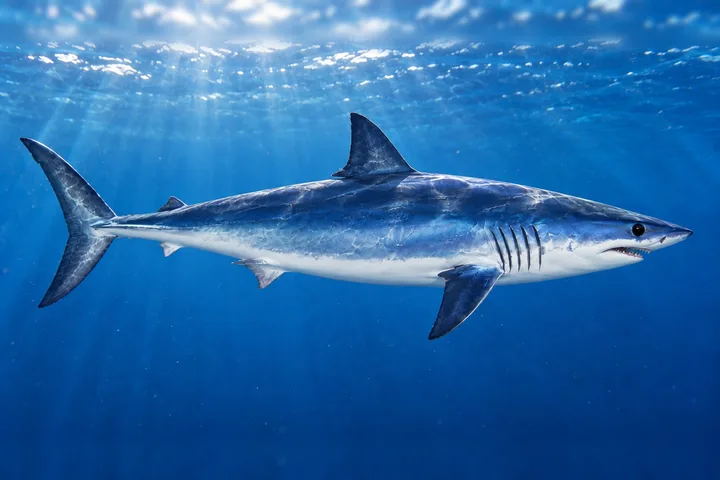
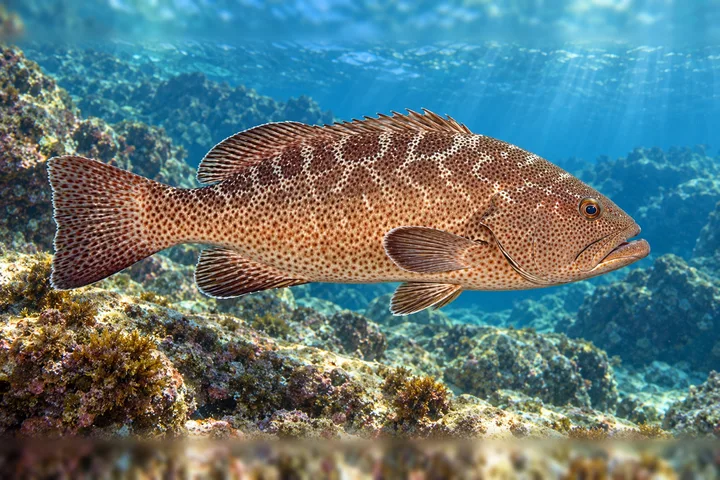
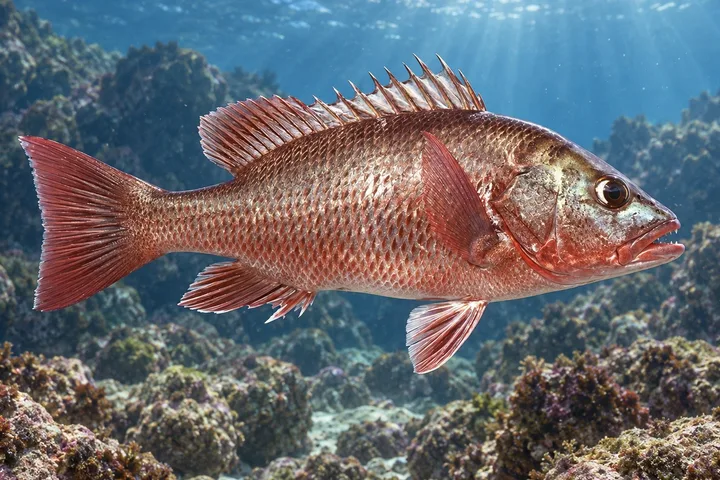
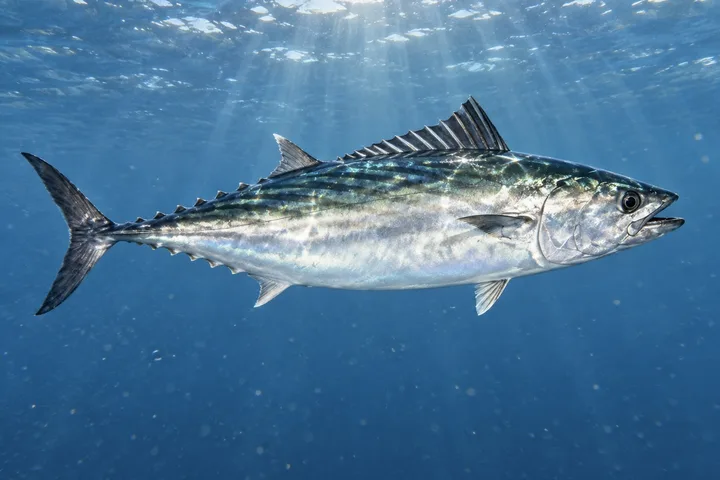
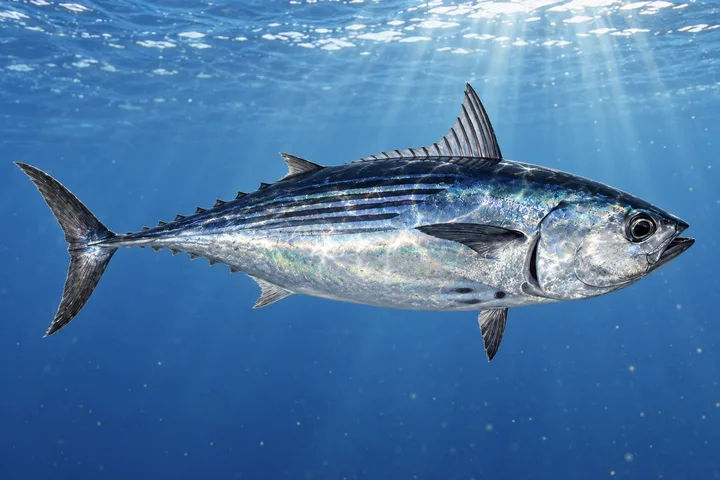
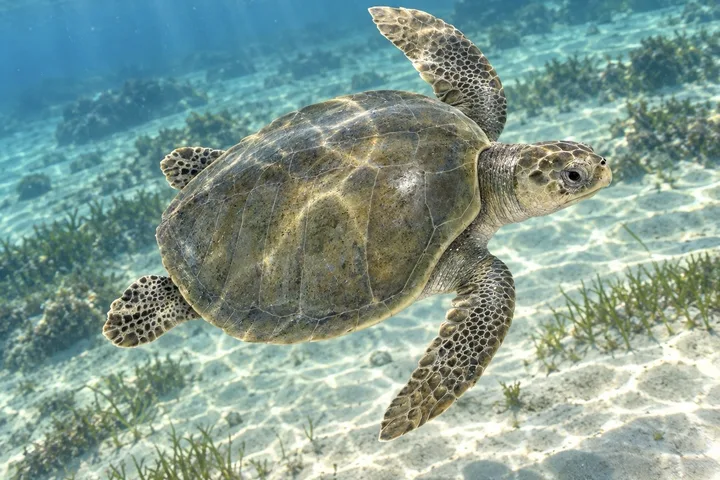
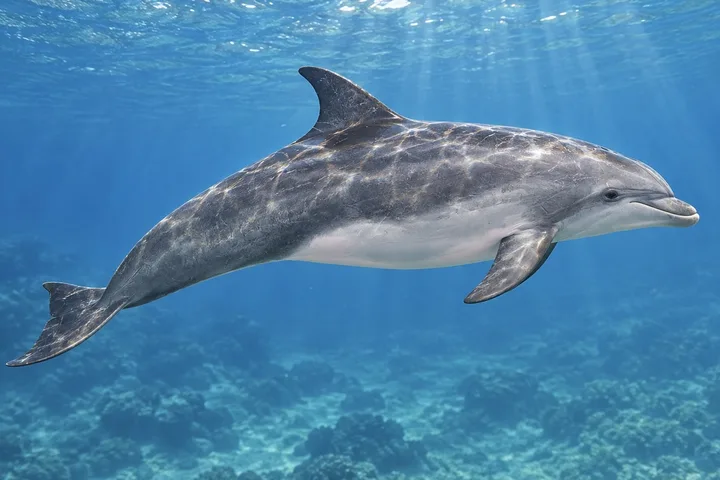
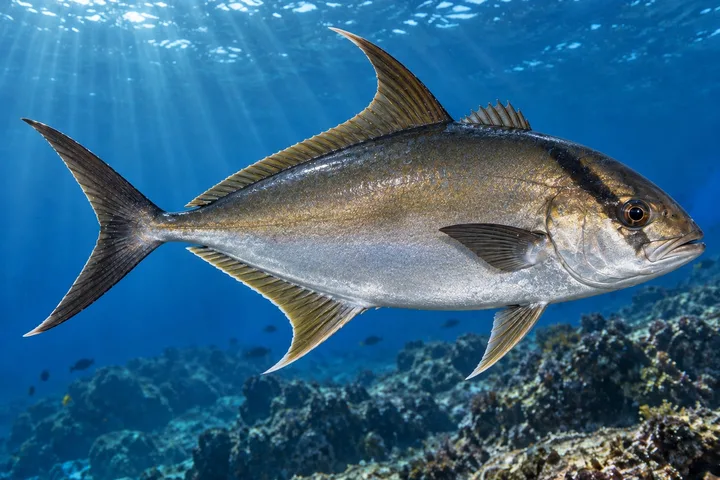
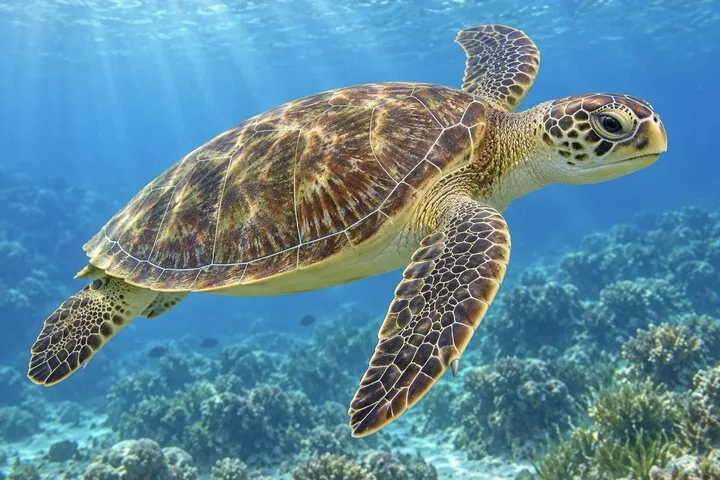
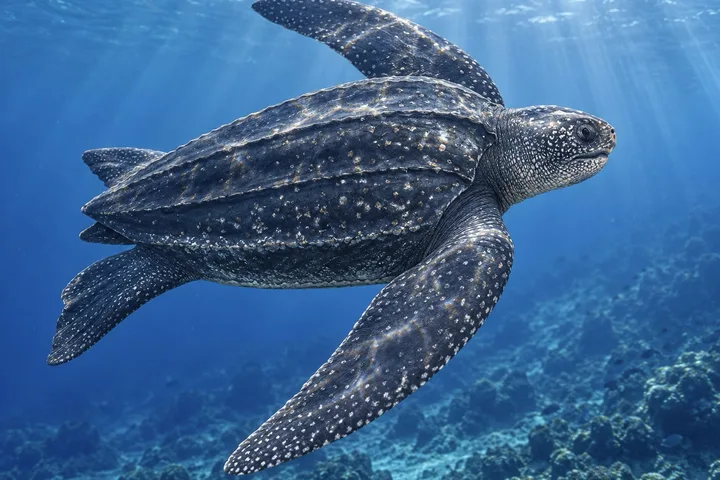
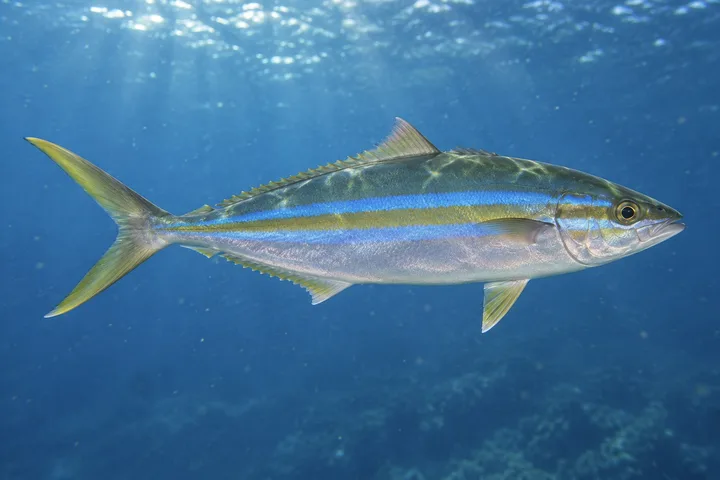
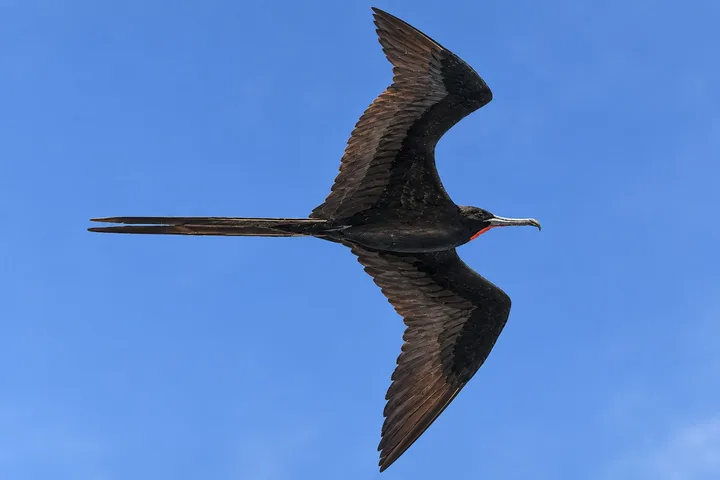
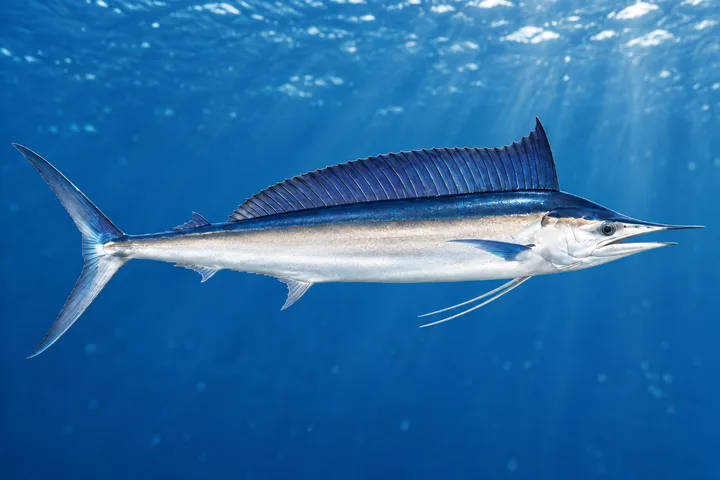
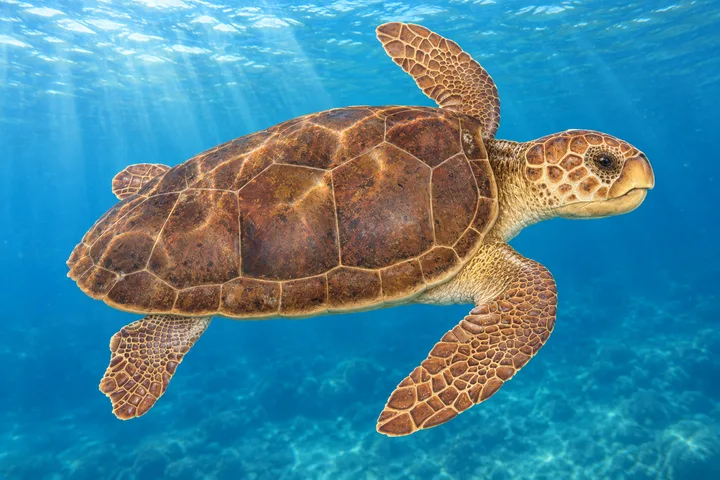
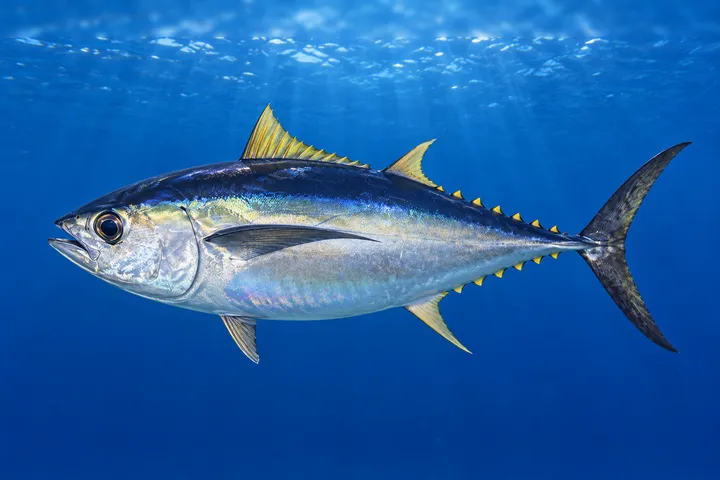
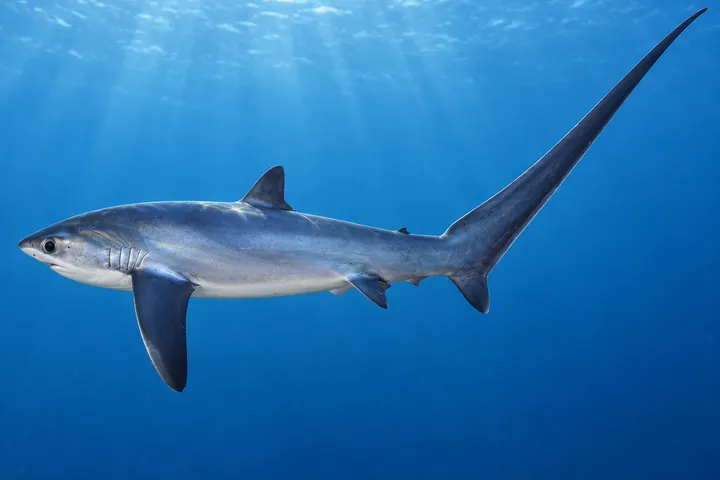
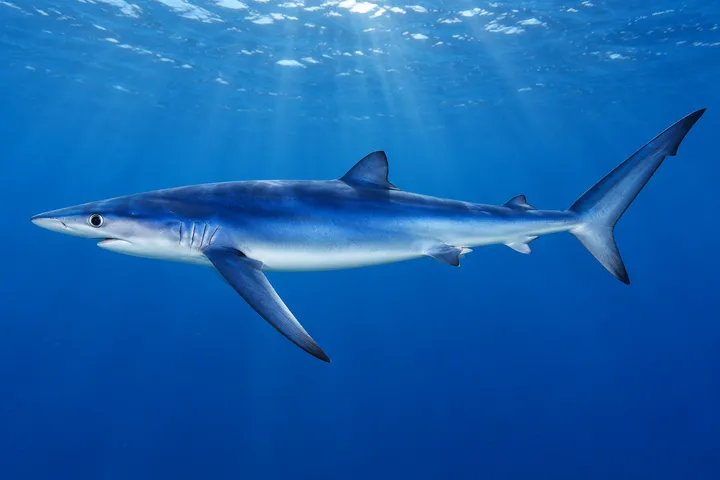
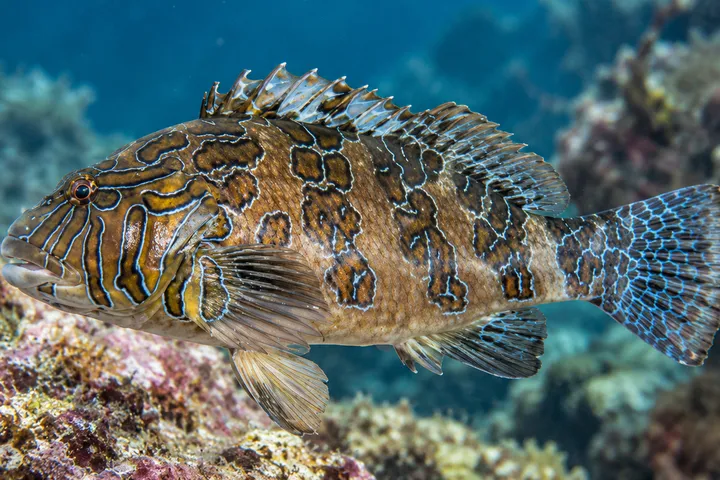
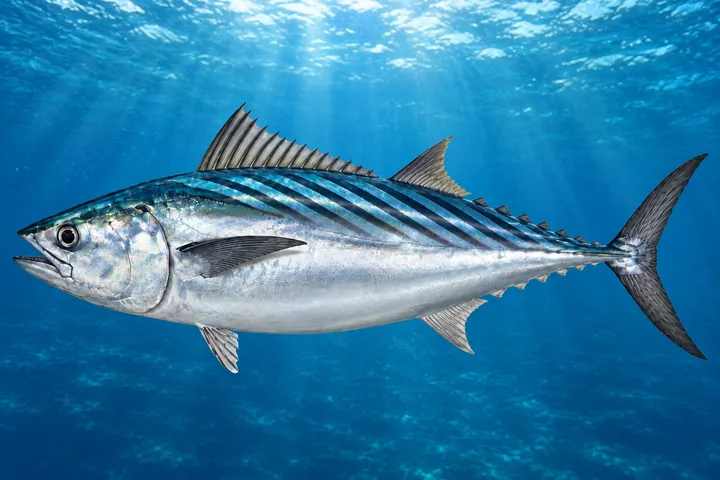
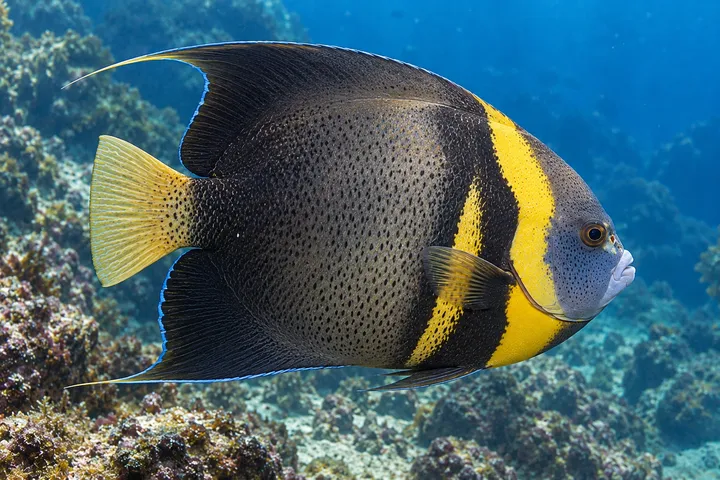
Off Baja California Sur’s Pacific coast, a small red squat lobster forms swarms so dense that shrimp boats have had to stop trawling. Tuna, yellowtail and loggerhead turtles from Japan come to eat it.
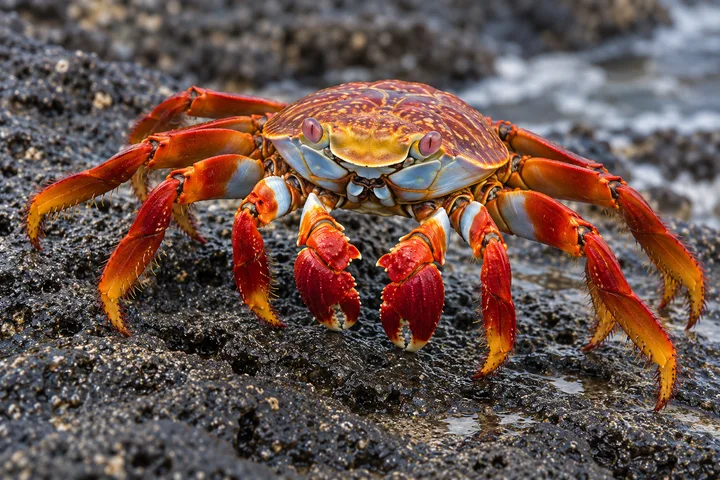
Not a true crab but a squat lobster: bright red, with a short tail folded under the body, a fan for swimming and a long first pair of legs armed with pincers. Rows of hair-like bristles line the walking legs. Stranded adults in Magdalena Bay measure about 1.2 to 2.8 cm in carapace length. In BCS it’s called langostilla.
The pelagic red crab lives in the eastern Pacific, and its heartland is the Pacific side of the Baja California peninsula; it also occurs in the Gulf of California. INAPESCA research cruises in 2019 found the densest catches south of Ensenada, in the Gulf of Ulloa and off the Magdalena Bay lagoon system, mostly shallower than 100 m. Stock estimates for Baja’s Pacific coast run from about 275,000 t in summer–fall to 460,000 t in winter–spring. It handles water from about 9 to 28 °C and low oxygen, but is densest at 13–16 °C.
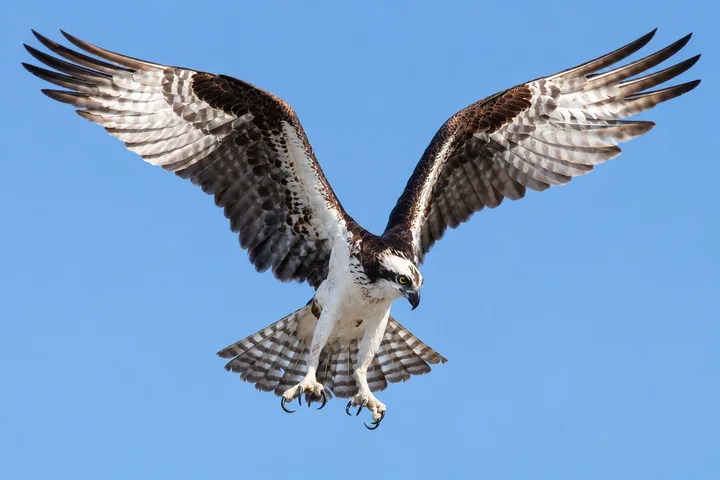
Larvae, juveniles and young adults drift and swim in the open water for about a year; at 17–20 mm carapace length they start living on the bottom and rising toward the surface mostly at night, and at 32–34 mm they are fully benthic. They breed from December to April, peaking in February, and females can brood twice a season. They graze directly on phytoplankton, which makes them a short link between the sea’s primary production and tunas, seabirds, sea lions and whales.
When William Stimpson named it in 1860 he was joking: Pleuroncodes planipes translates as “bulgy-sided crab with flat feet.”
Source ↗Every spring, usually April to June, red crabs wash up on Isla Magdalena and Isla Santa Margarita. In May 1991 they formed a red line several kilometers long. The stranded crabs were vigorous and had full stomachs: waves and falling tides, not starvation, trap them.
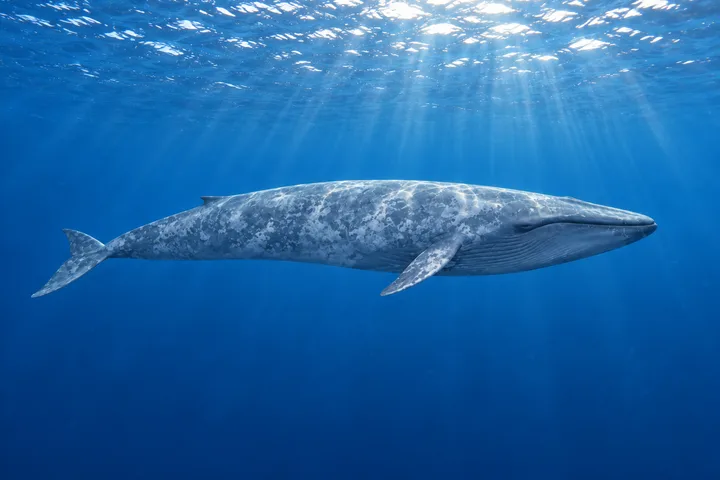
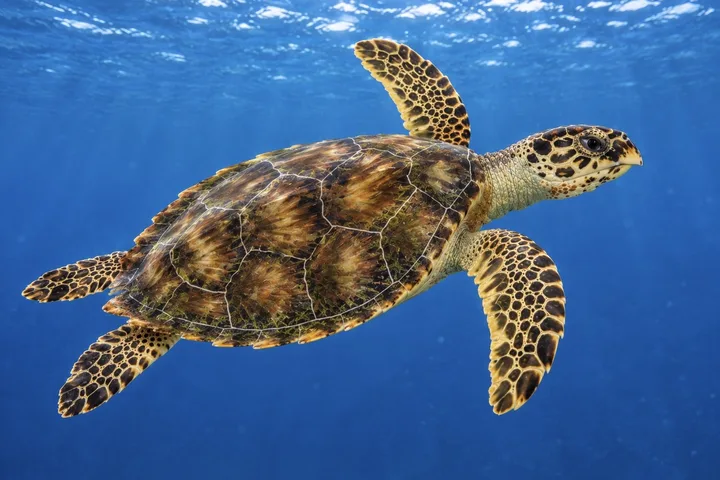
Source ↗Juvenile loggerheads feeding on red crabs off Baja are mostly of Japanese origin. In 1996–97 one tracked loggerhead swam more than 11,500 km from Santa Rosaliíta, Baja California, to Sendai Bay, Japan, in 368 days.
Source ↗In 256 yellowtail sampled off Southern California and Baja California in 2014–2016, the pelagic red crab was the single most common prey species, found in 23% of stomachs.
Source ↗In the early 1970s, U.S. fisheries scientists found that pen-reared salmon fed red crabs turned the natural reddish color; without the crabs their flesh stayed white. The carotenoid pigments in the crabs did it.
Source ↗In 2015, cameras 4,050 m deep in the Clarion-Clipperton Zone, about 1,500 km from the spawning areas, found red crab carcasses still bright red, over 1,000 per hectare. In the densest patches, that one fall could deliver almost 1.5 times the seafloor’s normal yearly organic carbon.
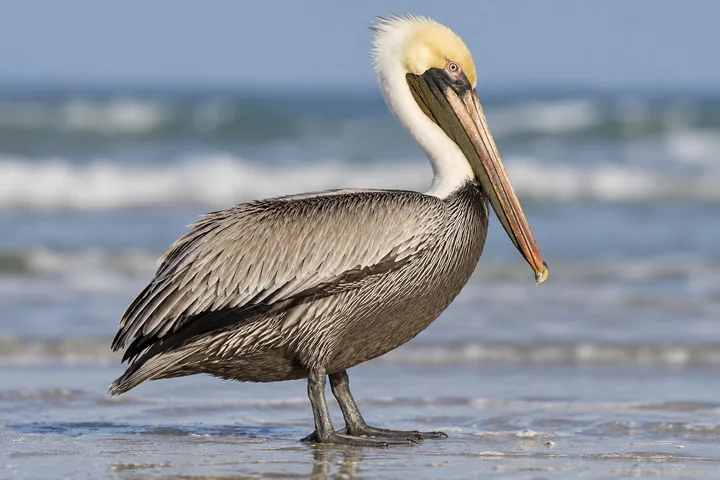
Source ↗The big concentrations are on Baja’s Pacific side, between Bahía Sebastián Vizcaíno, the Gulf of Ulloa and Magdalena Bay; U.S. research trawls caught red crabs from Vizcaíno all the way to Cabo San Lucas, but off Los Cabos itself encounters are irregular and there is no clear season. In Magdalena Bay in the early 1970s, Mexican shrimp crews reported crabs so abundant they sometimes couldn’t trawl, and hundreds of birds sat on the water picking them off the surface.
For anglers the crab matters as food: 567 yellowfin tuna stomachs used to estimate red crab consumption off Baja held almost 31 quarts of them, and they are the most common single prey of yellowtail in the Baja–California population. Under Mexico’s sport fishing rules, crustaceans may not be taken, so the crab is something to watch for, not to collect. When red crabs show up off California, it usually means warm water from Mexico has pushed north.
| Mexico (NOM-059) | Not listed |
|---|---|
| Sport fishing (NOM-017-PESC-1994, 2013 update) | Crustaceans may not be taken; sport fishing is for fish, plus squid |
| Commercial fishery | None established; INAPESCA and CIBNOR studies treat it as a potential resource (a 1995 study recommended at most 40,000 t a year) |
| IUCN Red List | Not Evaluated (Red List version 2025-2) |
| Scientific name (WoRMS) | Accepted as Grimothea planipes; Pleuroncodes planipes is now a synonym |
The squat lobster Munida quadrispina is a similar size and can overlap in range, but has much longer pincer arms (chelipeds) and lives on the bottom; the pelagic red crab is the one seen swimming at the surface.
Only now and then. They have been trawled as far south as Cabo San Lucas, but the dense swarms and yearly strandings are on the Pacific coast farther north, around the Gulf of Ulloa and Magdalena Bay.
In Magdalena Bay, researchers found the stranded crabs healthy and well fed: swarms near shore get caught by waves and falling tides. In California, strandings follow unusual northward currents from Mexico, sometimes but not always during El Niño.
Mexico’s sport fishing standard, NOM-017, bans the capture of crustaceans by sport anglers, so no.

Top illustration: Top Anglers. Photos: iNaturalist contributors, credited on each photo.
Our charters leave the Cabo San Lucas marina every morning. From $799 with license included.