Seeing them from the boat
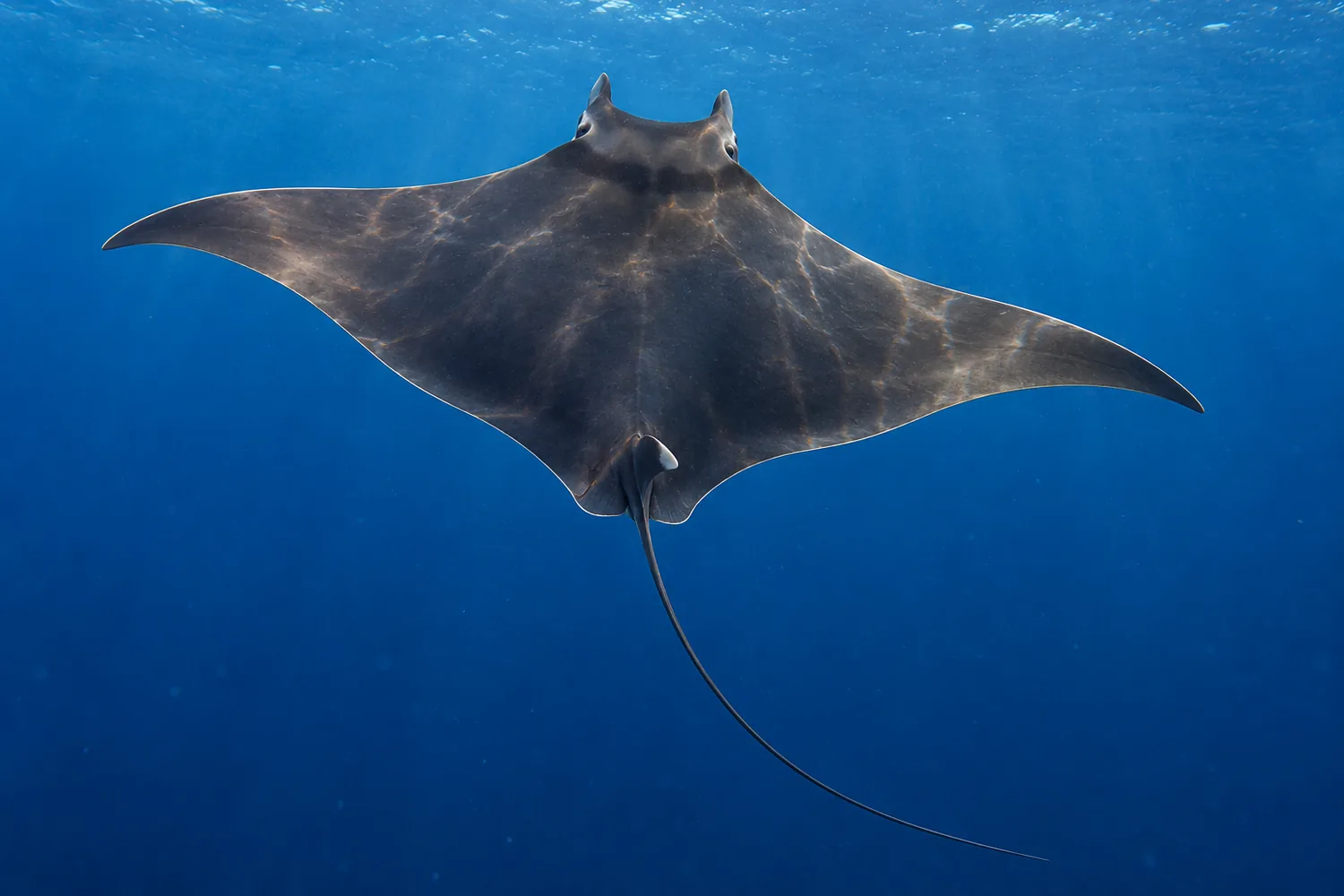
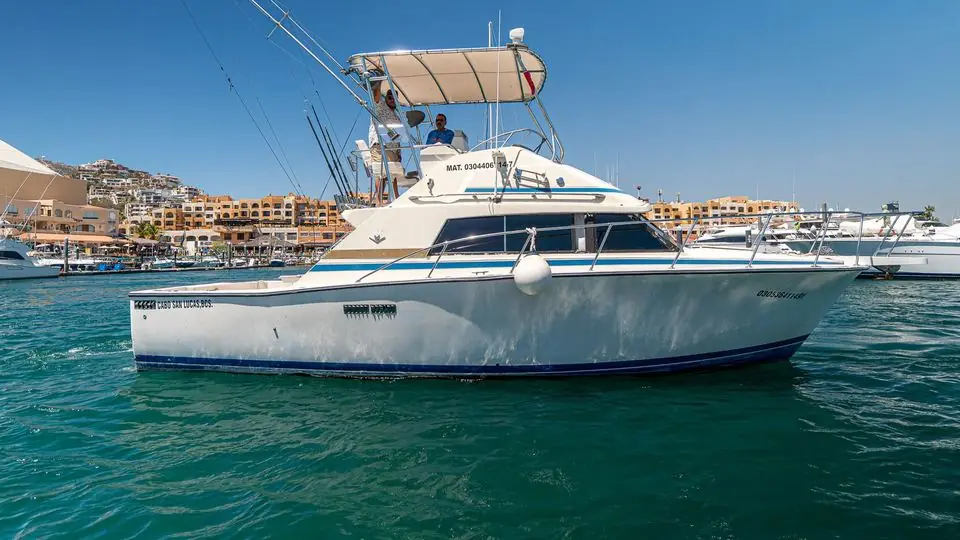
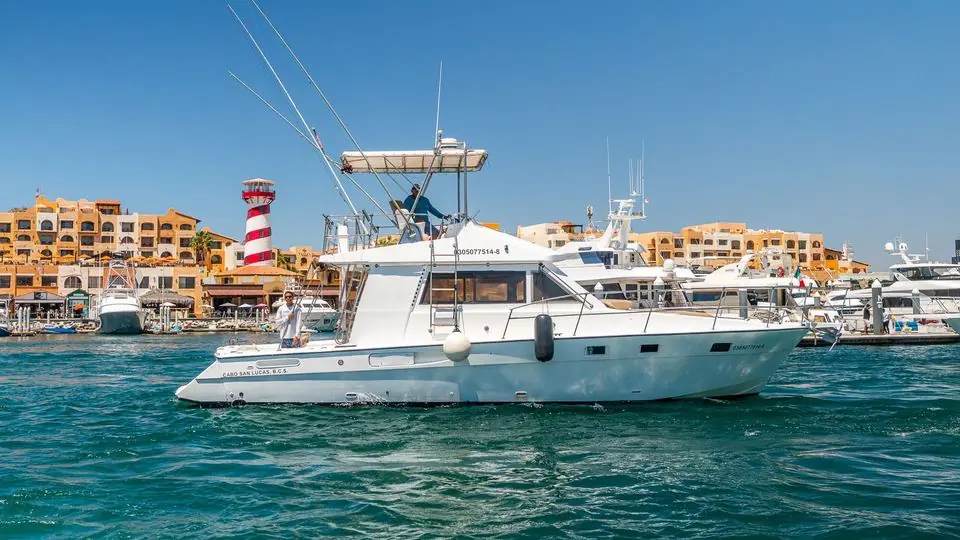
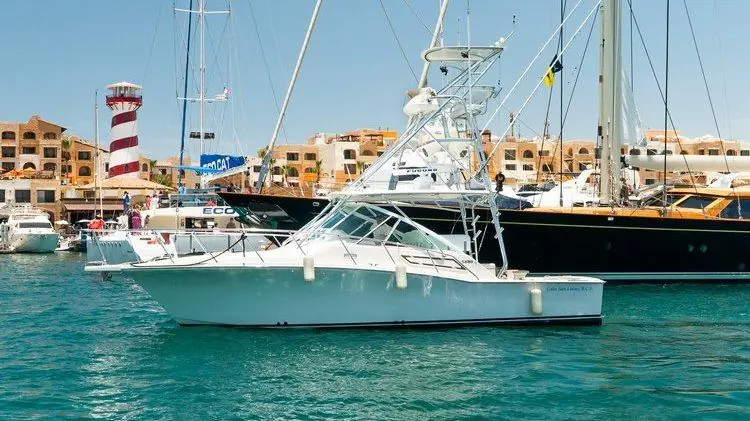
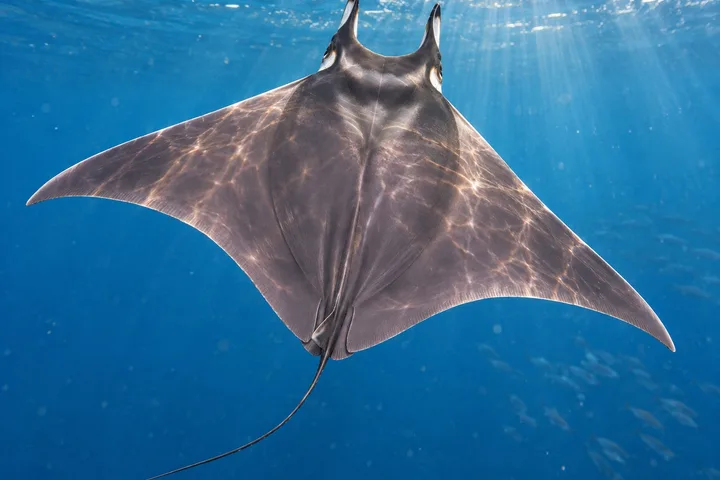
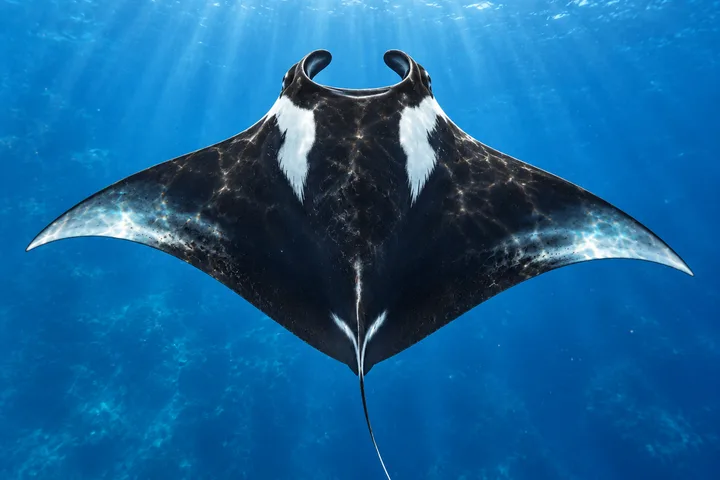
Off Los Cabos the spinetail is a ray you see rather than catch, and sightings aren’t something you can plan on. Your best chance is in late spring and summer, when the rays feed in the southern Gulf and travel past Cabo San Lucas toward the Pacific. In the La Paz study they swam at the surface in small groups parallel to the shore, sometimes in water less than 1 m deep. Look for a dark diamond near the surface, wingtips breaking the water, or a white-tipped dorsal fin.
Devil rays filter krill, so nobody targets them on hook and line, but one can be foul-hooked or tangled in line. Keep it in the water, never gaff it or lift it by the head fins, gills or mouth, and use the leader to hold it alongside. Remove the hook only if you can do it safely; otherwise cut the leader as close to the hook as you can and keep any cut line on board. Mexican law requires releasing it.
Rules & conservation
| Capture (NOM-029) | Catching or keeping devil rays is banned (the rule names this species as Mobula japanica), alive or dead, whole or in parts; any caught by accident must be returned to the water |
|---|
| Mexico (NOM-059) | Subject to special protection (Pr) |
|---|
| IUCN Red List | Critically Endangered (2025) |
|---|
| CITES | Appendix I since March 2026 (Appendix II 2017–2026) |
|---|
| CMS (Bonn Convention) | Appendices I and II |
|---|
Don't confuse it with
Munk’s devil ray reaches only about 1.1 m across, has no white tip on its dorsal fin and no tail spine, and travels in big leaping schools. The bentfin (smoothtail) devil ray also has a dark band between the eyes and a white-tipped dorsal fin, but the front edge of each wing has a double curve, its skin is smooth and its tail has no spine. The sicklefin devil ray is olive-brown with no dark band, a plain dorsal fin, strongly swept-back wings and a short tail. The giant manta is much larger, with its mouth at the front of the head and white, T-shaped shoulder patches.
Questions
Is this the mobula that jumps in big schools in Baja?
Mostly not. The huge leaping schools are Munk’s devil rays. Spinetails usually travel alone or in small groups, although groups of up to 75 have been seen in Bahía de La Paz.
Are spinetail devil rays dangerous?
No. They feed on krill, and the spine at the base of the tail is short. FishBase lists the species as harmless to people.
Can you fish for devil rays in Mexico?
No. Mexican law bans catching or keeping them, and any caught by accident must be released.

By Max VargasTop Anglers, Cabo San Lucas · international judge at big game fishing world championships · reviewed October 2026
Sources
Top illustration: Top Anglers. Photos: iNaturalist contributors, credited on each photo.