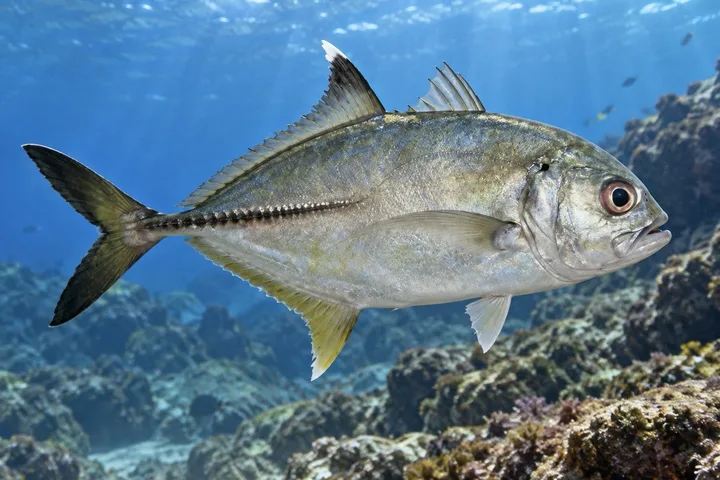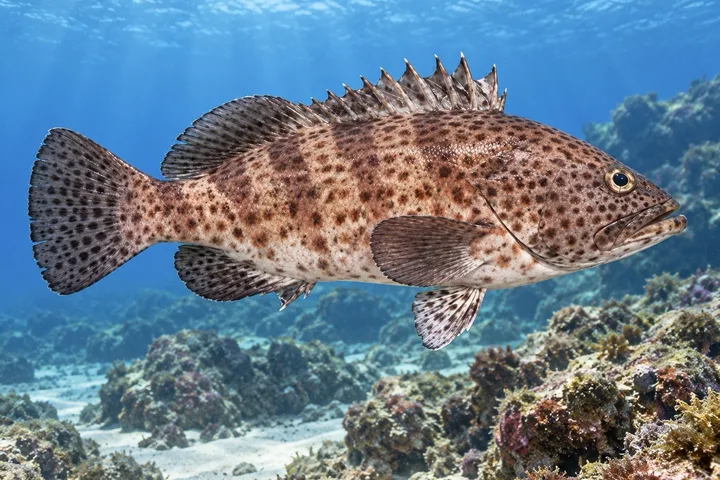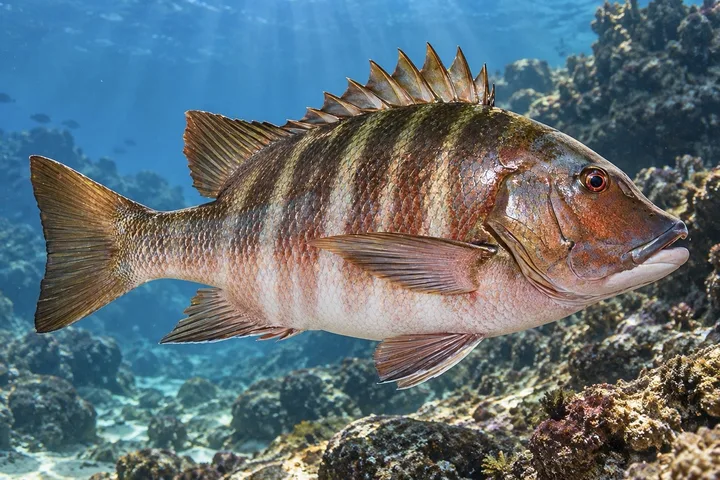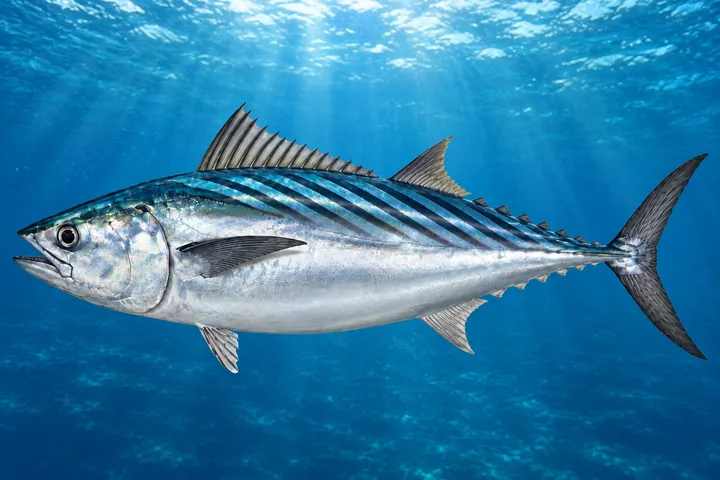
Pacific dog snapper (Lutjanus novemfasciatus), illustration
Sport fishing Lutjanus novemfasciatus

Pacific dog snapper in Los Cabos

The biggest snapper in the eastern Pacific and one of the hardest fish to land: it lives in the rocks, eats at night and has the canine teeth to match its name.

Up to 1.7 mMax length
84 lb 5 ozIGFA world record
14+ yearsFor a population to double
5 per dayLimit per angler

Season in Los Cabos

●● best months · ● regular · · occasional. Based on local fishing reports; conditions change year to year.

Tap a month to see everything biting in Cabo that month ›

How to recognize it

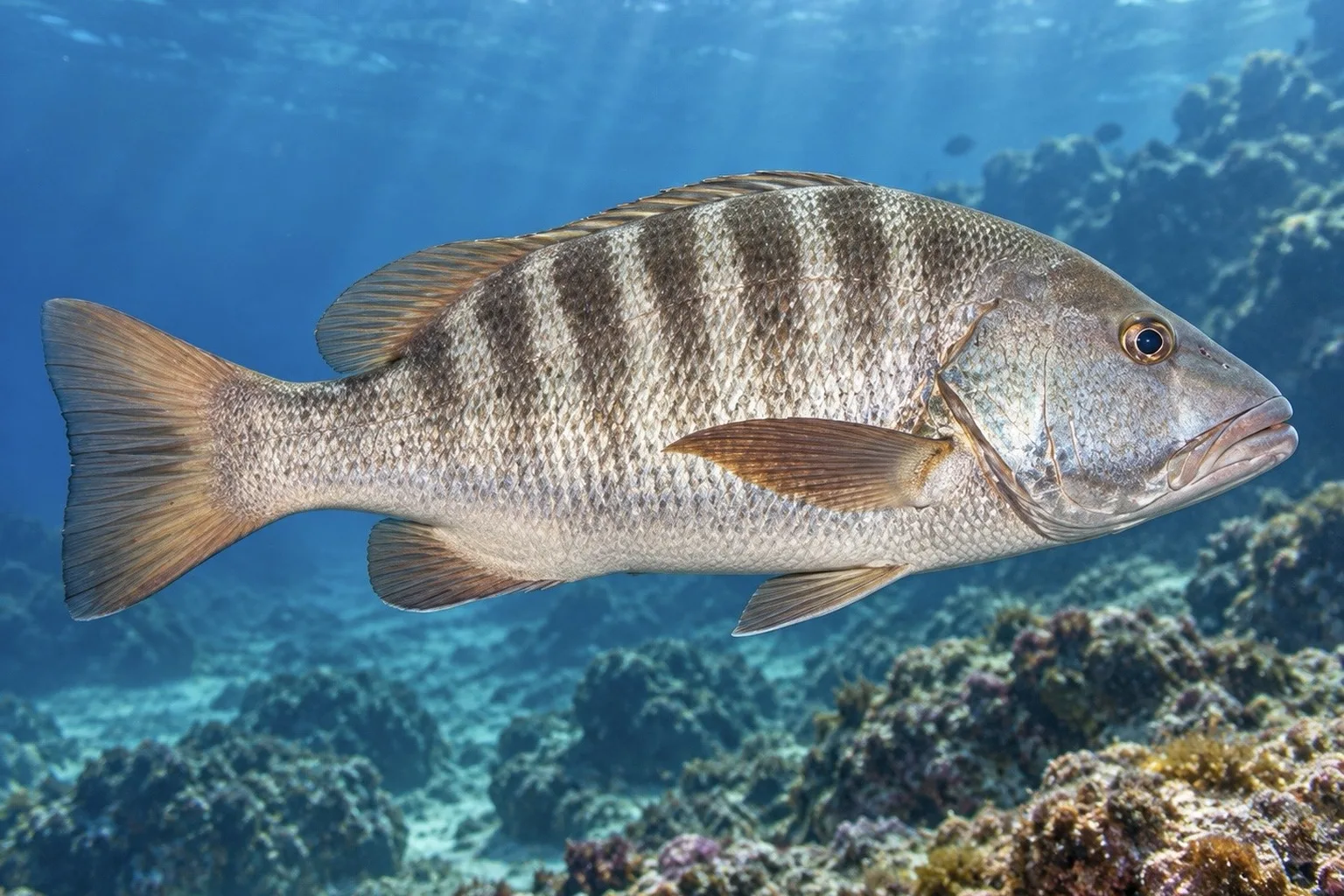
Dark olive-brown to copper-red on the back and sides, silvery white lower down, with 8 to 9 dusky bars on the upper half that can fade in big fish. Pointed snout, dark fins in large adults and four large canine teeth at the front of the jaws. The rear edge of the anal fin is rounded.

Biology

Adults live on rocky and coral reefs from southern California to Peru, including the Gulf of California, and stay in or near caves and crevices during the day. At night they come out to feed on crabs, shrimp, octopus, squid and fish.

The young grow up in mangroves, estuaries and river mouths and only move to the reef as they grow. In captivity off Mazatlán they spawned from May to September, peaking in July and August; males matured at about 58 cm and 4 to 5 years, females at about 64 cm and 5 to 6 years.

Things you probably didn't know

01

Nine bands in its name

Novemfasciatus means "nine-banded", for the faint bars on its sides. The species was first described from a fish caught in Baja California.

Source ↗
02

A reef fish that goes up rivers

Juveniles can travel up to 20 km up rivers into fresh water, something few reef fish can do.

Source ↗
03

Mangrove nurseries

Young dog snappers grow up among mangrove roots. In a survey of more than 30 mangrove sites in the Gulf of California, dog snappers were larger on average than yellow snappers.

Source ↗
04

Hundreds of thousands of eggs

A female can release up to about 330,000 eggs per kilogram of body weight in a single spawn, and the eggs hatch in about 24 hours.

Source ↗
05

Slow to recover

FishBase rates its resilience as very low: a population needs more than 14 years to double. Releasing the big breeders matters.

Source ↗
06

A Mexican record from 2026

The all-tackle record, 84 lb 5 oz (38.24 kg), was caught at El Morro Island, Puerto Vallarta, on January 2, 2026, replacing a 78 lb 12 oz fish from Costa Rica that had held since 1988. A 92 lb 9 oz fish from Panama’s Pearl Islands is pending review.

Source ↗

Photos

Alberto Alcalá · iNaturalist · CC BY 4.0
Nathan Nguyen · iNaturalist · CC BY 4.0
Alberto Alcalá · iNaturalist · CC BY 4.0
Reizo Knapp · iNaturalist · CC BY 4.0
José Javier Barrios Flores · iNaturalist · CC BY 4.0

How it's caught in Los Cabos

Around Los Cabos, local reports describe a seasonal inshore fishery for big snapper from mid-May through June, over rocky reefs near the beaches. Gordo Banks reports from 2010–2026 show big fish then caught on the banks through October, often on chunks of skipjack.

The usual method is live bait slow-trolled or drifted right next to the rocks. A big snapper's first move is back into its cave, so it takes heavy tackle, a strong leader and a captain who keeps the boat in the right position.

On the table

A quality food fish with white, firm meat and a high market price.

Rules, records & conservation

Daily limit (NOM-017-PESC-1994)Up to 5 per angler per day, within the 10-fish total
IUCN Red ListLeast Concern
IGFA all-tackle record84 lb 5 oz (38.24 kg), El Morro Island, Puerto Vallarta, Jalisco, 2026
Cabo Pulmo National ParkSport fishing not allowed

Don't confuse it with

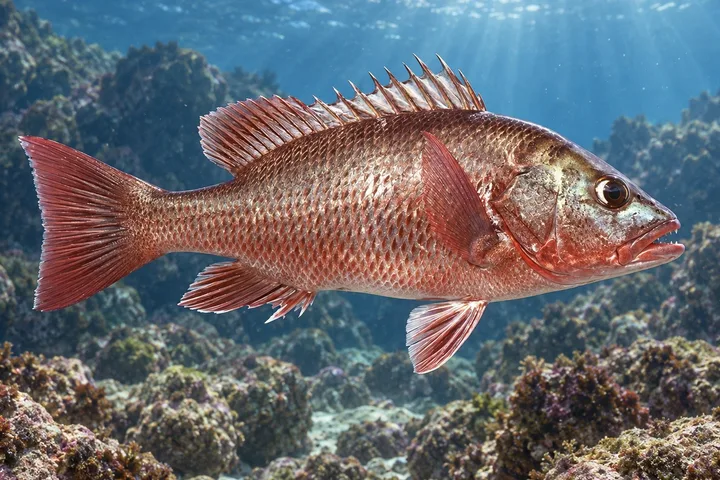
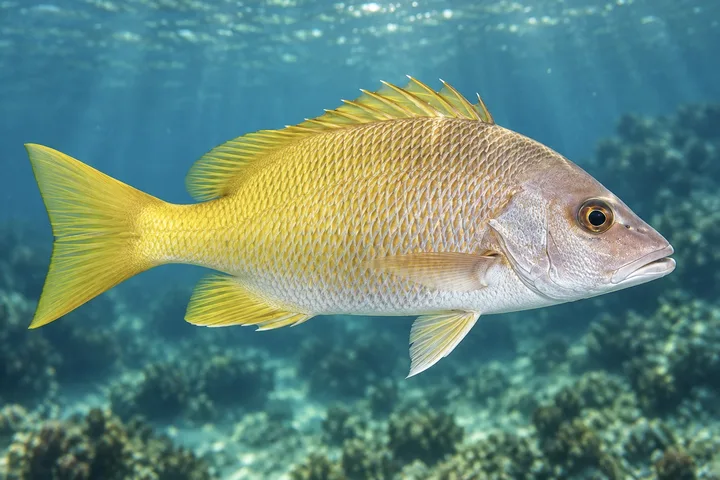
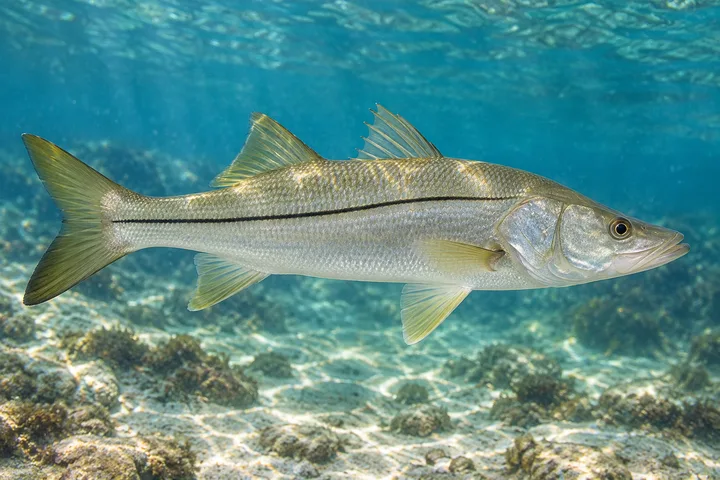
The barred pargo (Hoplopagrus guentherii) has a deeper body, about 6 double bars, a tube-shaped front nostril and molar-like teeth. Pargo colorado (Lutjanus colorado) is darker red, has a pointed anal fin, loses its bars as an adult and is smaller. Pargo amarillo (Lutjanus argentiventris) is yellow with a broken blue line under the eye. The Atlantic "dog snapper" is another species altogether.

How to tell Cabo’s groupers and snappers apart ›

Questions

Is the dog snapper the same as the cubera snapper?

IGFA lists it as the Pacific cubera snapper and FishBase as the Pacific dog snapper: same fish. In Mexico it's pargo prieto.

When is the best time for big snapper in Cabo?

From May to October: local reports describe the inshore season from mid-May through June, then big fish on the banks through October.

How do I tell a pargo prieto from a pargo colorado?

Look at the anal fin: rounded in the pargo prieto, pointed in the pargo colorado. The pargo prieto also has large canines and often faint bars.

By Max VargasTop Anglers, Cabo San Lucas · international judge at big game fishing world championships · reviewed October 2026

Sources

Top illustration: Top Anglers. Photos: iNaturalist contributors, credited on each photo.

Boats for pacific dog snapper

Pangas and small boats that work the beaches, points and rocky reefs. From $453 with license included.

More species

Pacific sierra
Pacific sierra
Scomberomorus sierra
California yellowtail
Seriola dorsalis
Pacific crevalle jack
Caranx caninus
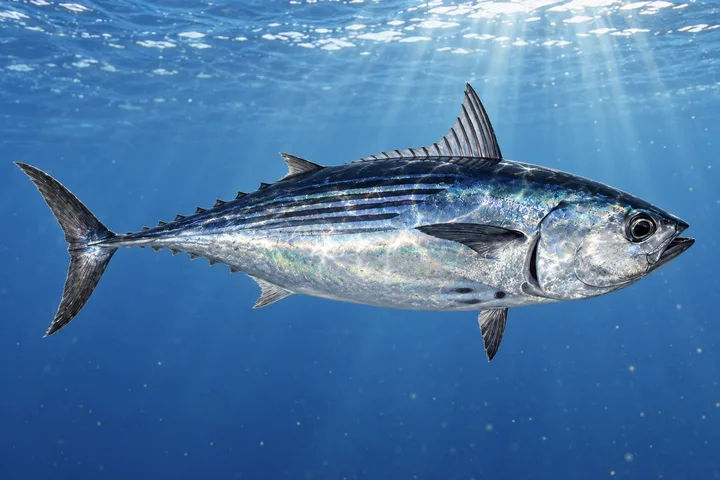
Skipjack tuna
Skipjack tuna
Katsuwonus pelamis
Shortfin mako
Shortfin mako
Isurus oxyrinchus
Leopard grouper
Leopard grouper
Mycteroperca rosacea
Colorado snapper
Colorado snapper
Lutjanus colorado
Striped bonito
Striped bonito
Sarda orientalis
Black skipjack
Black skipjack
Euthynnus lineatus
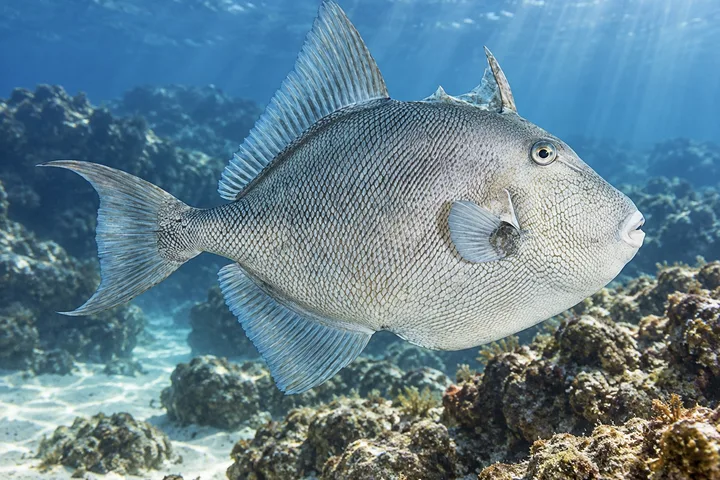
Finescale triggerfish
Balistes polylepis
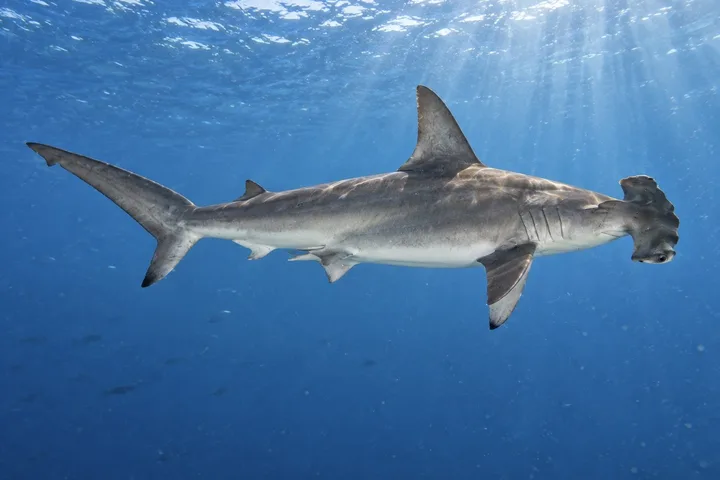
Scalloped hammerhead
Sphyrna lewini
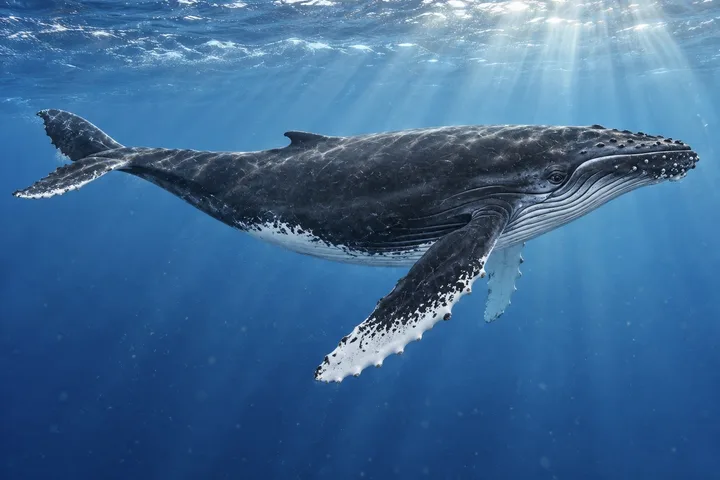
Humpback whale
Humpback whale
Megaptera novaeangliae
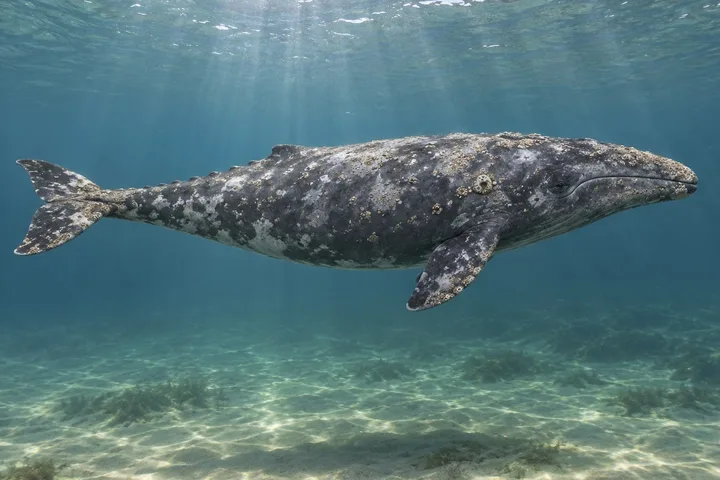
Gray whale
Gray whale
Eschrichtius robustus
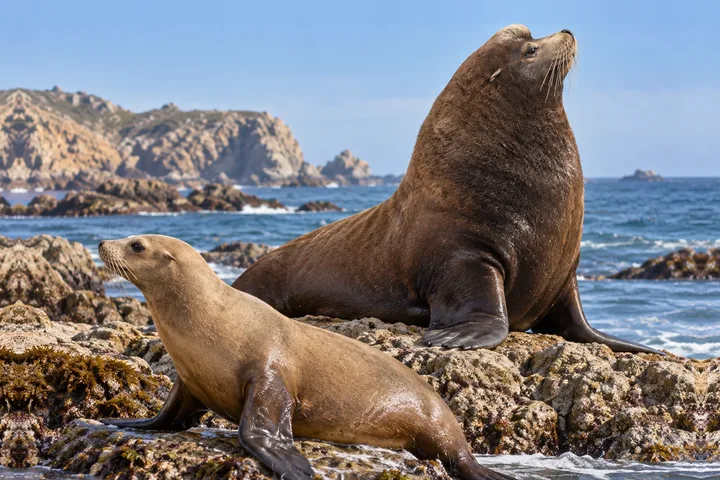
California sea lion
California sea lion
Zalophus californianus
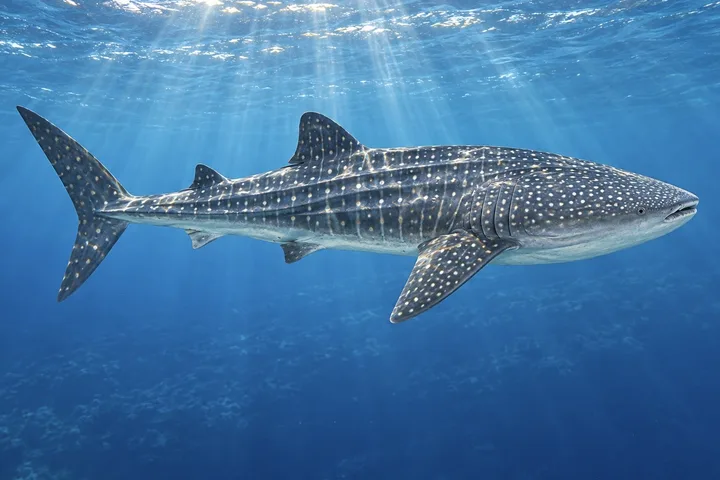
Whale shark
Whale shark
Rhincodon typus
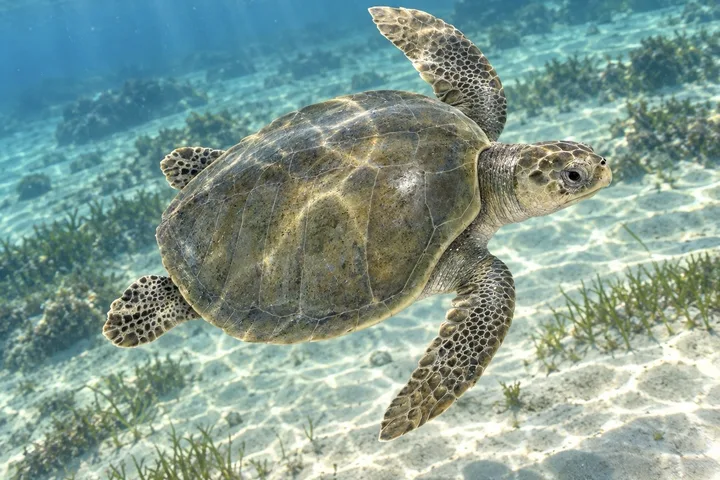
Olive ridley sea turtle
Lepidochelys olivacea
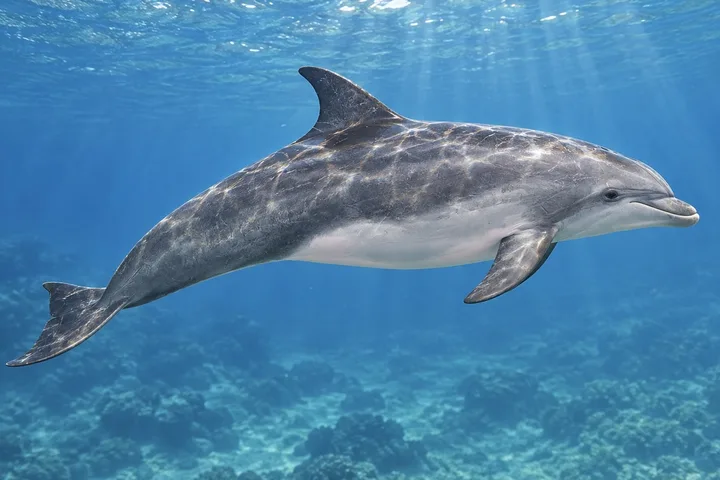
Bottlenose dolphin
Bottlenose dolphin
Tursiops truncatus
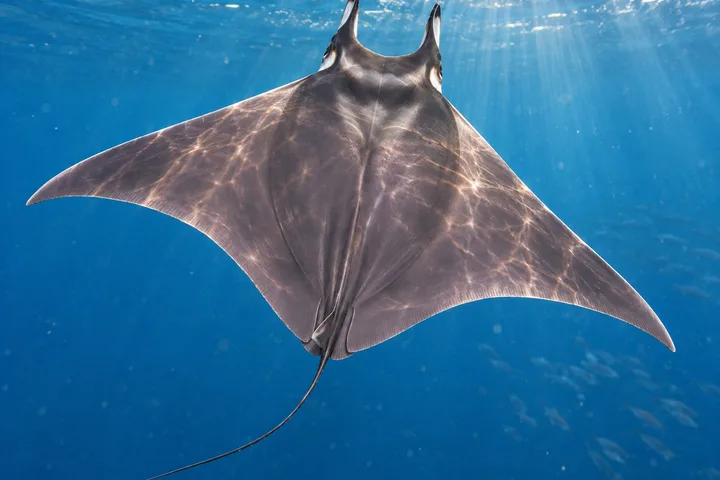
Munk's devil ray (mobula)
Mobula munkiana
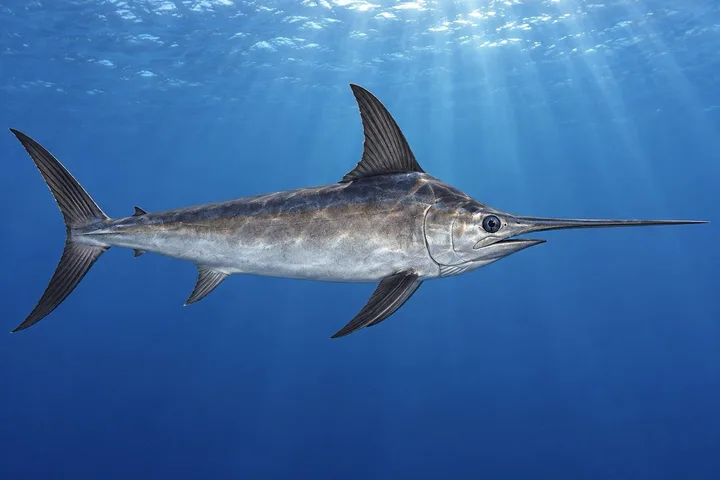
Swordfish
Swordfish
Xiphias gladius
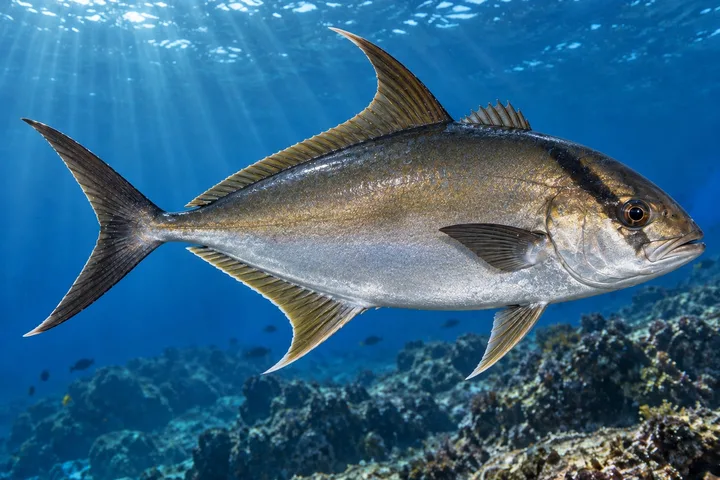
Almaco jack
Almaco jack
Seriola rivoliana
Bigeye trevally
Bigeye trevally
Caranx sexfasciatus
Spotted cabrilla
Spotted cabrilla
Epinephelus analogus
Barred pargo
Barred pargo
Hoplopagrus guentherii
Blue whale
Blue whale
Balaenoptera musculus
Green sea turtle (black turtle)
Chelonia mydas
Leatherback sea turtle
Dermochelys coriacea
Rainbow runner
Rainbow runner
Elagatis bipinnulata
Gulf grouper
Gulf grouper
Mycteroperca jordani
Yellow snapper
Yellow snapper
Lutjanus argentiventris
Pacific white snook
Pacific white snook
Centropomus viridis
Mexican barracuda
Mexican barracuda
Sphyraena ensis
Silky shark
Silky shark
Carcharhinus falciformis
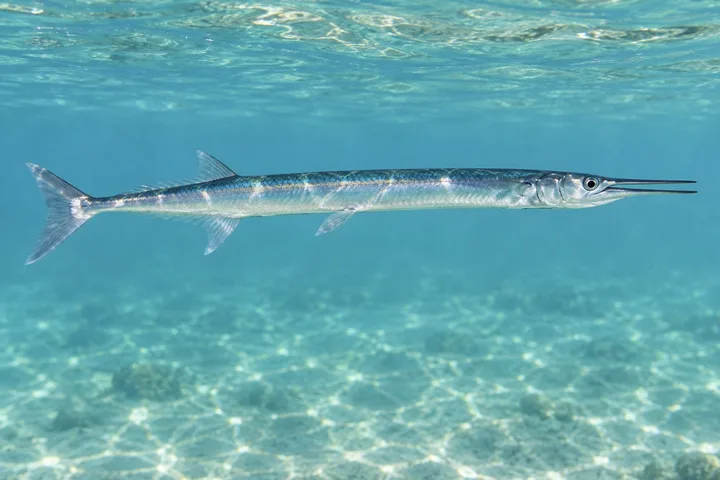
Mexican needlefish
Mexican needlefish
Tylosurus fodiator
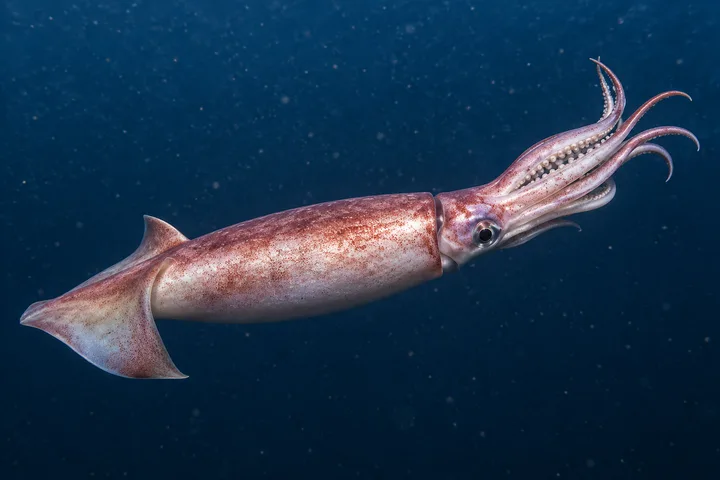
Humboldt squid
Humboldt squid
Dosidicus gigas
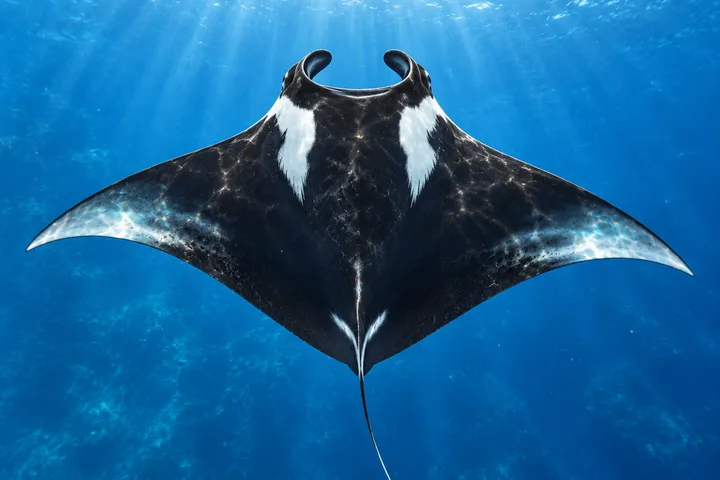
Giant manta ray
Giant manta ray
Mobula birostris
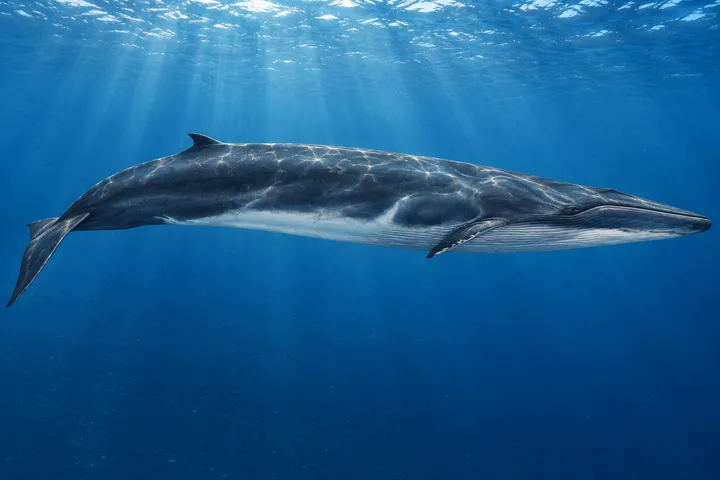
Fin whale
Fin whale
Balaenoptera physalus
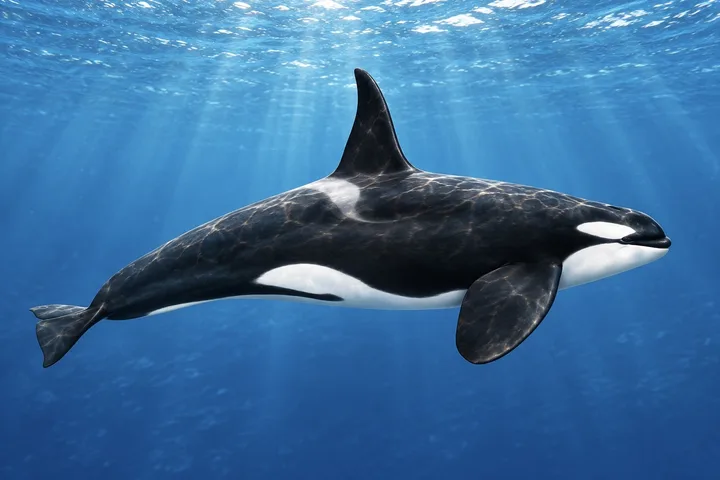
Orca (killer whale)
Orca (killer whale)
Orcinus orca
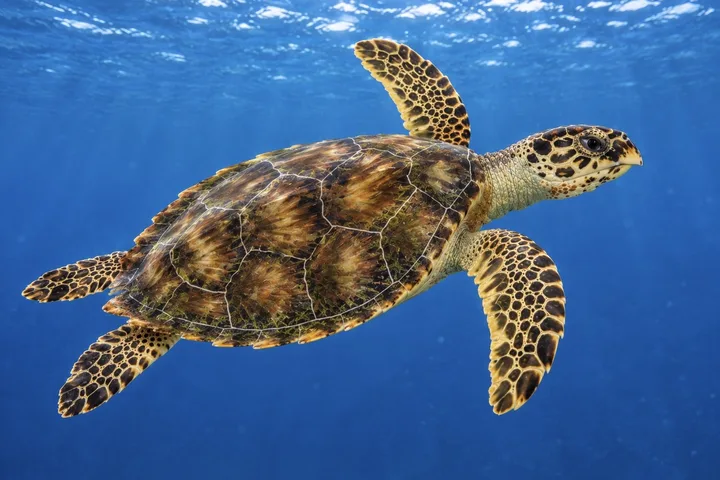
Hawksbill sea turtle (carey)
Eretmochelys imbricata
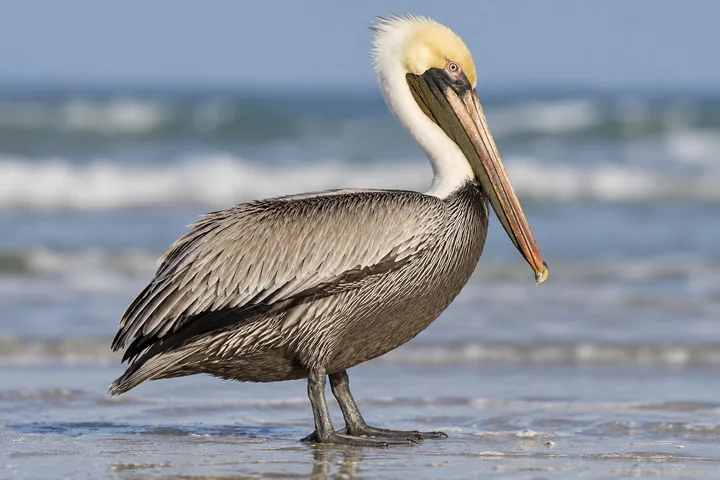
Brown pelican
Brown pelican
Pelecanus occidentalis
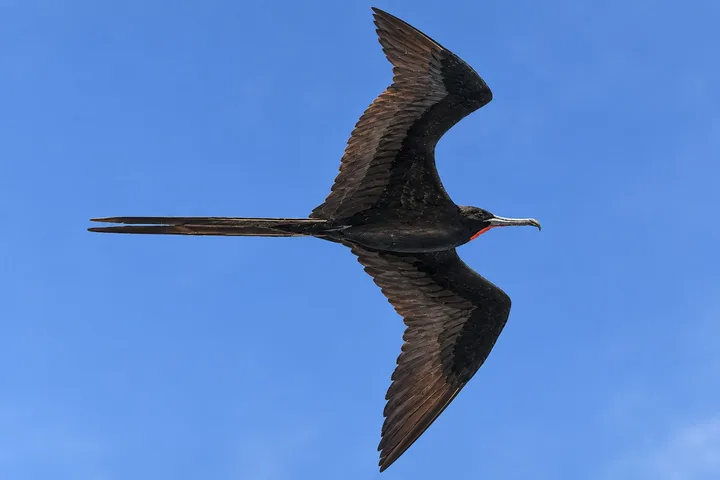
Magnificent frigatebird
Fregata magnificens
Shortbill spearfish
Shortbill spearfish
Tetrapturus angustirostris
Loggerhead sea turtle (caguama)
Caretta caretta
Osprey
Osprey
Pandion haliaetus
Blue-footed booby
Blue-footed booby
Sula nebouxii
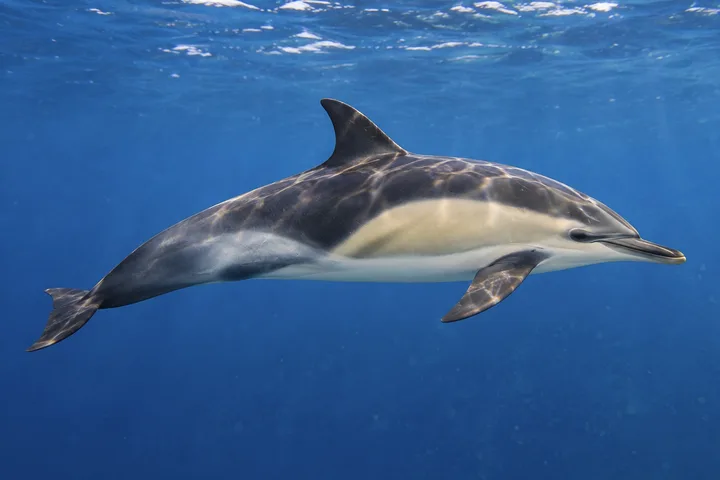
Common dolphin
Common dolphin
Delphinus delphis
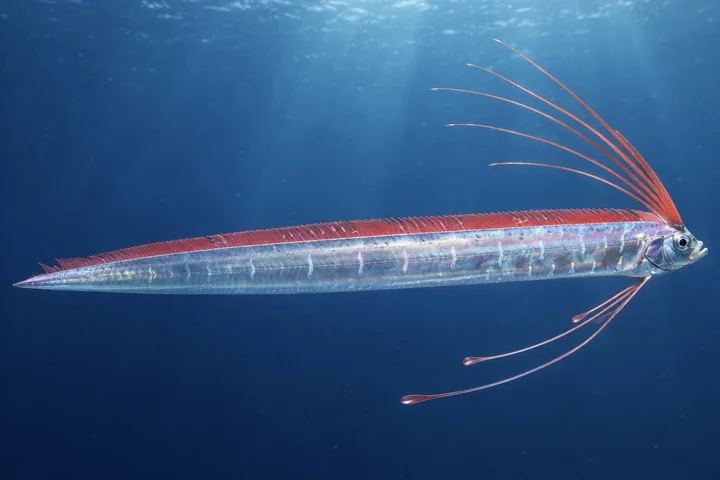
Oarfish
Oarfish
Regalecus russelii
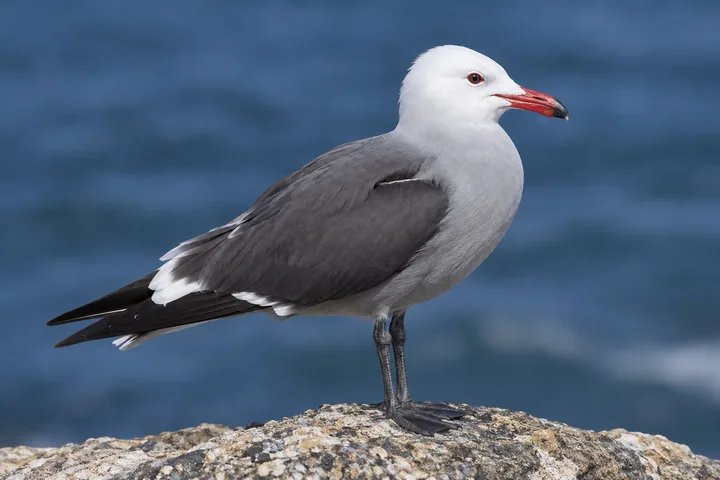
Heermann’s gull
Heermann’s gull
Larus heermanni
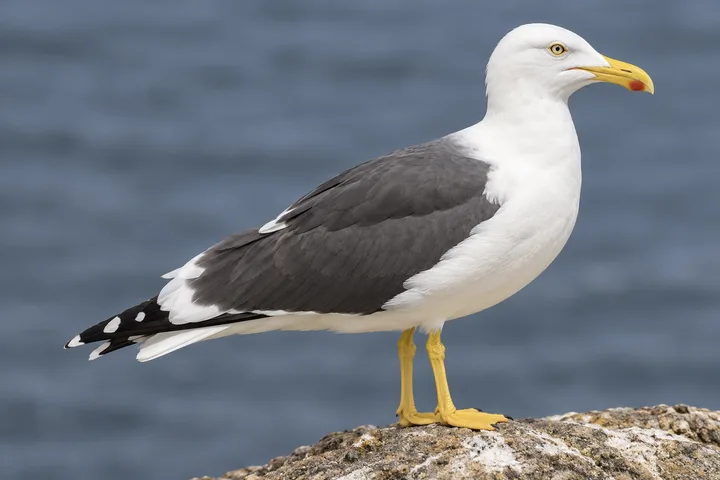
Yellow-footed gull
Yellow-footed gull
Larus livens
Ocean sunfish
Ocean sunfish
Mola mola
Sperm whale
Sperm whale
Physeter macrocephalus
Sally Lightfoot crab
Grapsus grapsus
Blue spiny lobster
Blue spiny lobster
Panulirus inflatus
Chocolate clam
Chocolate clam
Megapitaria squalida
Pelagic red crab
Pelagic red crab
Grimothea planipes
Hubbs’ octopus
Hubbs’ octopus
Octopus hubbsorum
Jewel moray
Jewel moray
Muraena lentiginosa
Panamic green moray
Panamic green moray
Gymnothorax castaneus
Spinner dolphin
Spinner dolphin
Stenella longirostris
Risso’s dolphin
Risso’s dolphin
Grampus griseus
Short-finned pilot whale
Globicephala macrorhynchus
Bigeye tuna
Bigeye tuna
Thunnus obesus
Pelagic thresher
Pelagic thresher
Alopias pelagicus
Blue shark
Blue shark
Prionace glauca
Giant hawkfish
Giant hawkfish
Cirrhitus rivulatus
Pacific bonito
Pacific bonito
Sarda lineolata
Cortez angelfish
Cortez angelfish
Pomacanthus zonipectus
Talk to the family

Questions? Message the family

The Vargas family answers personally. 7 days a week, 5 AM – 6 PM Cabo time.